Asep Darmawan
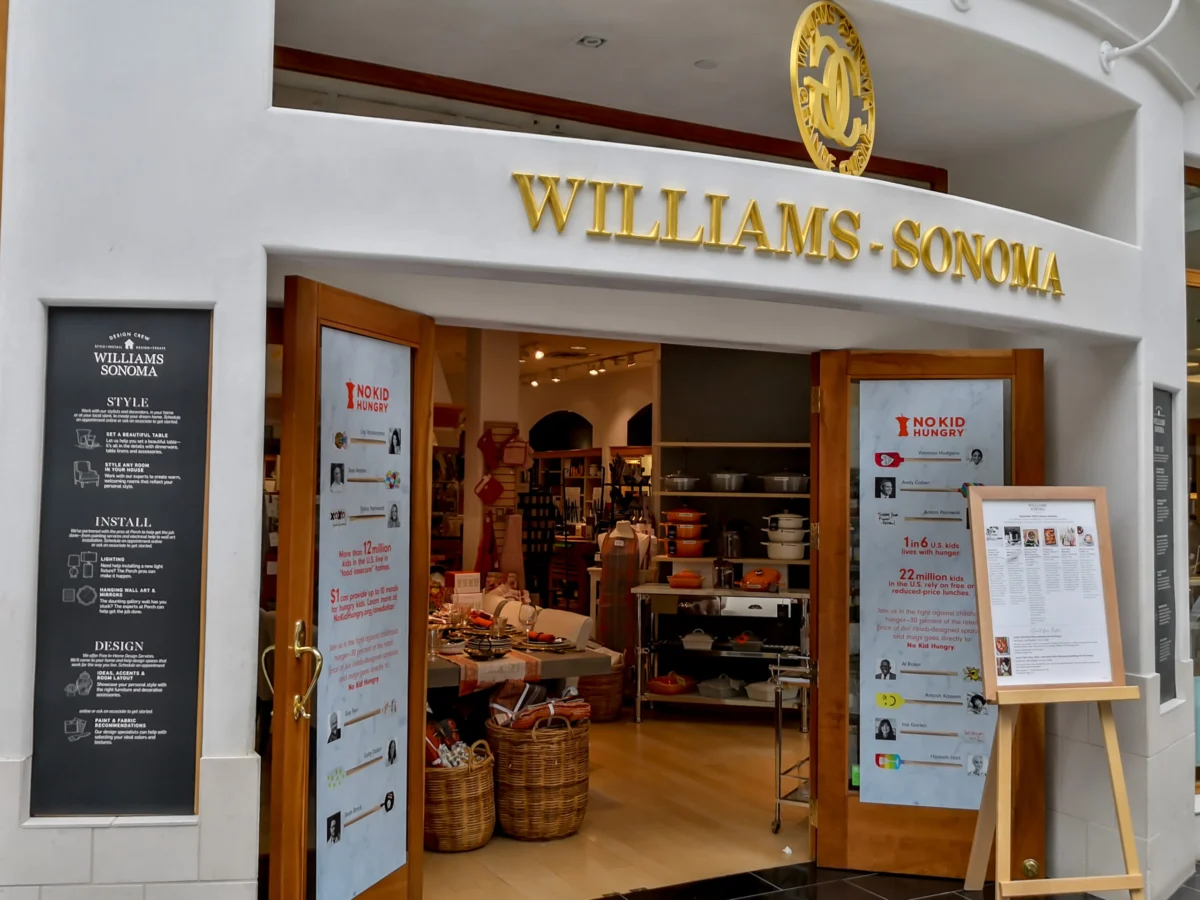
Williams-Sonoma Inc. has reported a robust fiscal third quarter for 2026, marked by a significant fourth consecutive quarter of e-commerce sales growth. This sustained upward trend was complemented by positive comparable sales across all brands and sales channels, underscoring a period of broad-based strength for the home furnishings and culinary goods retailer. The company’s net revenue for the quarter, which concluded on November 1, 2026, climbed 5.8% year-over-year to reach $1.99 billion. This performance was further bolstered by a 5.1% increase in comparable brand revenue, an aggregate metric that encompasses e-commerce, brick-and-mortar store sales, and business-to-business transactions.
Delving deeper into the digital landscape, e-commerce comparable sales experienced a notable acceleration, growing by 6.8%. This figure represents an increase from the 6.5% growth observed in the preceding fiscal second quarter, as highlighted by CFO Jeff Howie during an investor earnings call. Concurrently, retail comparable sales demonstrated resilience, rising by 1.5%. This achievement is particularly noteworthy given the substantial 8.5% growth recorded in the same period last year, indicating a continued ability to drive traffic and sales in physical stores.
Williams-Sonoma currently holds a prominent position in the digital commerce arena, ranking 22nd in Digital Commerce 360’s esteemed Top 1000 Database. This comprehensive ranking identifies North America’s largest online retailers based on their annual e-commerce sales. Furthermore, the company’s commitment to innovation is reflected in its 306th placement in Digital Commerce 360 and ReFiBuy’s AI Commerce Rankings, a testament to its burgeoning integration of artificial intelligence within its operations.
Strategic Shift Towards Full-Price Selling Enhances Profitability
A key strategic initiative driving Williams-Sonoma’s financial performance in Q3 FY26 has been its deliberate pivot towards a full-price selling model. This approach, while intentionally moderating sales growth in certain segments, has demonstrably bolstered profit margins. Pottery Barn, a flagship brand within the Williams-Sonoma portfolio, has seen its sales growth tempered as a direct consequence of this strategy. The company has strategically reduced markdowns on non-furniture items, with a particular focus on seasonal merchandise such as Halloween and back-to-school products.
CEO Laura Alber addressed this deliberate slowdown at Pottery Barn, stating, "We knew this change would have an impact on the near term comp in the Pottery Barn brands, but we believe it is the right strategy for long term profitability." This forward-looking perspective suggests a commitment to sustainable financial health over short-term sales volume. The efficacy of this full-price approach is evident in the company’s margin expansion. Non-GAAP operating margin saw an improvement of 40 basis points, reaching 17.4%. Similarly, non-GAAP earnings per share (EPS) grew by a healthy 11.7% to $2.19. Alber further elaborated on the competitive landscape, noting that many rivals are engaging in more aggressive promotional activities, with some discounting up to 70% of their inventory. Williams-Sonoma’s intention is to maintain its disciplined pricing strategy through the fourth fiscal quarter.
AI Integration Fuels Enhanced Customer Experiences and Revenue Growth
Williams-Sonoma is aggressively expanding its integration of artificial intelligence (AI) across its various brands, yielding tangible benefits in customer engagement and revenue generation. CEO Laura Alber reported that the company’s AI assistants have now facilitated over one million customer chat interactions. Crucially, shoppers who engage with these personalized AI-driven experiences are demonstrating "substantially" higher revenue per visit compared to the site average. The retailer has deployed Olive, an AI assistant on the Williams Sonoma website, and Otto, a similar AI-powered tool on the Pottery Barn website, to enhance customer journeys.
Chief Digital Officer Sameer Hassan provided insights into the sophisticated AI capabilities being deployed. He described a cutting-edge design tool that can transform a customer’s 3D room plan into a photorealistic image within seconds. This innovative tool utilizes the customer’s selected products, incorporating their real-world dimensions for unparalleled accuracy. "This is an AI-guided complete design that you are seeing in your space, including decor, just something that is unparalleled in the industry," Hassan remarked. For the upcoming holiday season, the company plans to leverage AI-generated imagery for gift recommendations and implement AI-driven reminders for gift-givers based on their past purchase history, further personalizing the shopping experience.
The introduction of AI-powered design tools and personalized recommendations is not merely a technological upgrade but a strategic imperative in the increasingly competitive retail environment. By offering immersive visualization tools and intelligent product suggestions, Williams-Sonoma aims to reduce purchase friction, increase conversion rates, and foster deeper customer loyalty. The substantial increase in revenue per visit for AI-engaged shoppers suggests that these initiatives are resonating with consumers and directly contributing to the company’s top-line growth. This proactive adoption of AI positions Williams-Sonoma as a forward-thinking leader in leveraging technology to redefine the home furnishings and lifestyle retail experience.
External Pressures: Rising Diesel Costs and Supply Chain Disruptions
Despite its strong performance, Williams-Sonoma is navigating a challenging external environment characterized by escalating fuel costs and ongoing supply chain disruptions. CFO Jeff Howie pointed to a significant year-over-year increase in U.S. diesel prices, which rose by more than 60% in Q3 FY26 and saw a further 20% increase since August. This surge in diesel prices is projected to add as much as $60 million to the company’s annual expenses.
Adding to these logistical hurdles, CEO Laura Alber cited extended transit times stemming from geopolitical conflicts in the Middle East. These conflicts, coupled with persistent port and rail congestion, are contributing to delays in the movement of goods. In response, Williams-Sonoma is proactively expediting key shipments and enhancing the accuracy of delivery estimates provided on its website. Alber also noted a softening in the housing market, stating it "has gotten worse," although she emphasized that the company has managed to gain market share despite these adverse conditions.
The impact of tariffs on the retailer, while present, appears to be a less significant factor compared to fuel costs and supply chain issues. Williams-Sonoma reported receiving $29.3 million in refunds related to the ImportExport Business Facilitation Act (IEEPA) in Q3. The company has substantially completed its claim for $197.8 million in tariff refunds, mitigating some of the financial burden associated with previous trade policies.
Broader Market Context and Future Outlook
The sustained e-commerce growth at Williams-Sonoma is occurring within a broader retail landscape that continues to evolve rapidly. While some sectors of retail have experienced post-pandemic normalization or even contraction, the home furnishings and lifestyle segment has shown resilience, driven by changing consumer priorities and a continued focus on home improvement and comfort. The company’s strategic emphasis on margin improvement through full-price selling signals a maturity in its business model, prioritizing profitable growth over aggressive discounting. This strategy is particularly relevant in an economic climate where consumers may be more price-conscious, yet still willing to invest in quality and durable goods.
The company’s investment in AI technology positions it favorably for future growth. As AI becomes increasingly sophisticated and integrated into consumer decision-making processes, retailers that can offer personalized, intuitive, and visually rich shopping experiences are likely to gain a competitive edge. The success of Olive and Otto, along with the advanced design tools, suggests that Williams-Sonoma is on the right track to capitalize on this trend.
However, the persistent challenges of rising operational costs, particularly fuel, and ongoing supply chain volatility remain critical factors that require continuous management and strategic adaptation. The company’s ability to efficiently navigate these external pressures while continuing to innovate and deliver exceptional customer experiences will be key to its sustained success in the coming quarters. The housing market’s downturn adds another layer of complexity, potentially impacting demand for home furnishings, though Williams-Sonoma’s demonstrated ability to gain market share suggests its brand strength and strategic execution are mitigating these headwinds.
The consistent growth in comparable sales across all channels, coupled with a deliberate focus on margin enhancement and strategic investments in AI, paints a picture of a well-managed and adaptable organization. Williams-Sonoma’s performance in Q3 FY26 serves as a case study in how retailers can achieve profitable growth even in a dynamic and challenging economic environment by leveraging data-driven insights, embracing technological innovation, and maintaining a disciplined approach to pricing and promotions.
Do you rank in our databases? Submit your data and we’ll see where you fit in our next ranking update.
Stay on top of the latest developments in the online retail industry. Sign up for a complimentary subscription to Digital Commerce 360 Retail News. Follow us on LinkedIn, TikTok, X (formerly Twitter), Facebook, and YouTube. Be the first to know when Digital Commerce 360 publishes news content.


 Raul Delapena Setiawan

 Asro