

The intersection of executive authority, corporate accountability, and consumer behavior has reached a critical juncture as several high-profile developments reshape the landscape of public relations and institutional transparency. In a series of events spanning federal courtrooms and digital marketplaces, the limits of media exclusion, the efficacy of corporate apologies, and the evolving habits of holiday shoppers are providing a complex roadmap for organizations navigating the final quarter of 2026. From the South Lawn of the White House to the delivery corridors of New York City, the recurring theme remains the tension between controlled messaging and the public’s demand for unhindered access and authentic engagement.
Federal Court Intervenes in White House Media Exclusion
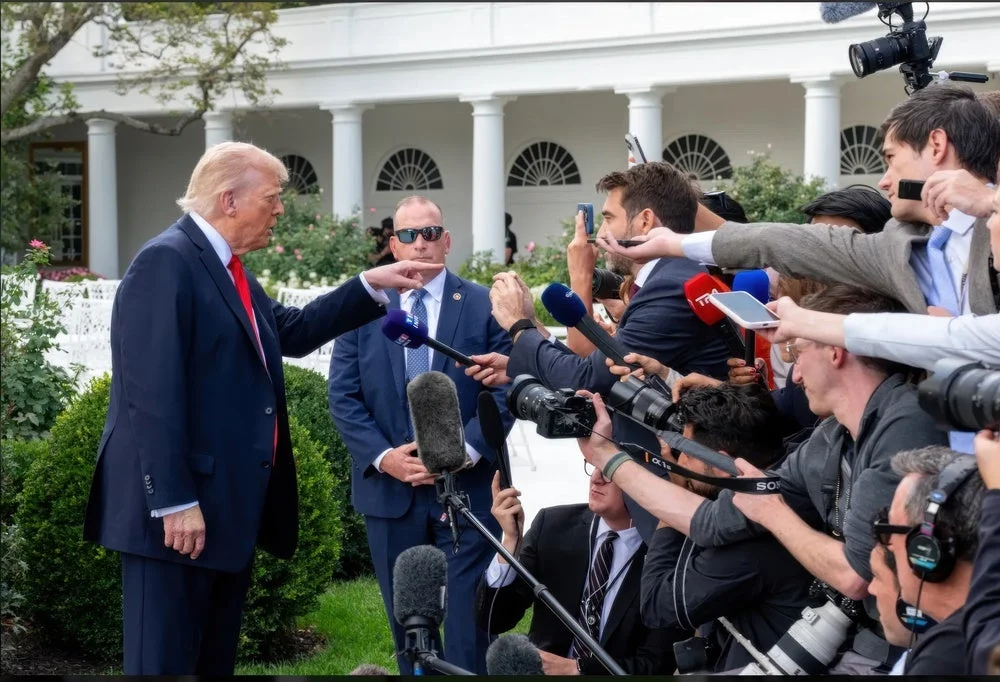
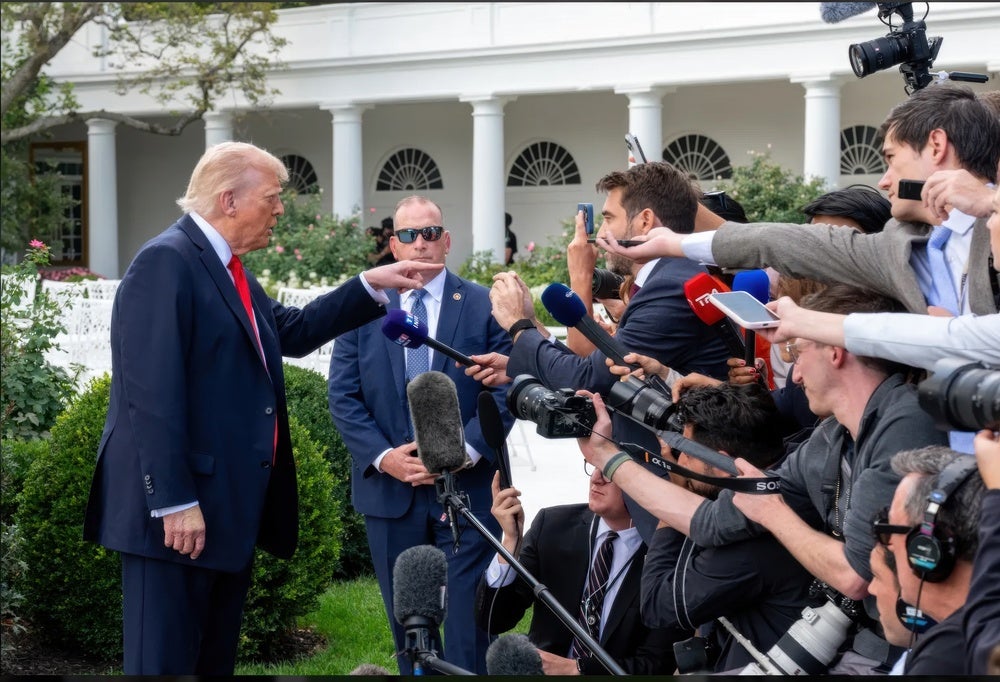
The ongoing friction between the White House and the press corps reached a legal flashpoint this week following a series of maneuvers by the administration to restrict access for specific news organizations. On September 18, the administration moved to ban reporters from CNN, MS NOW, and Politico, revoking their physical press credentials. The White House justified the move by citing "behavior in violation of the standards of professionalism and decorum," though specific instances of such violations were not immediately detailed in a public forum.
The targeted outlets immediately sought judicial relief, filing a lawsuit that alleged a violation of their First Amendment rights and Fifth Amendment due process protections. On the morning of September 24, U.S. District Judge Timothy Kelly, an appointee of the Trump administration, issued a temporary restraining order against the White House. Judge Kelly’s ruling focused heavily on the lack of due process, noting that the administration had failed to provide the outlets with formal notice or a meaningful opportunity to be heard before their "hard passes"—the credentials allowing regular access to the White House grounds—were confiscated.
The situation took a chaotic turn on Thursday morning when, despite the federal court order, reporters from the three affected outlets were once again turned away at the gates. Reports surfaced of Secret Service personnel physically confiscating credentials from journalists attempting to enter for the daily press briefing. This act of non-compliance prompted an emergency request for a hearing by the media organizations. Judge Kelly ordered a response from the administration by 12:30 p.m. that day. By midday, the administration appeared to relent, as CNN’s Betsy Klein and MS NOW’s Laura Barrón-López were eventually granted entry, though the process remained inconsistent for several hours. The court-ordered restoration of access is currently set for a 14-day period while the broader legal challenges proceed.
A Pattern of Press Restrictions
This latest confrontation is not an isolated incident but rather the latest chapter in a protracted struggle over media credentialing. Earlier in 2026, the White House faced similar legal scrutiny after barring the Associated Press from certain events. That restriction followed the AP’s refusal to adopt the administration’s preferred terminology, specifically the phrase "Gulf of America," in its reporting. In that instance, a judge also ordered access restored, citing First Amendment protections against viewpoint discrimination.
Furthermore, the Department of Defense has faced recent judicial rebukes for attempting to sideline "disfavored journalists." These cases collectively highlight a growing trend of executive agencies attempting to manage the narrative by selecting which journalists are allowed to witness government proceedings. For communication professionals and legal scholars, the core takeaway is the judicial affirmation that once a government entity opens access to the press, it cannot arbitrarily revoke that access without following established, transparent procedures.
Parry Headrick, Founder and Chief Evangelist at Crackle, notes that such strategies often backfire. "Shutting out the press gives the impression, whether true or not, that there’s something to hide," Headrick observed. He argued that instead of suppressing stories, these bans often "inspire intrepid reporters to dig even harder to gather the facts." In the realm of public perception, the visual of a journalist being turned away at a gate often carries more weight than the policy the administration is attempting to promote.
DoorDash and the "We Screwed Up" Doctrine
While the White House grapples with media access, the corporate sector is witnessing a landmark shift in crisis communication strategy. New York City Mayor Zohran Mamdani announced a record-breaking $131.5 million settlement with DoorDash this week. The settlement follows an investigation into the company’s non-compliance with the city’s minimum pay rules for delivery workers, which were instituted in 2023 to ensure fair wages in the gig economy.
The settlement will provide financial restitution to approximately 264,000 "Dashers" who were either underpaid or received late payments. While the dollar amount is significant, the method by which DoorDash communicated the news has drawn intense interest from industry analysts. In a statement titled "Making It Right: Our Settlement with the City of New York," the company bypassed traditional legal obfuscation, opening with the blunt admission: "We screwed up."
The company’s transparency extended to the specifics of the failure. DoorDash detailed technical bugs, errors in calculating deliveries that crossed municipal boundaries, and banking information glitches as the primary drivers of the underpayments. They quantified the impact, noting that the average underpayment was $7.70, with the vast majority of affected workers being shorted by one dollar or less. By providing this level of detail, the company attempted to frame the issue as a series of manageable technical errors rather than a systemic attempt to defraud workers.
The Strategy of Proactive Disclosure
The DoorDash statement aligns with recent credibility research from the Resonant Advisory Group, which found that 79% of consumers believe a company earns more credibility by disclosing bad news about itself first. By owning the narrative and using plain language, DoorDash sought to minimize the long-term reputational damage that typically accompanies massive labor settlements.
However, communication experts warn that an apology is only the first step. Michelle Bonner, VP of Public Relations at Adams & Knight, emphasizes that trust is not rebuilt through messaging alone. "In this case, the first audience isn’t the customer; it’s the workers," Bonner stated. She noted that while customers may continue to use the service for convenience, the loss of goodwill among the workforce and the general public creates a "fragile reputation" that may not survive a second controversy. "Using a company and trusting a company are two very different things," Bonner added, highlighting that convenience often masks underlying consumer resentment.
Shifting Consumer Behavior for the 2026 Holiday Season
As the year enters its final quarter, brands are also adjusting to a shifting economic and social landscape. According to Sprout Social’s Q3 2026 Pulse Survey, the upcoming holiday shopping season will be defined by consumer caution and a heavy reliance on social media platforms for the entire "customer journey."
The data reveals that 56% of shoppers plan to reduce their holiday spending this year, driven largely by concerns over rising prices and potential new tariffs. Nearly 70% of consumers expressed anxiety regarding tariff-related price hikes, leading 36% to indicate they will begin their holiday shopping earlier than usual to lock in current prices. This "early start" phenomenon has already been observed, with major retailers like Amazon launching holiday-themed promotions as early as September.
Social media has transitioned from a mere discovery tool to a central hub for commerce. The survey findings indicate several key trends:
- Consumers are increasingly looking for "utility-driven" content, such as product demonstrations and educational videos, rather than traditional lifestyle advertisements.
- There is a growing preference for creator-led content over brand-produced ads, as shoppers seek "authentic" reviews before committing to a purchase.
- Speed of response in social media customer care is now a primary factor in brand loyalty, with shoppers expecting near-instant interaction when inquiring about holiday deals or shipping status.
Implications for Brand Strategy and ROI
For organizations planning their year-end campaigns, the 2026 data suggests that "thoughtful and grounded" messaging will outperform flashier, high-budget productions. Scott Morris, CMO at Sprout Social, suggests that the tighter economic climate makes every purchase more significant for the consumer. "Because of a tighter economic climate, every purchase carries more weight, making it critical for brands to refine their messaging to ensure it is thoughtful and grounded," Morris explained.
Morris recommends that brands empower their creator partners to focus on education and utility. By providing genuine value—whether through discounts, fast customer service, or helpful product information—brands can maximize their return on investment (ROI) while building the "lasting trust" that is currently in short supply across both the public and private sectors.
Conclusion: The New Mandate for Transparency
The parallel developments in the White House press room, the DoorDash settlement, and the holiday retail market underscore a singular reality: the era of controlled, top-down communication is being superseded by a mandate for transparency and due process. Whether it is a government agency facing a federal judge or a corporation facing a class of underpaid workers, the "gap between what an institution says and what it does" is being scrutinized more closely than ever.
As 2026 draws to a close, the organizations that successfully navigate these challenges will be those that prioritize accountability over avoidance. In the words of Parry Headrick, "sunlight is the best disinfectant," a principle that applies equally to the halls of power and the digital storefronts of the modern economy. The coming months will test whether these institutions can move beyond crisis management toward a sustainable model of public and consumer engagement.









