LinkedIn advertising represents a potent, yet often misunderstood, avenue for businesses aiming to connect with a professional audience. While its potential is widely recognized, many advertisers encounter challenges, frequently stemming from misapplying strategies from other platforms. This comprehensive guide delves into the intricacies of LinkedIn advertising, offering a roadmap for businesses to navigate its unique landscape and achieve impactful results.
The Powerhouse of Professional Networking: What is LinkedIn Advertising?
LinkedIn advertising is the practice of deploying paid promotional content across the LinkedIn platform. This professional networking giant, boasting nearly 900 million active users worldwide, serves as a critical hub for professionals, students, and businesses across all sectors and career stages. For both business-to-business (B2B) and business-to-consumer (B2C) entities, LinkedIn presents a significant paid channel for reaching prospective customers. Its robust user base and professional focus make it an indispensable consideration in any comprehensive marketing strategy.
The platform’s unique positioning allows it to fill crucial gaps in a marketing strategy, providing a direct line to decision-makers and industry professionals. Statistics from Hootsuite indicate a substantial portion of businesses leverage LinkedIn for marketing, underscoring its perceived value. This makes it an essential tool for businesses looking to expand their reach and engage with a highly targeted audience.
Key Benefits of Leveraging LinkedIn Advertising
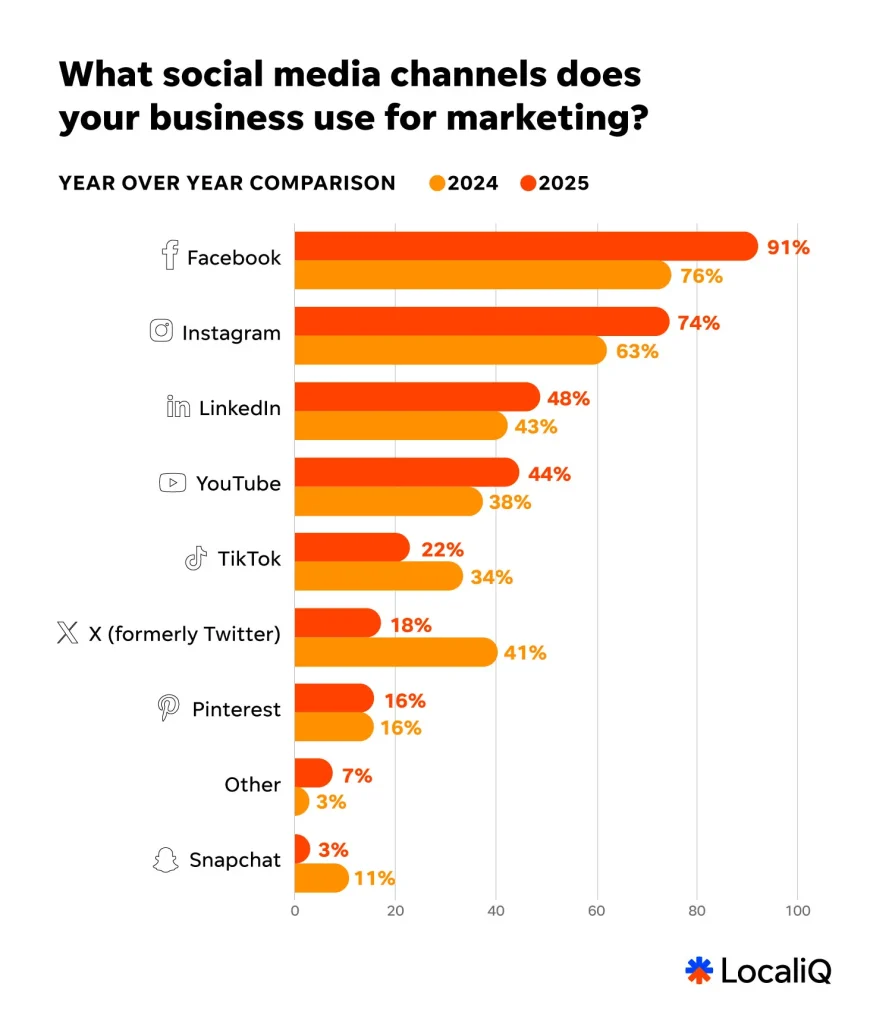
LinkedIn stands as a dominant social media platform, making it highly probable that a business’s ideal customers are active users, receptive to targeted advertising. Notably, LinkedIn is recognized as the most trusted social network in the United States, fostering a sense of credibility and security for advertisers. This trust extends to businesses themselves, with a recent report highlighting LinkedIn as the third most popular platform for small business marketing, utilized by 48% of such enterprises.
One of LinkedIn Ads’ significant advantages is the extensive array of ad formats available, many of which are exclusive to the platform. This diversity empowers advertisers to craft distinctive campaigns that capture attention and resonate with their target demographics.

For lead generation, LinkedIn Ads is unparalleled. With over a decade of experience in the advertising space, the platform’s targeting capabilities consistently deliver the most accurate results when aiming to reach specific personas. The ability to precisely define audiences based on professional attributes is a game-changer for B2B lead acquisition and nurturing.
Further bolstering its appeal, LinkedIn advertising statistics reveal compelling engagement rates and conversion potential. For instance, studies have shown that LinkedIn ads can achieve higher click-through rates (CTR) and lower costs per lead compared to other platforms when targeting specific professional segments. This data reinforces LinkedIn’s efficacy in driving meaningful business outcomes.
Navigating the Path to Effective LinkedIn Advertising
Launching successful LinkedIn advertising campaigns involves a structured, four-step approach:
-
Setting up your LinkedIn Advertising Account: This foundational step involves creating or utilizing an existing LinkedIn Ads Manager account. A prerequisite for this is having a LinkedIn Company Page established, which will be directly associated with your advertisements. Once initial setup is complete, familiarizing yourself with the platform’s account structure is crucial. LinkedIn Ads underwent a reorganization in early 2026, refining its organizational hierarchy for campaigns. Understanding these updated groupings—Campaigns, Ad Sets, and Ads—is essential for efficient management and reporting.

-
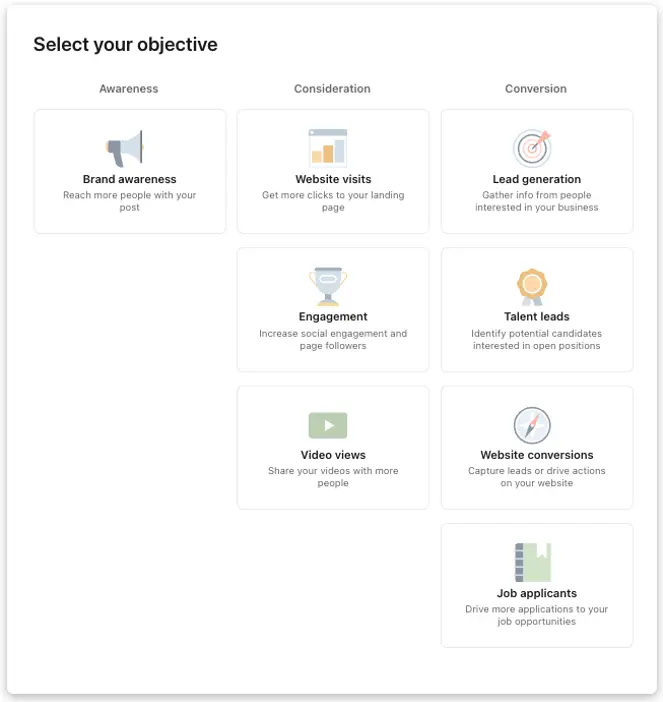
Choosing Your Campaign Objectives: LinkedIn offers a diverse range of campaign objectives, each meticulously designed to achieve specific marketing goals. Selecting the correct objective is paramount, as it dictates available ad formats, bidding strategies, and ultimately, the campaign’s performance against key performance indicators (KPIs). For example, a campaign optimized for website traffic will yield different results than one focused on lead generation or brand awareness. The platform categorizes objectives broadly, including Brand Awareness, Website Visits, Engagement, Video Views, Lead Generation, and Website Conversions, each with unique implications for campaign setup and optimization.
-
Testing Your LinkedIn Ad Types and Formats: LinkedIn provides a rich tapestry of ad formats, each offering a distinct visual appeal and placement strategy. Understanding these formats is key to creating compelling advertisements:
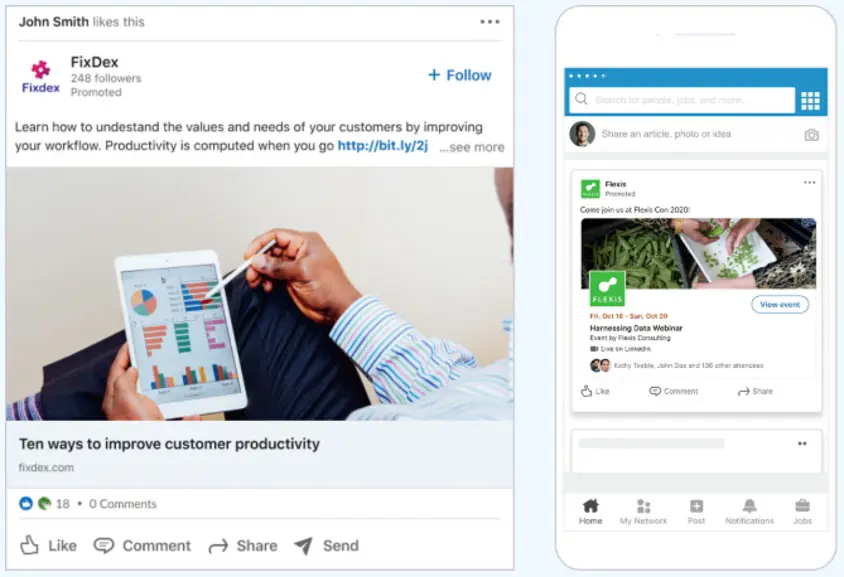
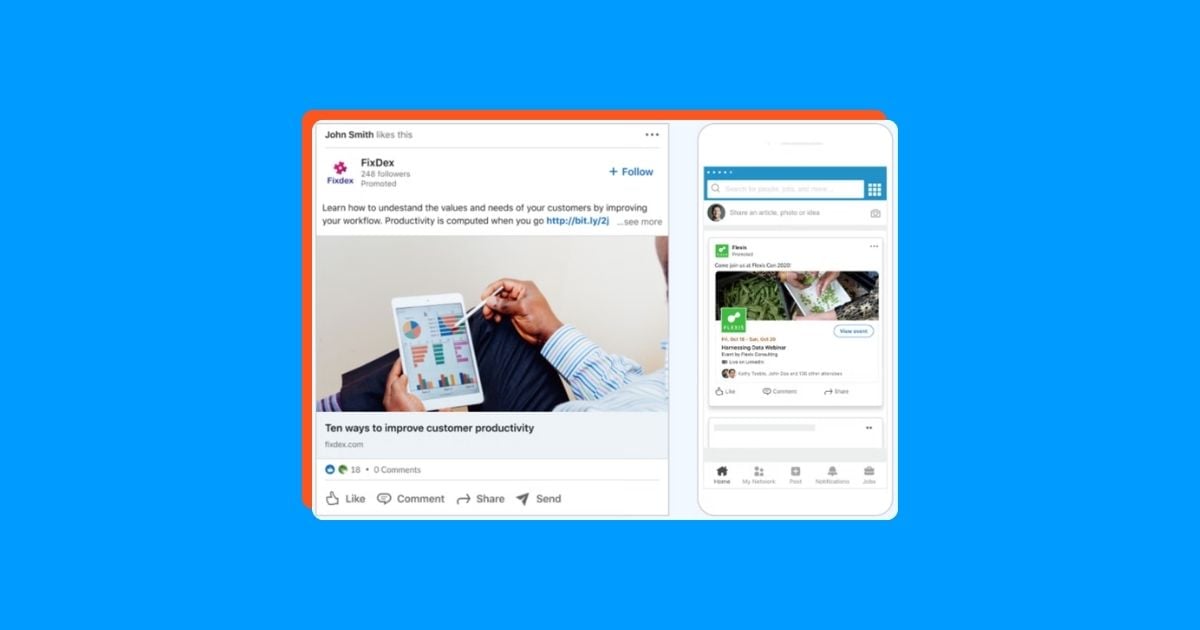
- Single Image Ads: These are the most common, featuring a single image, introductory text, a headline, and a call to action. They are highly effective for straightforward messaging and driving traffic.
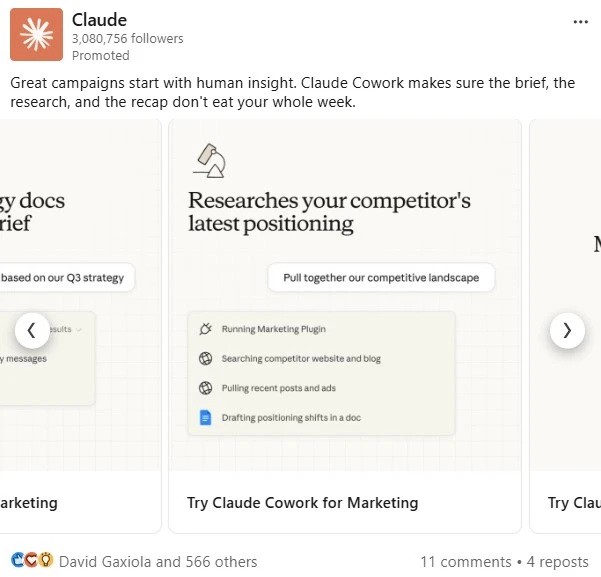
- LinkedIn Video Ads: Similar to single image ads, these leverage video content to tell a more dynamic story, capturing attention through movement and sound.
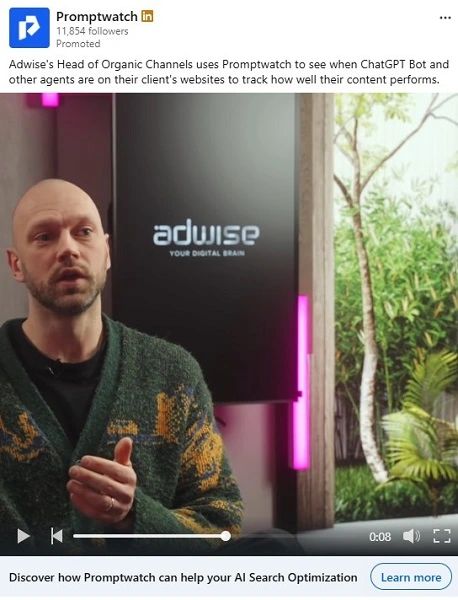
- Carousel Ads: Allowing advertisers to present multiple images or videos in a swipeable format, carousel ads are ideal for showcasing product lines, telling multi-part stories, or highlighting different features and benefits. Each card can link to a unique destination, offering significant customization.
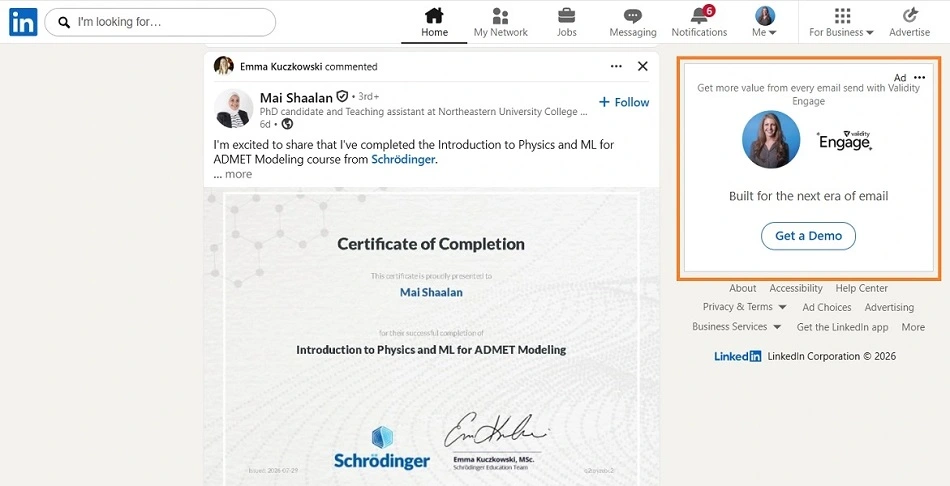
- Text Ads: These are smaller, less visually intrusive ads that appear in the right-hand rail or at the top of the feed, utilizing a concise headline, description, and a small thumbnail image. They are cost-effective for driving traffic to specific landing pages.
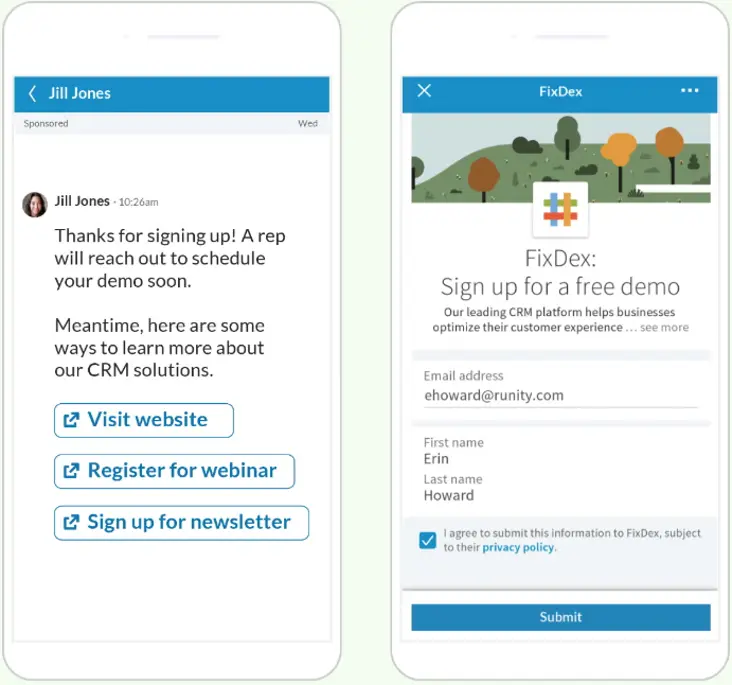
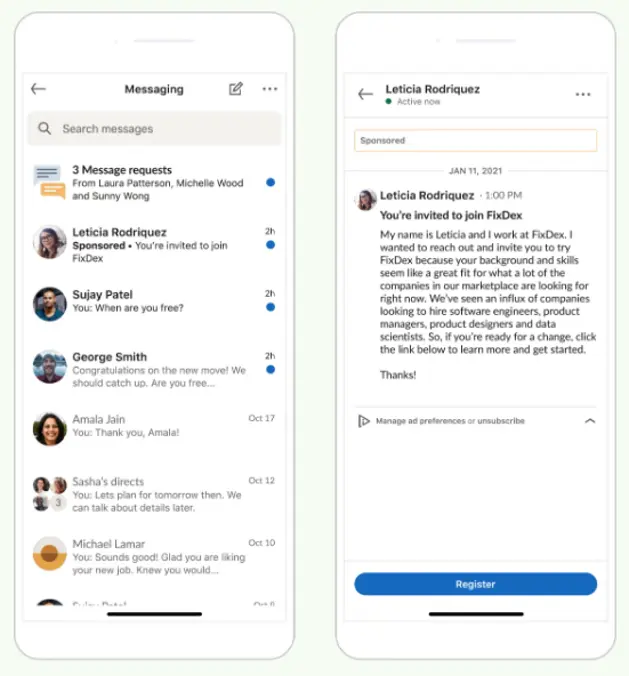
- Message Ads: Delivered directly to a user’s LinkedIn inbox, these ads mimic personal messages, offering a high degree of personalization. However, their intrusive nature necessitates careful crafting to avoid alienating recipients.
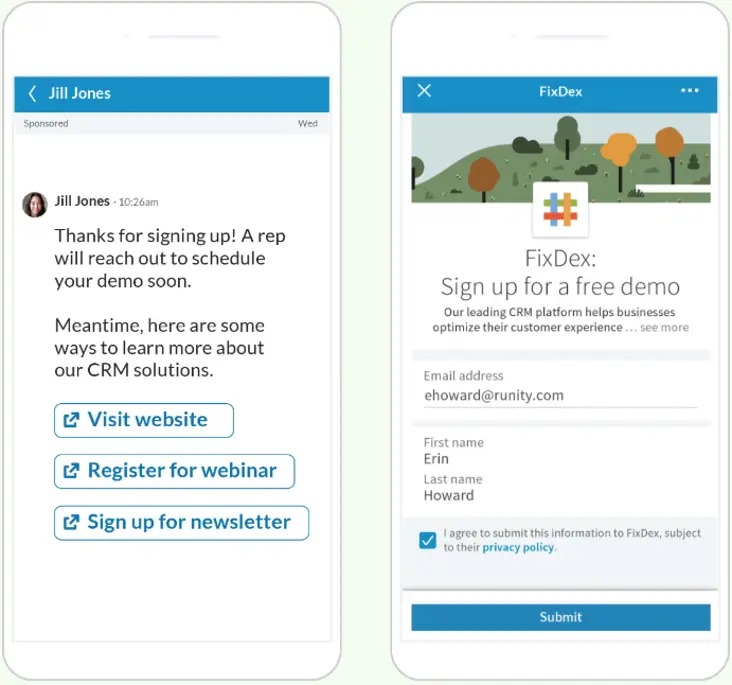
- Conversation Ads: An evolution of Message Ads, Conversation Ads offer a more interactive, chat-like experience with multiple call-to-action buttons, allowing users to self-direct their journey.
- Document Ads: A newer format, Document Ads allow businesses to upload PDFs or other documents, teasing a portion of the content to encourage form submissions for full access, making them excellent for lead generation.
- Dynamic LinkedIn Ads: These ads personalize content using the viewer’s LinkedIn profile data. They include Follower Ads (encouraging page follows), Spotlight Ads (promoting products or services), and Jobs Ads (highlighting open positions).
It’s important to note that most ad sets on LinkedIn are limited to a single ad format. This necessitates creating separate ad sets if you wish to test different formats, which in turn segments your budget. Strategic budget allocation across these ad sets is therefore crucial for comprehensive testing.
-
Setting Your Target Audience: LinkedIn’s targeting capabilities are arguably its most powerful feature. The platform offers two primary targeting approaches: Audiences and Audience Attributes.
- List Upload Targeting: This feature enables advertisers to upload CSV files containing company or individual user data. LinkedIn then matches this information to its user base, creating targeted lists for campaigns. This is particularly effective for upselling, re-engaging lost accounts, or supporting Account-Based Marketing (ABM) initiatives.
- Predictive Audiences: Leveraging LinkedIn’s AI and platform data, predictive audiences allow businesses to build lists of users similar to their existing audiences or converters. This is a strategic way to expand reach while maintaining audience quality.
- Retargeting: This involves advertising to users who have previously interacted with your brand. Beyond website visitors, LinkedIn allows retargeting based on engagement with video ads, lead gen forms, event responses, and more, offering multiple touchpoints for re-engagement.
- Third-Party Audience Lists: This option integrates with popular CRMs like Salesforce, Dynamics 365, and HubSpot, automatically syncing audiences to the LinkedIn Ads platform, ensuring lists remain up-to-date.
- Audience Attributes: This broad category encompasses a vast array of demographic and professional characteristics. Key attributes include:
- Job Functions and Seniority: Targeting based on specific roles and levels within organizations.
- Skills: Identifying users with particular expertise.
- Industries and Company Size: Reaching professionals within specific sectors and company structures.
- Interests and Behaviors: Targeting based on professional interests and platform activity.
When navigating Audience Attributes, a proactive search-based approach, typing in relevant job titles, skills, and industry terms, is often more efficient than browsing predefined lists. This method can uncover valuable targeting opportunities.
Understanding LinkedIn Advertising Costs
The cost of LinkedIn advertising can vary significantly based on industry, campaign objectives, ad formats, and targeting strategies. While specific figures fluctuate, average costs per click (CPC) can range from $5 to $7, with costs per lead potentially falling between $25 and $75. Cost per impression (CPM) might range from $8 to $12. It is crucial to remember that these are averages, and actual campaign costs will depend on a multitude of factors, including the competitiveness of the target audience and the quality of the ad creative.
Essential LinkedIn Advertising Tips and Best Practices
To maximize the return on investment (ROI) from LinkedIn advertising, consider these strategic best practices:
-
Maintain Optimal Audience Size: Campaigns targeting audiences between 20,000 and 80,000 individuals tend to perform optimally. While larger or smaller audiences can be effective depending on the call to action (CTA), extremely broad or narrow audiences can lead to rapid budget depletion with little return.
-
Exercise Caution with Audience Expansion and LinkedIn Audience Network: Features like Audience Expansion and the LinkedIn Audience Network, designed to broaden reach, can often lead to wasted ad spend. It is generally advisable to disable these options to maintain control over targeting precision.
-
Prioritize Manual Bidding: The "Maximum Delivery" bid strategy can quickly exhaust budgets. Opting for manual bidding, starting with a conservative floor bid and gradually increasing it as performance data becomes available, offers greater control and cost-efficiency.
-
Align Campaign Objectives with KPIs: As highlighted earlier, the chosen campaign objective profoundly impacts outcomes. Ensure it directly aligns with the key performance indicators you are striving to achieve.
-
Develop Multiple Ad Variants: Employing an "always be testing" mentality is crucial. Create 3-6 different ad variants within each ad set to identify the most effective messaging, visuals, and CTAs, leading to superior campaign performance.
-
Reframe Bottom-of-Funnel CTAs: Directly asking for a sale in an initial touchpoint on LinkedIn is often counterproductive. Instead, focus on upper-funnel CTAs that engage and entice. Subsequently, retarget these engaged users with lower-funnel offers for a higher conversion rate.
Conclusion: Harnessing LinkedIn Advertising for Strategic Growth
With its inherent benefits and structured setup process, LinkedIn Advertising is a platform that every business should explore. Regardless of industry or target audience, a well-executed LinkedIn advertising strategy can yield significant returns. The key lies in understanding the platform’s nuances, avoiding common pitfalls, and adopting best practices for audience management and bidding. By focusing on precision targeting, strategic objective selection, and continuous testing, businesses can unlock the full potential of LinkedIn advertising to drive meaningful growth and achieve their marketing objectives. For businesses seeking to optimize their approach, exploring specialized LinkedIn advertising solutions can further enhance campaign effectiveness and maximize ROI.