The landscape of B2B marketing is undergoing a seismic shift, with a significant majority of Google searches now concluding without a click to a vendor’s website. This phenomenon, dubbed "zero-click marketing," means B2B buyers are increasingly forming opinions and gathering critical intelligence through AI-driven answers and social media feeds long before they ever consider visiting a company’s online hub. While a decline in website traffic might initially appear alarming, it does not necessarily signal a loss of influence. Instead, it necessitates a strategic reevaluation of how B2B marketers establish and measure their impact, focusing on visibility within the platforms where buyers are actively conducting their research. This article delves into the implications of this evolving search behavior, outlines five effective zero-click tactics, and provides a framework for measuring influence beyond traditional click-based metrics, including a practical audit to implement immediately.
Brenna Lofquist, a Senior Consultant at Heinz Marketing, observes this trend firsthand, noting the perplexing scenario where organic traffic dips while pipeline remains robust and sales teams report prospects arriving well-informed. "Welcome to zero-click marketing," Lofquist states. "Your buyers are still finding you, still learning from you, and still forming opinions about you. They’re just doing it somewhere else. The job for B2B marketers now is to stop treating traffic as the only proof point of influence, and start earning attention wherever buyers actually are."
Understanding the Zero-Click Phenomenon
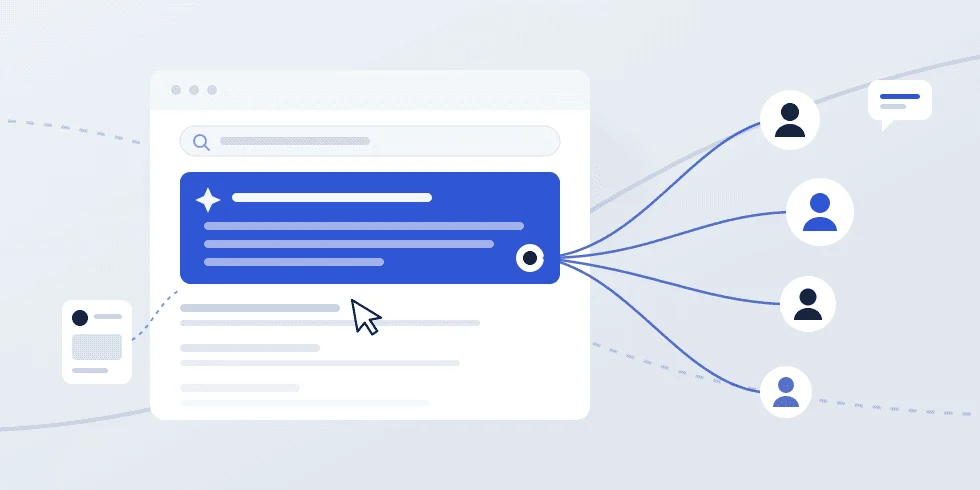
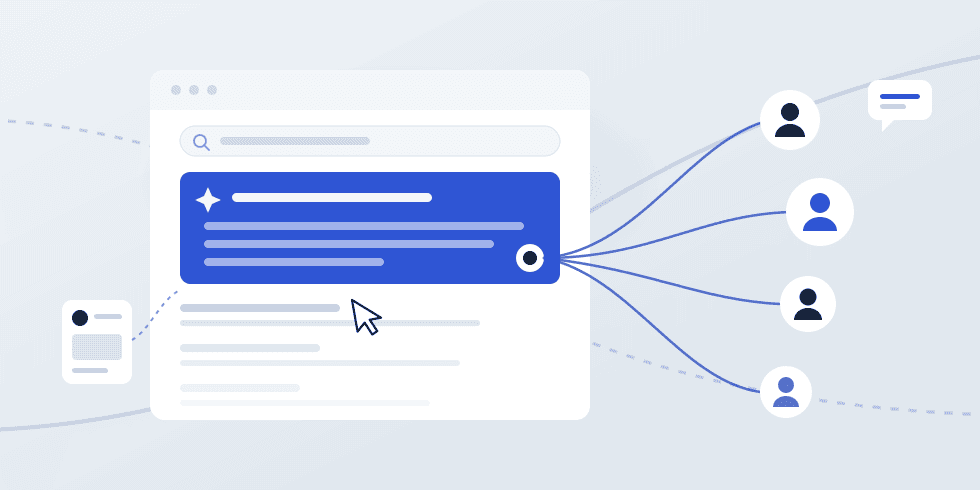
At its core, a zero-click search occurs when a user asks a question and receives a direct answer on the search engine results page (SERP) itself, eliminating the need to navigate to an external website. This capability is largely driven by advancements in artificial intelligence, with features like Google’s AI Overviews, AI Mode, featured snippets, and knowledge panels providing synthesized information. Beyond traditional search engines, AI assistants such as ChatGPT and Perplexity are also becoming primary research tools for B2B decision-makers, further contributing to the zero-click trend.
Zero-click marketing, therefore, represents a strategic adaptation to this new reality. As articulated by Similarweb, the search result itself transforms from a mere gateway to a website into a valuable placement in its own right. This principle extends beyond search engines. A LinkedIn post that imparts valuable knowledge without a direct link, a guest appearance on a relevant podcast, or a well-placed quote in an industry analyst report all serve to deliver value directly to the buyer in their preferred environment, with the brand’s identity attached. The fundamental shift lies in moving from the objective of "getting the click" to "getting the credit" for providing valuable information and shaping buyer perception.
The Data Behind the Decline: Navigating the Nuances
The statistics surrounding zero-click searches are compelling and underscore the urgency of this shift. A SparkToro study indicated that in the early months of 2024, approximately 68% of U.S. Google searches concluded without any click-through. Projections suggest this trend will continue, with the share of searches resulting in a click declining by nearly 23% between 2024 and 2026. The integration of AI into search further amplifies this effect; when an AI Overview is presented, the median zero-click rate can surge to around 80%, according to Click-Vision.
The B2B sector appears to be particularly susceptible to this trend. One analysis revealed that B2B websites experienced an average year-over-year traffic decline of 34%. This is likely attributable to the nature of B2B content, which is often educational and explanatory – precisely the type of material that AI tools excel at summarizing.
However, it is crucial to approach these figures with a degree of nuance. Many zero-click statistics encompass all search activity, a significant portion of which is driven by consumer behavior. Furthermore, the impact can differ between desktop and mobile devices. While desktop zero-click rates are reported to be below 50% by some sources, Similarweb suggests B2B exposure in zero-click scenarios can be as high as 80%. The consensus remains that the trend is undeniably real and growing, but the precise impact on a specific B2B audience requires careful, in-house measurement.
The B2B Conundrum: More Than Just a Publisher Problem
It is tempting for B2B marketers to dismiss zero-click searches as a concern primarily for news outlets or recipe blogs. However, the reality for B2B is far more profound. Consider the modern B2B buying journey: a procurement committee often comprises individuals with diverse roles, each conducting their research independently. The VP of Operations might query an AI assistant for a comprehensive explanation of a particular technology category. The IT lead could ask for a comparative analysis of leading vendors. The CFO might inquire about typical implementation costs. In each instance, the AI provides a confident, synthesized answer, circumventing the need to visit any vendor’s website.
This presents an uncomfortable truth: the very content that B2B organizations have meticulously created to drive organic traffic – explanatory articles, how-to guides, and "what is" posts – is precisely what AI tools leverage for their summaries. While B2B teams invest heavily in educating the market, AI tools are effectively capturing the "pageview" by delivering the distilled knowledge directly to the user.
Despite this apparent challenge, a zero-click search is not an automatic lost opportunity. B2B buying cycles are inherently long and involve multiple stakeholders. If a company’s insights, data, and brand name are prominently featured in these AI-generated answers, it significantly influences the buyer’s consideration set, even before they initiate direct contact.
The Essential Mindset Shift: From Traffic to Tangible Influence
For the past two decades, B2B content strategy has largely followed a predictable model: produce valuable content, optimize it for search engines, achieve a high ranking, earn a click, and then capture a lead. The click served as the crucial handoff point, connecting marketing efforts to measurable outcomes.
This paradigm was predicated on the assumption that a company’s website was the primary arena where influence was built. Increasingly, however, the website is becoming a space for influence to be confirmed rather than established. By the time a buyer lands on a vendor’s site, a substantial portion of their perception and opinion has already been shaped.
Consequently, the central question for B2B marketers must evolve. Instead of asking, "How do we drive traffic to our website?" the critical inquiry becomes, "What do we want buyers to know and believe before they ever arrive?" This necessitates strategically placing high-value content and expertise directly in front of buyers on the platforms they actively use, delivering complete value without requiring a click. This means eschewing teaser content that only reveals its full worth after a click or withholding crucial insights behind gated content.
While this approach may initially feel counterintuitive, potentially appearing as a generous giveaway of valuable information without immediate capture, the true return has always been more than just a click. It has been the cultivation of trust, and trust, importantly, can travel effectively without a URL.
Five Proven Zero-Click Tactics for Enhanced B2B Visibility
To thrive in the zero-click era, B2B marketers must proactively engage buyers where they are. This requires a shift towards strategies that prioritize direct value delivery and brand presence within key information ecosystems. Here are five effective zero-click tactics:
- Optimize for AI Answers: Beyond traditional SEO, focus on creating content that directly answers user queries with clarity, conciseness, and authority. Structure content with clear headings, bullet points, and factual data that AI models can easily parse and summarize. Think about the specific questions your ideal customers are asking and ensure your content provides direct, authoritative answers. This might involve creating "definitive guides" on core topics or "X ways to solve Y problem" type content that is easily digestible by AI.
- Become a Prominent Podcast Guest: Podcasts have become a significant source of industry insights and thought leadership. Appearing as a guest on relevant B2B podcasts allows you to share your expertise directly with a targeted audience. The value provided during the interview, where you articulate your company’s perspective and solutions, builds credibility and brand recognition without requiring listeners to immediately visit your website. The podcast itself becomes the platform for influence.
- Contribute to Industry Publications and Analyst Reports: Securing quotes or contributing content to respected industry publications and analyst reports places your brand’s perspective in front of influential decision-makers. These placements are often consumed directly, with readers absorbing the information and attributing it to the source. When your insights appear in trusted third-party resources, it significantly enhances your brand’s authority and awareness.
- Leverage LinkedIn for Value-Driven Content: LinkedIn is a prime B2B networking and information hub. Sharing insightful articles, thought leadership posts, and expert opinions directly on the platform, without always relying on a link to your website, can foster significant engagement and build your brand’s reputation. Focus on providing actionable advice, market analysis, or unique perspectives that resonate with your target audience. Encourage comments and discussions to further embed your brand within these conversations.
- Participate in Online Communities and Forums: Engaging authentically in industry-specific online communities, forums, and Q&A platforms allows you to demonstrate expertise and offer helpful solutions. By providing valuable answers and contributing to discussions, you build brand recognition and trust directly within these spaces. When users encounter your helpful contributions, they begin to associate your brand with expertise and reliability, irrespective of whether they click through to your site at that moment.
Measuring Influence Beyond the Click
The challenge of zero-click marketing lies in adapting measurement strategies. If influence is being built off-site, traditional website analytics will capture only a fraction of the picture. B2B marketers must adopt a broader suite of signals and educate leadership on the acceptance of directional measurement.
Key metrics to consider include:
- Brand Mentions and Sentiment: Track how often your brand is mentioned across social media, industry forums, and news outlets. Analyze the sentiment of these mentions to gauge perception. Tools like Google Alerts, Brandwatch, or Meltwater can be invaluable here.
- Share of Voice (SOV) in AI Summaries: While direct measurement is complex, analyzing the presence and prominence of your brand and key messaging within AI-generated answers for relevant queries can provide an indicator of your visibility. This requires manual review or specialized tools that can audit AI search results.
- Engagement on Third-Party Platforms: Monitor engagement metrics on platforms where you are actively publishing zero-click content. This includes podcast downloads and listener engagement, shares and comments on LinkedIn posts, and participation in online communities.
- Referral Traffic from High-Authority Sources: While not strictly zero-click, track referral traffic from highly reputable industry publications, analyst reports, or partner sites where your content or brand is featured. This indicates indirect influence.
- Sales Intelligence and CRM Data: Crucially, align with sales teams to understand how prospects are arriving at initial conversations. Are they referencing information they found in AI answers or social media? Are they quoting your company’s point of view? This qualitative feedback is invaluable.
A Practical Audit to Implement This Week
To begin adapting to the zero-click reality, a straightforward audit can provide immediate insights. Dedicate an afternoon to the following steps:
- Identify Your Core Buyer Questions: List the top 5-10 questions your ideal customers ask when researching your product or service category.
- Search for These Questions: Conduct these searches on Google and other AI-powered platforms (e.g., Perplexity, ChatGPT with browsing enabled).
- Analyze the Results:
- Which websites or sources are appearing prominently in AI Overviews and featured snippets?
- Is your brand mentioned in these direct answers? If so, how prominently and with what context?
- Are your competitors appearing? How are they positioning themselves?
- Are there gaps where your brand should be, but isn’t?
- Review Your Content: Examine your existing content library. Which pieces are most likely to be summarized by AI? Which pieces are educational and directly answer buyer questions?
- Assess Your Third-Party Presence: Evaluate your activity and visibility on platforms like LinkedIn, relevant podcasts, and industry forums. Are you actively contributing value?
The results of this audit will likely reveal both surprising strengths and significant opportunities for improvement in your zero-click strategy.
The Enduring Goal: Trust Over Traffic
Returning to the initial dashboard, the data may show declining traffic, but a steady pipeline and informed prospects signal that influence is not diminishing. This is the tangible outcome of effective zero-click marketing – a demonstration of influence that no longer relies on your website as its sole conduit.
The click was, and always has been, a proxy for what truly matters: whether buyers trust your brand enough to consider it. That fundamental objective remains unchanged. The critical difference now is that this trust must be earned directly within the feeds, answers, and conversations where buyers are actively engaged.
The B2B brands that will lead in the coming years will not be those with the highest website traffic. They will be the ones that are consistently mentioned, relied upon, and cited by buyers and the AI tools they depend on.
For B2B organizations seeking to navigate this evolving landscape and understand their brand’s current standing in AI search, a complimentary brainstorm session with Heinz Marketing can provide tailored strategies for building a robust zero-click approach. Reach out to [email protected] to schedule your session.