admin
admin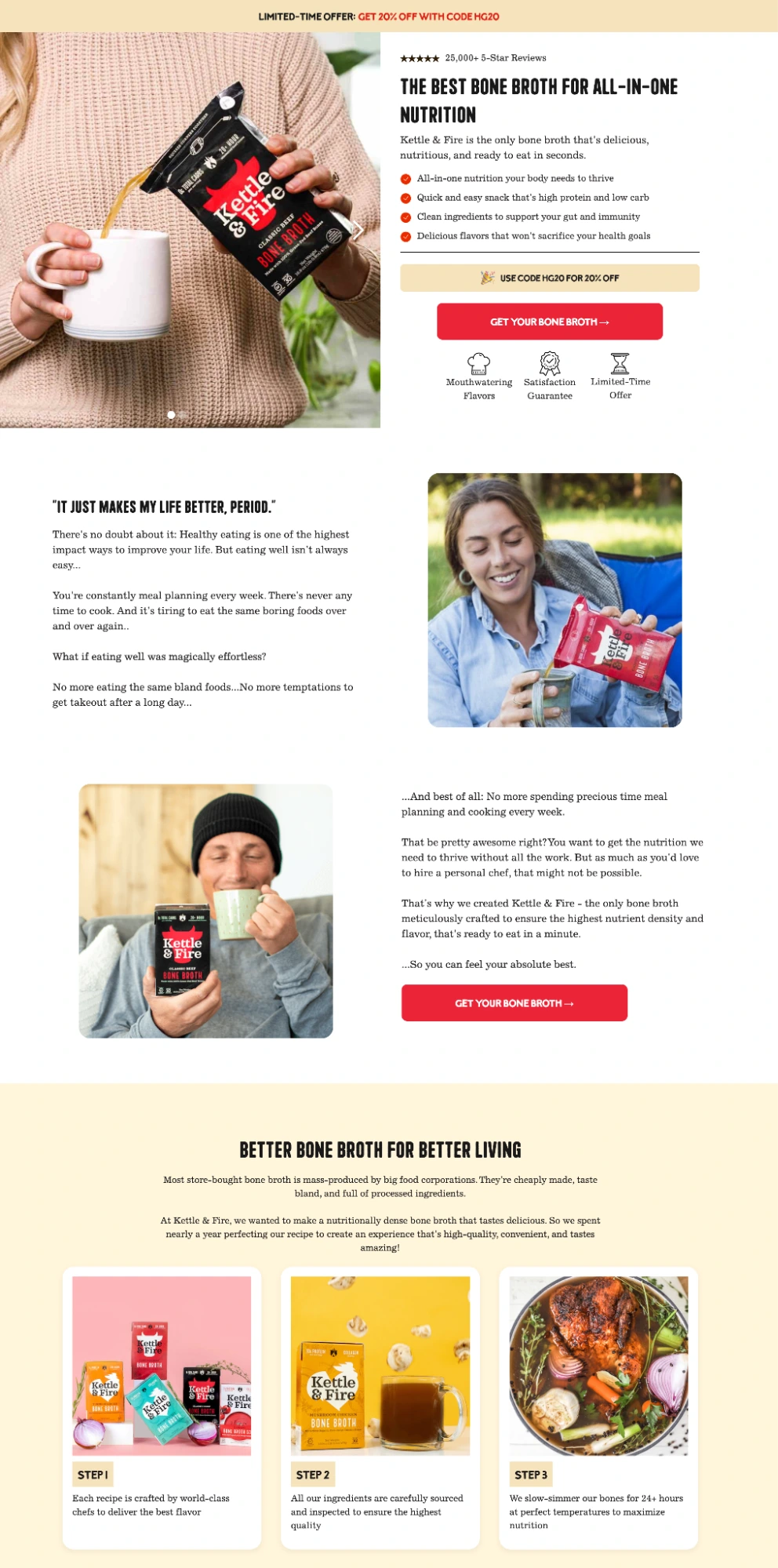
In the increasingly competitive landscape of digital advertising, every click on a paid advertisement represents a direct financial investment. However, the efficacy of that investment is frequently undermined by a significant disconnect between the marketing creative and the destination page. For many marketing teams, the traditional approach involves spending heavily on sophisticated targeting and high-quality creative assets, only to direct the resulting traffic to a generic product detail page (PDP) that was never designed for high-intensity conversion. This disconnect is where a substantial portion of paid advertising budgets is lost. To address this, enterprise marketing teams are increasingly pivoting toward product landing pages (PLPs)—standalone, campaign-specific destinations designed to bridge the gap between initial interest and final conversion.
The emergence of the product landing page as a critical tool in the marketing tech stack reflects a broader shift toward "conversion-centered design." Unlike a standard product page on an e-commerce site, a product landing page is a singular asset built for a specific campaign with the goal of driving one specific action. Industry data suggests that the average conversion rate for a standard e-commerce site is often between 2% and 3%. In contrast, specialized landing pages that utilize a 1:1 conversion ratio—one page, one goal, one call-to-action (CTA)—can significantly outperform these benchmarks by eliminating distractions and focusing the visitor’s attention entirely on the offer at hand.
The Structural Evolution of E-Commerce Destinations
Historically, the evolution of the online shopping experience began with the "digital catalog" model, where the primary goal was to provide as much information and as many options as possible. This led to the creation of the standard product detail page, which typically features site-wide navigation, links to related categories, social media feeds, and footers filled with corporate information. While these elements are essential for organic search discovery and brand building, they act as "leaks" for paid traffic.

Psychologically, the presence of multiple links creates what is known as the "Paradox of Choice" or Hick’s Law, which states that the time it takes for a person to make a decision increases with the number and complexity of choices. When a user arrives via a paid ad, they have already expressed interest in a specific solution. Forcing them to navigate a complex site architecture increases the likelihood of "bounce"—the phenomenon where a user leaves the site without taking action.

The strategic alternative, the product landing page, functions on the principle of isolation. By removing the navigation bar and internal links, marketers can guide the user through a curated narrative. This is particularly effective for diverse product categories, ranging from Consumer Packaged Goods (CPG) and lifestyle electronics to Software-as-a-Service (SaaS) and luxury goods.
Comparative Analysis: Product Landing Pages vs. Standard Product Pages
To understand the practical implications of this shift, one must examine the different roles these two page types play in a brand’s ecosystem. A standard product page is a permanent site asset designed to inform and assist browsing visitors who may have arrived via organic search or direct navigation. In contrast, a product landing page is a campaign-specific asset, often temporary or evergreen based on an offer, designed for high personalization and A/B testing.
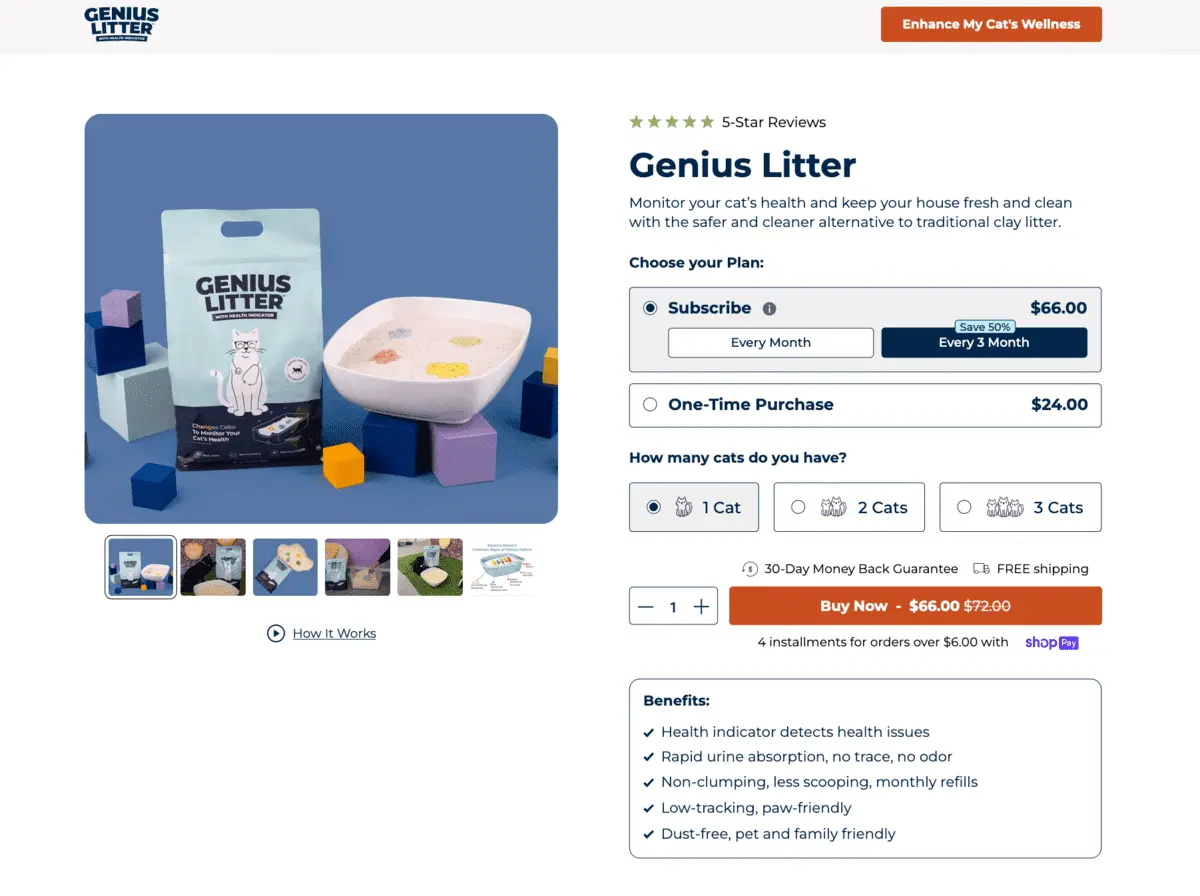
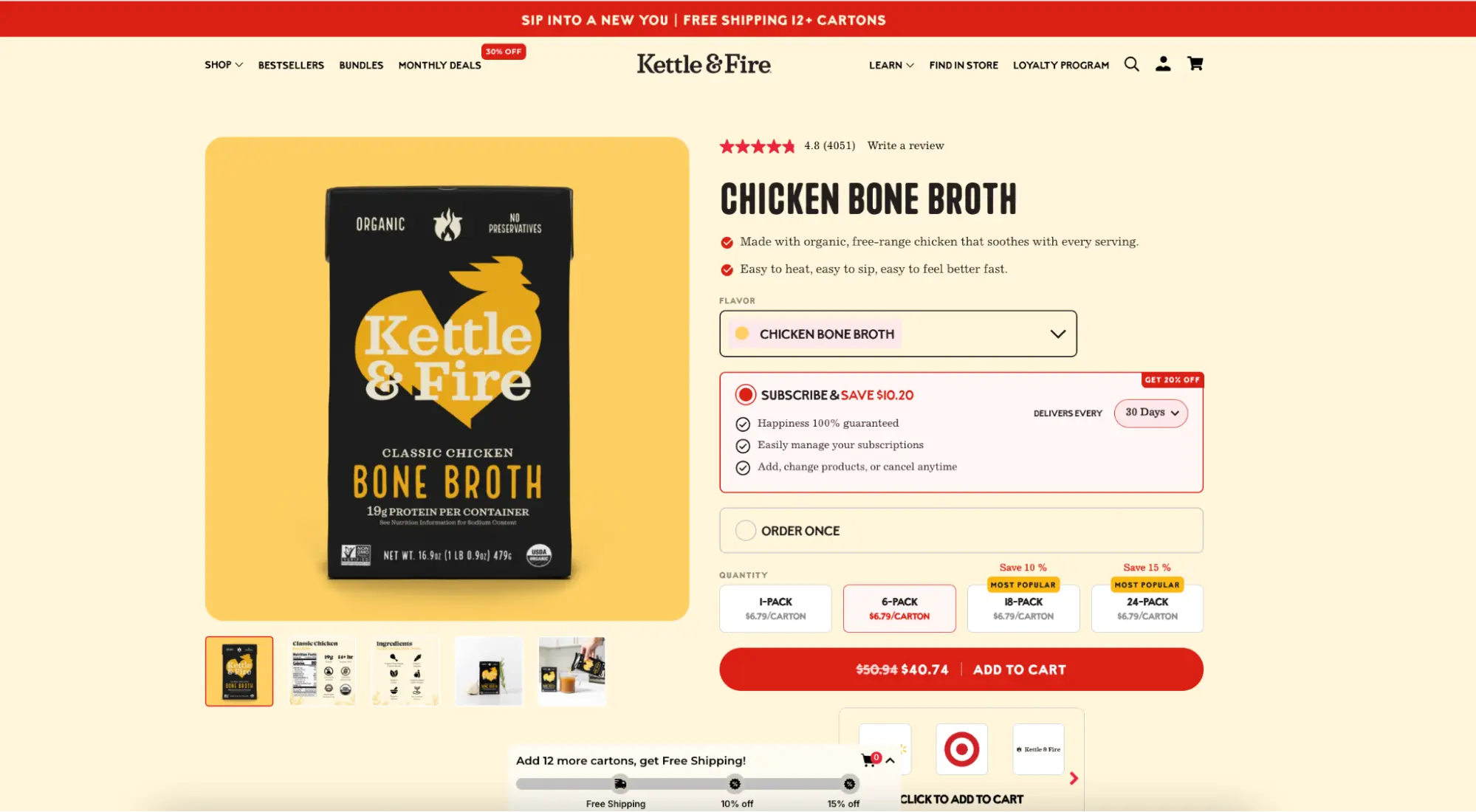
A notable case study involves the bone broth brand Kettle & Fire. The brand maintains two distinct versions of its product experience. Its standard product page is feature-rich, offering 12 product variants, a full footer, and social media links. While well-designed, it provides over 30 different exit points for a visitor. Conversely, its campaign-specific landing page, hosted on a separate subdomain, removes all navigation. Every link on the landing page either scrolls the user to more information or directs them to the checkout. By utilizing urgency (limited-time discount codes), credibility (expert endorsements), and risk reversal (satisfaction guarantees), the page enforces the 1:1 conversion ratio.
The Technical and Psychological Drivers of Conversion
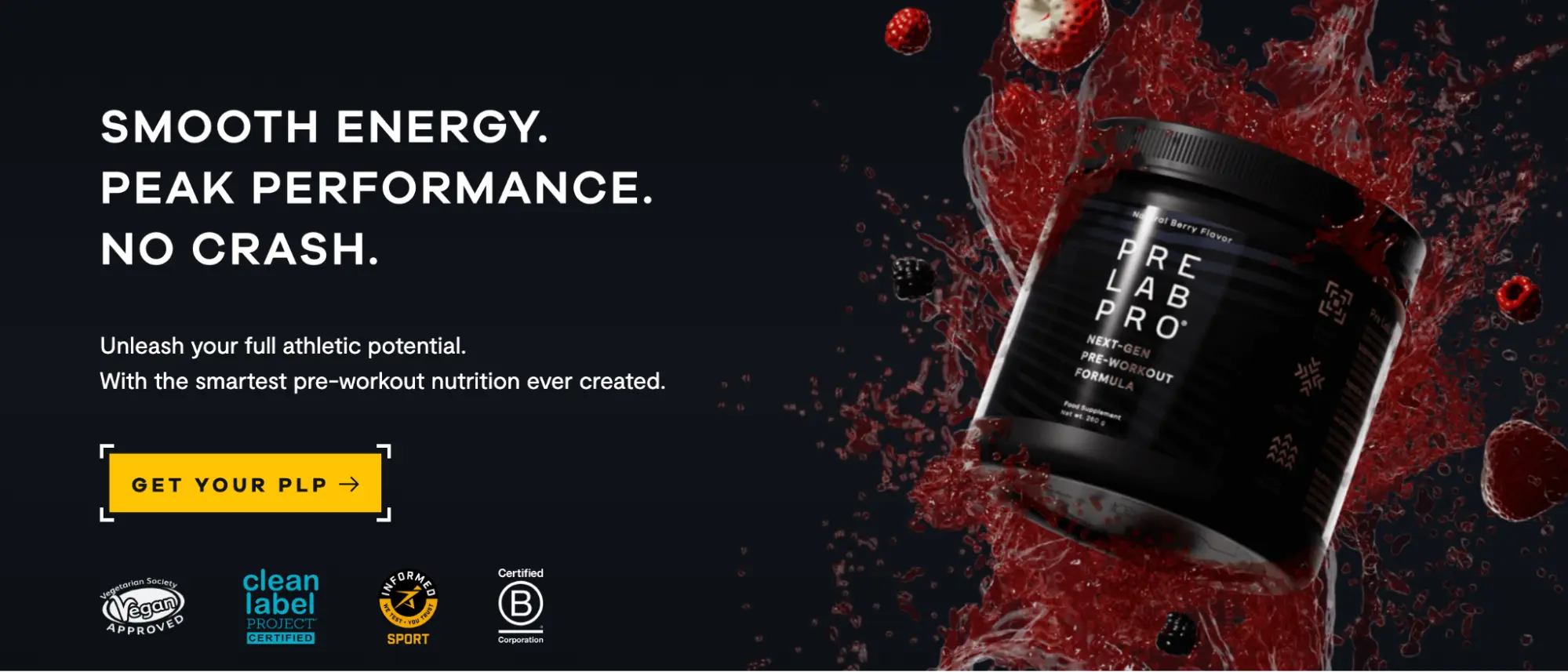
The success of a product landing page is not merely aesthetic; it is rooted in research-backed conversion mechanics. Several key principles determine whether a page converts or fails.
1. Above-the-Fold Value Proposition:
Research from the Nielsen Norman Group confirms that content located "above the fold"—the area visible without scrolling—receives the vast majority of user attention. Effective landing pages ensure that the headline, primary benefit, and CTA are all visible immediately upon loading.
2. Message Match and Quality Score:
There must be a seamless transition from the ad copy to the landing page headline. If an ad promises "Durable Minimalist Wallets" and the landing page greets the user with "Browse Our Full Collection," the cognitive dissonance causes conversion rates to plummet. Furthermore, Google Ads rewards high message match with better Quality Scores, which can lower the cost-per-click (CPC) for advertisers.

3. Page Speed and Mobile Optimization:
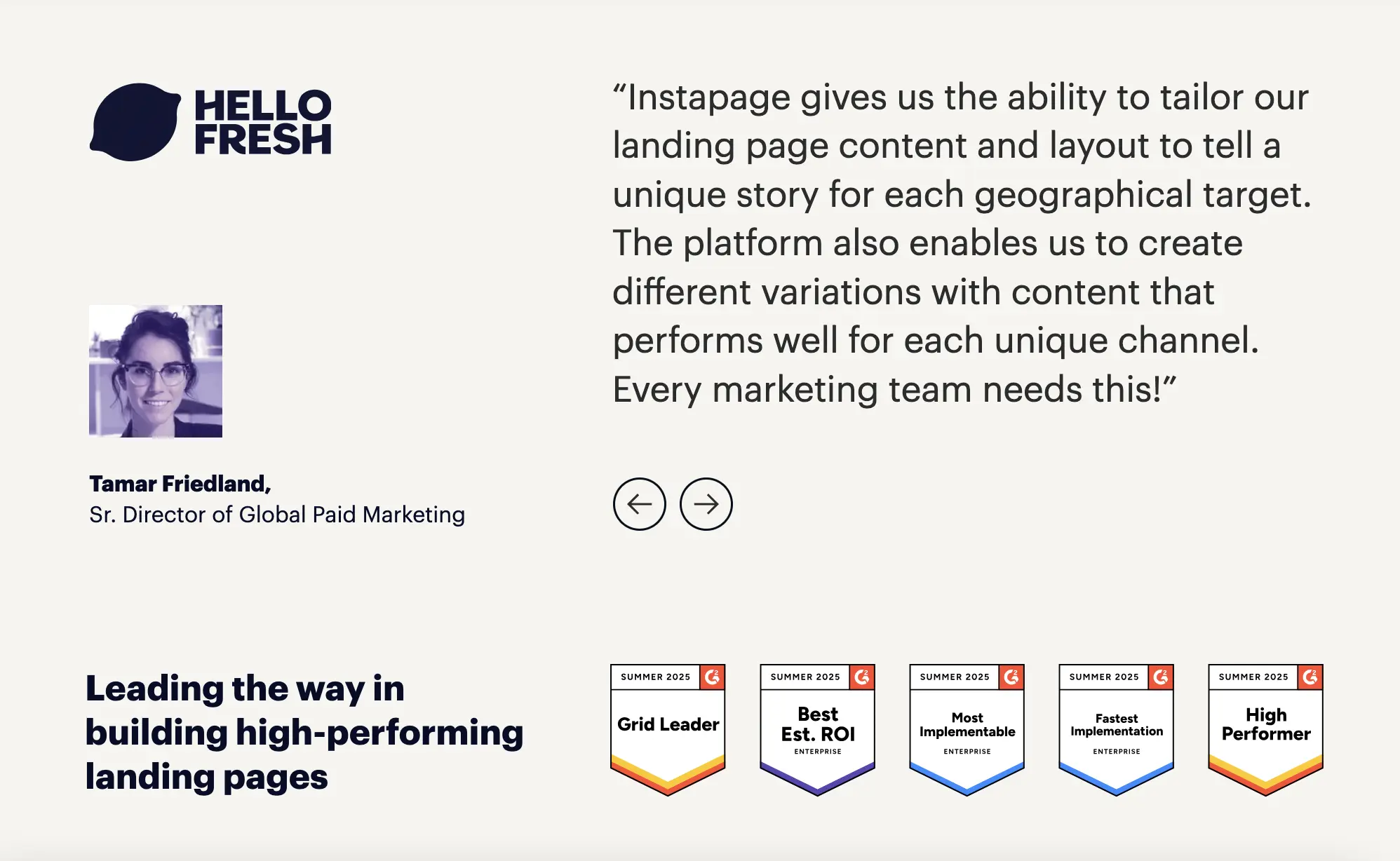
In the mobile-first era, speed is a non-negotiable performance metric. Google’s data indicates that as page load time goes from one second to three seconds, the probability of bounce increases by 32%. Enterprise platforms like Instapage have addressed this by developing specialized rendering engines to ensure pages load near-instantaneously, a critical factor for paid traffic performance.
4. Scannability and Visual Hierarchy:
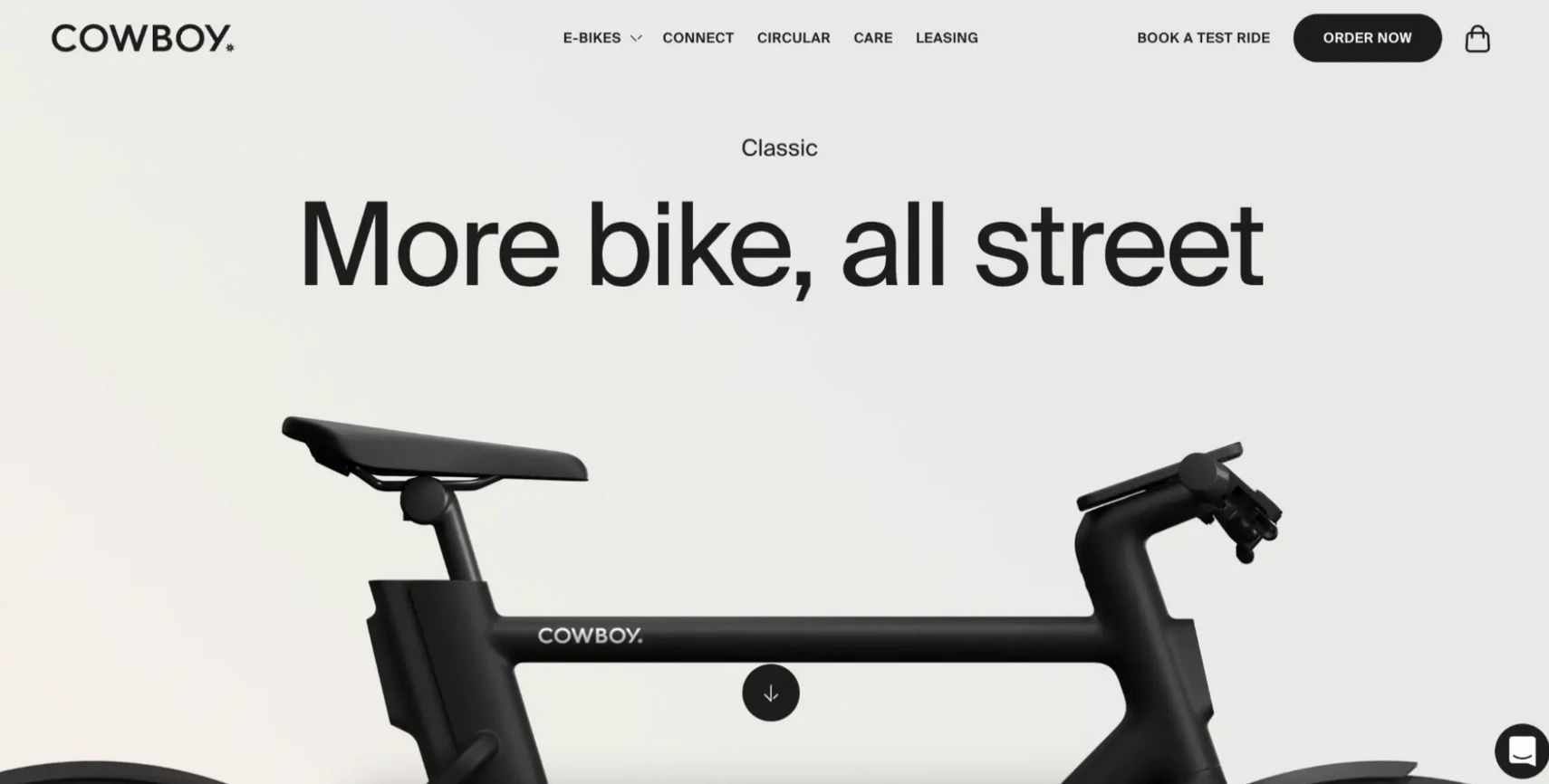
Eye-tracking studies show that users typically scan web pages in "F" or "Z" patterns. A successful product landing page utilizes a clear visual hierarchy—using large headlines, bulleted benefit lists, and contrasting colors for CTA buttons—to guide the eye toward the conversion point.

Sector-Specific Applications: Case Studies in High Performance
The application of these principles varies across industries, as evidenced by leading global brands.
Consumer Packaged Goods (CPG) and Health:
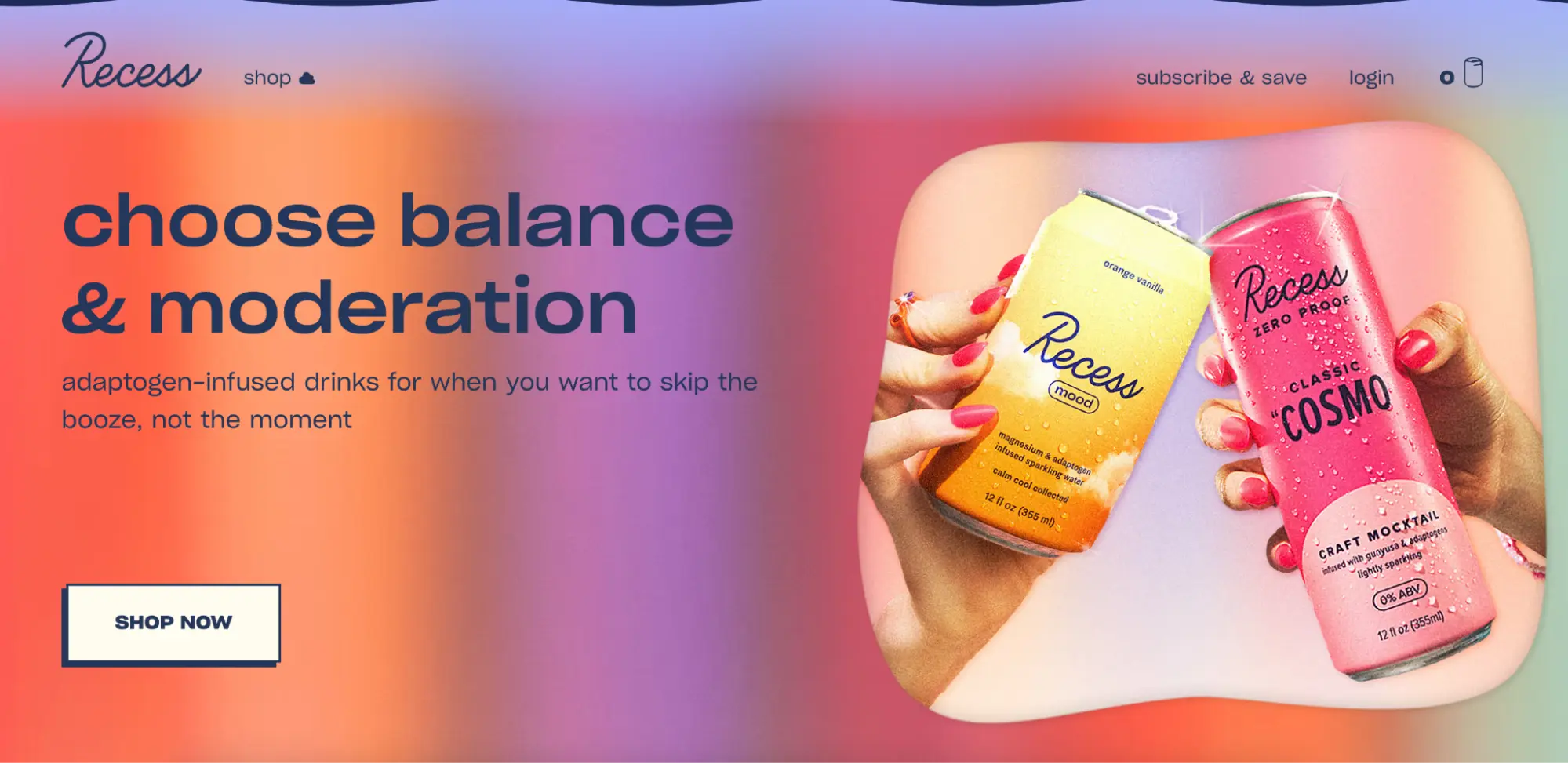
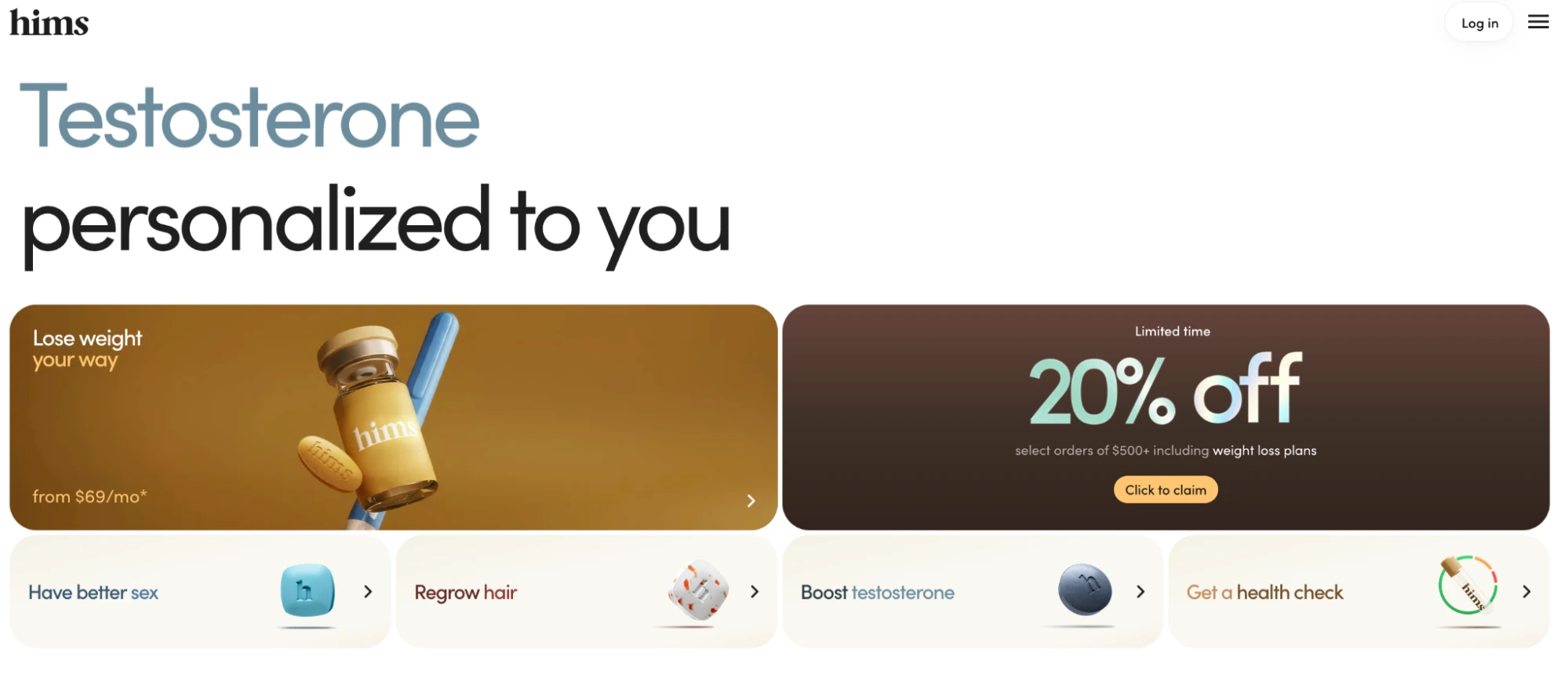
Brands like Recess and Athletic Greens (AG1) utilize landing pages to manage diverse traffic sources. AG1, for instance, creates unique landing pages for specific influencers. A visitor coming from a specific podcast will see the host’s face and a personalized endorsement immediately. This maintains the "scent" of the referral and builds instant trust.

Luxury and Fashion:
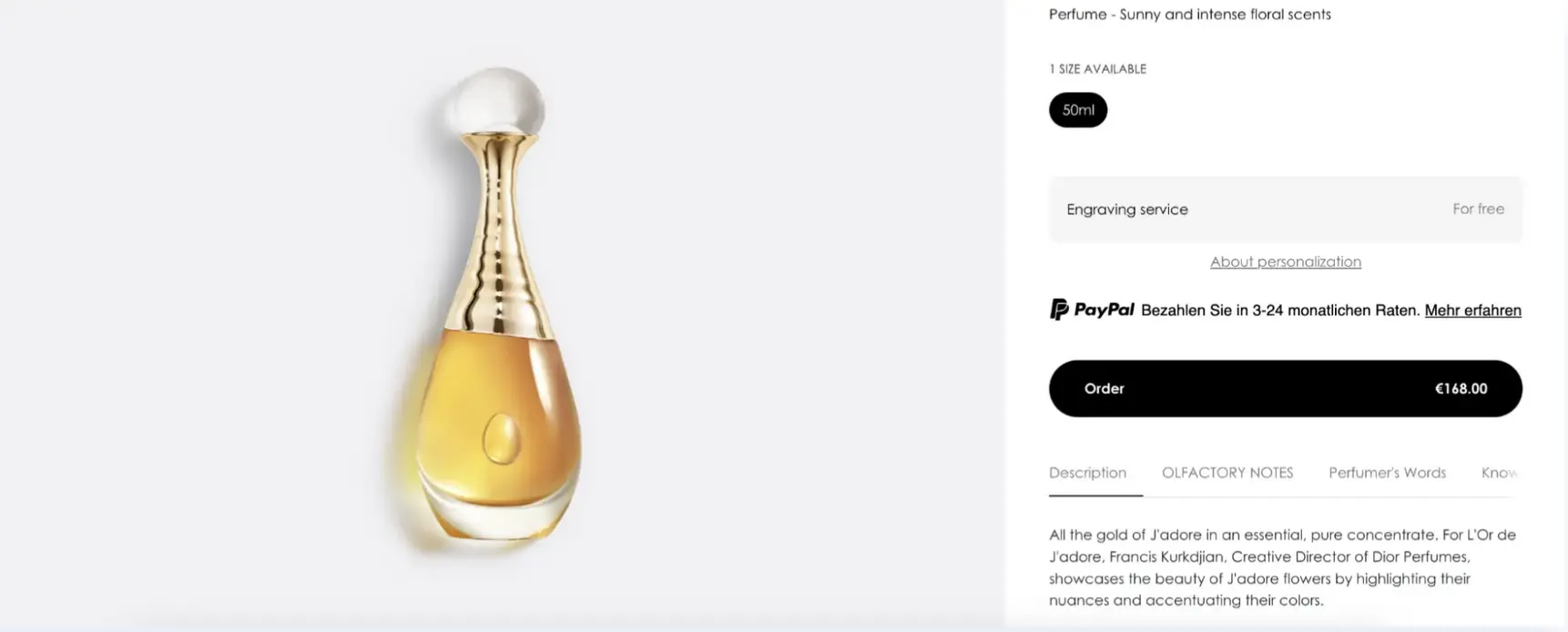
In the luxury sector, such as J’adore by Dior, the focus shifts from functional benefits to emotional resonance. These pages often utilize high-definition cinematic video and minimalist copy. The goal is to justify a premium price point through brand storytelling rather than a list of specifications.

Technology and SaaS:
For complex products like the Oura Ring or Cowboy 4 e-bikes, the landing page must overcome physical distance. Interactive elements, such as 360-degree product views and UI screenshots, help the visitor visualize the experience. For B2B products like Nauto’s AI-powered fleet management, video demonstrations of the technology in action are used to bridge the "understanding gap" for new-category products.

Direct-to-Consumer (DTC) Innovation:
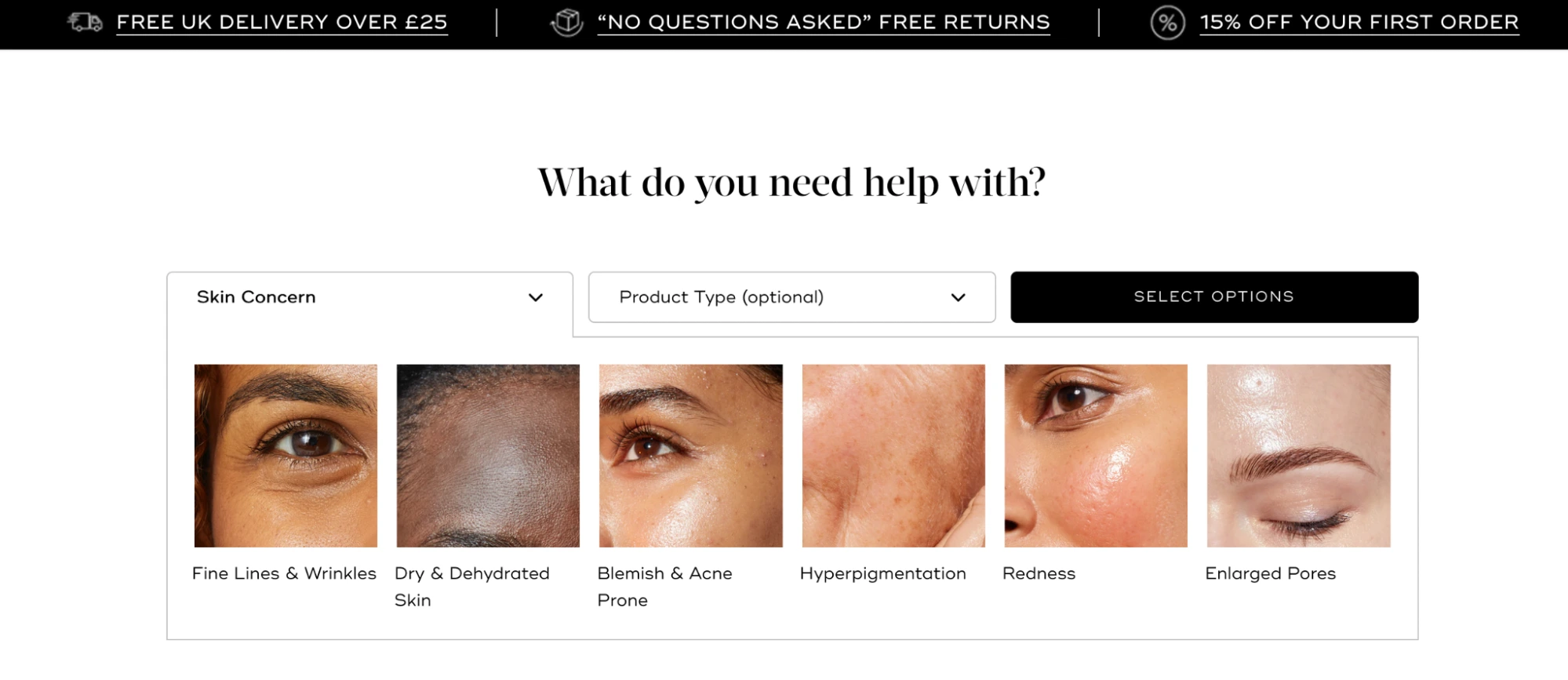
Tierra, a brand producing recycled plastic backpacks, uses its launch landing pages to highlight a single core tension: sustainability versus high design. By focusing on a waitlist CTA with a discount incentive, they convert curiosity into a qualified lead list before the product even ships.
The Strategic Implementation Process
Building an effective product landing page requires a structured approach that bypasses traditional development bottlenecks. The modern workflow typically follows a six-step progression:

- Goal Definition: Identifying the single conversion action (e.g., purchase, demo request, or waitlist sign-up).
- Template Selection: Utilizing conversion-tested layouts that align with the specific industry.
- Structural Assembly: Arranging the hero section, benefit blocks, and social proof in a logical narrative.
- AI-Enhanced Copywriting: Using artificial intelligence to generate and test headline variations that resonate with specific audience segments.
- Collaborative Review: Streamlining the approval process between stakeholders to ensure brand consistency.
- Continuous Optimization: Implementing A/B testing and heatmaps to analyze visitor behavior and refine the page based on real-world data.
Measuring Success: KPIs and Business Impact
A product landing page is a performance asset, and its value must be measured through a specific set of Key Performance Indicators (KPIs). The primary metric is the conversion rate, but sophisticated marketing teams also track:

- Cost Per Conversion: The total ad spend divided by the number of successful actions.
- ROAS (Return on Ad Spend): The revenue generated for every dollar spent on advertising.
- Bounce Rate and Time on Page: Indicators of whether the traffic quality matches the offer.
- Core Web Vitals: Technical scores that impact both user experience and ad platform algorithms.
The financial implications of landing page optimization are profound. For an enterprise spending $100,000 per month on paid traffic with a 2% conversion rate, increasing that rate to 4% through a dedicated landing page effectively doubles the revenue without increasing the ad budget.

Broader Implications for the Future of Digital Commerce
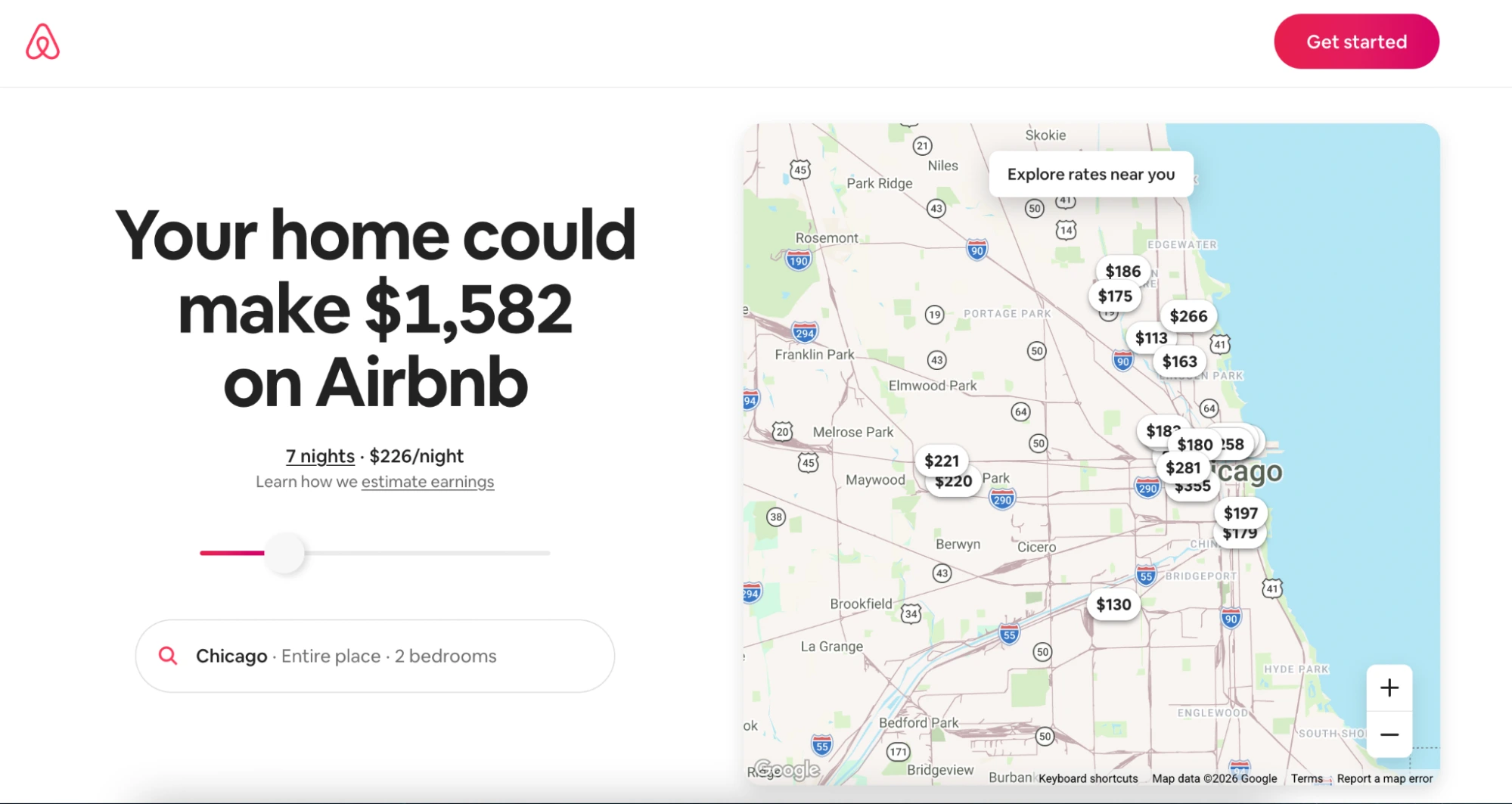
The rise of the product landing page signals a broader move toward hyper-personalization. As consumer expectations for relevance continue to grow, the "one-size-fits-all" website is becoming an outdated concept for performance marketing. The future of digital sales lies in the ability to deliver a unique, distraction-free experience for every segment of an audience.
By decoupling the sales experience from the main site architecture, brands gain the agility to respond to market trends, test new value propositions, and scale their advertising efforts with greater precision. In an era where customer acquisition costs (CAC) are rising across almost every platform, the discipline of using specialized product landing pages is no longer an optional strategy—it is a fundamental requirement for maintaining profitability in the digital age. Through the combination of psychological triggers, technical performance, and rigorous data analysis, these pages represent the most efficient path from a paid click to a loyal customer.