

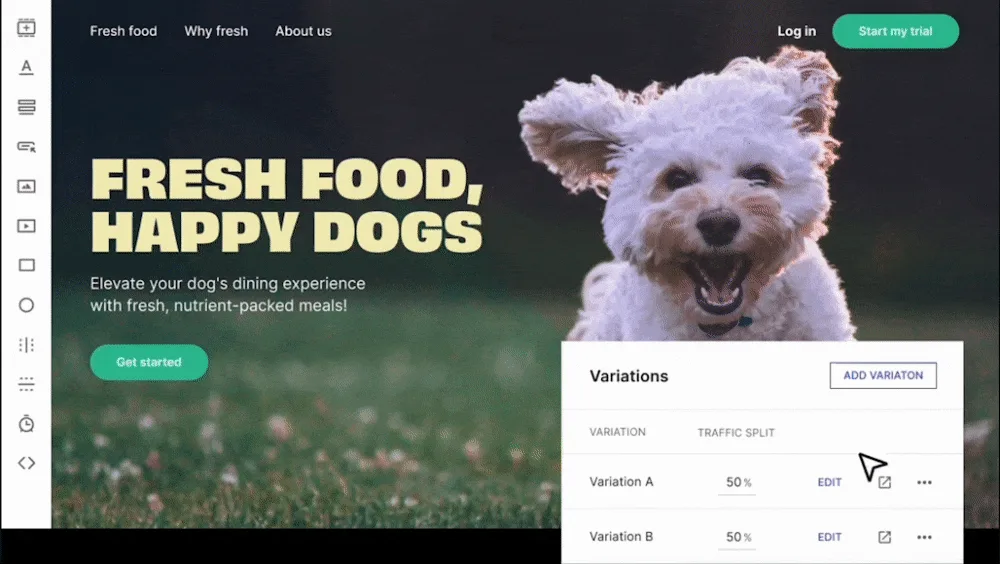
In an increasingly competitive digital landscape where consumer attention spans are measured in seconds, the efficacy of a landing page has become the primary determinant of a marketing campaign’s return on investment. Marketing professionals across the globe are grappling with the complexities of establishing ad-to-page relevance, ensuring offer alignment, and orchestrating page elements to facilitate a seamless conversion path. However, even when best practices are followed, conversion rates frequently fail to meet established benchmarks. Industry data suggests that the average conversion rate across all industries hovers around 2.35%, yet the top 10% of performers see rates three to five times higher. The differentiator between these two cohorts is rarely the initial design, but rather the rigorous application of A/B testing and data-driven optimization.
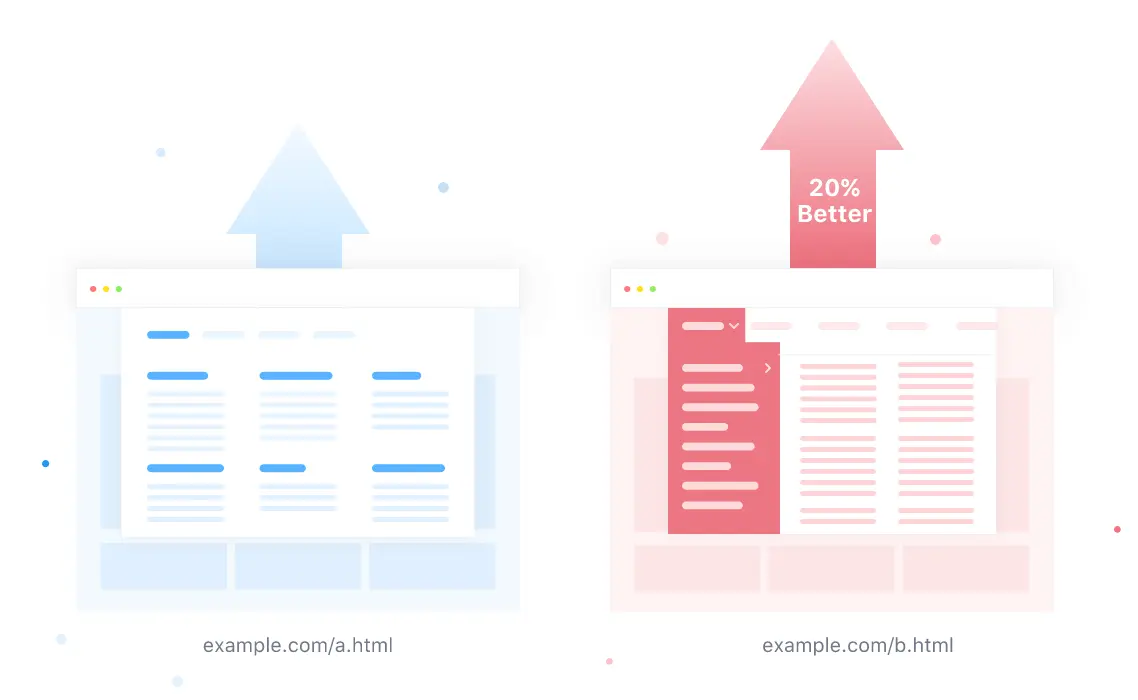
A/B testing, also known as split testing, serves as the scientific method of the marketing world. It allows organizations to move beyond subjective “gut feelings” by comparing two or more versions of a webpage to determine which performs better according to specific metrics. By isolating variables—such as headlines, call-to-action (CTA) buttons, imagery, or form lengths—markers can pinpoint exactly what resonates with their audience. This systematic approach transforms the landing page from a static digital asset into a dynamic, evolving interface that adapts to user behavior.

The Evolution of Conversion Rate Optimization
The history of A/B testing in the digital space is a testament to the maturation of the internet economy. In the early 2000s, testing was a labor-intensive process reserved for large-scale enterprises with massive engineering teams. Google famously tested 41 different shades of blue for its toolbar links in 2009, a move that reportedly increased ad revenue by $200 million. This milestone underscored the massive financial implications of minor design tweaks.
As the 2010s progressed, the “no-code” revolution began to democratize these capabilities. The emergence of specialized platforms allowed marketing teams to deploy experiments without direct intervention from IT departments. Today, the field has entered its third major phase: the AI-integrated era. Modern tools no longer just report on what happened; they use machine learning to predict user behavior and automatically allocate traffic to the most successful variations in real-time.
Evaluating the Modern Testing Arsenal
Choosing the correct platform for A/B testing requires a multifaceted evaluation. Organizations must weigh several criteria: the technical barrier to entry (no-code vs. low-code), the depth of integration with existing marketing stacks, the sophistication of the statistical engine used (Bayesian vs. Frequentist models), and the inclusion of qualitative tools like heatmaps or session recordings.
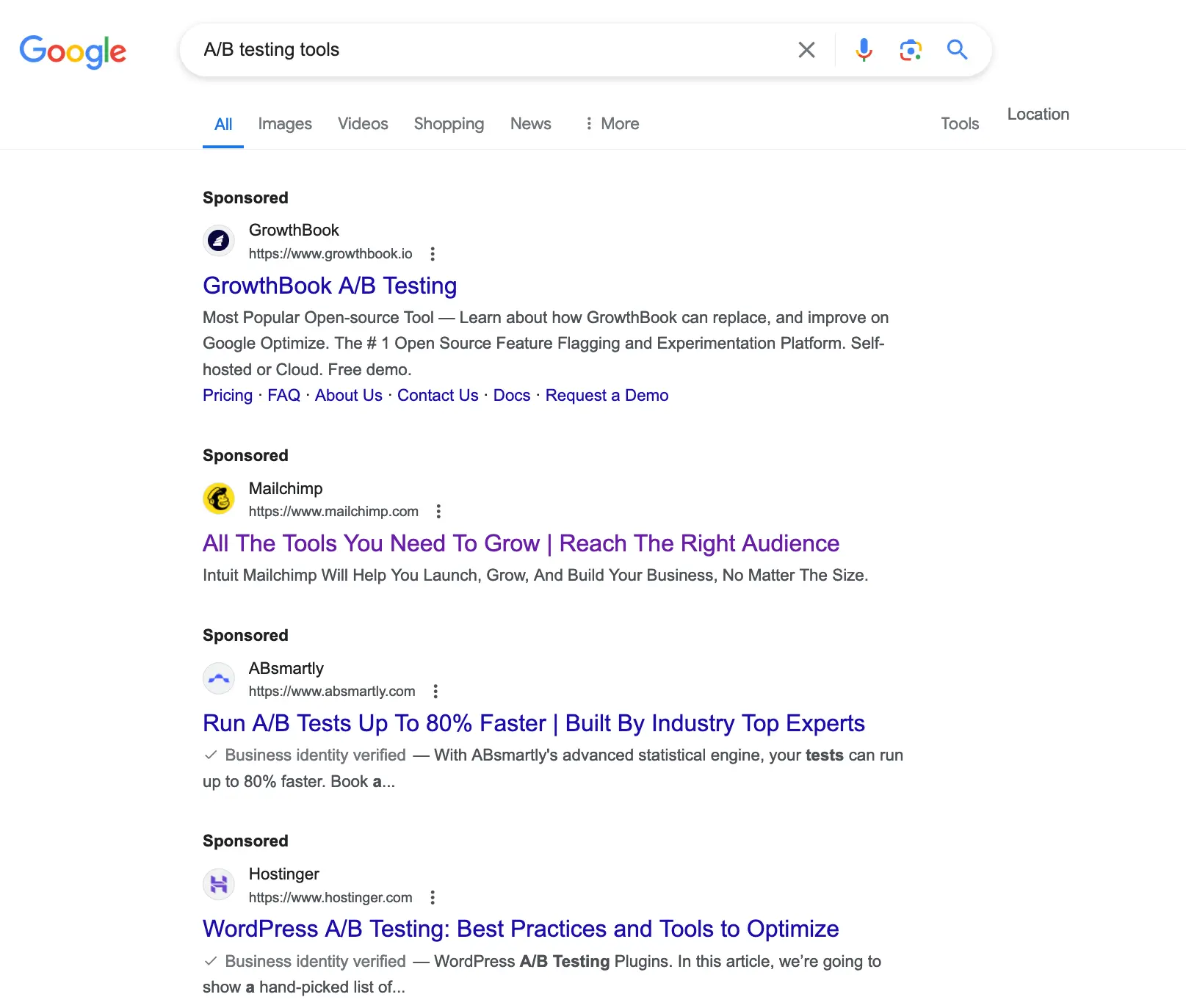
Instapage: Server-Side Precision and AI Experiments
Instapage has positioned itself as a leader in the landing page optimization space by focusing on server-side experimentation. This technical approach is significant because it eliminates the “flicker effect”—a common issue in client-side testing where the original page flashes briefly before the variation loads, which can skew user behavior and negatively impact SEO.
The platform’s “AI Experiments” feature represents a shift from traditional A/B/n testing toward dynamic traffic allocation. While traditional tests split traffic evenly until a winner is declared, AI-driven models monitor performance in real-time. If one variation begins to significantly outperform others, the system automatically redirects a larger share of visitors to the winner. This minimizes the “regret” factor of showing a lower-performing page to potential leads during the testing phase.
Corporate case studies reflect the impact of this technology. Verizon’s Digital Media Services (VDMS) utilized Instapage’s testing suite to validate specific page elements. By observing visitor behavior through integrated heatmaps and experimenting with multiple variations, the team successfully reduced their cost-per-conversion by over 50%. This demonstrates that the primary value of A/B testing is not just higher volume, but greater capital efficiency.
VWO: Funnel-Wide Optimization
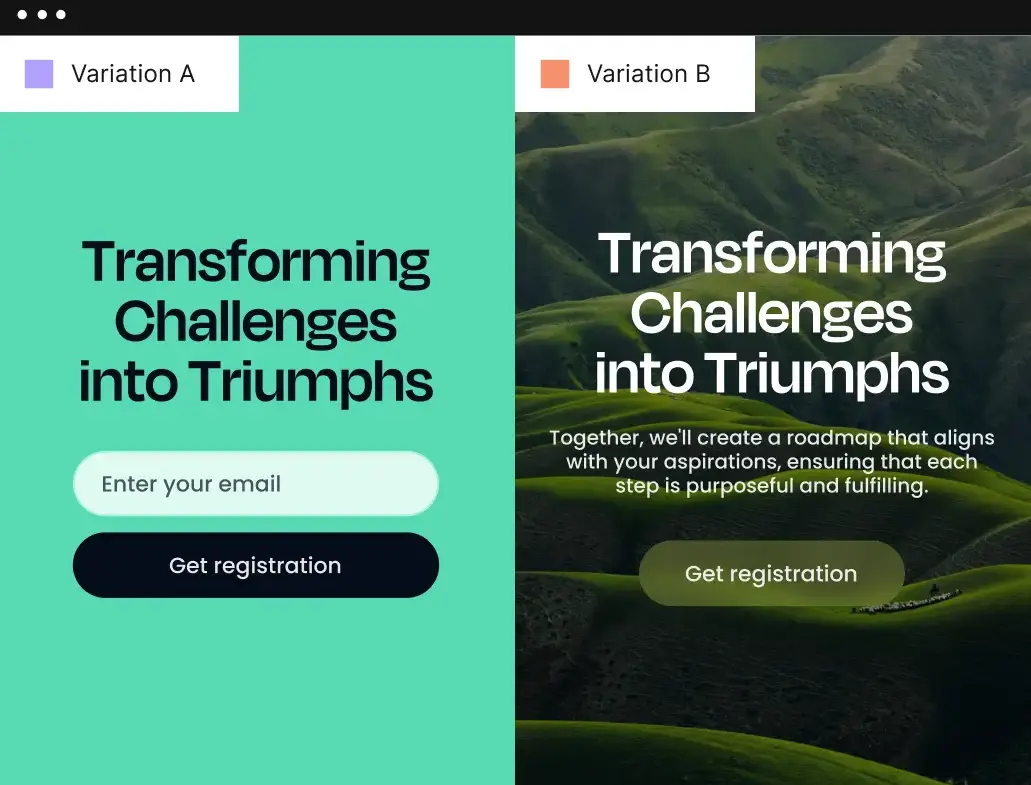
VWO (Visual Website Optimizer) offers a different strategic advantage through its split URL testing capabilities. While some tools focus on minor element changes, VWO is designed for marketers who need to test entirely different page designs or user flows. By hosting variations on distinct URLs, VWO allows for a more holistic comparison of different marketing philosophies.
The platform’s strength lies in its ability to track multiple metrics simultaneously. A marketer might find that Variation A generates more clicks, but Variation B leads to higher quality leads further down the sales funnel. VWO’s analytics dashboard provides the granular data necessary to make these nuanced business decisions, ensuring that a “win” on the landing page doesn’t result in a “loss” for the sales team.
Optimizely: Enterprise-Scale Experimentation
Optimizely remains a staple for enterprise organizations that require a blend of ease-of-use and technical depth. Their visual editor allows general users to target specific page elements and preview changes instantly, while their “low-code” templates satisfy the requirements of developers.
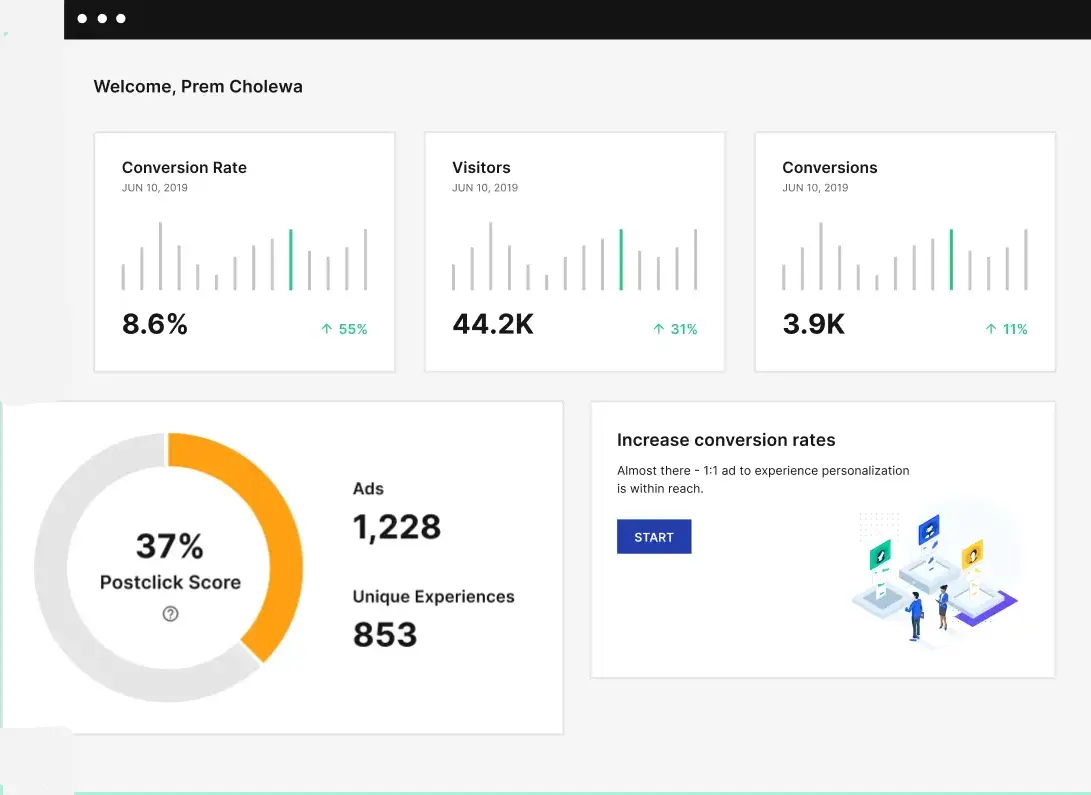
Optimizely has pioneered the use of “experimentation at the edge.” By running tests at the network edge, the platform ensures a swift user experience with minimal latency. For large-scale retailers or SaaS providers, even a 100-millisecond delay in page load time can lead to a measurable drop in conversions. Optimizely’s infrastructure is designed to prevent this performance degradation, making it a preferred choice for high-traffic environments.
GrowthBook: The Open-Source Alternative
In recent years, a segment of the market has moved toward open-source and data-warehouse-centric tools. GrowthBook has emerged as a prominent player in this niche. Unlike traditional SaaS tools that keep data within their own silos, GrowthBook integrates directly with an organization’s SQL data sources, such as BigQuery, Snowflake, or Redshift.
This approach offers two major benefits: data sovereignty and unlimited testing. By linking to the company’s own data warehouse, GrowthBook allows data scientists to run complex analyses that go beyond simple conversion rates. Organizations can maintain full control over their experimentation logic without being locked into a specific vendor’s proprietary ecosystem.
Supporting Data and Market Trends
The drive toward A/B testing is fueled by the rising costs of customer acquisition (CAC). According to industry reports, CAC has increased by nearly 60% over the last five years. As the cost of clicks on platforms like Google Ads and Meta increases, the margin for error on the landing page decreases.
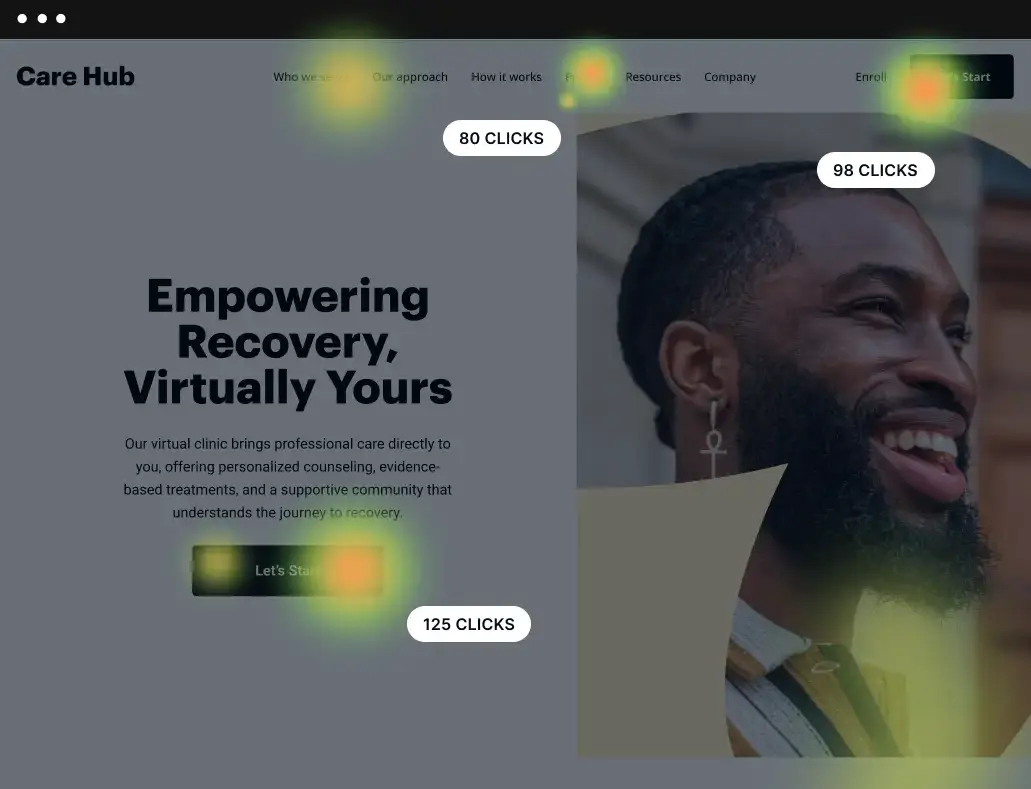
Current market analysis indicates that companies that spend at least 10% of their marketing budget on conversion rate optimization (CRO) are twice as likely to see a significant increase in sales compared to those who do not. Furthermore, the integration of heatmapping technology—which tracks mouse movement, clicks, and scroll depth—has become a standard requirement. Heatmaps provide the “why” behind the “what” of A/B test results, showing where users are getting confused or losing interest.
Broader Implications for the Marketing Industry
The shift toward constant experimentation has profound implications for the structure of marketing teams. The traditional “creative-first” approach is being replaced by a “hybrid” model where data analysts and creative designers work in tight feedback loops. This change is often referred to as the “Growth Hacking” methodology, where the goal is not a single perfect launch, but a continuous cycle of incremental improvements.
Moreover, the rise of AI-generated content is accelerating the speed of testing. Marketers can now use AI to generate dozens of variations of headlines and CTAs in seconds, which are then immediately fed into an A/B testing engine. This synergy between generative AI and experimentation platforms is expected to be the primary driver of marketing efficiency in the coming decade.
Conclusion
The data is clear: in the modern digital economy, a static landing page is a liability. The implementation of A/B testing is no longer an optional “extra” for high-budget campaigns; it is a foundational requirement for any business that values conversion rates and ad spend efficiency. Whether an organization chooses the AI-powered precision of Instapage, the funnel-wide insights of VWO, the enterprise-grade stability of Optimizely, or the data flexibility of GrowthBook, the objective remains the same: to stop guessing and start knowing what converts.
As digital landscapes continue to shift and consumer behaviors evolve, the organizations that thrive will be those that view every landing page as a hypothesis to be tested and every visitor interaction as a data point to be analyzed. The transition from subjective design to objective experimentation is not just a trend—it is the new standard for professional marketing.







