In the dynamic landscape of digital marketing, businesses frequently grapple with the choice between organic and paid social media strategies. While often presented as competing approaches, industry consensus increasingly points to the necessity of a synergistic, hybrid model that leverages the strengths of both. This integrated strategy is not merely a recommendation but a strategic imperative for brands seeking to build lasting relationships, expand reach, and achieve measurable business objectives in an ever-evolving digital ecosystem.
The Evolution of Social Media Marketing: From Community to Commerce

Social media platforms, initially conceived as digital spaces for personal connection and community building, have undergone a profound transformation. Early platforms like MySpace and the nascent Facebook offered relatively unfiltered organic reach, allowing individuals and nascent brands to connect with audiences directly and broadly without significant financial investment. Content shared by a page would typically be seen by a substantial portion of its followers, fostering a sense of direct engagement and community.
However, as these platforms matured and sought monetization, their algorithms shifted dramatically. The introduction of sophisticated advertising models meant that platforms like Facebook, Instagram, and X (formerly Twitter) began to prioritize paid content, gradually reducing the organic reach of brand pages. This algorithmic shift, which became particularly pronounced in the mid-2010s, transformed social media from a predominantly free marketing channel into a complex, pay-to-play environment. For brands, this meant that merely posting engaging content was no longer sufficient to guarantee visibility; strategic investment in advertising became essential to cut through the increasing noise and reach target audiences effectively. This evolution necessitated a deeper understanding of both organic and paid methodologies, and critically, how they could complement each other rather than function in isolation.
Understanding Organic Social Media: The Foundation of Brand Identity

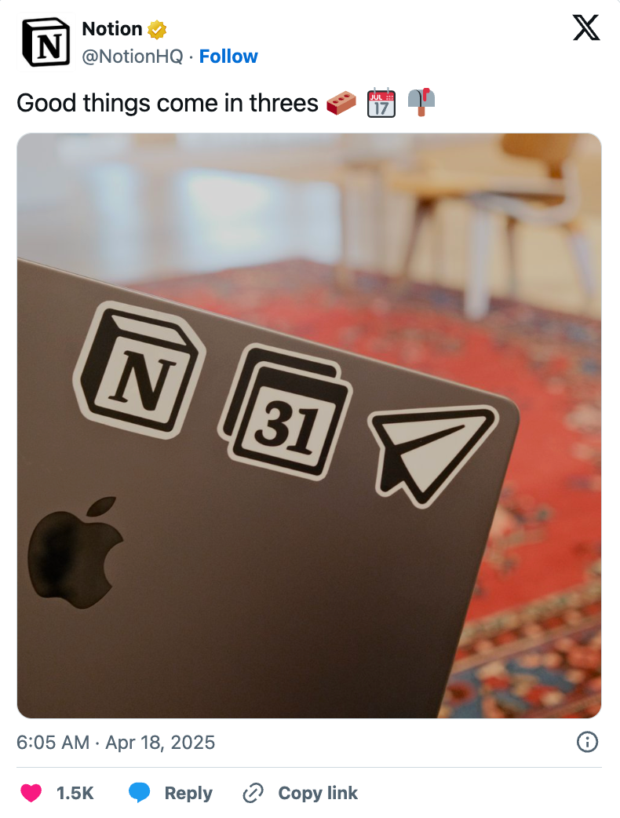
Organic social media refers to any free content a person or brand posts on social platforms to connect with an audience. This encompasses a wide array of formats, including Reels, Stories, TikToks, community replies, LinkedIn updates, and traditional YouTube videos—essentially, any content shared without direct payment for promotion. Its primary purpose is to cultivate authentic relationships, build brand loyalty, and foster a sense of community around a brand’s values and offerings.
Activities associated with organic social media are diverse and integral to brand building. They include consistent content creation (posts, videos, articles), direct interaction with followers through comments and messages, participation in trending conversations, and sharing user-generated content. When organic content is published, it typically reaches existing followers, their immediate networks (through shares and interactions), and, to a lesser extent, new users discovered through hashtags, explore pages, or algorithmic recommendations based on user interest.
The utility of organic social media extends beyond mere visibility. It serves as the bedrock of any comprehensive social media strategy, allowing brands to:

- Build Trust and Authority: Unlike overt advertisements, organic content is perceived as more authentic and less transactional. By consistently delivering valuable, entertaining, or informative content, brands can establish themselves as trusted voices and authorities in their respective niches. As Peter Murphy Lewis, Fractional CMO at Strategic Pete, aptly states, “Organic is where your voice, values, and vibe come through. It’s where your audience says, ‘I like how this brand thinks.’ It creates that layer of trust.” This consistent, non-promotional presence fosters a deep connection, turning passive followers into engaged community members.
- Maintain a Cost-Effective Presence: While not entirely “free” given the time and effort required for content creation, organic social media does not necessitate an advertising budget. This low barrier to entry makes it accessible for startups and small businesses. The long-term payoff, however, compounds significantly. Organic content can drive inbound traffic to websites, improve search engine rankings through social signals, and even act as a customer service channel, reducing operational costs. Brian Futral, Founder and Head of Content at The Marketing Heaven, underscores this, remarking, “Organic social isn’t just cheap, it’s sticky. That’s the long game.”
- Support Community Engagement and Loyalty: Organic channels provide direct avenues for two-way communication. Brands can engage with comments, respond to queries, and solicit feedback, thereby nurturing a loyal audience. Shanté Gorman, Founder at Sugarpunch Marketing, highlights this unique aspect: “I’ve found that nothing beats organic social for building real connections with your audience… These authentic interactions create a community feeling that paid efforts just can’t replicate on their own.” This genuine engagement transforms followers into advocates, capable of driving word-of-mouth marketing.
However, the organic approach is not without its challenges. The primary drawbacks include:
- Slow Growth and Limited Reach: In an era dominated by sophisticated algorithms, organic content often struggles to achieve broad visibility. Most social platforms now prioritize paid content, meaning even highly engaging organic posts may only reach a small fraction of a brand’s existing followers. This necessitates a long-term perspective, as growth is gradual and requires consistent effort over extended periods. Brian Futral articulates this frustration: “Organic growth takes forever to gain momentum… reach crawls at a snail’s pace.”
- High Content Volume Demands: To maintain visibility and engagement in crowded feeds, brands must consistently produce a high volume of fresh, high-quality content. This can be resource-intensive, requiring dedicated creative teams and strategic planning.
- Difficulty in Direct ROI Measurement: While organic efforts contribute significantly to brand equity and customer loyalty, directly attributing sales or leads to specific organic posts can be more challenging than with paid campaigns, which offer precise tracking metrics.
The Power of Paid Social Media: Precision and Acceleration
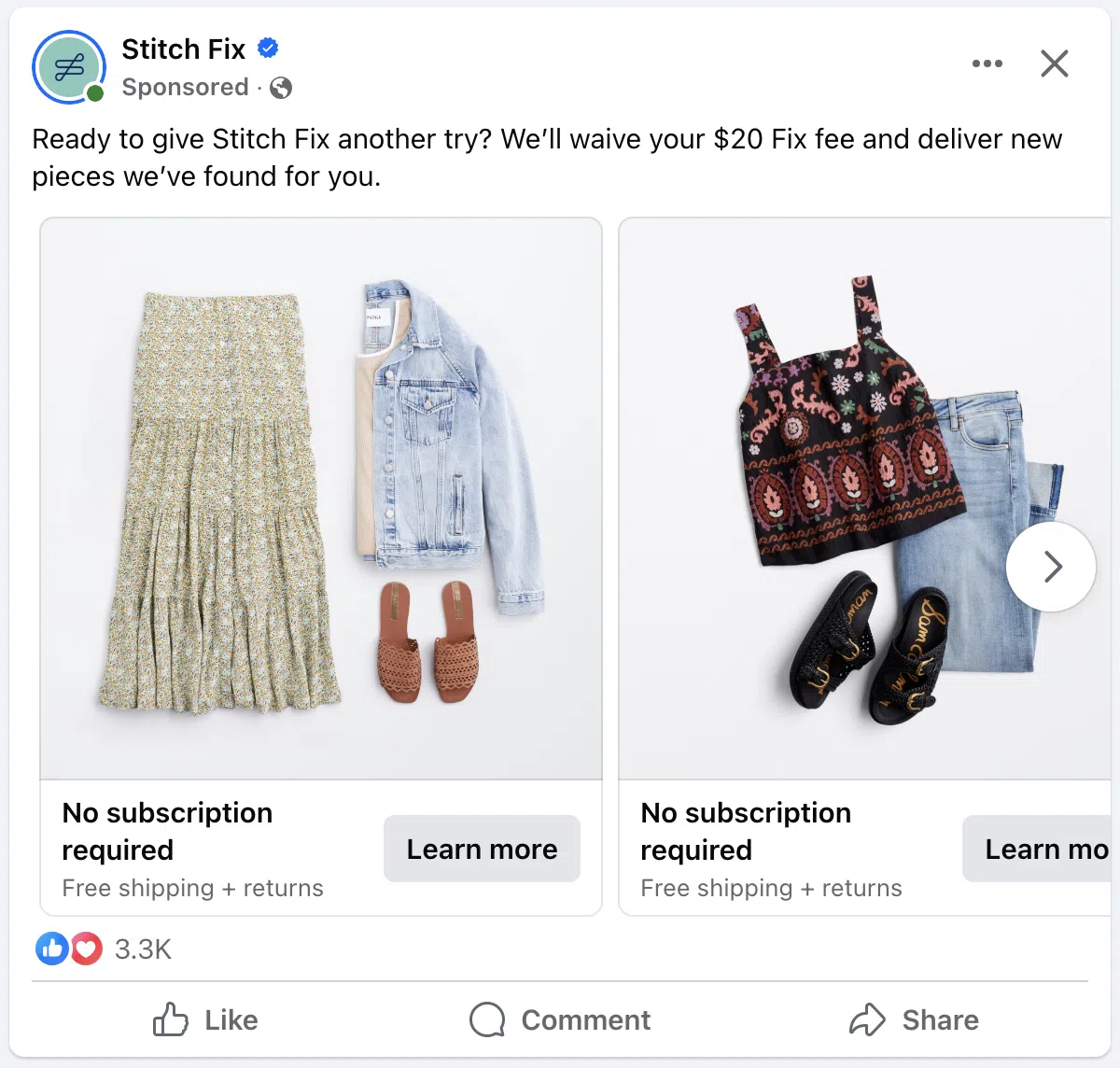
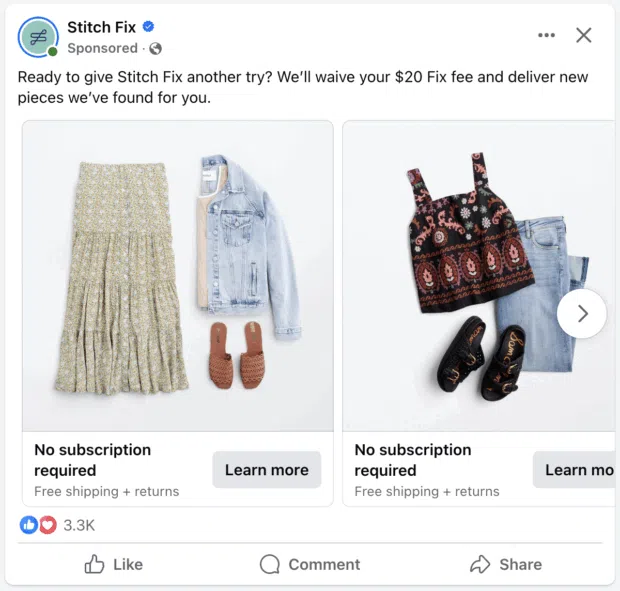
In contrast to organic content, paid social media involves content that a person or brand explicitly pays to promote. This encompasses a wide range of advertising formats, including boosted posts, feed and Stories ads, sponsored content, and paid influencer partnerships. Unlike organic reach, which is subject to algorithmic whims, paid reach is directly purchased, allowing brands granular control over budget, targeting parameters, and ad frequency.
The rapid growth in social media ad spending underscores its critical role in modern marketing. Projections indicate that social media ad spending is expected to grow by 15.6% in 2026, reaching an estimated $124.88 billion globally. This significant investment highlights the indispensable nature of paid social for achieving specific, measurable marketing goals.
Paid social media serves several crucial functions:
- Advanced Ad Targeting: One of the most compelling advantages of paid social is its unparalleled targeting capabilities. Advertisers can segment audiences based on intricate demographic data (age, gender, location), interests (hobbies, preferred brands), behaviors (recent purchases, online activity), and even custom audience lists (email subscribers, website visitors). This precision ensures that ad spend is optimized, reaching those most likely to be interested in a product or service. Shanté Gorman affirms this: “The targeting capabilities of paid social are honestly why we use it so much.”
- Immediate and Scalable Reach: Paid campaigns bypass the limitations of organic algorithms, allowing brands to instantly reach a broad and highly specific audience. This is particularly valuable for product launches, seasonal promotions, or time-sensitive events where rapid exposure is critical.
- Clear and Measurable ROI: Unlike the often-indirect impact of organic efforts, paid advertising campaigns are designed for quick, trackable results. Platforms provide detailed analytics on metrics such as Cost Per Click (CPC), Cost Per Mille (CPM), Click-Through Rate (CTR), Cost Per Acquisition (CPA), Return on Ad Spend (ROAS), and direct conversions. This data empowers marketers to optimize campaigns in real-time, ensuring maximum efficiency and a clear understanding of financial returns.
- Diverse Campaign Objectives: Paid social can be tailored to achieve various business objectives, from increasing brand awareness and driving website traffic to generating leads and directly boosting sales. The flexibility of ad formats and targeting options allows for highly customized campaign strategies.
Despite its powerful advantages, paid social media presents its own set of challenges:
- Potential for High Costs: While highly effective, paid social can become expensive quickly, especially in competitive markets. Effective management requires constant monitoring and strategic budget allocation to prevent overspending and ensure a positive ROI.
- Requires Continuous Optimization: Paid social is not a “set it and forget it” strategy. Campaigns demand ongoing attention, including A/B testing of creatives and copy, adjusting bids, refining target audiences, and refreshing ad content to prevent diminishing returns. This necessitates dedicated expertise and resources, often requiring a specialized team member.
- Ad Fatigue: Users are increasingly exposed to a high volume of advertisements, leading to “ad fatigue”—a phenomenon where audiences become desensitized or even annoyed by repetitive ads. This necessitates constant creative refreshes and strategic ad sequencing to maintain engagement and prevent negative brand perception. Gorman observes, “As soon as people get a whiff that something is an ad, they tune out immediately. The dreaded ‘sponsored’ label can be a kiss of death for engagement.”
- Skepticism and Trust Deficit: The overt commercial nature of paid ads can sometimes elicit skepticism from consumers, who may perceive them as less authentic compared to organic content.
The Hybrid Advantage: Integrating for Maximum Impact
The optimal approach to social media marketing lies not in choosing between organic and paid, but in seamlessly integrating them into a cohesive strategy. Organic efforts lay the groundwork by building trust, brand identity, and a loyal community, while paid campaigns amplify successful organic content, accelerate reach, and drive specific conversions. This symbiotic relationship ensures that a brand’s message resonates authentically while achieving broad market penetration and measurable business outcomes.
Here are four expert-backed strategies for creating a robust hybrid social media approach:

-
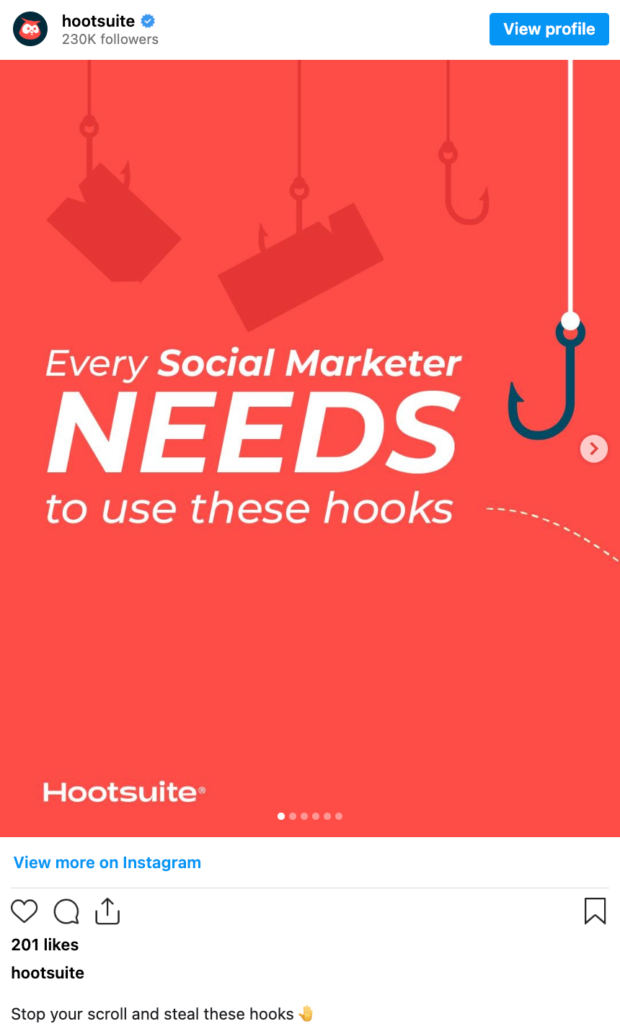
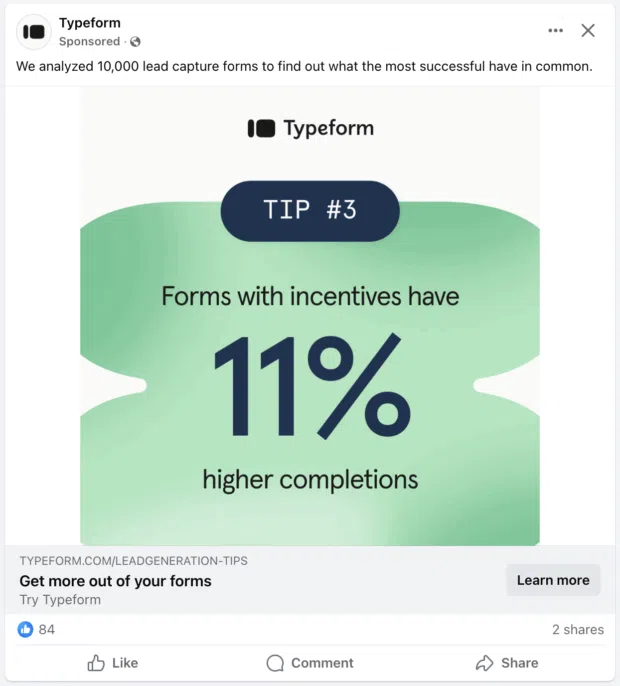
Boost Your Top Organic Posts: One of the most straightforward and effective integration tactics is to allocate ad spend behind organic posts that have already demonstrated strong performance. This low-risk strategy leverages content that has proven to resonate with an audience, thereby increasing its reach and potential impact. Brands should analyze organic analytics beyond simple likes, focusing on metrics such as saves, shares, comments, and profile views to identify truly engaging content. Boosting these posts extends their lifecycle and ensures they reach a wider, yet still relevant, audience. Tools like Hootsuite’s Boost feature allow for automated boosting based on custom triggers, maximizing efficiency.
-
Utilize Organic Insights to Inform Paid Targeting: Organic content acts as a valuable testing ground for messaging, visuals, and audience preferences. By closely monitoring which organic posts, themes, or content formats generate the most engagement, brands can gather crucial insights to refine their paid strategies. Lewis emphasizes this: “We always test content themes on LinkedIn or Instagram Reels first. If a post gets traction organically, it becomes the blueprint for our paid campaigns.” This data-driven approach minimizes speculative spending on paid ads, ensuring investments are made in content that has already shown potential. Kris Flank, CEO of LunarLinks, concurs, stating, “You’ll be investing in content that people have already indicated that they’ll be interested in.”
-
Conduct A/B Testing Across Both Channels: A/B testing is fundamental for optimization. Brands should conduct controlled experiments on both organic and paid content to identify what resonates most effectively with their target audience. For paid campaigns, this involves testing different headlines, ad copy, visual assets, call-to-actions, and audience segments. The benefits are dual: ads become more memorable and often cost less due to higher engagement. For organic content, manual split tests can be performed by varying post elements and tracking results using UTM parameters in links, providing valuable qualitative and quantitative data that can inform subsequent content creation for both channels.
-
Develop a Full-Scale, Integrated Strategy: The most sophisticated approach involves aligning organic and paid social media under a single, overarching marketing strategy. This means establishing a cohesive brand voice and visual identity that permeates all content, regardless of whether it’s organic or paid. Organic content can focus on nurturing leads and building brand affinity at the top and middle of the sales funnel, while paid campaigns can be strategically deployed to drive conversions and sales at the bottom. As Jason Pack, CRO at Freedom Debt Relief, advises, “Paid and organic work best hand-in-hand. You should run ads to drive sales and use organic content to build trust, engagement, and long-term loyalty.” This integrated perspective ensures that every piece of content contributes to a unified customer journey and overarching business goals.
Streamlining Management with Advanced Platforms
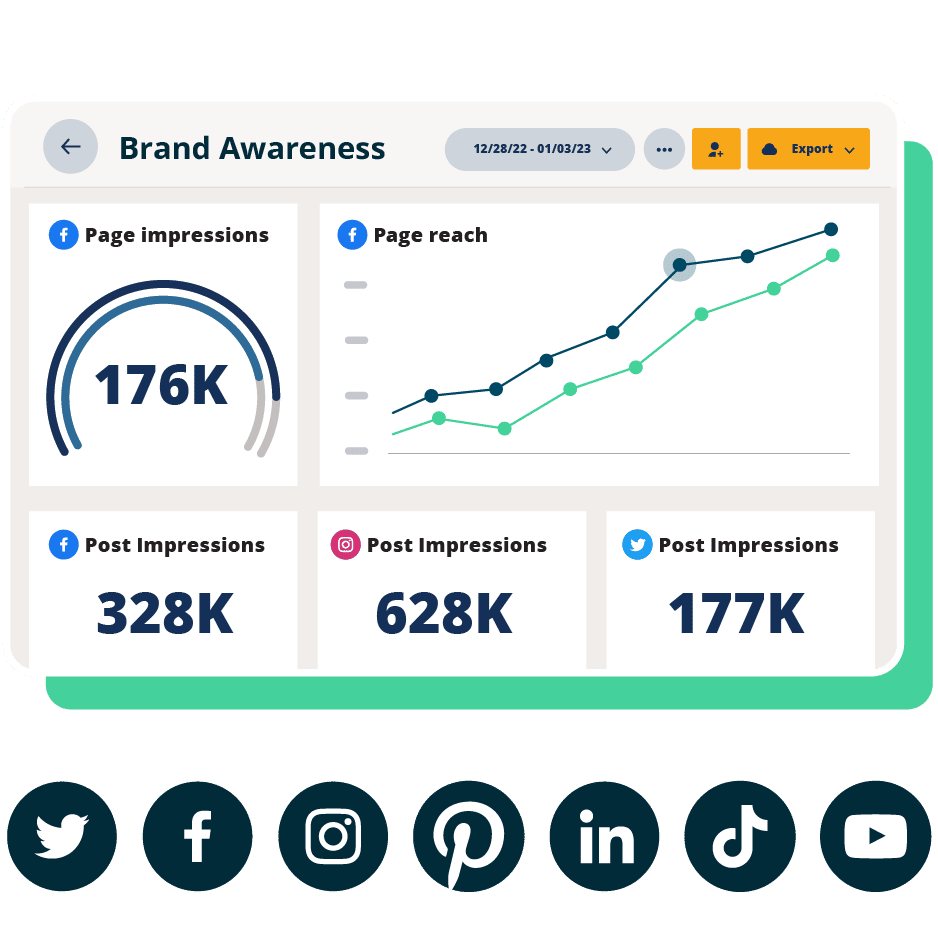
Managing disparate organic and paid social media campaigns across multiple platforms can be complex and time-consuming. This is where comprehensive social media management platforms become invaluable. Tools like Hootsuite offer a unified dashboard that allows marketers to publish, manage, analyze, boost, and report on both organic posts and ad campaigns from a single interface.
Key features that facilitate an integrated strategy include:
- A Single Advertising Dashboard: Eliminating the need to toggle between various native ad managers, a consolidated dashboard streamlines workflow and enhances efficiency.
- Cross-Channel Publishing and Planning: Platforms that allow simultaneous scheduling and publishing of organic and paid content across LinkedIn, Facebook, and Instagram simplify content deployment and ensure consistency.
- Hyper-Targeted Organic Boosting: The ability to apply granular targeting parameters (demographics, location, interests) to boosted organic posts ensures that amplified content reaches the most relevant audiences, optimizing ad spend.
- Side-by-Side Analytics and Reporting: A crucial element for integration is the capacity to review organic and paid performance data side-by-side. This holistic view enables marketers to identify trends, pinpoint effective strategies, and continuously refine both organic content and paid ad creatives based on comprehensive insights. Automated reporting further simplifies the measurement process, allowing teams to focus on strategic execution.
Conclusion: The Future is Integrated
The debate between organic and paid social media is no longer a question of “either/or” but “how to integrate.” The digital marketing landscape demands agility, authenticity, and measurable results. Organic social media remains critical for building the intangible assets of trust, community, and brand loyalty, which are foundational for long-term success. Paid social media, with its precision targeting and scalable reach, provides the necessary acceleration to convert interest into action and drive immediate business objectives.
For enterprises and growing businesses, the highest overall return on investment stems from a well-orchestrated blend of both. By using organic content to test and validate ideas, and then strategically employing paid promotion to amplify what works, brands can navigate the complexities of social media with greater effectiveness and efficiency. The continued evolution of algorithms and user behavior ensures that a flexible, data-driven, and integrated approach will be the hallmark of successful social media marketing strategies for the foreseeable future.


 Suro Senen
 Pevita Pearce