admin
admin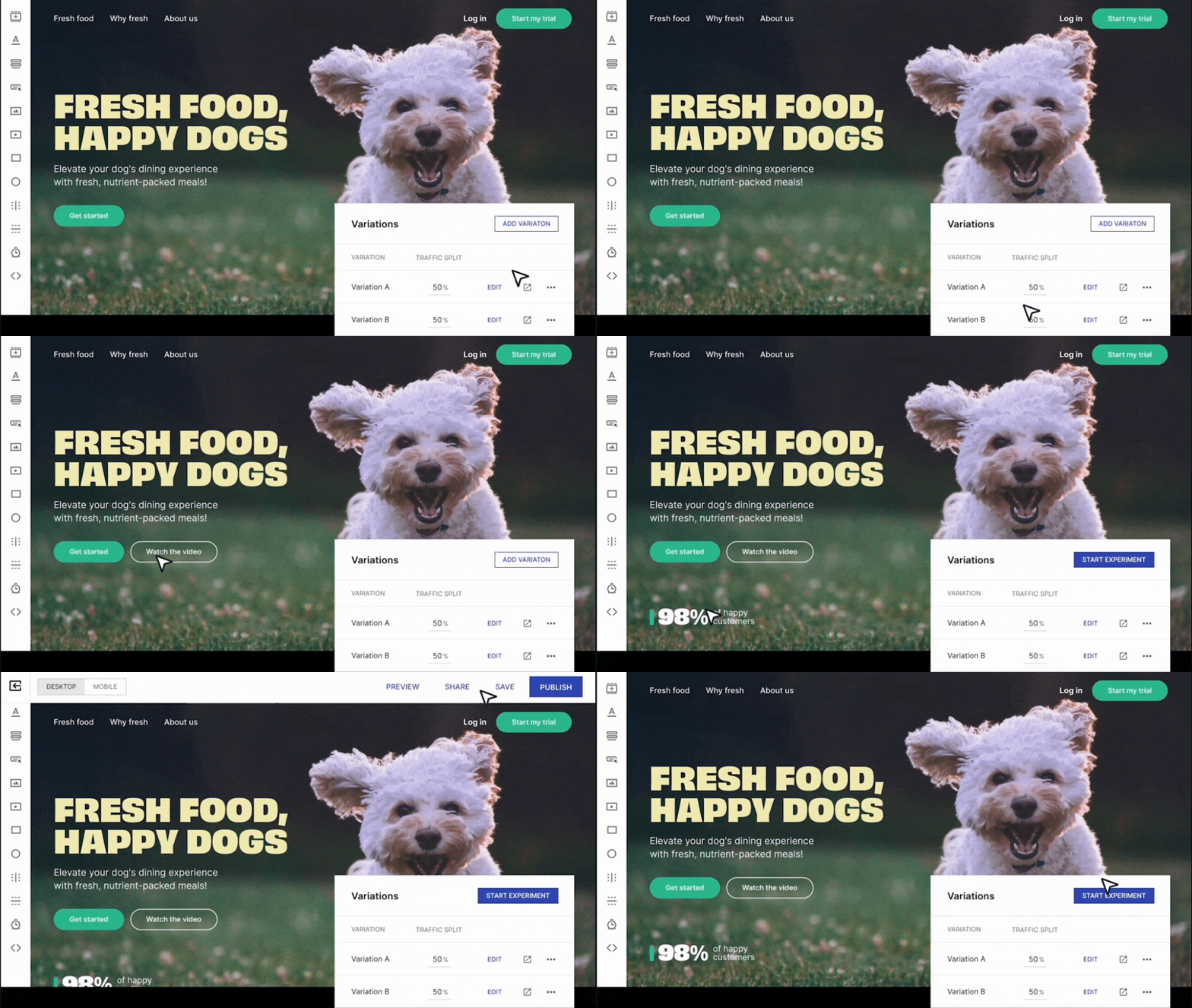
The digital marketing landscape has reached a point of saturation where simply driving traffic to a website no longer guarantees commercial success. As customer acquisition costs continue to climb across major advertising platforms like Google and Meta, the focus for digital strategists has shifted from pure volume to the efficiency of the "landing page"—the critical juncture where a visitor either becomes a lead or exits the sales funnel. Despite the implementation of industry best practices, many organizations find that their conversion rates often fall below established benchmarks, leading to a phenomenon known in the industry as the "leaky bucket" syndrome. Rather than abandoning underperforming campaigns, the modern marketing enterprise relies on A/B testing, a rigorous scientific method of experimentation designed to isolate variables and optimize user behavior.
The Methodology of Digital Experimentation
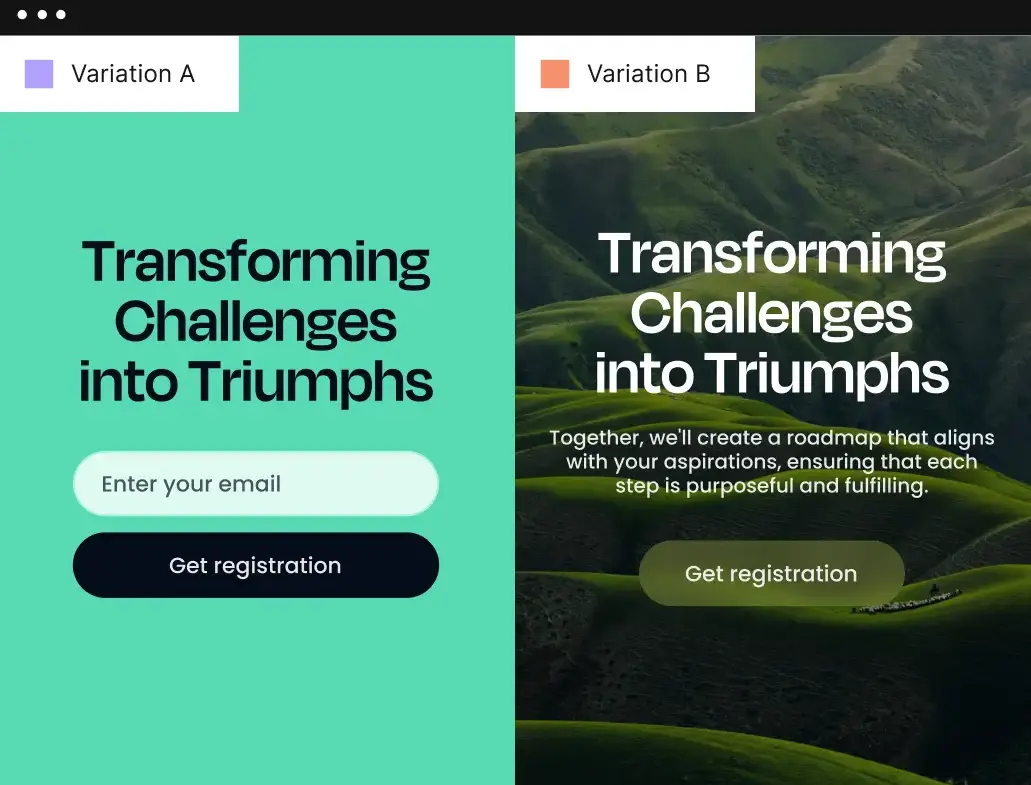
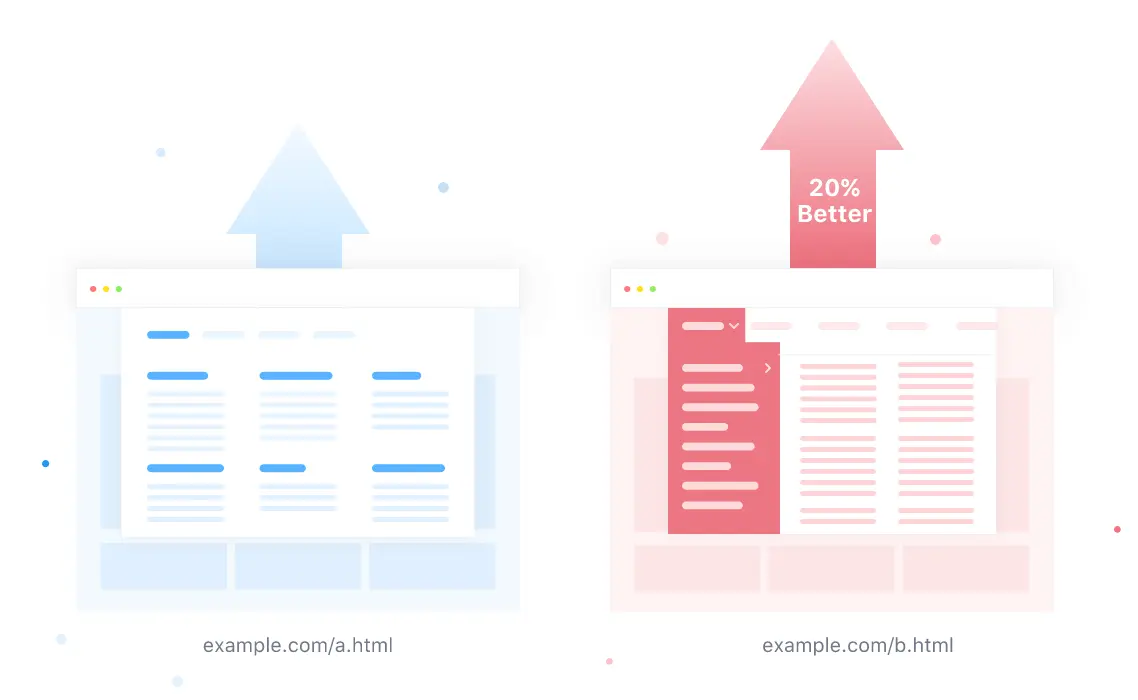
A/B testing, or split testing, is the process of comparing two versions of a webpage or app against each other to determine which one performs better. In a controlled environment, traffic is split between a "control" (the original version) and a "variation" (the modified version). By analyzing user engagement and conversion data, marketers can move beyond subjective intuition and make decisions based on empirical evidence. This methodology addresses the fundamental challenge of ad-to-page relevance, ensuring that the promise made in a digital advertisement is fulfilled by the experience provided on the landing page.

The complexity of modern web architecture means that testing is no longer limited to changing the color of a "Buy Now" button. It involves sophisticated multivariate testing, server-side experimentation, and the integration of artificial intelligence to predict user intent. The objective is to create a seamless path where conversion becomes the natural and frictionless next step for the visitor.
A Chronology of Conversion Optimization Tools
The history of web optimization has evolved from manual code manipulation to the current era of no-code, AI-driven platforms. In the early 2010s, testing was a labor-intensive process requiring significant developer resources. By the mid-2010s, visual editors allowed marketers to make front-end changes without deep technical knowledge. Today, the industry is characterized by "intelligent experimentation," where platforms utilize machine learning to automatically direct traffic to winning variations in real-time.
As the market matured, several key players emerged, each catering to different segments of the marketing ecosystem. Evaluating these tools requires a stringent set of criteria: the ease of deployment, the impact on page load speeds (latency), the depth of analytical insights, and the ability to integrate with existing marketing technology (MarTech) stacks.
Deep Dive: Leading Platforms in the A/B Testing Ecosystem
1. Instapage: Integrating Creation with Optimization
Instapage has positioned itself as a comprehensive solution for high-velocity marketing teams. Unlike tools that function as an "add-on" to an existing site, Instapage combines a no-code landing page builder with built-in server-side experimentation. This integration eliminates the "flicker effect"—a common issue in client-side testing where the original page flashes briefly before the variation loads, which can skew data and hurt user experience.
A notable advancement within the Instapage suite is the introduction of AI Experiments. This feature utilizes dynamic traffic allocation, a method derived from the "multi-armed bandit" problem in probability theory. Unlike traditional A/B tests that split traffic 50/50 until a winner is declared, AI Experiments monitor performance in real-time and gradually shift more visitors to the higher-performing version. This minimizes the "regret" or lost conversions associated with sending traffic to an underperforming variation during the testing period.
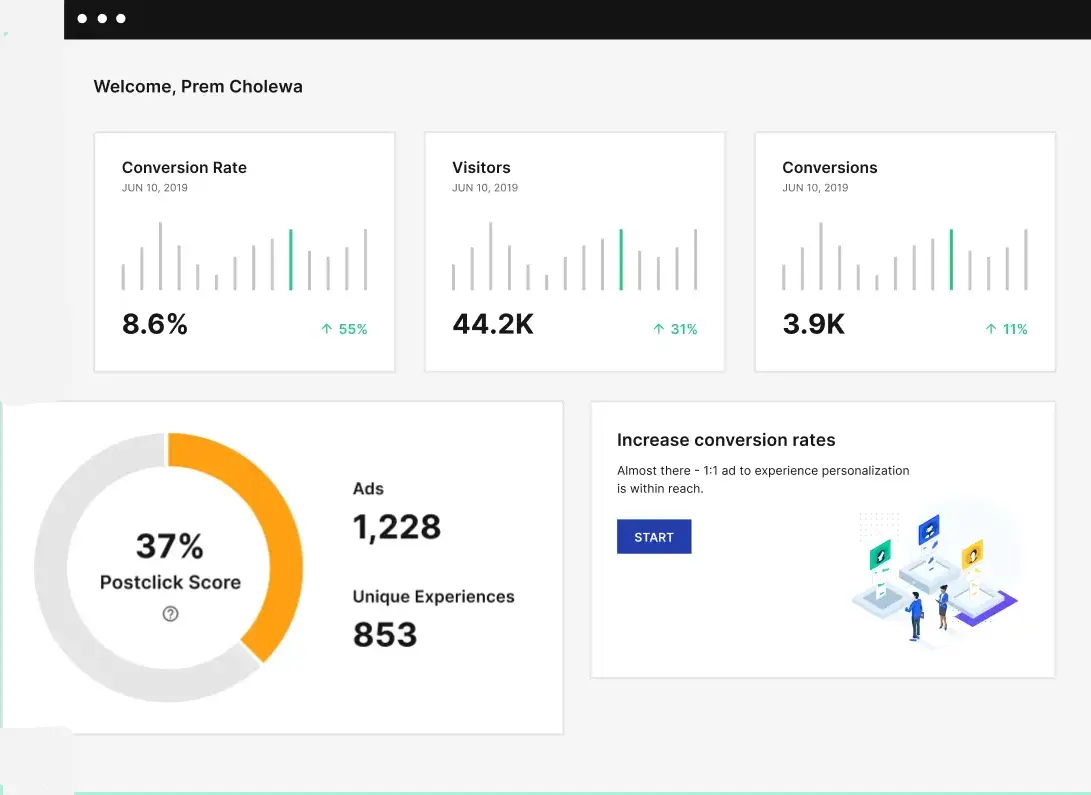
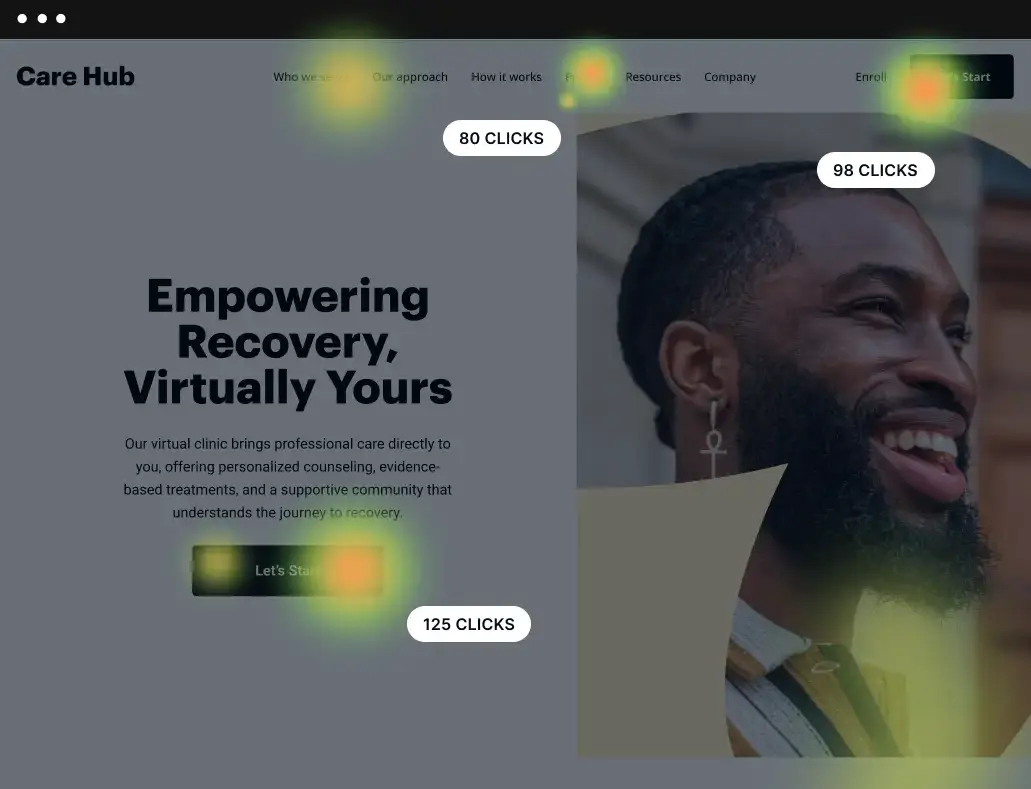
The platform’s efficacy is supported by enterprise-level data. When Verizon’s Digital Media Services (VDMS) implemented Instapage’s testing features, they reported a reduction in cost-per-conversion of over 50%. By utilizing heatmaps to track mouse movement and scroll depth, the team was able to identify high-friction areas on their pages and test targeted interventions.
2. VWO (Visual Website Optimizer): The Enterprise Standard for Split URL Testing
VWO remains a dominant force for organizations that require deep split URL testing. This method is particularly effective for testing major architectural changes where two entirely different designs are hosted on separate URLs. VWO’s Bayesian statistical engine provides marketers with a "probability of being best" metric, offering a more intuitive understanding of results than traditional frequentist p-values.
The platform’s strength lies in its ability to track multiple metrics simultaneously across the entire sales funnel. This ensures that an optimization on a landing page does not negatively impact down-funnel metrics, such as lead quality or lifetime value.
3. Optimizely: Low-Code Experimentation for Technical Teams
Optimizely has evolved into a sophisticated platform aimed at both technical product managers and general marketers. Its Web Experimentation tool focuses on reducing the reliance on developers through extension templates and a robust visual editor. Optimizely’s "Intelligence Cloud" uses AI to suggest copy variations based on historical performance data, accelerating the creative process.
One of Optimizely’s competitive advantages is its focus on the "network edge." By running experiments closer to the user’s geographical location, the platform ensures a swift user experience, which is a critical factor in maintaining high conversion rates and SEO rankings.
4. GrowthBook: The Open-Source Alternative
GrowthBook represents the growing trend toward transparency and data sovereignty. As an open-source platform, it allows companies to run unlimited tests without being locked into a specific vendor’s ecosystem. It integrates directly with major SQL data sources like Snowflake, BigQuery, and Redshift, allowing data scientists to analyze experiment results using their organization’s internal data models. This "warehouse-native" approach is increasingly popular among tech-heavy startups that prioritize data integrity and privacy.
Supporting Data: The Economic Impact of Optimization
Industry data suggests that the average conversion rate across all industries hovers between 2% and 5%. However, companies that reach the top 10% of performers see conversion rates of 11% or higher. The disparity between average and elite performance is almost exclusively attributed to the frequency of experimentation.
According to a 2023 industry report on digital experimentation, organizations that run at least 20 tests per month see a 15% higher average conversion rate than those that test sporadically. Furthermore, the global A/B testing software market is projected to grow at a CAGR of over 12% through 2030, driven by the increasing complexity of customer journeys and the necessity of data-driven decision-making.
Analysis of Implications: Privacy and the "Cookieless" Future
The field of A/B testing is currently facing a transformative shift due to increasing privacy regulations (such as GDPR and CCPA) and the phasing out of third-party cookies by major browsers. Traditional testing methods that rely on tracking users across sessions are being replaced by more privacy-compliant, first-party data strategies.
Platforms that offer server-side testing, such as Instapage and Optimizely, are better positioned for this new environment. By handling the experimentation logic on the server rather than in the user’s browser, these tools can maintain accuracy and performance without relying on intrusive tracking scripts. This shift not only ensures regulatory compliance but also improves page performance, which is a primary driver of mobile conversion rates.
The Strategic Imperative
The transition from a "design-first" to an "experimentation-first" mindset is no longer optional for businesses operating in the digital space. The tools highlighted—Instapage, VWO, Optimizely, and GrowthBook—offer various paths toward this goal, depending on an organization’s technical maturity and specific needs.
For most marketing teams, the objective is to find a platform that bridges the gap between creative execution and analytical rigor. The ability to build, test, and analyze within a single ecosystem reduces operational friction and allows for a more agile response to changing market conditions. As AI continues to integrate into these platforms, the barrier to entry for sophisticated experimentation will continue to lower, making high-level optimization an accessible standard for businesses of all sizes.
In conclusion, the data is clear: the most successful digital entities are those that treat their landing pages not as static assets, but as evolving hypotheses. Through continuous A/B testing and the utilization of advanced analytics, companies can ensure that every marketing dollar spent is maximized for conversion, ultimately securing a competitive advantage in an increasingly crowded digital marketplace.