

A value proposition is a concise statement that defines the value a product or service delivers to a specific customer segment, serving as the foundational pillar of modern brand strategy and market positioning. In an era defined by information saturation and hyper-competition, the ability of a business to articulate why a target customer should choose their offering over a multitude of alternatives has become the primary determinant of commercial success. This strategic tool names the specific deliverables, identifies the intended audience, and highlights the unique advantages that differentiate the solution from the broader competitive landscape. As global markets transition toward increasingly customer-centric models, the development of a robust value proposition has moved from a marketing afterthought to a core operational requirement for B2B and B2C enterprises alike.
The Definitive Framework of Value Propositions
At its core, a value proposition is a functional promise of value to be delivered, communicated, and acknowledged. It provides a clear answer to the fundamental question: "Why should I buy from you?" According to industry benchmarks, a high-performing value proposition addresses three critical dimensions. First, it defines the relevancy by explaining how the product solves customers’ problems or improves their situation. Second, it quantifies the value by delivering specific, measurable benefits. Third, it establishes differentiation by telling the ideal customer why they should buy from this specific brand and not the competition.
The concept is often confused with other branding elements, yet it occupies a distinct niche in the corporate hierarchy. Unlike a unique selling proposition (USP), which focuses almost exclusively on the "one thing" that makes a product different, the value proposition focuses on the holistic value the customer receives, encompassing both benefits and the alleviation of pain points. While a mission statement is aspirational and internal—focusing on the company’s "why"—the value proposition is external and practical, focusing on the customer’s "why." Furthermore, taglines and slogans serve as mnemonic devices for brand recognition, whereas the value proposition serves as the rational and emotional argument for a transaction.
![Value Proposition: What It Is and How to Write One [+ Examples]](https://ceblog.s3.amazonaws.com/wp-content/uploads/2026/07/15113335/The-Value-Proposition-Canvas.png)
The Value Proposition Canvas: A Chronological Approach to Strategy
The modern understanding of value-based marketing has been significantly influenced by the development of the Value Proposition Canvas, a strategic management tool originally proposed by Dr. Alexander Osterwalder. This framework bifurcates the strategic process into two primary segments: the Customer Profile and the Value Map.
Historically, businesses operated on a "product-out" model, where features were developed in a vacuum and then marketed to the masses. The shift toward the "market-in" approach, popularized in the late 20th and early 21st centuries, necessitated a more granular look at the customer. The Customer Profile aspect of the canvas requires organizations to map "Customer Jobs"—the tasks they are trying to perform—alongside their "Pains" (negative outcomes and risks) and "Gains" (positive outcomes and benefits).
Correspondingly, the Value Map requires the business to list its products and services, identifying how these offerings act as "Pain Relievers" and "Gain Creators." The objective is to achieve "Fit," a state where the features of the product perfectly align with the most significant requirements and desires of the customer segment. Data from startup incubators suggests that a lack of "Product-Market Fit"—often stemming from a misaligned value proposition—is the leading cause of failure for approximately 42% of new ventures.
A Six-Step Methodology for Strategic Development
The creation of a compelling value proposition is an iterative process that requires rigorous research and testing. Economic analysts and marketing strategists generally advocate for a six-step methodology to ensure maximum market resonance.
![Value Proposition: What It Is and How to Write One [+ Examples]](https://ceblog.s3.amazonaws.com/wp-content/uploads/2026/07/15113247/Value-Proposition-Wise.png)
1. Granular Definition of the Target Audience
The process begins with an exhaustive definition of the target customer and their current competitive environment. Rather than utilizing broad demographic data, successful firms define customers by their roles, company sizes, and specific situational challenges. For instance, a software firm might target "Revenue Operations teams at mid-market B2B SaaS companies struggling with pipeline forecasting accuracy" rather than "sales managers." This stage also involves a "competitive audit," identifying not just direct competitors but also manual workarounds and "do-nothing" statuses that currently occupy the customer’s time.
2. Identifying Jobs, Pains, and Gains
Businesses must move beyond internal assumptions and utilize "voice of the customer" (VoC) data. This involves analyzing support tickets, conducting interviews, and reviewing public feedback on platforms like G2, Capterra, or Trustpilot. The goal is to capture the exact language customers use to describe their frustrations. Research indicates that value propositions using the customer’s own vernacular see a 25-30% higher engagement rate than those using corporate jargon.
3. The "So What?" Test for Feature Mapping
Every technical feature must be translated into a tangible benefit. By repeatedly asking "so what?" after listing a feature, a company can uncover the ultimate emotional or financial outcome. For example, a "cloud-based backup" (feature) means "data is always accessible" (benefit), which ultimately means "the business avoids catastrophic downtime and lost revenue" (value).
4. Establishing a Differentiation Angle
In a crowded market, parity is the enemy of profit. Differentiation can be found through various levers, including pricing models (freemium vs. premium), service levels (24/7 human support), specific niche expertise, or ethical business practices (sustainability and transparency).
![Value Proposition: What It Is and How to Write One [+ Examples]](https://ceblog.s3.amazonaws.com/wp-content/uploads/2026/07/15113317/Value-Proposition-Shoes.png)
5. Multi-Version Drafting
Utilizing established formulas—such as the Geoff Moore template or the Steve Blank formula—teams should draft multiple versions. These formulas typically follow a structure: "For [target customer] who [statement of need], our [product/brand] is [product category] that [statement of benefit]."
6. Empirical Testing and Validation
The final stage is validation. High-growth companies rarely rely on intuition; instead, they utilize A/B testing on landing pages, pay-per-click (PPC) ad performance metrics, and heatmapping tools to see which messaging actually drives user behavior.
Case Studies in Market-Leading Value Propositions
Analyzing successful global brands provides insight into the practical application of these theories.
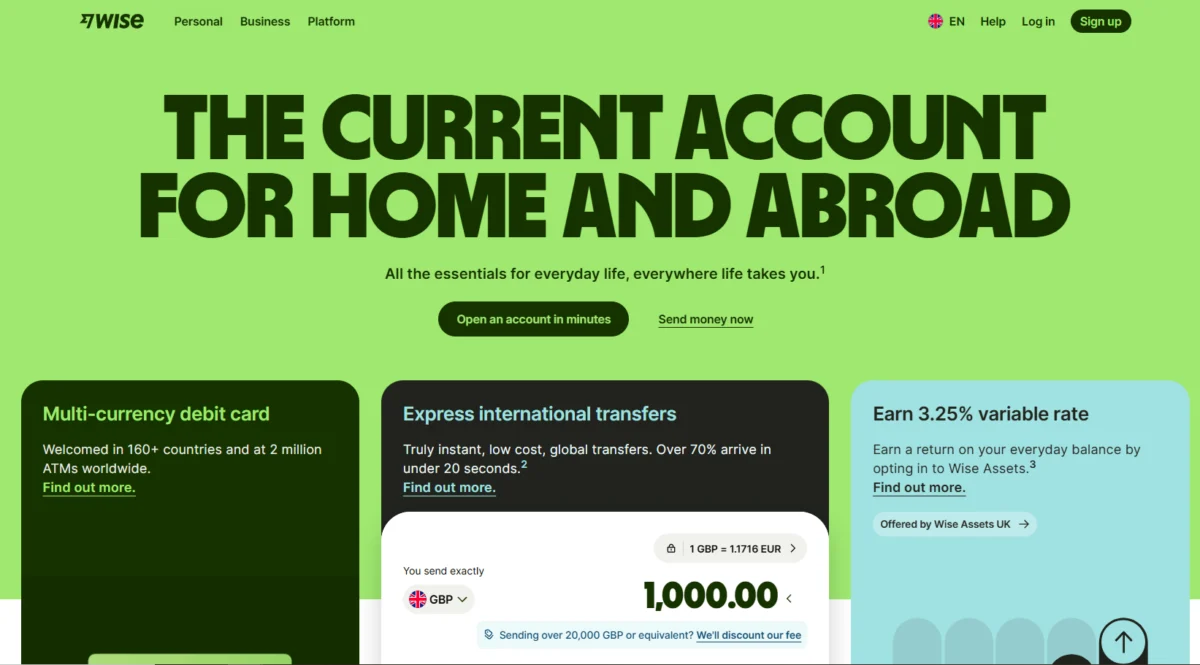
Wise (formerly TransferWise):
Wise disrupted the traditional banking sector by addressing a specific pain point: the high cost and opacity of international money transfers. Their value proposition—"The current account for home and abroad"—combined with the promise of transfers that are "up to 75% less than banks charge," directly addresses the "pains" of high fees and the "gains" of speed and transparency.
![Value Proposition: What It Is and How to Write One [+ Examples]](https://ceblog.s3.amazonaws.com/wp-content/uploads/2026/07/15113441/Value-Proposition-QuickFile.png)
DuckDuckGo:
In an era of increasing concern over digital surveillance, DuckDuckGo’s value proposition is centered entirely on privacy. By stating, "Switch to DuckDuckGo. It’s private and free!", the company differentiates itself from the dominant player, Google, by highlighting what the competitor does poorly: protecting user data.
Zapier:
Zapier’s value proposition, "Your Tools. Your rules. Any AI," speaks to the modern professional’s need for interoperability. It addresses the "job" of automation without requiring the "pain" of coding knowledge, positioning itself as a universal bridge between over 6,000 different applications.
The Digital Implementation: From Theory to User Interface
A value proposition is only effective if it is communicated clearly across digital touchpoints. Current web design trends suggest that the value proposition should not be a static block of text but should be distributed across the "above-the-fold" area of a website. This includes a clear headline (the end benefit), a sub-headline (a specific explanation of what is offered and for whom), and visual reinforcement (images or videos showing the product in action).
Modern analytical tools, such as heatmaps and session recordings, have revealed that users typically spend less than 15 seconds deciding whether to stay on a page. Therefore, the value proposition must be scannable and immediately comprehensible. If a visitor cannot identify what a company does and why it matters within the first few seconds, the bounce rate typically increases by over 50%.
![Value Proposition: What It Is and How to Write One [+ Examples]](https://ceblog.s3.amazonaws.com/wp-content/uploads/2026/07/15113512/Value-Proposition-Gusto.png)
Broader Impacts: The Employee Value Proposition (EVP)
The utility of the value proposition extends beyond customer acquisition into the realm of human resources. The Employee Value Proposition (EVP) has emerged as a critical tool in the "war for talent." Much like the customer-facing version, the EVP outlines the unique set of benefits—including compensation, culture, and career growth—that an employee receives in return for their skills and performance. In the post-pandemic labor market, companies with a clear, authentic EVP report a 69% reduction in turnover and a significant increase in the quality of new hires.
Conclusion and Strategic Outlook
As market conditions evolve, the value proposition must remain a living document. Economic shifts, technological advancements (such as the integration of AI), and changing social values can all render a once-powerful value proposition obsolete. Industry experts recommend a formal review of the value proposition at least once a year or whenever a significant new competitor enters the space.
Ultimately, the strength of a business lies in its clarity. By answering the four fundamental questions—who it’s for, what’s in their way, what they hope to gain, and why this option wins—organizations can build a sustainable competitive advantage. In a global economy where consumers have more choices than ever before, the most successful companies will be those that can most effectively articulate their value in a language that resonates with the human needs of their audience. Through rigorous testing and a commitment to customer-centricity, the value proposition remains the most potent tool in the modern strategic arsenal.







