admin
admin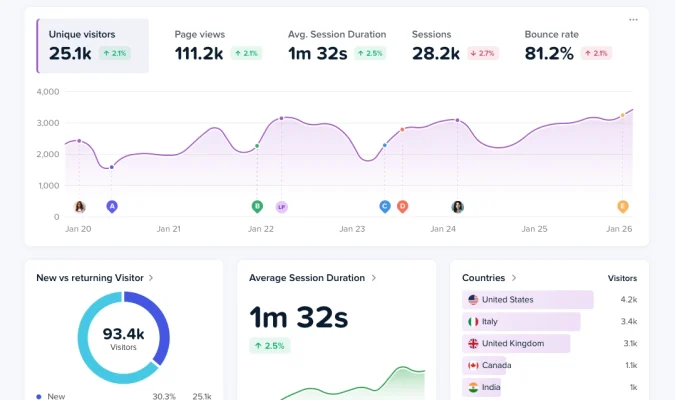
The digital marketing landscape has undergone a seismic shift since Google officially sunsetted its Universal Analytics platform on July 1, 2023, forcing millions of website owners to migrate to Google Analytics 4 (GA4). While Google marketed GA4 as a forward-looking, privacy-centric solution designed for a cookieless future, the transition has been met with widespread industry resistance. Marketers, small business owners, and developers have reported significant hurdles, ranging from a steep learning curve and a fragmented user interface to concerns regarding data accuracy and sampling thresholds. As a result, a growing ecosystem of alternative analytics platforms has emerged, promising greater simplicity, enhanced privacy compliance, and more intuitive data visualization.
The Context of the Analytics Transition
The transition from Universal Analytics (UA) to GA4 represented more than a simple version update; it was a fundamental re-engineering of how web data is collected and processed. Universal Analytics was built on a session-based model, which focused on user visits and pageviews. In contrast, GA4 utilizes an event-based model, where every interaction is treated as an "event." While this offers greater flexibility for tracking complex user journeys across websites and mobile applications, it has stripped away many of the "out-of-the-box" reports that marketers relied upon for over a decade.
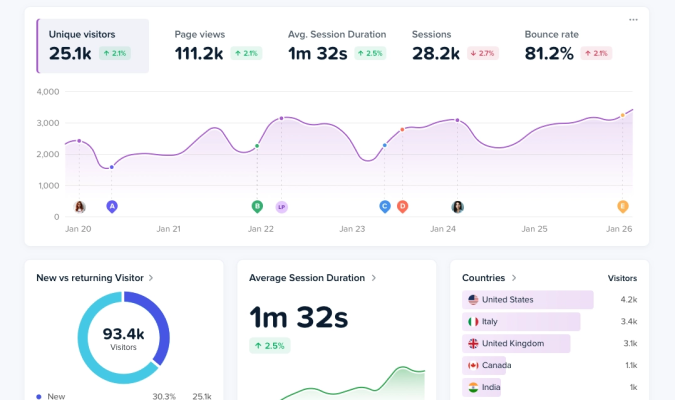
The catalyst for this change was the tightening of global privacy regulations, most notably the European Union’s General Data Protection Regulation (GDPR) and the California Consumer Privacy Act (CCPA). Google’s attempt to balance granular tracking with regulatory compliance led to the implementation of "data thresholds" and "consent mode," which often result in missing or estimated data for sites with lower traffic volumes. This perceived lack of reliability has prompted a significant portion of the market to seek third-party alternatives that prioritize transparency and ease of use.
A Timeline of the Web Analytics Evolution
To understand the current fragmentation of the market, it is necessary to examine the chronology of the web analytics industry:
- 2005: Google acquires Urchin, launching Google Analytics and democratizing web data for the masses.
- 2012: Universal Analytics is introduced, becoming the industry standard for nearly a decade.
- 2018: The enforcement of GDPR begins, placing immense pressure on US-based tech giants regarding data residency and user consent.
- 2020: Google announces GA4, signaling the eventual end of the session-based tracking era.
- 2022: Data protection authorities in several EU countries, including Austria, France, and Italy, rule that the use of Google Analytics violates GDPR due to the transfer of personal data to the United States.
- 2023 (July): Universal Analytics stops processing data, forcing a mandatory migration to GA4.
- 2024–Present: A surge in the adoption of "boutique" analytics tools as organizations prioritize data sovereignty and user experience over the Google ecosystem.
Key Alternatives Shaping the New Data Landscape
As organizations weigh the costs of retraining staff for GA4 against the subscription fees of alternative tools, several platforms have emerged as frontrunners. These tools are generally categorized by their primary value proposition: user behavior, privacy, or technical depth.

Crazy Egg: Bridging the Gap Between Quantitative and Qualitative Data
For businesses seeking a user-friendly entry point that replaces the core functions of traditional analytics, Crazy Egg has positioned itself as a comprehensive alternative. Unlike GA4, which requires significant configuration to track conversions and user flows, Crazy Egg offers a "plug-and-play" experience.
The platform is particularly noted for its integration of quantitative web analytics with qualitative behavioral tools. While GA4 provides data on what is happening, Crazy Egg’s heatmaps, scrollmaps, and confetti reports provide insight into why it is happening. By visualizing where users click and how far they scroll, marketers can identify friction points in the user experience without needing a background in data science. Furthermore, its inclusion of a free-forever tier for basic web analytics and conversion tracking provides a low-risk exit strategy for those overwhelmed by Google’s ecosystem.
Plausible and Fathom: The Privacy-First Vanguard
The rise of Plausible and Fathom Analytics represents a direct response to the "privacy-invasive" reputation of big-tech tracking. Both platforms operate on a cookieless basis, meaning they do not collect personal data or track users across different websites.

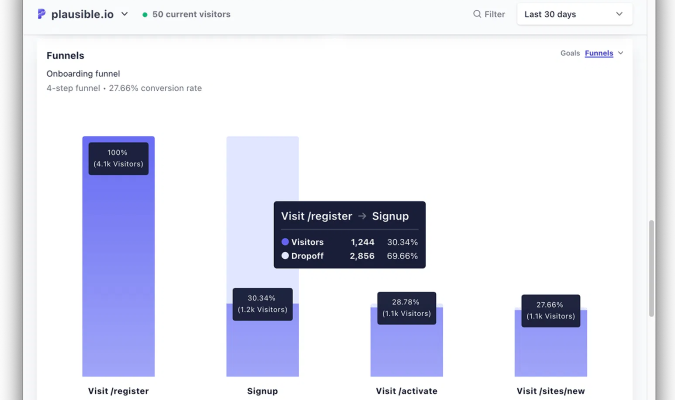
Plausible, an open-source platform, has gained significant traction among EU-based organizations. Because it does not use cookies, it often exempts website owners from the requirement of displaying intrusive cookie consent banners, which have been shown to decrease user conversion rates and distort data accuracy. Industry data suggests that traditional analytics tools like GA4 can miss up to 40% of traffic due to ad-blockers and declined consent; Plausible’s lightweight script (often 45 times smaller than Google’s) circumvents many of these issues, providing a more accurate count of raw site visits.
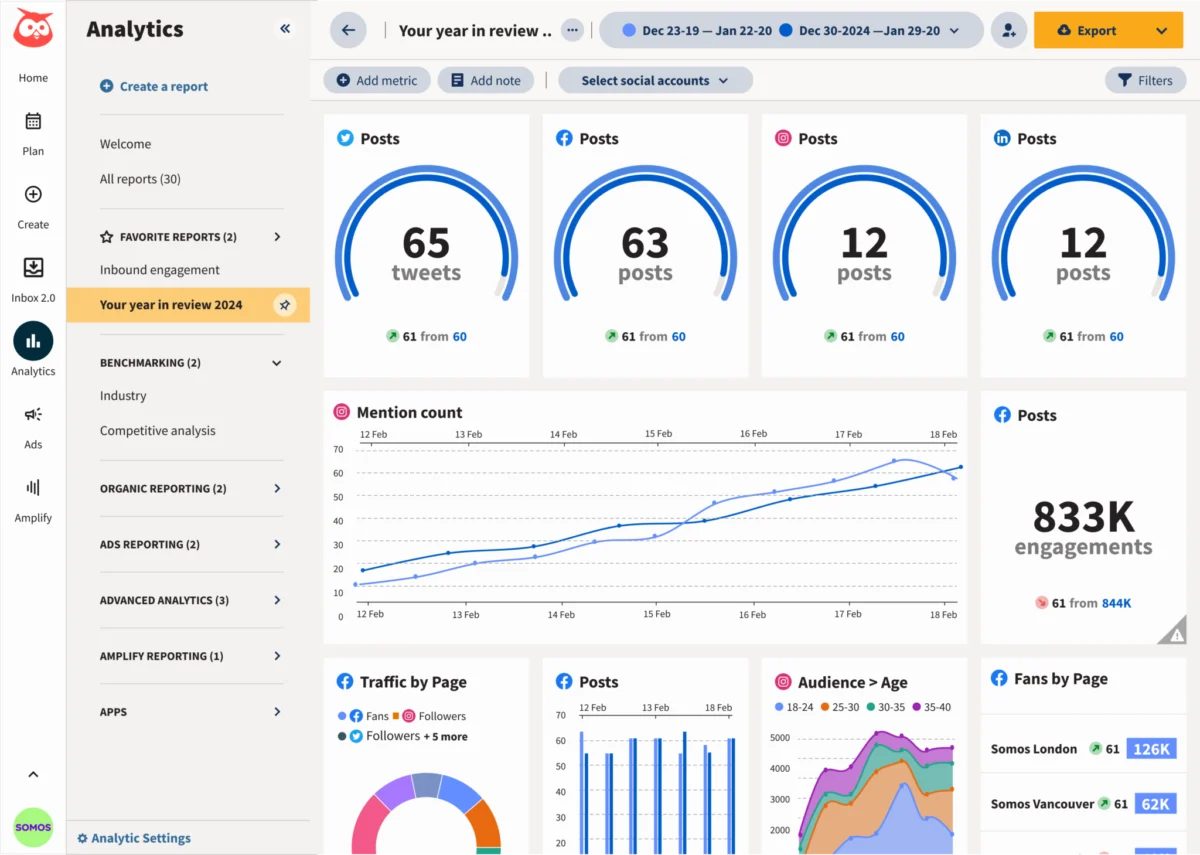
Similarly, Fathom Analytics emphasizes "ethical marketing." Its founders have been vocal critics of the data-brokerage economy, building a platform that processes data on EU-owned servers to ensure compliance with Schrems II rulings. Fathom’s "all-sites" view is a specific feature aimed at power users who manage multiple domains, allowing them to monitor aggregate traffic trends across an entire portfolio from a single dashboard—a task that remains cumbersome in GA4’s account-switching interface.
PostHog: The Developer-Centric Evolution
For organizations with significant technical resources, PostHog offers a level of customization that mirrors or exceeds the capabilities of GA4’s advanced features. PostHog is categorized as a product analytics suite, meaning it is designed to track complex user journeys within software-as-a-service (SaaS) products and mobile apps.

The platform’s primary appeal lies in its "all-in-one" nature. While a standard marketing stack might require separate tools for analytics, session recordings, A/B testing, and feature flags, PostHog integrates these into a single environment. This reduces "tool sprawl" and ensures that data remains consistent across different functions. Its open-source heritage allows developers to use SQL for custom queries directly within the platform, bypassing the need to export data to external warehouses like BigQuery, which is often a prerequisite for advanced analysis in GA4.
Technical Analysis: Server-Side Tracking and Data Accuracy
A critical technical point of contention in the current analytics debate is the method of data collection. Most standard tools, including the base version of GA4, rely on client-side tracking, where a script runs in the user’s browser. This is increasingly susceptible to browser-level privacy protections (like Apple’s Intelligent Tracking Prevention) and ad-blockers.
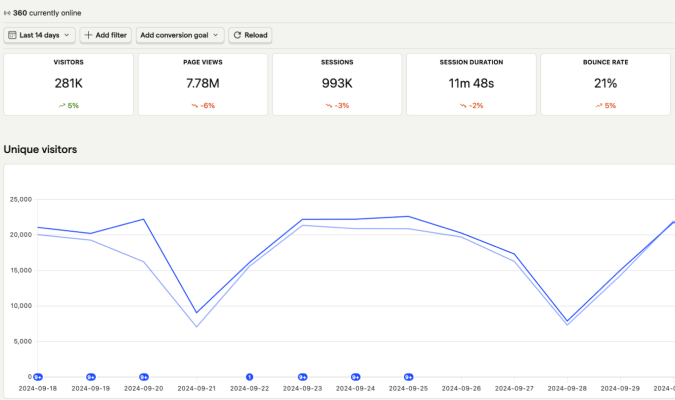
Platforms such as Pirsch have introduced server-side tracking as a core feature. By sending data directly from the website’s server to the analytics server, the platform bypasses the browser-side filters that often block tracking scripts. This results in nearly 100% data accuracy. For agencies managing high-stakes client accounts, the ability to report "true" traffic numbers without the "sampling" or "modeling" used by Google is a significant competitive advantage.
Official Responses and Industry Sentiment
While Google has not directly commented on the specific growth of its competitors, the company has consistently defended GA4 as a necessary evolution. In official documentation and developer keynotes, Google representatives emphasize that the "modeled data" in GA4 is a sophisticated solution to the inevitable loss of cookies. They argue that as privacy laws tighten, raw data collection will become impossible, making Google’s machine-learning approach the only sustainable path forward.
However, industry sentiment among independent marketing agencies tells a different story. Many agencies report that the time required to set up basic reporting for clients in GA4 has tripled compared to Universal Analytics. This "complexity tax" has led to a grassroots movement toward simpler tools. In various digital marketing forums and professional networks, the consensus is shifting: unless an organization is heavily invested in the Google Ads ecosystem—where GA4’s integration remains unparalleled—there is a diminishing ROI in struggling with the platform’s complexity.
Broader Impact and Implications for the Future
The fragmentation of the web analytics market has several long-term implications for the digital economy:
- Data Sovereignty: Organizations are increasingly prioritizing ownership of their data. The move toward platforms like Pirsch (which hosts data in Germany) or self-hosted versions of PostHog reflects a desire to decouple business intelligence from the policy shifts of a single US-based corporation.
- The End of the "One-Size-Fits-All" Model: The dominance of Google Analytics created a standardized language for web metrics. As the market splits into specialized tools (behavioral, privacy-centric, product-focused), the industry may see a more nuanced but less standardized approach to measuring digital success.
- Accuracy vs. Privacy: The tension between needing accurate data for business decisions and respecting user privacy will continue to drive innovation. Cookieless tracking and server-side measurement are likely to become the standard, rather than the alternative, over the next five years.
In conclusion, while Google Analytics 4 remains the most powerful tool in terms of its integration with the broader Google marketing suite, its complexity and the friction caused by the mandatory migration have created a vacuum. This vacuum is being filled by agile, specialized competitors that prioritize user experience and privacy compliance. For the modern business, the choice is no longer between versions of Google Analytics, but between staying within a complex, modeled ecosystem or moving toward a transparent, purpose-built alternative.