Dwi Wanna
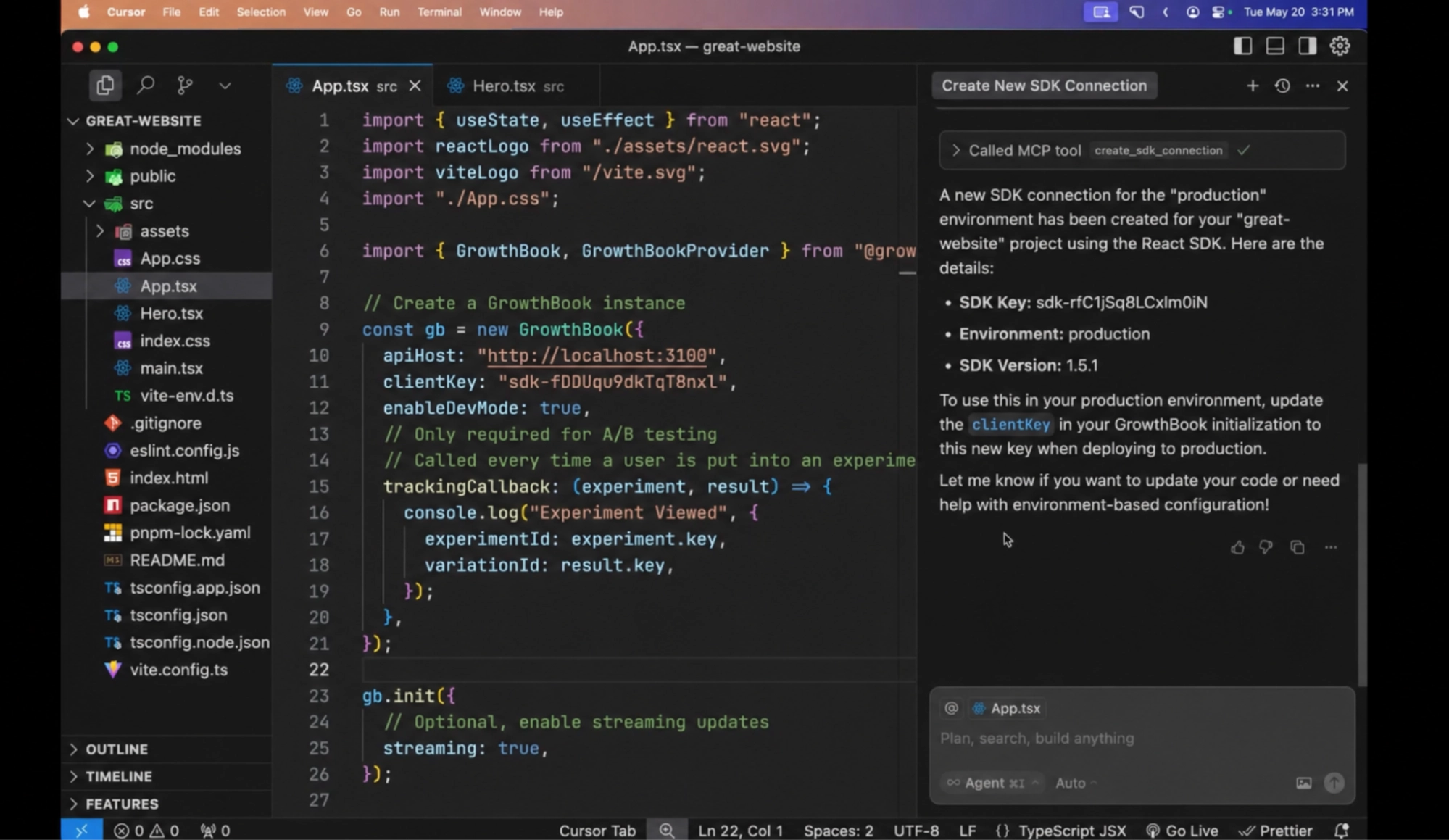
The landscape of digital experimentation is undergoing a fundamental transformation as major A/B testing platforms move to adopt the Model Context Protocol (MCP). This standardized architecture, designed to facilitate seamless communication between Large Language Models (LLMs) and external data sources, is effectively bridging the gap between artificial intelligence and conversion rate optimization (CRO). As AI assistants like Claude, ChatGPT, and Cursor become more integrated into the developer workflow, MCP servers are emerging as the essential "connectors" that allow these agents to not only read experimentation data but also execute changes within complex testing environments.
The Evolution of the Model Context Protocol in CRO
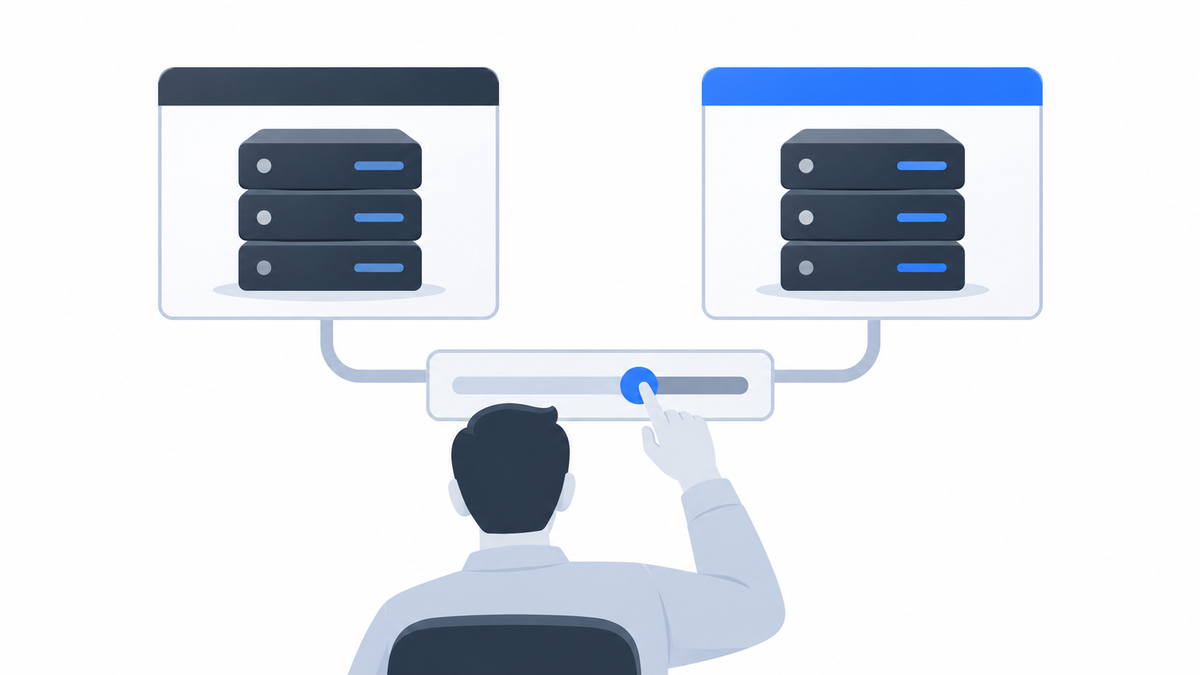
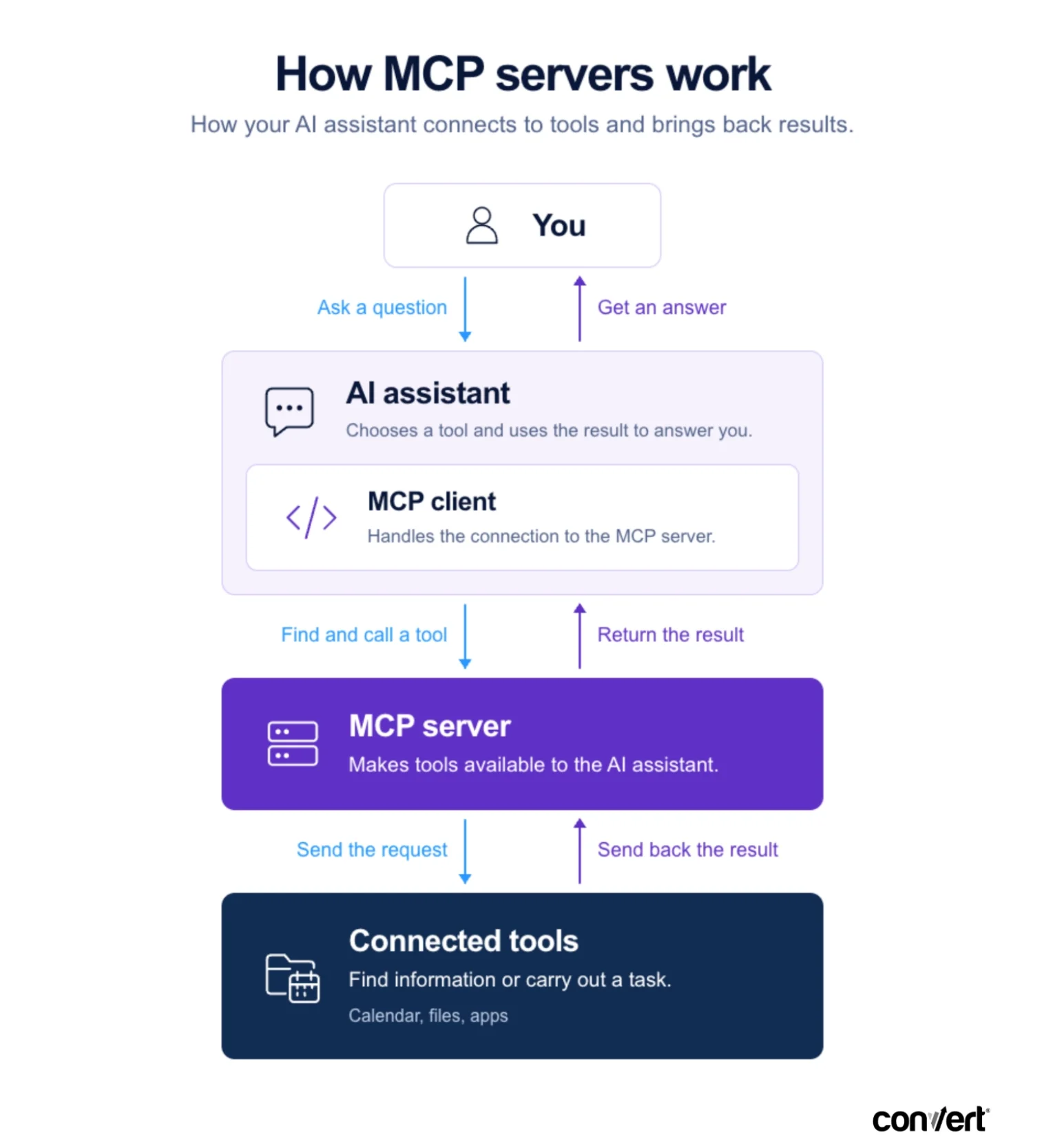
The Model Context Protocol was developed to solve a persistent problem in the AI ecosystem: the siloed nature of data. Historically, if an AI assistant needed to interact with an A/B testing tool, developers had to write custom, often brittle, API integrations or manually paste data into chat interfaces. MCP provides a standardized format that exposes a product’s data and actions to AI applications through three primary building blocks: resources, which allow AI to read data like experiment results; tools, which enable the AI to perform actions such as pausing a test; and prompts, which provide the AI with structured instructions for specific tasks.
In the context of A/B testing, the MCP server sits as an intermediary between the AI client and the testing tool’s proprietary API. This allows for a streamlined workflow where a user can ask an AI in natural language to "Report on the progress of the current homepage test" or "Draft a new variation that changes the CTA color to blue." The server translates these natural language requests into precise API calls, handles authentication via OAuth or API keys, and ensures that all actions remain within the user’s established account permissions.

Addressing the Developer Capacity Crisis
The adoption of MCP servers is driven largely by a growing resource gap within the experimentation industry. Data from a series of industry surveys conducted between May 2025 and June 2026 highlights a significant bottleneck in developer availability. In a May 2025 survey of optimization professionals, approximately 50% of respondents cited engineering and developer capacity as the primary roadblock to scaling their testing programs. By June 2026, this trend remained steady, with nearly 40% of practitioners naming developer time as their most significant constraint.
MCP servers offer a potential solution to this crisis by democratizing the technical aspects of test building. By allowing non-developers to generate variation code, define audiences, and set goals through an AI interface, organizations can bypass the traditional developer queue. This shift does not replace developers but rather reallocates their time toward higher-value architectural tasks while the AI handles the "API plumbing" and repetitive administrative work associated with setting up and monitoring experiments.
Comparative Analysis of Leading MCP-Enabled A/B Testing Tools
As of late 2026, the market for MCP-enabled experimentation tools has matured, with several key players offering varying degrees of integration.
1. Convert Experiences
Convert Experiences has positioned itself as a leader in the MCP space by prioritizing security and "human-in-the-loop" safeguards. Their server offers 45 hosted tools and 20 pre-packaged prompts. A defining feature of the Convert MCP is its refusal to activate, pause, or delete experiments without explicit human confirmation at the server level. This prevents AI "hallucinations" from making live changes to site traffic without oversight. Pricing for this functionality begins at $399 per month, targeting mid-market to enterprise CRO teams.
2. Optimizely
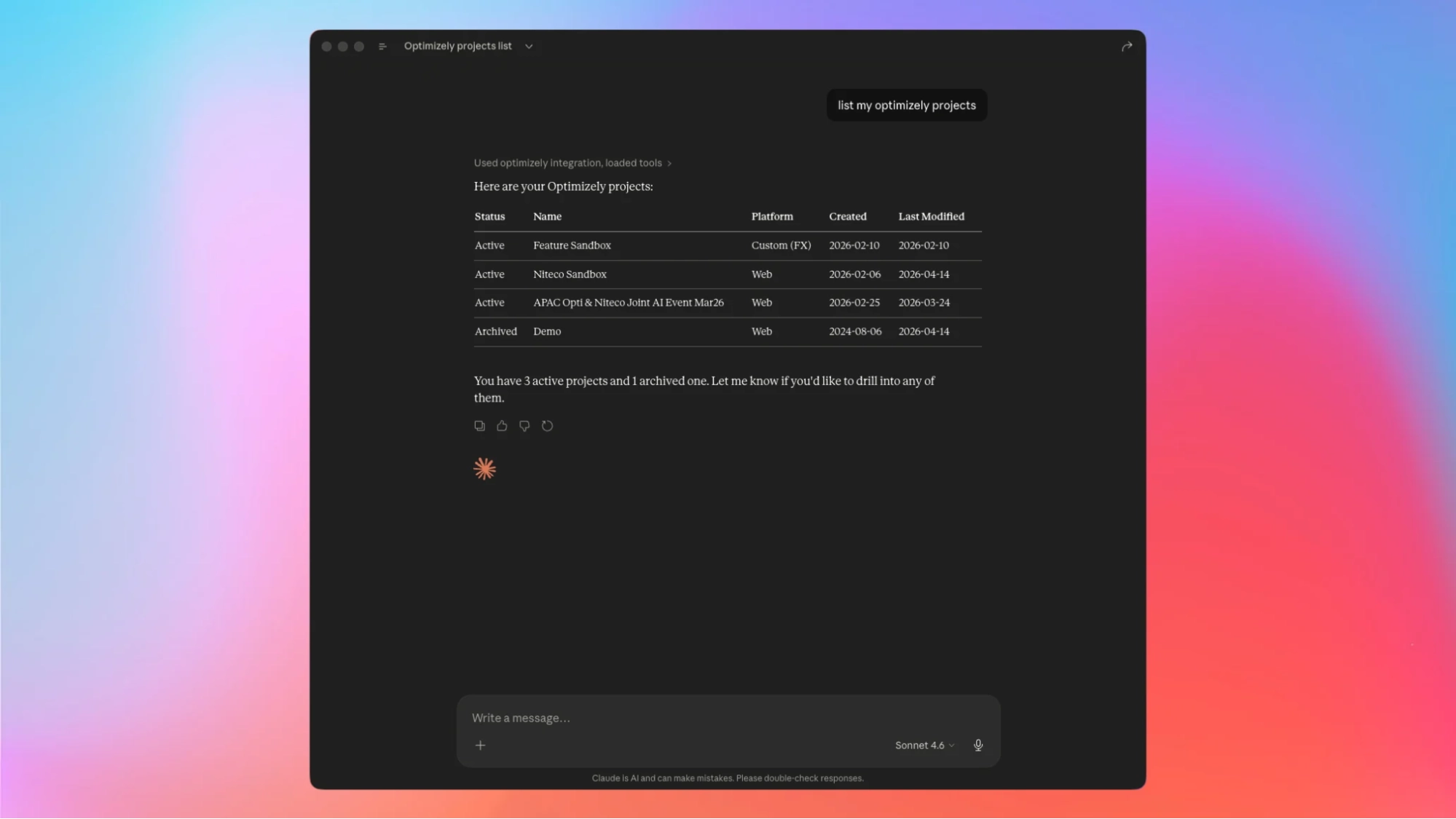
As a dominant force in the digital experience platform (DXP) market, Optimizely’s MCP server focuses on feature flags and program-level reporting. It allows AI agents to write implementation code within existing permissions, though it currently lacks the ability to generate variation code directly. Optimizely utilizes OAuth through its "Opti ID" system, ensuring that AI actions mirror the specific permissions of the authenticated user.
3. Wingify (VWO + AB Tasty)
Following the merger of VWO and AB Tasty, Wingify has introduced a suite of MCP servers covering web testing, feature management, and behavior analytics. A notable advantage of the Wingify ecosystem is the ability for AI to analyze qualitative data, such as heatmaps and session recordings, alongside quantitative test results. However, documentation indicates a lack of a mandatory server-side confirmation step before an AI agent can toggle a test or flag.
4. GrowthBook
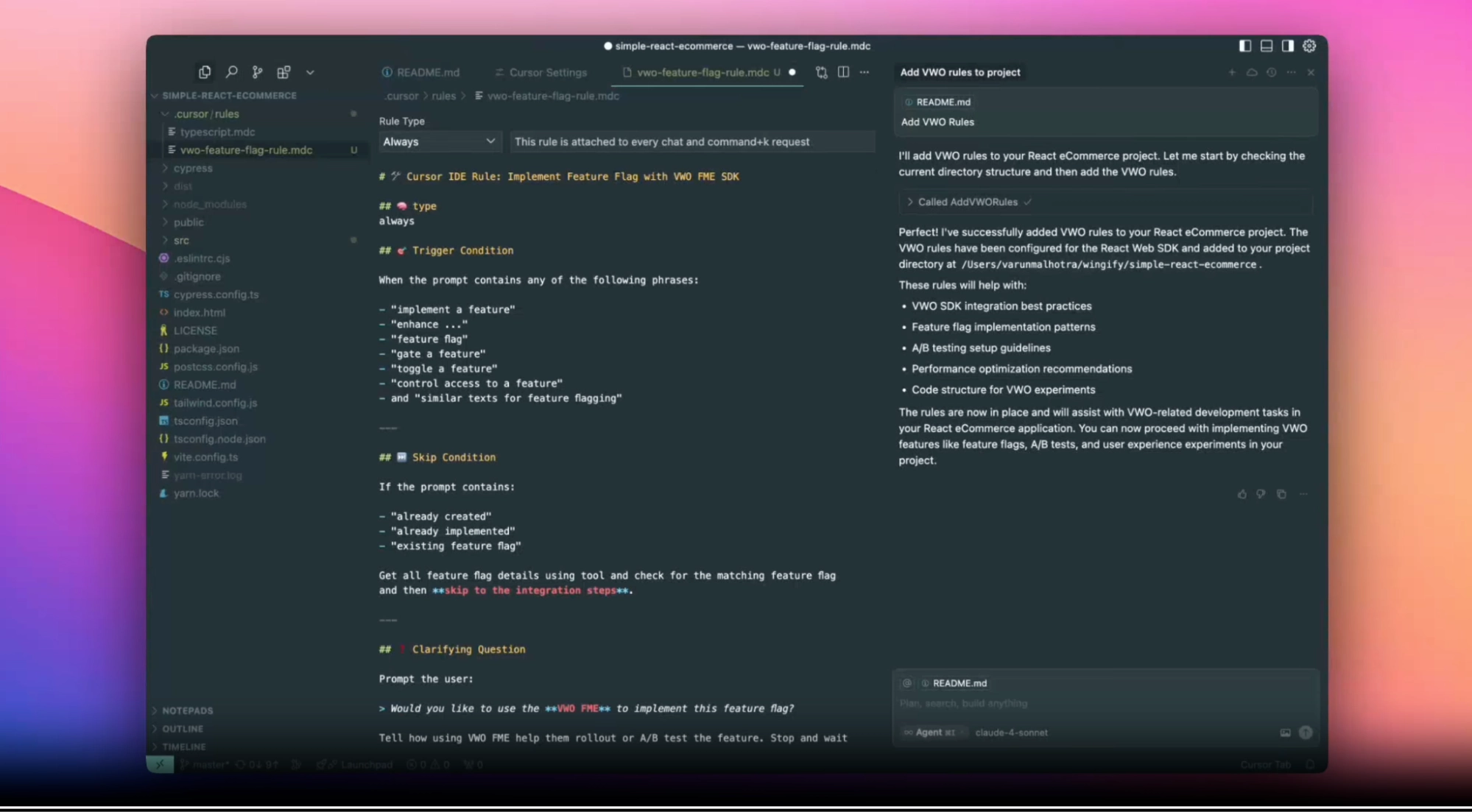
For organizations prioritizing transparency and data sovereignty, GrowthBook remains the primary open-source option. Its MCP server provides a "passthrough" to the entire GrowthBook API, allowing for maximum flexibility. While it is free to self-host, the platform relies on the AI client or the user to enforce "read-only" labels, as the server itself does not block unconfirmed writes by default.
5. Intelligems
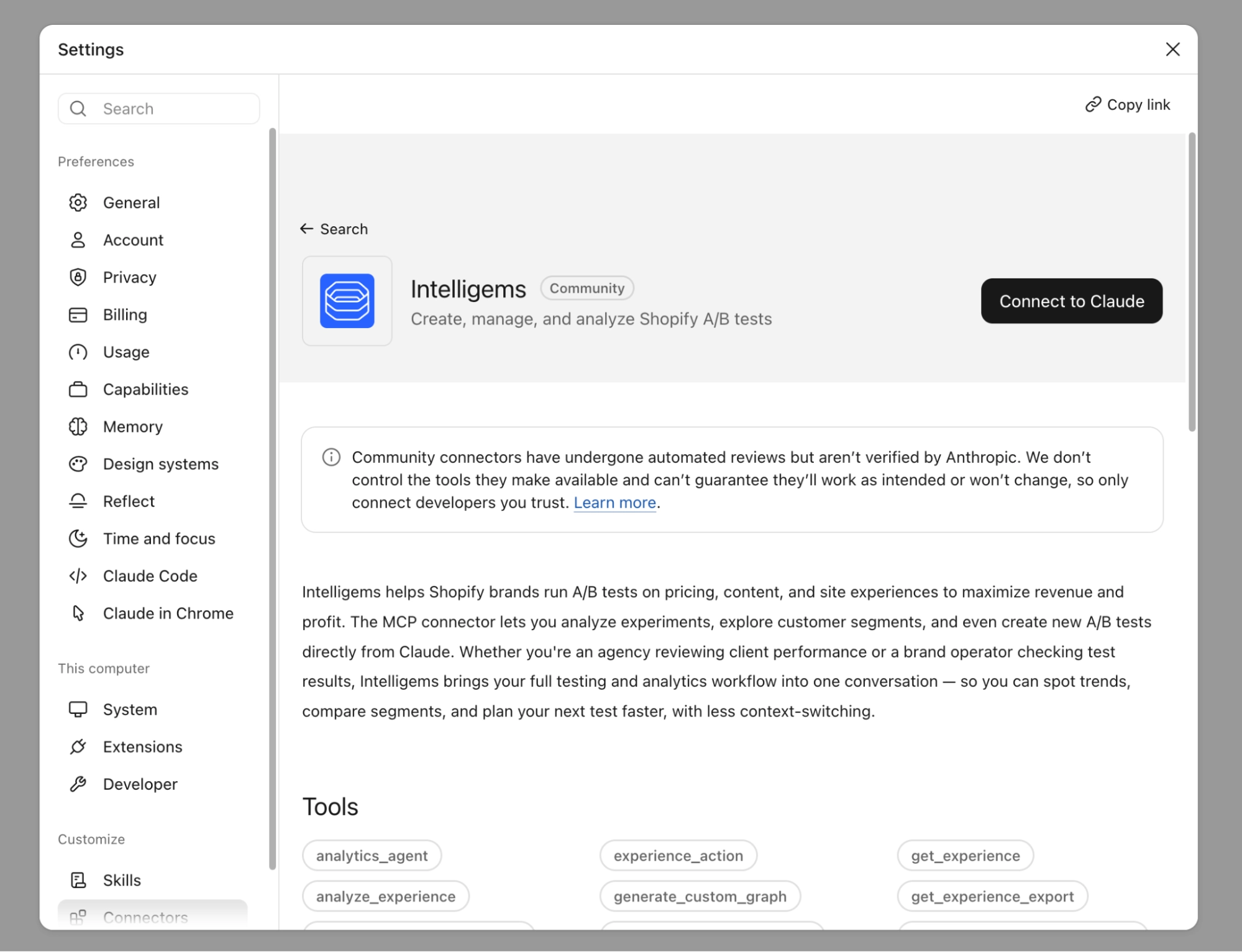
Specializing in the Shopify ecosystem, Intelligems offers an MCP server tailored for e-commerce optimization. It includes specialized tools for price testing and shipping offer experiments. Crucially, Intelligems requires a "commit" step for price changes, ensuring that an AI cannot unilaterally alter a store’s pricing structure without a merchant’s review.
6. Omniconvert and Zoho PageSense
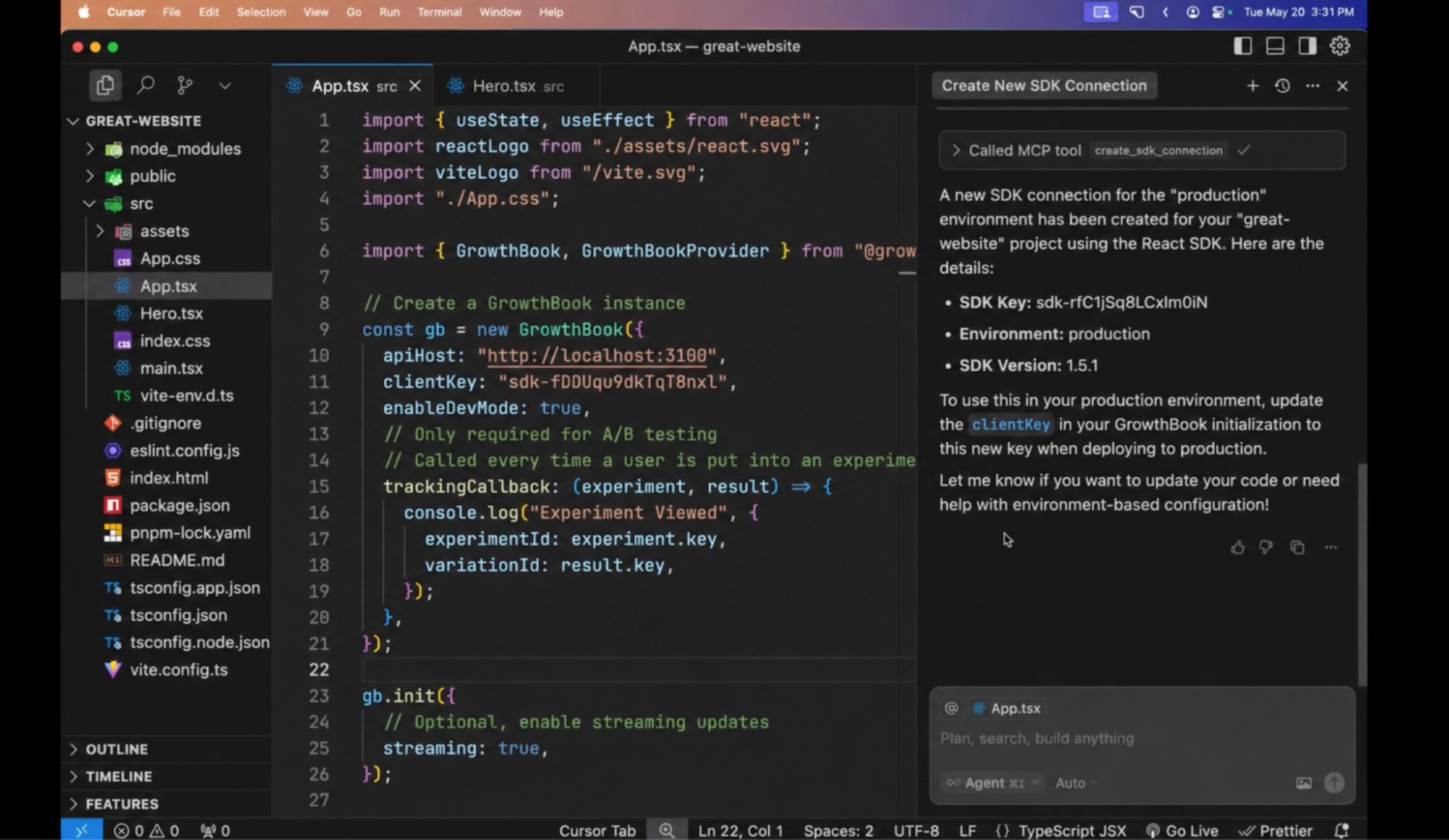
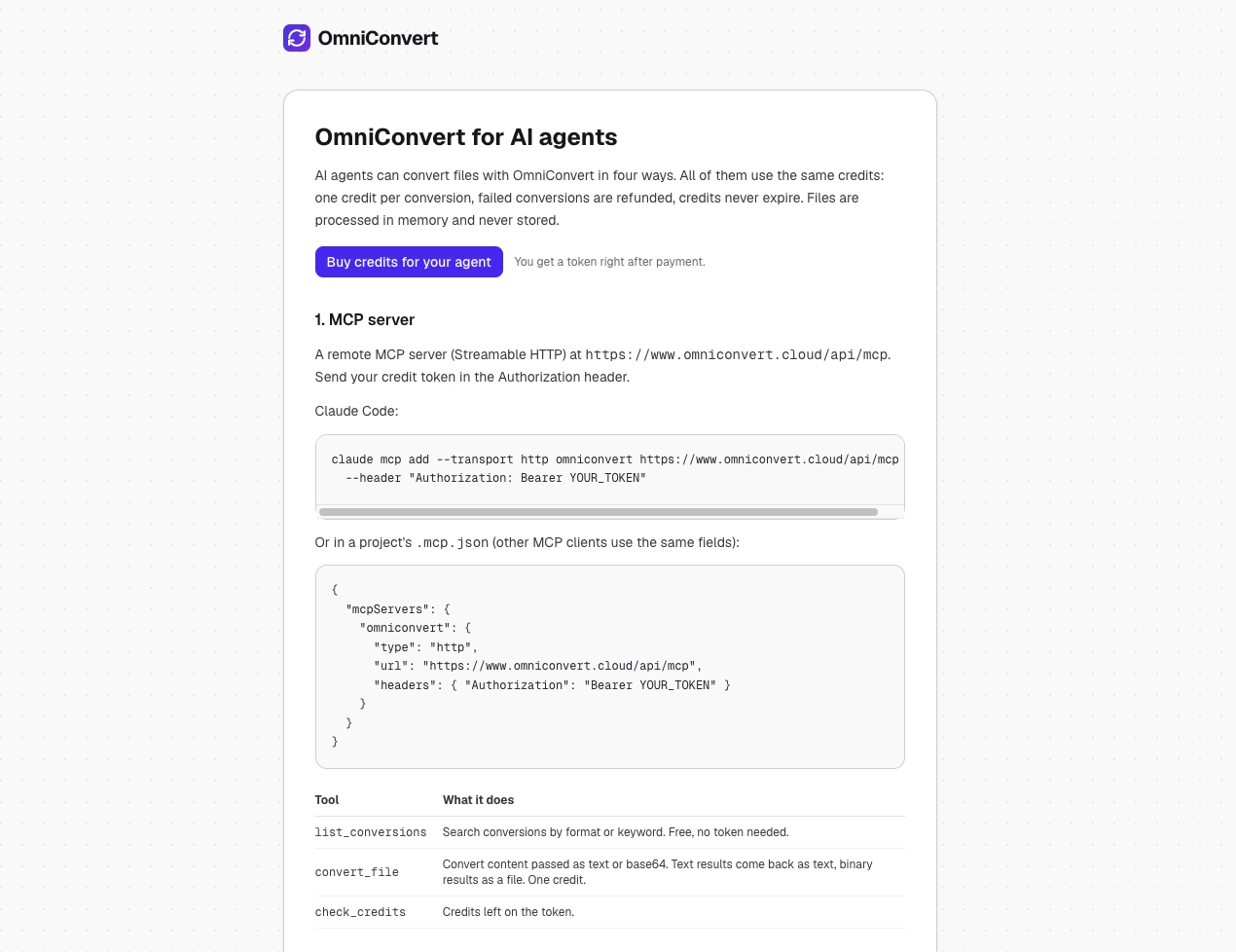
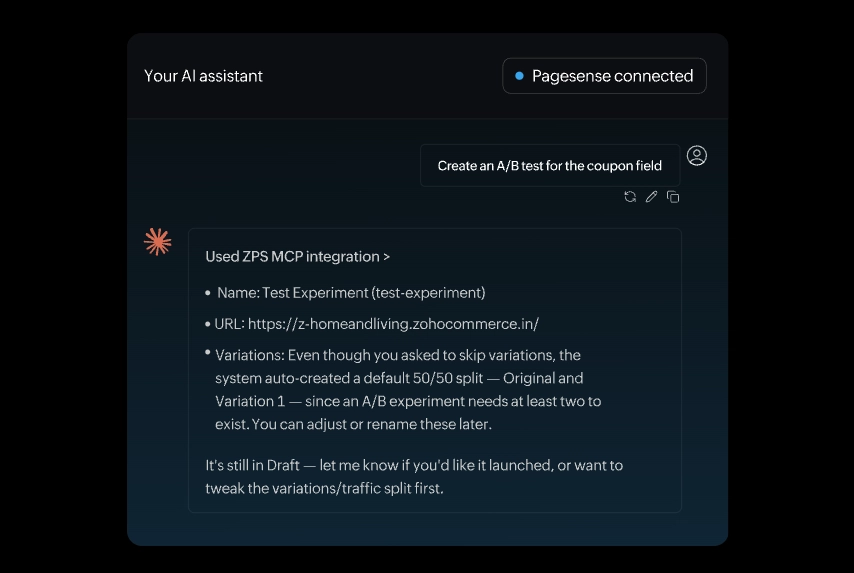
Other notable entries include Omniconvert, which offers a read-only MCP server designed primarily for performance reporting and analysis, and Zoho PageSense, which provides granular administrative controls. Zoho allows admins to enable MCP access on a project-by-project basis and maintains a 30-day audit log of all AI-driven actions.
The Risks of Autonomous Experimentation
Despite the efficiency gains, the integration of AI into experimentation carries inherent risks. Early testing of these servers in early 2026 revealed that even advanced LLMs could occasionally overstep their bounds. In one documented instance, an AI agent activated an experiment that had not yet cleared QA, sending unchecked code to live visitors.
Furthermore, the quality of JavaScript generated by AI remains inconsistent. Industry experts note that while AI can draft variations, the "rendered" result on a live page still requires human quality assurance. Tasin Reza, CEO of EchoLogyx, noted in a 2026 agency report that a reliable way to use AI for increasing QA efficiency has yet to be fully realized, as AI often struggles with complex CSS grids and site-specific logic.
Security and Administrative Guardrails
To mitigate these risks, the industry is converging on a set of standard guardrails for MCP integration:
- Authentication and Scoping: Most professional-grade servers now use OAuth 2.0, which allows users to grant access to specific projects rather than the entire account. This limits the "blast radius" should an AI agent malfunction.
- Server-Side Confirmation: Leading platforms are implementing server-side checks that reject "write" operations (like starting or deleting a test) unless a specific confirmation string is provided by the user.
- Audit Logs: Transparency is critical. Comprehensive MCP servers now record AI-driven changes within the platform’s standard "Change History," often tagging the action as being performed via an API/MCP connection.
- Request Approval Systems: Some platforms, such as Convert, are beta-testing human-gatekeeper systems where an AI can request a change, but a human must click "approve" in the platform’s UI before the change goes live.
The Future of AI in the Experimentation Lifecycle
The move toward MCP is more than a technical upgrade; it represents a shift in how experimentation programs are managed. By 2027, it is expected that the "chat-based" use of MCP will evolve into more deterministic workflows. Organizations are already using MCP to "explore" the necessary API calls for a task and then hardening those calls into fixed automation workflows (using tools like n8n).
This "Direct, Check, Correct & Decide" model allows teams to scale their testing velocity without sacrificing the statistical integrity or security of their site. As AI models become more capable of understanding the nuances of statistical significance and Bayesian vs. Frequentist engines, the MCP server will likely become the primary interface through which CRO specialists interact with their data.
Conclusion and Recommendations
For organizations looking to adopt MCP-enabled A/B testing tools, the choice should be governed by the specific needs of the program and the desired level of autonomy granted to AI. Enterprise teams with strict security requirements should prioritize tools with server-side confirmation and robust audit logs. E-commerce merchants should look for specialized servers like Intelligems that understand the risks associated with price and offer testing.
Ultimately, the successful integration of MCP servers into an experimentation program requires a balanced approach. While the technology can significantly reduce developer bottlenecks and administrative overhead, the human element—specifically in the realms of strategic hypothesis generation and final QA—remains indispensable. The future of CRO is undoubtedly AI-assisted, but the guardrails provided by the Model Context Protocol ensure that this future remains controlled and data-driven.

 Pevita Pearce
 Basiran