
 rifanmuazin
Despite common headlines suggesting artificial intelligence (AI) is a nascent phenomenon, its conceptual roots and early technological iterations stretch back to the 1950s. However, the emergence of generative AI in the 2010s undeniably marked a paradigm shift, introducing capabilities that fundamentally alter how information is created, consumed, and discovered. This evolution has profoundly impacted consumer search behavior, making advanced marketing strategies like Generative Engine Optimization (GEO) not merely advantageous but increasingly indispensable for businesses aiming to maintain digital visibility.
This comprehensive guide unpacks the critical role of GEO in the contemporary digital landscape, offering actionable insights and best practices for marketing teams to navigate the evolving terrain of AI-powered search. Far from replacing traditional Search Engine Optimization (SEO), GEO extends its principles, adapting them for a world where AI plays a pivotal role in information discovery.
Understanding Generative Engine Optimization in the AI Era
Generative Engine Optimization (GEO) is a strategic approach focused on optimizing websites and content to be readily discoverable, understandable, and citable by AI-powered search tools. Platforms such as ChatGPT, Google Gemini, Perplexity, and the integrated AI overviews in search engines leverage advanced algorithms to scan vast amounts of web content. Their objective is to synthesize information and provide direct, comprehensive answers to user queries, often citing the original sources they deem most reliable. Unlike traditional SEO, which aims to secure a position on a Search Engine Results Page (SERP) with a list of links, GEO strives for a "VIP seat" – direct citation and prominent inclusion in the AI’s synthesized response.
GEO vs. AEO vs. SEO: A Clarification

To fully grasp GEO’s significance, it’s crucial to distinguish it from related optimization strategies:
- Search Engine Optimization (SEO): The foundational practice of optimizing content and websites to rank higher in traditional search engine results (e.g., Google, Bing). It focuses on factors like keywords, backlinks, and technical site health to improve organic visibility.
- Answer Engine Optimization (AEO): Historically, AEO targeted direct-answer features that have existed for some time, such as Google’s featured snippets, knowledge panels, and voice assistant responses. The goal was to appear in these concise, immediate answer formats.
- Generative Engine Optimization (GEO): This relatively newer discipline specifically addresses generative AI tools that create original, synthesized responses by combining data from multiple sources. GEO ensures content is selected as one of these foundational sources, thereby earning a direct citation.
While many tactics overlap across these three, GEO demands particular attention to how information is structured, presented, and validated to instill confidence in AI systems for accurate citation. The core principles of quality content, technical excellence, and user value remain universal, but the nuances of AI interpretation introduce new considerations for marketers.
The Urgency of GEO: Why It Matters Now

The imperative to adopt GEO strategies stems from a confluence of rapidly shifting user behaviors and technological advancements. While traditional search engines like Google still command a significant share of general searches (BrightLocal reports 61%), the ascent of AI platforms as primary research destinations is undeniable.
- Generational Shift: Data from GWI indicates that 31% of Gen Z individuals already predominantly use AI platforms or chatbots for online information retrieval. This demographic trend suggests a future where AI-first search is the norm.
- B2B Adoption: Gartner predicts a substantial shift, forecasting that 40% of B2B queries will be handled by an answer engine by the close of the current year. This highlights the commercial implications across diverse sectors.
- Voice Search Proliferation: The pervasive presence of voice assistants like Siri and Alexa in daily life further underscores the demand for synthesized, actionable answers rather than mere lists of links. Users expect immediate, relevant information, often without needing to interact with a screen.
This evolving landscape is not a threat to traditional SEO but an expansion of it. Marketers who proactively integrate GEO will gain a significant competitive edge. AI tools inherently prioritize quality, making the continuous delivery of superior, high-value content the most effective long-term strategy. The challenge of GEO is an opportunity for digital marketers to "level up" their content game, ensuring their brand remains a trusted source in an AI-driven world.
Core Generative Engine Optimization Best Practices
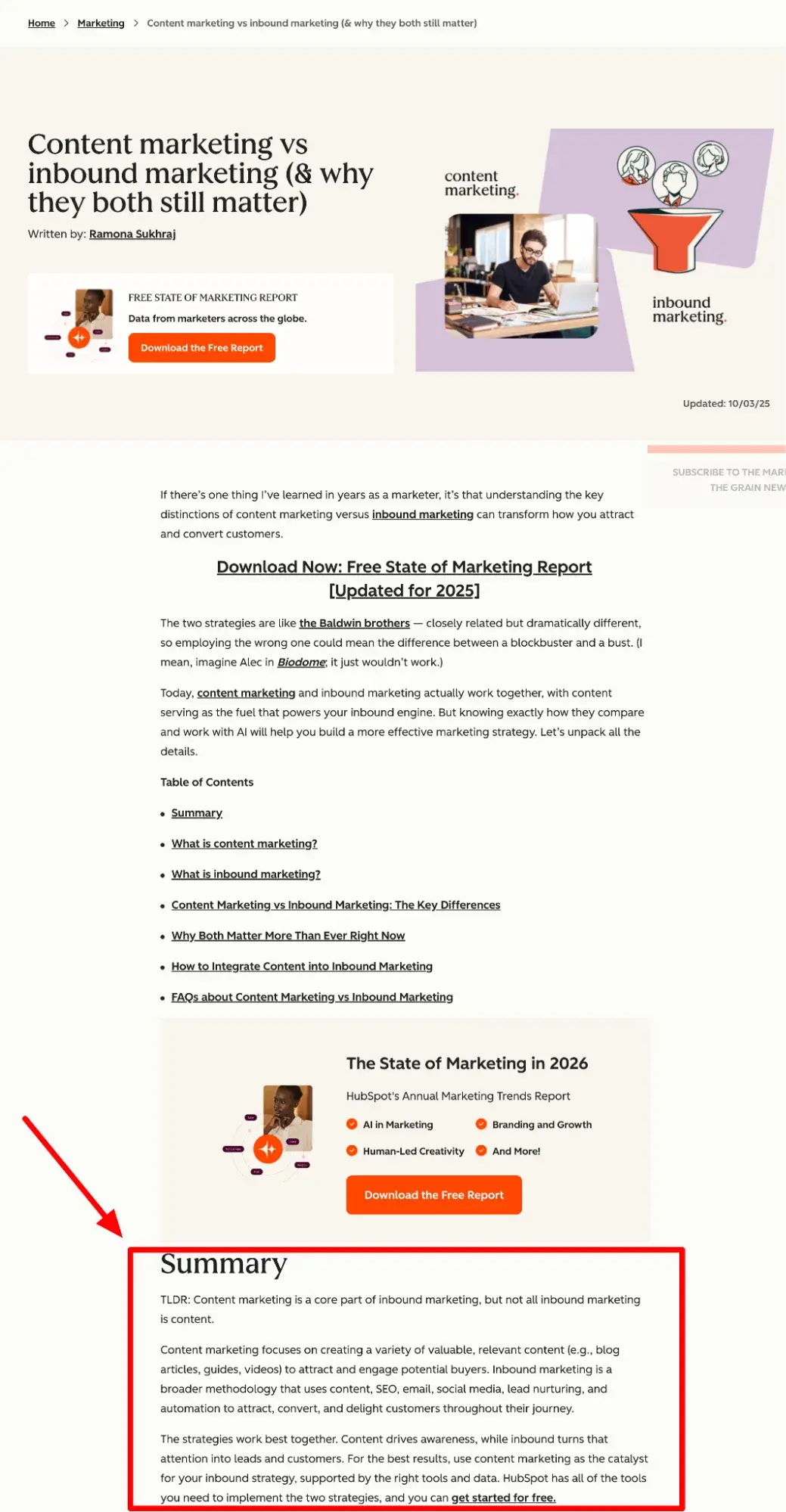
To secure a prominent position in AI-generated responses, businesses must integrate several key best practices into their content strategy and technical infrastructure.
-
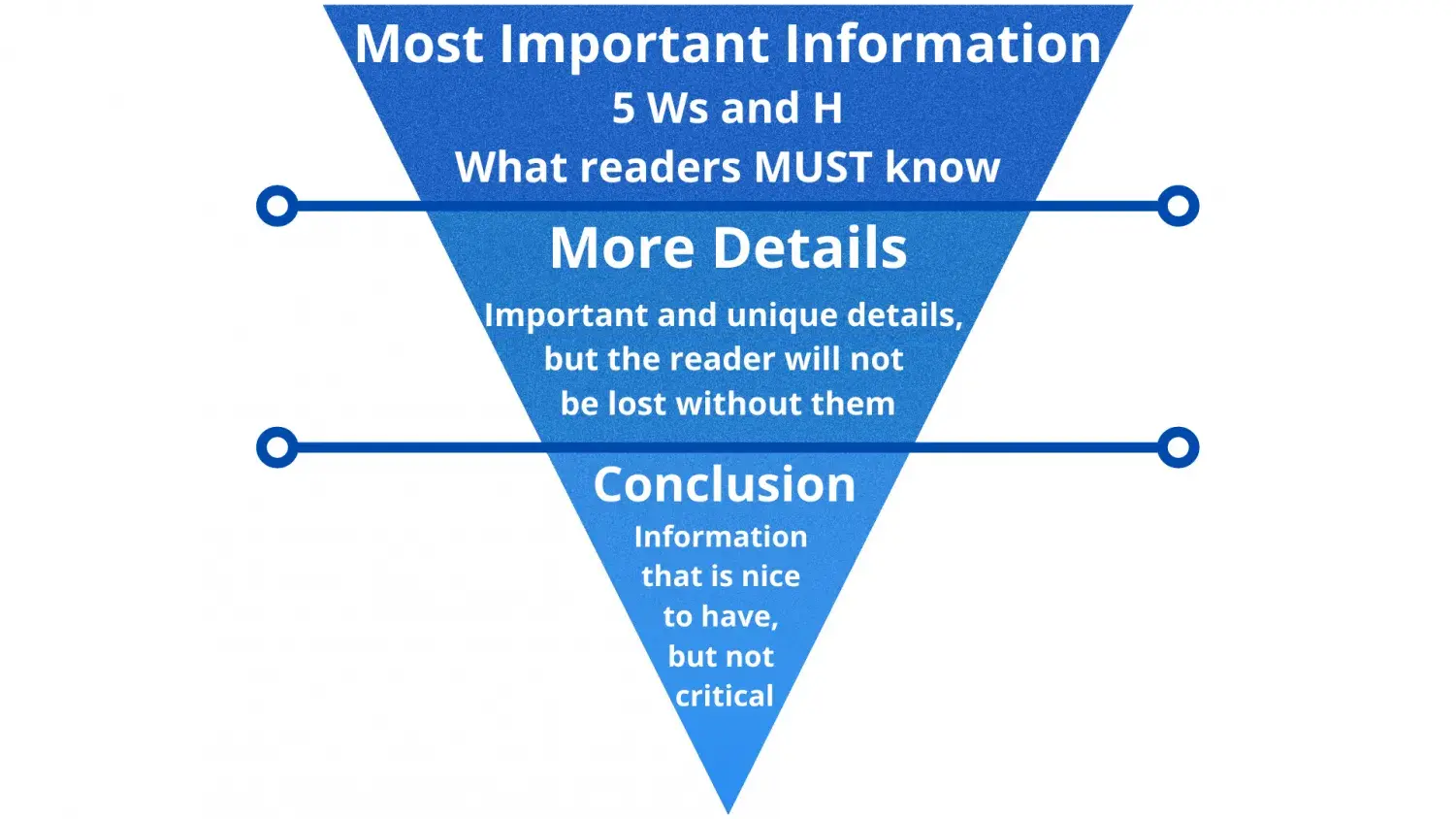
Lead with Clear, Direct Answers: AI systems favor content that is concise and gets straight to the point. Each section or paragraph should begin with a direct answer to the target question, ideally under 300 words, before expanding with further context and details. This "inverted pyramid" approach, borrowed from journalism, ensures the most crucial information is immediately accessible, making it effortless for AI to extract main points accurately. Tools like HubSpot’s Content Hub can assist in enforcing this answer-first structure.
-
Be Specific and Unambiguous: AI processes and cites content by recognizing specific entities—people, places, companies, and concepts. Vague references, such as using pronouns without clear antecedents or switching between different names for the same entity, can confuse AI systems and diminish citation chances. For example, instead of "The company launched it in 2024," specify "HubSpot launched Content Hub AI in 2024." Precision in language ensures AI accurately captures and attributes details.
-
Optimize Technical Website Elements: GEO is as much about off-page as on-page optimization. A technically sound and well-organized website is paramount for AI comprehension and citation.
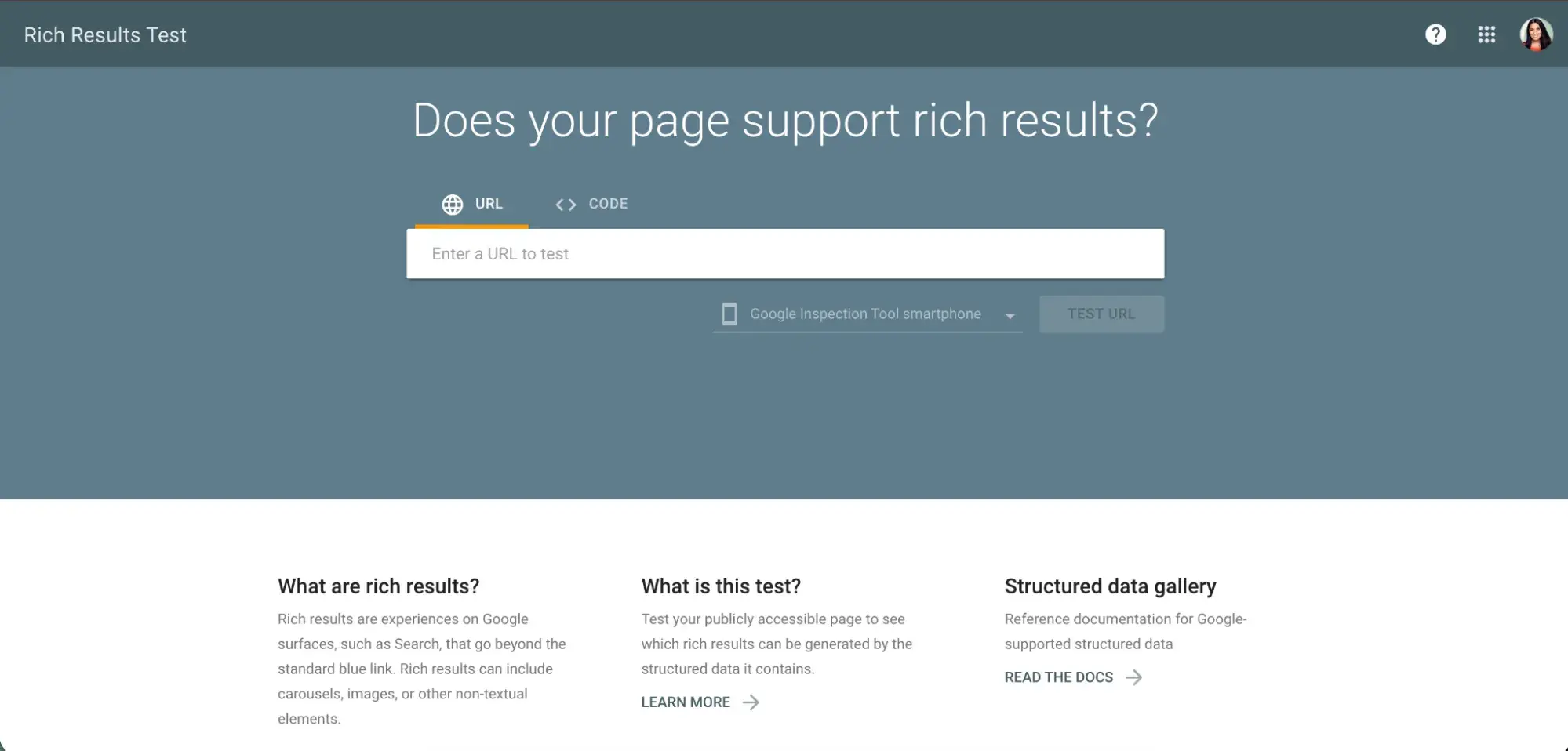
- Implement Schema Markup: Schema markup (structured data) acts as backend code that explicitly defines content to AI systems. According to Schema.org statistics, pages with properly implemented schema are processed more accurately, reducing ambiguity. Prioritize Article, Organization, FAQ, and Breadcrumb schema for maximum impact. Tools like Google’s Rich Results Test are essential for validating implementation.
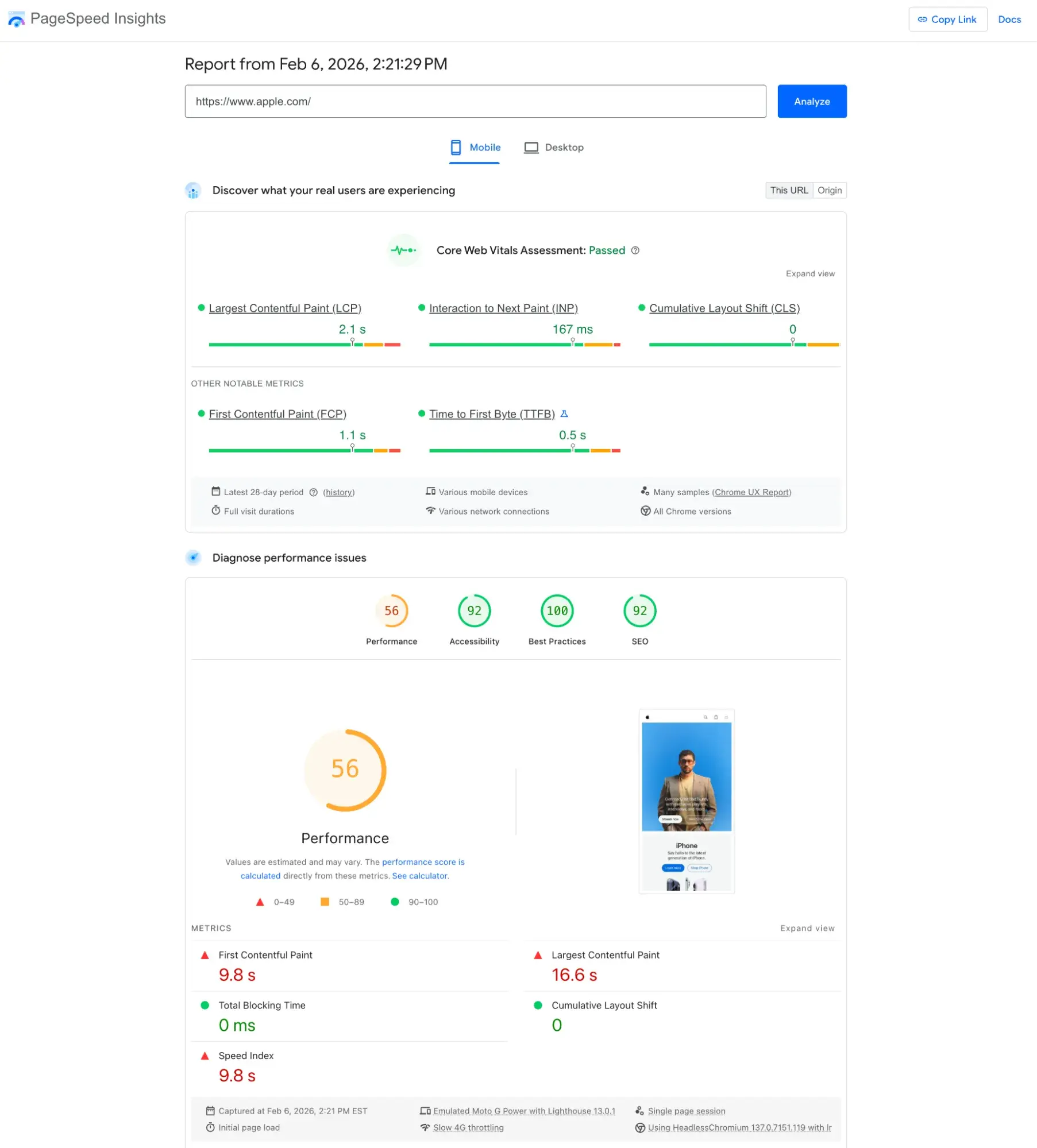
- Ensure Site Speed and Functionality: Both AI systems and traditional search engines interpret site performance as a trust signal. Slow, broken, or unsecure sites are deprioritized. Utilizing tools like Google PageSpeed Insights and GTmetrix to optimize Core Web Vitals (Largest Contentful Paint, First Input Delay, Cumulative Layout Shift) is crucial.
- Optimize Metadata: While traditional metadata targets SERPs, GEO-optimized metadata helps generative search quickly understand and summarize content. Craft concise, keyword-rich meta titles and descriptions that accurately reflect content, use clear headers (H1, H2, H3), and ensure proper use of alt text for images.
-
Establish Unquestionable Credibility (E-E-A-T): AI systems actively assess the credibility of sources before citing them. Google’s E-E-A-T framework (Experience, Expertise, Authoritativeness, and Trustworthiness) remains a core evaluation criterion. Strengthen E-E-A-T by:
- Showcasing author expertise through detailed bios.
- Citing reputable, current, and original sources.
- Maintaining transparent "About Us" and "Contact" pages.
- Securing high-quality backlinks from authoritative domains. Google’s Quality Rater Guidelines, which inform AI training, emphasize expertise and trustworthiness as primary indicators of content quality.
-
Showcase Deep Subject Matter Expertise: AI evaluates comprehensive coverage as a sign of expertise.
- Comprehensive Content: Research from Clearscope shows thorough content (2,500+ words with extensive topic coverage) receives 3.2x more AI citations. Semrush also found such content earns 77.2% more backlinks. Go deep on topics, addressing all facets, answering related questions, and providing actionable advice.
- Pillar Pages and Topic Clusters: Organize content around pillar pages that broadly cover core topics, supported by numerous deeper articles. Strategically interlink these pieces to signal to AI and search engines a complete and authoritative understanding of the subject matter. HubSpot’s topic cluster tool can facilitate this organization.
-
Integrate Visual Content: Research from Princeton and Georgia Tech indicates that content incorporating relevant images, charts, and videos receives 40% more AI citations than text-only content. Visuals enhance engagement for human readers and provide context for AI systems, signaling thoroughness and accessibility. Ensure all visuals have descriptive alt text and captions.
-
Write Like a Real Person, for a Real Person: AI systems are trained on natural, conversational language. Overly formal, technical, or keyword-stuffed content can be difficult for AI to interpret accurately. Adopt a conversational tone, use clear and concise language, break down complex concepts, and avoid jargon. This human-centric approach not only benefits GEO but also enhances reader engagement. If using AI to draft content, rigorous editing for humanization and unique perspective is essential to avoid generic output, which AI systems often deprioritize.
-
Publish Regularly and Maintain Freshness: Freshness is a critical factor for GEO, as AI systems prefer recent, up-to-date content. Content Marketing Institute’s 2024 research found organizations publishing weekly or more frequently had 67% higher AI citation rates. Implement a robust content refresh strategy, updating existing articles with new data, trends, and insights, and regularly creating new, relevant content. Content untouched for over 18 months is significantly less likely to be cited.
Common Generative Engine Optimization Pitfalls and Mitigation Strategies
Ignoring critical aspects can undermine even the most well-intentioned GEO efforts.
- Vague or Inconsistent Referencing: Avoid ambiguous pronouns or inconsistent naming conventions. Always clarify who or what you are discussing, especially when introducing new entities or complex concepts.
- Skipping or Incorrect Schema Markup: Failure to implement schema, or doing so incorrectly, deprives AI systems of clear contextual information. Regularly test schema using Google’s Rich Results Test and leverage platforms that simplify schema generation.
- Citing Questionable or Outdated Sources: AI systems rigorously evaluate source credibility. Rely on authoritative, primary sources, recent research (especially post-2024 for rapidly evolving topics), and avoid unreliable aggregators.
- Unedited AI-Generated Content: Publishing raw AI output without human review, unique insights, or brand voice leads to generic, low-value content that AI systems often downrank. Humanize and enrich AI-generated drafts with expert input and original research.
- Neglecting Content Updates: Stale content is quickly overlooked by AI in favor of fresher sources. Implement a content audit and refresh schedule to keep information current and relevant.
- Lack of Author Credentials: Content without clear author bios, organizational context, or verified expertise is treated as less trustworthy. Prominently display author credentials and build strong author profiles.
- Failure to Track GEO Performance: Without metrics, optimizing GEO is guesswork. Monitor AI citations, traffic from AI platforms, brand mentions, and shifts in search visibility to identify what works and refine strategies.
- Over-optimization for Specific AI Platforms: The AI search landscape is dynamic. Focus on universal best practices of quality, clarity, and authority rather than platform-specific "tricks" that may quickly become obsolete.
The Strategic Outlook: Generating Generative Success

While the rapid evolution of AI search engines and generative models might feel overwhelming, the core principles underpinning successful GEO are deeply rooted in established SEO best practices. Quality content, credible sources, technical excellence, and a relentless focus on user value remain paramount. GEO is not a replacement for traditional SEO but a vital extension, reflecting the ongoing maturation of how humans seek and consume information in the digital age.
Organizations that proactively embrace GEO as a strategic priority—starting with their most authoritative content, ensuring technical foundations are robust, and committing to fresh, expert-driven content—will not only maintain but enhance their digital visibility. The future of search is conversational, synthesized, and highly intelligent. By adapting now, businesses can ensure they are not just present in this future, but prominently cited as trusted voices. Integrated platforms like HubSpot’s Content Hub offer tools to streamline the creation, optimization, and measurement of AI-ready content, enabling businesses of all sizes to navigate this exciting new frontier effectively.









