In an increasingly complex and hyper-competitive global marketplace, businesses are moving beyond manual, piecemeal competitor analysis to embrace sophisticated competitive intelligence (CI) software. This technological shift marks a pivotal moment for strategic planning, enabling companies to transform raw external data into actionable insights that inform everything from product development and marketing campaigns to sales strategies and risk management. The era of haphazardly refreshing competitor websites, sifting through LinkedIn profiles, or managing unwieldy collections of bookmarked pricing pages is rapidly drawing to a close, replaced by automated, data-driven solutions designed to keep organizations not just abreast, but ahead of market movements.

The Evolving Landscape of Competitive Intelligence
For decades, competitive analysis has been a cornerstone of business strategy. Traditionally, this involved arduous manual research, relying on publicly available information, industry reports, and anecdotal evidence from sales teams. While foundational, this approach was inherently slow, prone to human bias, and struggled to keep pace with the accelerating speed of business and the sheer volume of digital information. The advent of the internet and subsequently, social media, transformed the data landscape, creating both immense opportunities and significant challenges. Companies found themselves awash in information, yet often lacked the tools to effectively process, analyze, and derive meaningful intelligence from it. This data overload underscored the urgent need for a more structured, automated approach to competitive monitoring.

The late 2000s and early 2010s saw the emergence of rudimentary digital monitoring tools, primarily focused on web analytics and basic keyword tracking. However, it is in the last decade that competitive intelligence software has truly matured, leveraging advancements in artificial intelligence (AI), machine learning (ML), and big data analytics. These sophisticated platforms can now automatically monitor a vast array of digital and traditional sources, identify subtle shifts in competitor strategies, and present these findings in an easily digestible, actionable format. This evolution reflects a growing understanding that competitive intelligence is not merely a reactive measure but a proactive strategic imperative.
Defining Competitive Intelligence Software: Beyond Basic Monitoring
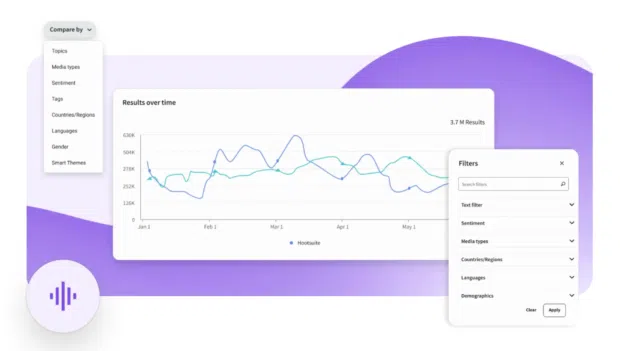
At its core, competitive intelligence software is designed to systematically collect, analyze, and disseminate information about competitors and the broader market environment. Its primary objective is to help companies understand rival strategies, anticipate future moves, identify market trends, and uncover potential threats or opportunities. Unlike general business intelligence tools, CI software is specifically tailored to external competitive data.
These platforms automate the "detective work" by continuously scanning and processing data from diverse sources, including:
- Competitor Websites and Product Pages: Tracking changes in product features, pricing models, service offerings, and content.
- Social Media Platforms: Monitoring brand mentions, sentiment, customer feedback, campaign performance, and executive communications.
- Review Sites (e.g., G2, Capterra): Analyzing customer perceptions, strengths, weaknesses, and common pain points associated with competitor products.
- News Outlets and Press Releases: Identifying strategic announcements, partnerships, mergers, acquisitions, and public relations activities.
- Job Boards: Signaling growth areas, new product initiatives, or shifts in R&D focus through hiring patterns.
- SEC Filings and Financial Reports: For publicly traded companies, offering insights into financial health, investment priorities, and market performance.
- Search Engine Optimization (SEO) and Paid Search (SEM) Data: Revealing competitor keyword strategies, advertising spend, organic rankings, and traffic sources.
- Industry Forums and Blogs: Capturing expert opinions, emerging discussions, and community sentiment.
The power of these tools lies in their ability to centralize these disparate data points, apply analytical frameworks, and generate alerts, reports, and dashboards that highlight critical changes and trends. This frees up human analysts from tedious data collection, allowing them to focus on interpretation and strategic recommendations.
Categorizing the Tools: A Spectrum of Specialization
The competitive intelligence software market is segmented into several key categories, each catering to distinct business needs and departmental priorities. While some platforms aim for comprehensive coverage, others specialize in particular data types or use cases.
-
All-in-One Competitive Intelligence Platforms:
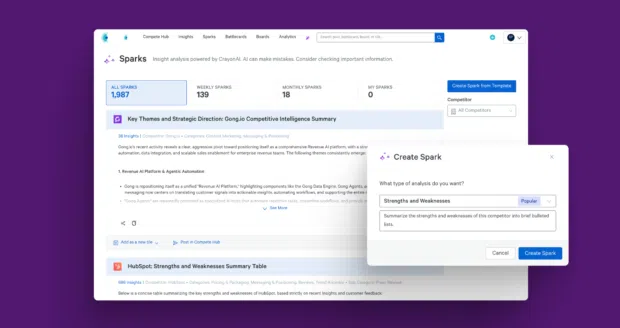
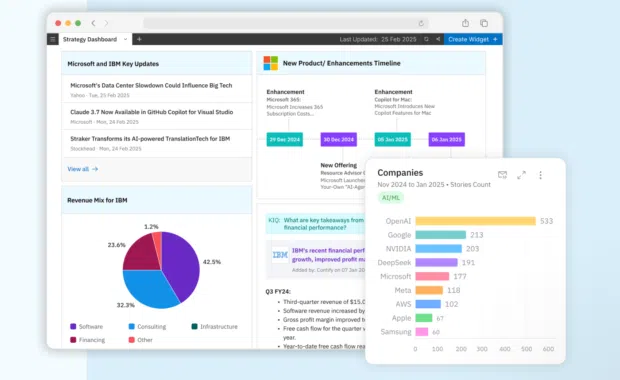
These comprehensive platforms strive to provide a holistic view of the competitive landscape. They integrate monitoring capabilities across multiple data sources, from product updates and pricing changes to news mentions and executive movements. Their strength lies in consolidating diverse signals into unified competitor profiles, alerts, and digests, making them suitable for strategic intelligence teams, product managers, and senior leadership. Platforms such as Crayon and Contify exemplify this all-encompassing approach. Crayon, for instance, focuses on monitoring competitor messaging, products, and pricing, generating insights for both marketing and sales teams. Contify distinguishes itself with an AI-native approach, monitoring over a million curated sources and offering robust capabilities for global teams tracking multiple markets or languages, albeit with an English-only interface. These solutions often come with custom pricing, reflecting their enterprise-grade capabilities and significant investment in data aggregation and AI analysis.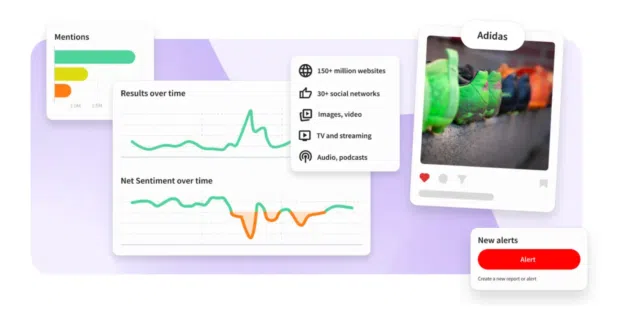
-
Sales Enablement Platforms:
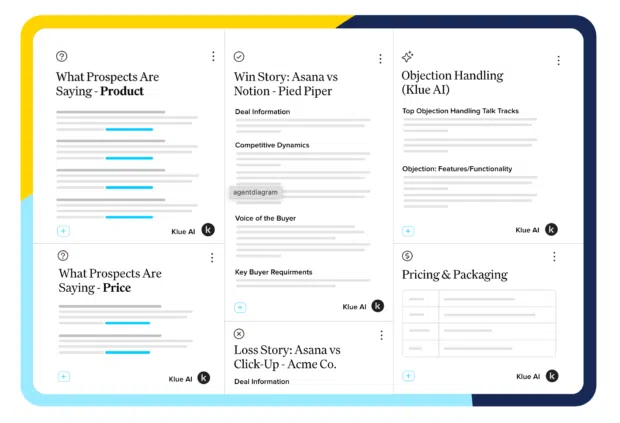
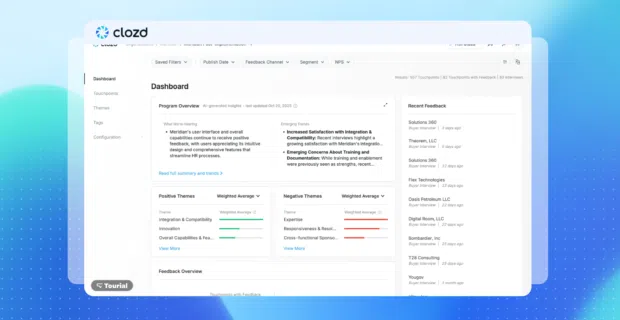
Designed specifically for revenue teams, these tools arm sales representatives with real-time competitive insights during critical deal cycles. They focus on creating "battlecards" – concise summaries of competitor strengths, weaknesses, pricing, and objection-handling strategies. These platforms often integrate seamlessly with Customer Relationship Management (CRM) systems like Salesforce, ensuring sales reps have immediate access to the intelligence they need to win deals. Klue is a prominent example, emphasizing the connection between competitive research and win/loss analysis. By analyzing deal outcomes and integrating call recordings, Klue helps refine battlecards and competitive positioning. Another specialized tool, Clozd, focuses exclusively on win-loss analysis, offering direct buyer feedback through human-led or AI-powered interviews to understand why deals are won or lost, providing invaluable insights that complement broader competitive monitoring. -
Digital Market Intelligence Tools:
These platforms specialize in tracking competitors’ online performance, making them indispensable for marketing, growth, and digital strategy teams. They provide granular data on website traffic, audience engagement, search engine performance, and advertising strategies. Similarweb is a leading player in this space, offering traffic and engagement estimations for virtually any website, allowing businesses to benchmark their digital performance against rivals. Its features include traffic source analysis, audience demographics, and conversion rate insights. Semrush, while primarily known as an SEO platform, also offers robust competitive features, enabling users to analyze competitor keyword rankings, estimated ad spend, organic and paid traffic sources, and backlink profiles. These tools provide a crucial understanding of digital market share and effectiveness.
-
Social and Brand Intelligence Tools:
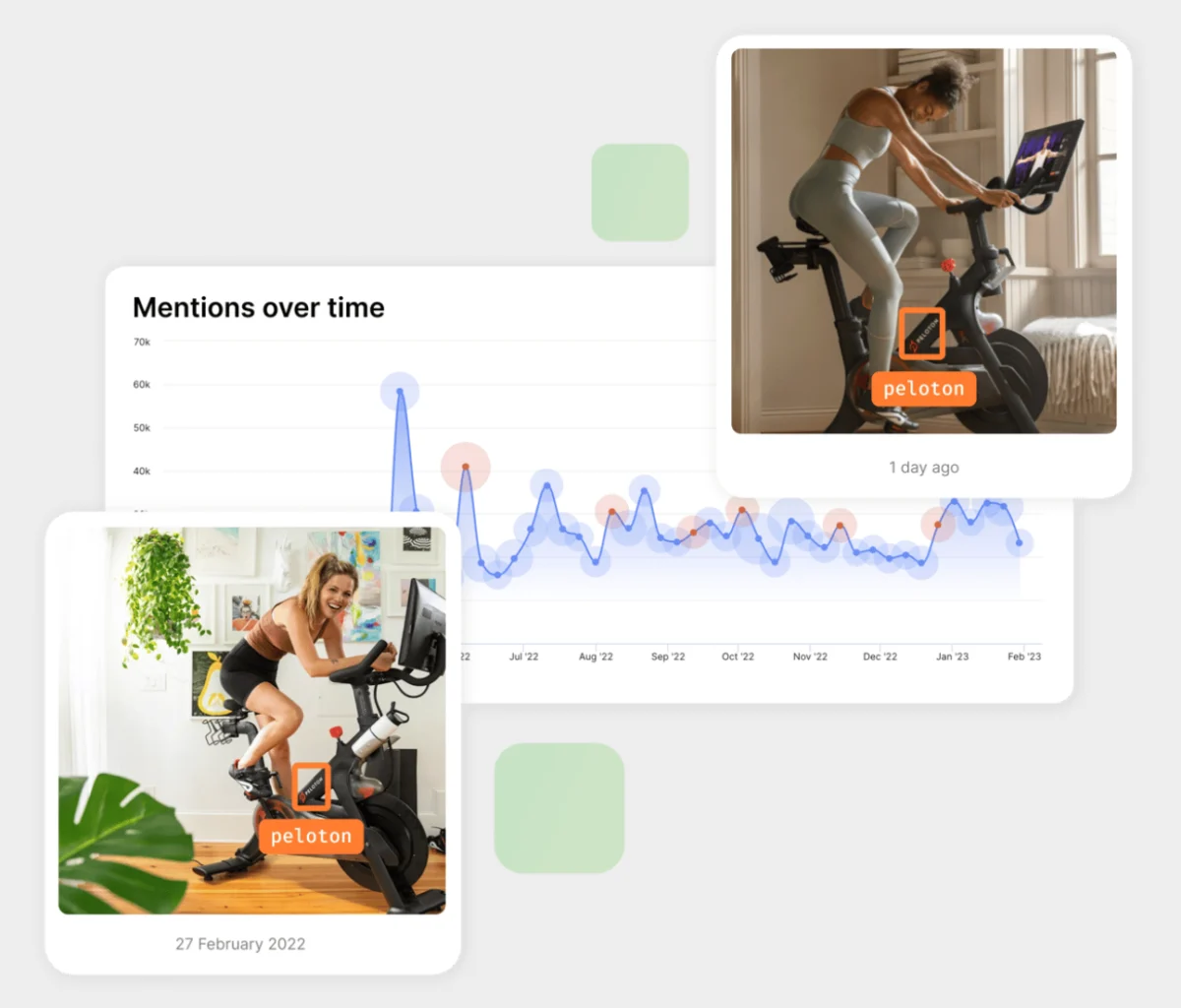
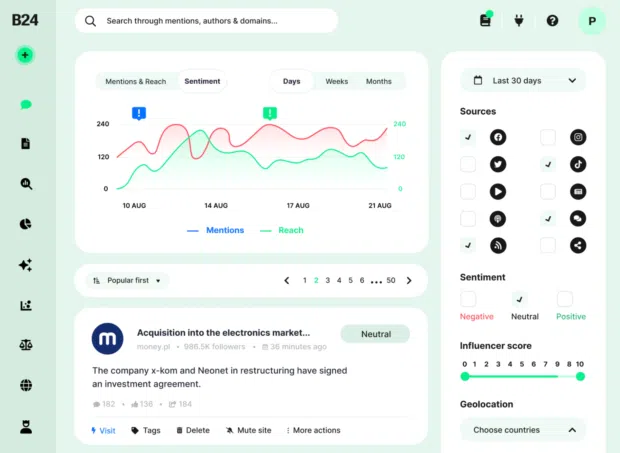
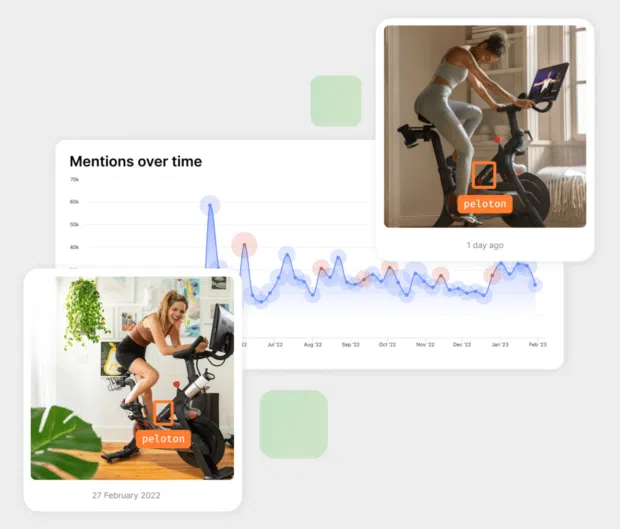
With social media playing an ever-growing role in brand perception and customer engagement, these tools focus on monitoring conversations about competitors (and one’s own brand) across social networks, blogs, forums, and review sites. They track mentions, analyze sentiment, identify trending topics, and measure share of voice. Lumen, a social listening and market intelligence platform, monitors over 150 million sources and 30+ social networks, offering real-time insights into brand perception, sentiment, and market signals. Paired with AI agents like Hootsuite’s Wisdom, it can provide quick summaries and actionable recommendations. Other notable tools include Brand24, which offers accessible social listening for solo marketers and small teams, tracking mentions across 25M+ online sources. YouScan stands out for its visual recognition capabilities, scanning images for logos and brand mentions even without accompanying text, making it ideal for visually-driven brands in sectors like fashion or food and beverage.
Market Dynamics and Growth Drivers

The competitive intelligence software market is experiencing robust growth, driven by several macro trends. Industry analysts project the global competitive intelligence market to expand significantly in the coming years, with some estimates placing its value in the billions of dollars, growing at a compound annual growth rate (CAGR) well into double digits.
Key drivers for this expansion include:
- Accelerated Digital Transformation: The increasing digitalization of business operations and customer interactions means more data is generated online, making digital monitoring tools more powerful and necessary.
- Globalization and Market Fragmentation: Businesses operate in increasingly globalized and fragmented markets, facing competition from diverse sources, necessitating comprehensive monitoring capabilities.
- Data Overload and the Need for Actionable Insights: The sheer volume of available data makes manual analysis impractical, pushing companies towards AI-powered solutions that can distill noise into actionable intelligence.
- Emphasis on Customer-Centricity: Understanding competitor customer feedback and sentiment is crucial for improving one’s own customer experience and product offerings.
- Agility and Responsiveness: Rapid market changes demand quicker decision-making. CI software provides real-time insights, enabling businesses to react swiftly to competitive moves and market shifts.
- Rise of AI and Machine Learning: These technologies are making CI platforms more sophisticated, capable of predictive analytics, nuanced sentiment analysis, and automating complex data correlations.
Strategic Imperatives: The Business Impact
The adoption of competitive intelligence software has profound implications across various business functions, fostering a culture of informed decision-making and strategic agility.
- Enhanced Strategic Planning: By providing a clear, data-driven understanding of the competitive landscape, CI tools enable leadership to formulate more effective long-term strategies, identify untapped market opportunities, and mitigate potential risks.
- Optimized Product Development: Product teams can leverage CI to identify feature gaps, understand competitor product roadmaps, and gauge market reception to new launches, ensuring their offerings remain innovative and relevant.
- Sharpened Marketing and Sales Campaigns: Marketing teams can uncover competitor messaging, advertising strategies, and successful content themes to refine their own campaigns, improve SEO performance, and identify new customer segments. Sales teams, armed with battlecards and win/loss insights, can more effectively differentiate their offerings and overcome objections, leading to higher conversion rates.
- Improved Pricing Strategies: Real-time monitoring of competitor pricing allows businesses to adjust their own strategies dynamically, ensuring competitiveness without undermining profitability.
- Proactive Risk Management: Early detection of competitive threats, shifts in market sentiment, or potential crises allows companies to respond proactively, protecting brand reputation and market share.
- Fostering a Competitive Culture: By democratizing access to competitive insights, these tools empower employees across departments to make more informed decisions aligned with strategic goals, fostering a more agile and competitive organizational culture.
Key Considerations for Adoption
Choosing the right competitive intelligence tool is a strategic decision that goes beyond merely reviewing a feature list. Industry experts like Ryan Scanlon, Founder of Organically, emphasize the importance of evaluating how a tool integrates into existing workflows and delivers ongoing value.
- Workflow Integration, Not Just Features: A tool’s true value is measured by its ability to integrate seamlessly into a team’s daily operations. The best solutions reduce friction, minimize extra steps, and don’t require a single highly motivated individual to sustain their use. Assessing the effort required to build a repeatable process and the likelihood of consistent team adoption is paramount.
- Trend Tracking Over Static Snapshots: While a snapshot of competitor activity is useful, the real intelligence lies in tracking changes and trends over time. Tools that store historical data and allow for comparative analysis provide deeper insights into competitive trajectories, market shifts, and the evolution of brand perception. As Scanlon notes, "Watching a competitor’s numbers move tells you far more than any snapshot." This is especially critical for social and brand intelligence, where shifts in sentiment or share of voice are the core insights.
- Compatibility with Existing Tech Stacks: To maximize adoption and efficiency, competitive intelligence tools should integrate well with other platforms already in use, such as CRMs, social media management tools, or internal communication channels like Slack. Pushing insights directly into familiar environments ensures that intelligence reaches the right people at the right time, minimizing the "adoption ramp" often associated with new software.
The Future of Competitive Intelligence
The trajectory of competitive intelligence software points towards even greater sophistication and integration. The future will likely see:
- Enhanced Predictive Analytics: More advanced AI models will move beyond identifying current trends to predicting future competitive moves and market shifts with greater accuracy.
- Deeper Cross-Platform Integration: Seamless integration across an even wider array of business tools, creating a truly unified intelligence ecosystem.
- Hyper-Personalized Insights: Tailored intelligence delivery to individual users based on their roles and specific information needs.
- Ethical AI and Data Governance: Increased focus on ethical data sourcing, privacy, and transparent AI models to build trust and ensure compliance.
In conclusion, competitive intelligence software has evolved from a niche analytical tool into a strategic imperative for any business aiming to thrive in the modern landscape. By automating the meticulous work of competitor monitoring and delivering actionable insights, these platforms empower organizations to make informed decisions, innovate faster, respond proactively to market dynamics, and ultimately, secure a sustainable competitive advantage. The investment in robust CI tools is no longer a luxury but a fundamental component of strategic resilience and growth.