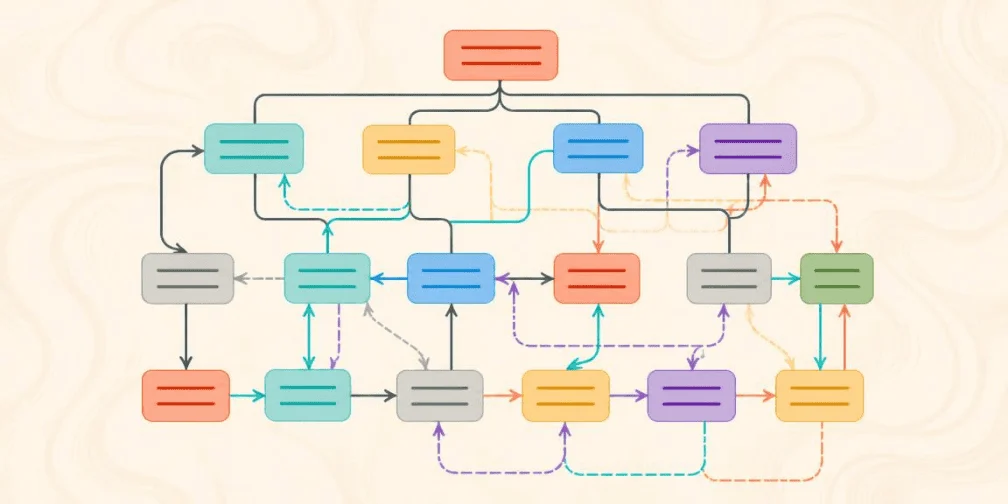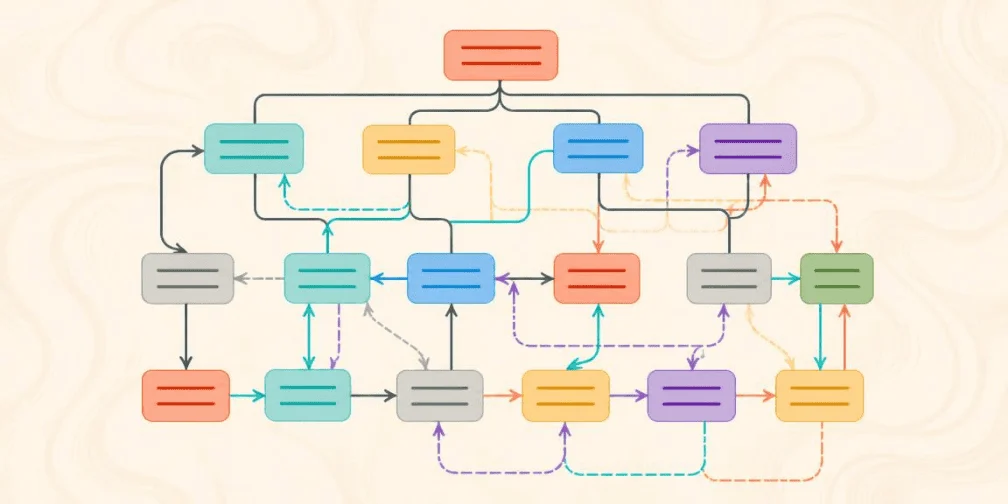
Organizational charts, the visual blueprints of corporate hierarchies, are rarely the product of deliberate, strategic design. More often, they are the cumulative result of reactive decisions, an inheritance passed down through a series of necessary but unexamined adjustments. These shifts, such as absorbing a department during a hiring crunch, merging teams when a manager departs, or maintaining a function long after its original purpose has evolved, can lead to significant inefficiencies. This article delves into the pervasive costs of such structural drift – including duplicated efforts, stalled decision-making, and broken handoff processes – and offers actionable questions for leadership to bridge the gap between the organizational chart they possess and the one their business truly needs.
By Lisa Heay, Vice President of Business Operations at Heinz Marketing
The genesis of an organizational chart is seldom rooted in a grand strategic vision. Instead, when asked about the rationale behind their team’s structure, leaders often recount a series of anecdotes, a narrative of pragmatic, immediate solutions. A team member’s departure might lead to their responsibilities being absorbed by an already overloaded manager, simply because there was no immediate capacity to reassess reporting lines. A specialized role might be created for an individual excelling at a particular task, leading to a reporting structure that no longer aligns with the evolving functional needs of the organization. Entire teams might persist to support product lines that have since been discontinued, a relic of past priorities.
These structural configurations are not born from intentional design but are inherited. Each decision, while perhaps sensible in its isolated context, contributes to a gradual divergence where the visual representation of the organization ceases to reflect the actual flow of work. This phenomenon is not unique to large corporations; it permeates businesses of all sizes, creating unseen friction that erodes productivity and hinders agility.
The Escalating Problem of Structural Drift
The concept of structural drift mirrors the well-documented issue of job description drift. Just as an individual’s role can evolve significantly from its initial written description, often accelerated by the integration of new technologies like AI that automate certain tasks without formally updating the role, so too can entire organizational structures become misaligned with current operational realities. Reporting lines, once logical pathways for collaboration and decision-making, can become circuitous routes, no longer reflecting who truly needs to engage with whom to achieve objectives. This is the same fundamental problem of misalignment, simply magnified from an individual’s perspective to that of an entire enterprise.
Manifestations of Friction in the Modern Workplace
The consequences of this structural misalignment are rarely overt declarations of inefficiency. Instead, they manifest subtly, often disguised as standard operational challenges. One common symptom is the duplication of effort between departments. When clear boundaries for responsibilities are absent or outdated, teams may unknowingly embark on similar projects, consuming valuable resources and creating internal competition rather than synergy.
Decision-making processes can become significantly protracted. A critical approval might languish for weeks because the designated authority figure no longer possesses the contextual understanding required to make an informed decision. This context may have shifted to another individual or team during a past reorganization that was never fully finalized or communicated. The result is a bottleneck, not of capacity, but of misalignment.
Furthermore, routine handoff processes, which should be seamless transitions between individuals or teams, can become convoluted. What was once a straightforward transfer of information or responsibility might now involve multiple intermediaries, each having inherited a fragment of a role that has long since been reallocated or absorbed elsewhere. This adds layers of complexity, increasing the potential for errors and delays.
Case Study: The Evolving Demand Generation Function
Consider a typical demand generation function. Initially, it might comprise a single individual responsible for email campaigns and website form management. Over time, as the business grows and needs arise, this role might naturally expand. The individual could take on lead scoring responsibilities, then event follow-up, and perhaps even contribute to sales enablement content creation, simply because they possess the necessary skills and capacity. Crucially, these additions are often made without a formal reassessment of whether demand generation remains the most logical functional home for these evolving responsibilities. They become part of the role due to proximity and competence, not strategic alignment.
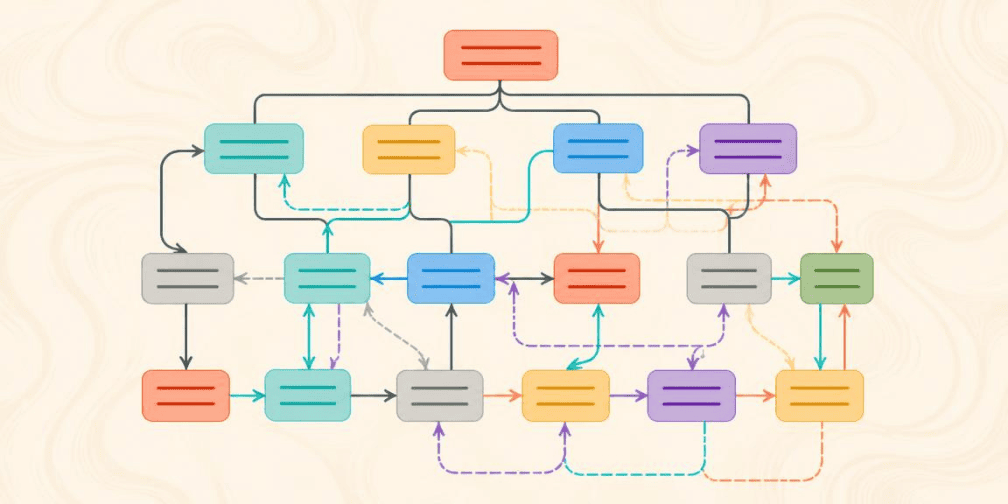
Now, imagine this demand generation function reporting to a director whose primary expertise lies in brand management, not the intricacies of lifecycle marketing. Concurrently, a significant portion of the team’s key stakeholders reside within sales operations, a department with which they have no formal reporting relationship. This disconnect can lead to challenges in prioritizing initiatives. Quarterly goals might be driven by the loudest voice in the room or the most pressing concern of a non-aligned manager, rather than by what demonstrably drives pipeline growth. This scenario is a direct consequence of growth outpacing the willingness to pause and redefine organizational boundaries.
The Accelerating Impact of Artificial Intelligence
The integration of Artificial Intelligence (AI) tools, while promising significant gains in efficiency, does not resolve underlying structural issues; instead, it often amplifies them. AI can accelerate the creation of initial drafts, analyses, or other preliminary outputs. However, if the subsequent approval chain is still routed through individuals whose roles within that chain are no longer functionally relevant or strategically aligned, these accelerated inputs will merely exacerbate the existing bottlenecks. The speed offered by AI does not inherently fix a structure that was never designed to accommodate the current scope and complexity of the work being performed. The faster flow of information encounters the same antiquated, misaligned gatekeepers.
A Strategic Shift in Questioning
To effectively address these pervasive organizational challenges, a fundamental shift in leadership questioning is required. Instead of inquiring about who currently owns a particular task or responsibility, a more insightful approach involves posing a hypothetical, strategic question: "If we were building this function from scratch today, with our current understanding of the work and its demands, would we structure it this way?" In most instances, the honest answer will be a resounding "no." The divergence between this candid assessment and the existing organizational chart represents the core problem that warrants dedicated attention and resolution.
The most effective path forward begins with mapping desired outcomes to specific teams, rather than simply assigning individuals to predefined boxes. By clearly defining which results each team is accountable for, the optimal structure required to achieve those results becomes far more apparent. This clarity also highlights where the current organizational design falls short of supporting those objectives.
Moving Beyond Blame: A Focus on Evolution
It is crucial to emphasize that structural drift is rarely a reflection of individual failure or incompetence. Organizations operate in dynamic environments, and rapid business evolution is often prioritized over periodic, fundamental structural reassessments. The tendency is to maintain a "mostly working" system until it demonstrably breaks. This is not a sign of poor management, but rather a consequence of competing priorities and the inherent inertia of established structures.
Furthermore, addressing these misalignments does not always necessitate a complete, disruptive organizational overhaul. Often, the most impactful solutions can be targeted. This might involve clarifying a single, problematic handoff between two teams or re-evaluating the scope of a function that has clearly outgrown its initial designated role. Regardless of the scale of the intervention, an honest appraisal of the current structure’s alignment with ongoing work is essential, particularly before implementing new initiatives, especially those leveraging advanced technologies like AI.
Identifying Areas for Improvement: A Practical Framework
To initiate the process of structural recalibration, a focused approach is recommended. Leaders are encouraged to select one function that currently exhibits the most significant signs of entanglement or inefficiency. Within that chosen function, asking three critical questions can illuminate the root causes of the misalignment:
- What are the ultimate outcomes this function is responsible for achieving? This question forces a focus on the desired results, moving beyond the day-to-day tasks.
- Who are the primary internal and external stakeholders this function must effectively collaborate with to achieve those outcomes? This identifies critical dependencies and potential communication gaps.
- What are the key handoffs and decision points involved in delivering these outcomes, and are they currently efficient and clear? This targets process friction and potential bottlenecks.
These questions consistently reveal a recurring pattern: work that has outgrown the original boundaries established during a previous problem-solving phase. The true starting point for improvement, therefore, is not a sweeping, company-wide reorganization, but a candid examination of where the current organizational shape no longer aligns with the dynamic nature of the work being performed.
For organizations where the team structure feels more like an accidental inheritance than a deliberate design, expert assistance can be invaluable. Engaging with specialists in business operations and organizational design can provide an objective perspective, helping to identify and address areas of friction. A proactive dialogue, initiated through direct communication with relevant consulting firms, can facilitate a thorough review and strategic adjustments, ensuring that organizational structures evolve in lockstep with business objectives and operational realities. This dedicated attention is vital for fostering agility and maximizing the potential of every team within an organization.