rifanmuazin
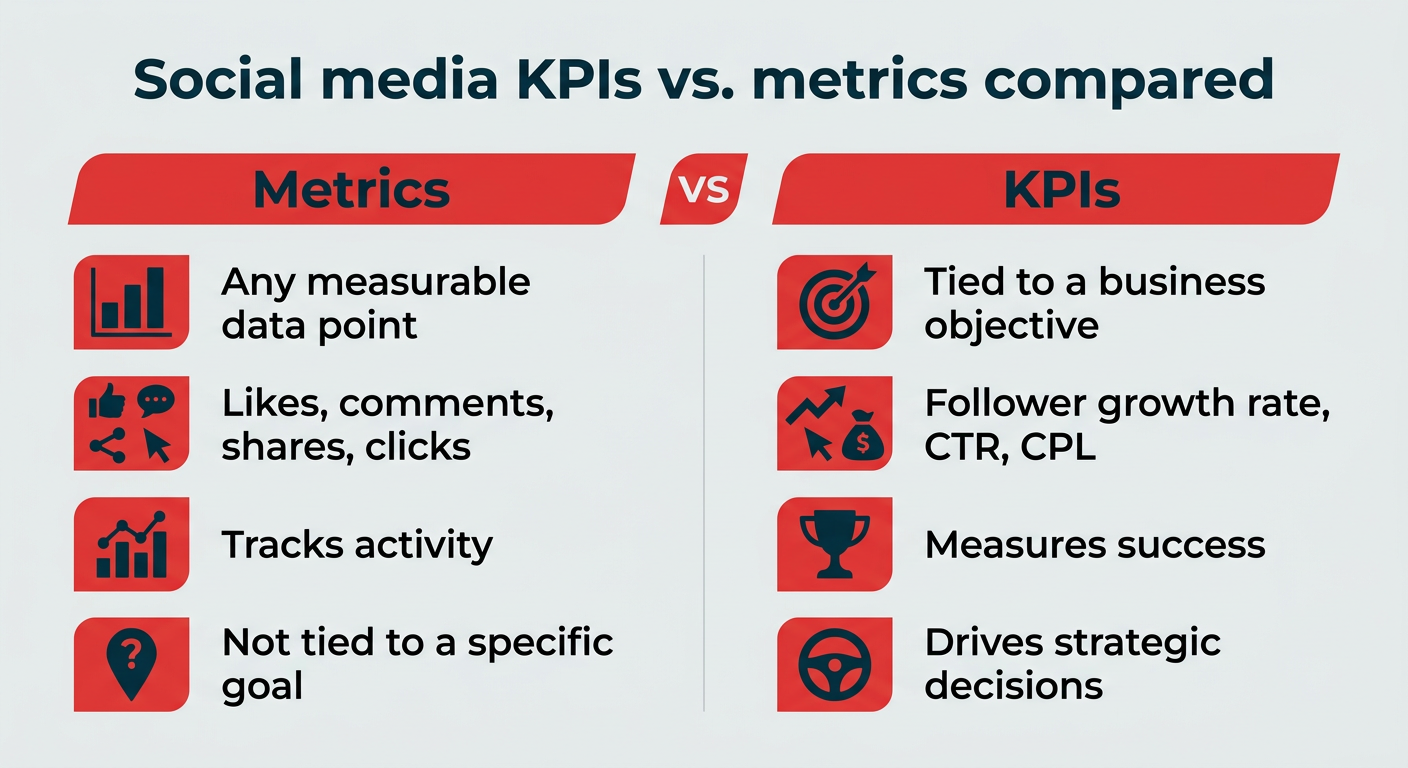
In the rapidly evolving digital landscape, where brand presence on social platforms is not merely an option but a strategic imperative, Social Media Key Performance Indicators (KPIs) stand as the bedrock of effective, data-driven strategy. These critical numerical benchmarks serve as the definitive measure of a social media strategy’s efficacy, meticulously linking digital activities to tangible business outcomes. Unlike general metrics, such as a mere count of impressions or likes, KPIs are precisely calibrated to align with overarching corporate objectives, providing a clear compass for navigating the complexities of online engagement and conversion.

The Evolving Imperative of Strategic Social Media Measurement

The digital marketing realm has undergone a profound transformation, moving beyond rudimentary engagement counts to demand sophisticated analytical frameworks. What once might have been considered "vanity metrics"—impressions, likes, or follower counts without deeper context—have been supplanted by a rigorous focus on KPIs that directly reflect business value. This shift is particularly pertinent in an era where social networks are projected to command over $121 billion in U.S. advertising spend by 2026, according to eMarketer. With such significant investments, the mandate for accountability and demonstrable return on investment (ROI) has never been clearer. Senior marketing leaders, with 46% of Chief Marketing Officers (CMOs) prioritizing growth in 2026, recognize that social media must actively contribute to the bottom line, rather than merely existing as a promotional appendage.
The journey of a social media strategy, from conception to execution, is fraught with variables. Without clearly defined KPIs, teams risk expending resources on activities that, while generating superficial engagement, fail to move the needle on core business objectives. KPIs provide the necessary focus, ensuring that every campaign, every post, and every interaction is directed towards a measurable goal. They act as a continuous feedback loop, enabling teams to track performance over time, identify successful tactics, and pivot quickly from underperforming initiatives. This strategic discipline fosters a culture of continuous improvement, turning raw data into actionable insights that optimize resource allocation and enhance overall strategic effectiveness.
Distinguishing KPIs from General Metrics: A Crucial Distinction
A common pitfall in social media reporting is the conflation of KPIs with general metrics. While all KPIs are indeed metrics, the inverse is not true. A metric is any quantifiable data point, such as the number of followers, post reach, or shares. A KPI, however, is a key metric specifically chosen because it directly indicates progress towards a defined business objective. For instance, if a brand’s objective is to amplify brand awareness, metrics like impressions and total reach are relevant. Yet, the KPI might be audience growth rate or social share of voice, as these directly measure the expansion and prominence of the brand’s presence within its competitive landscape.

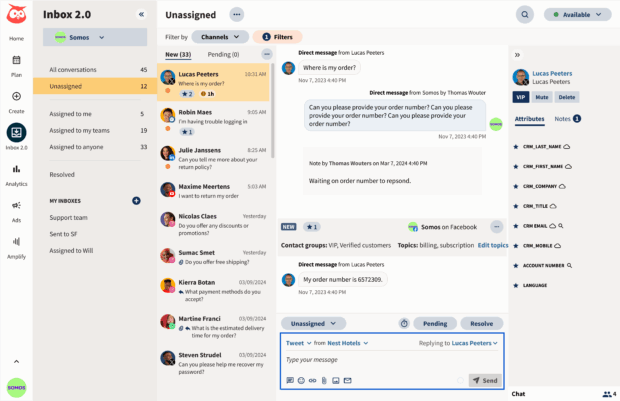
Consider a scenario where the primary goal is customer care excellence. While tracking the total number of customer inquiries (a metric) is useful for workload management, the KPIs would focus on metrics that reflect service quality and efficiency, such as average response time or first contact resolution rate. These specific indicators directly inform whether the brand is meeting its customer service objectives and fostering positive customer experiences. This distinction underscores the importance of intentionality in measurement: every chosen KPI must serve as a direct answer to the question, "Is our social media work driving us closer to our business goal?"

The Strategic Imperative: Why Robust Social Media KPIs Matter for Brands and Teams
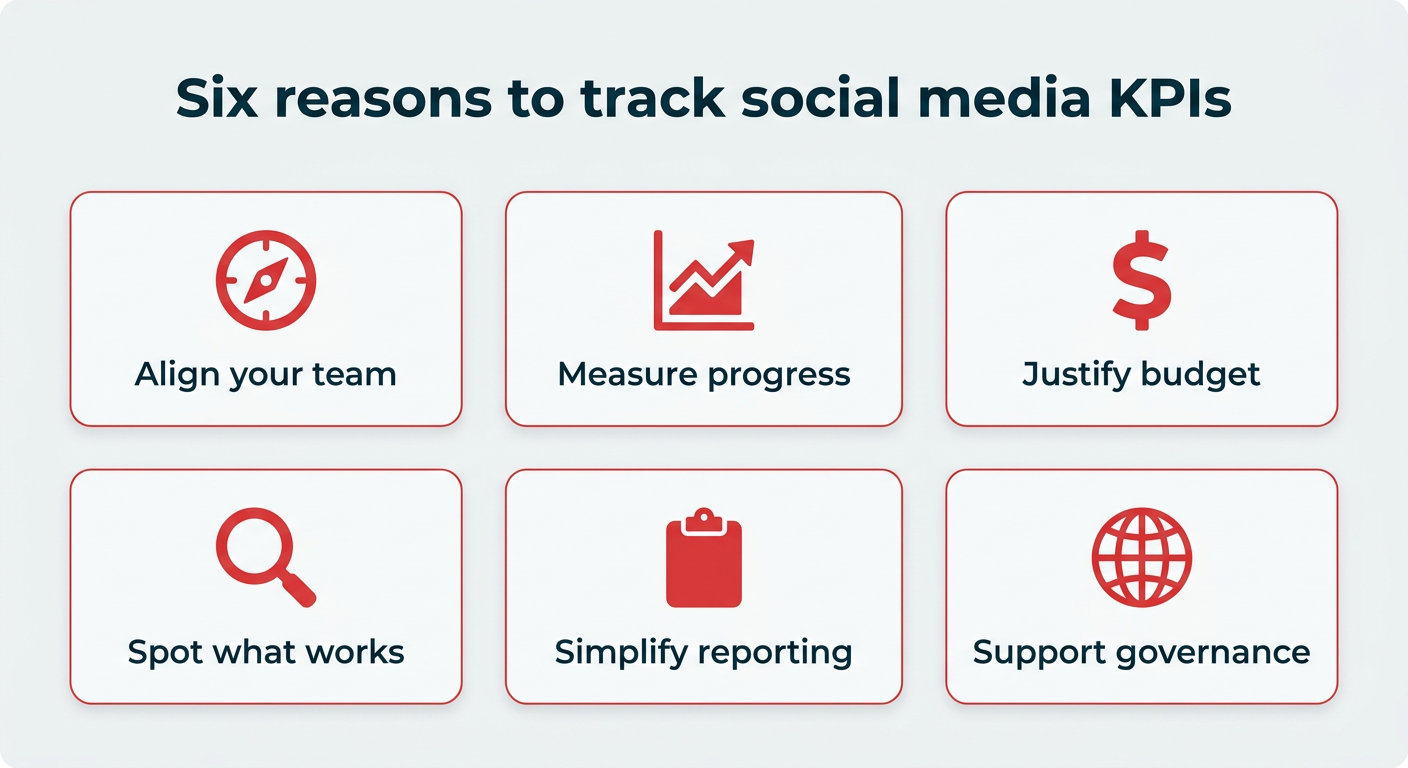
The adoption of a comprehensive KPI framework is not merely an administrative exercise; it is a strategic imperative that underpins success in the digital age. For brands and their social media teams, tracking KPIs offers multifaceted benefits:

- Focused Effort and Prioritization: KPIs cut through the noise of abundant social data, directing teams to concentrate on the metrics that genuinely correlate with business growth. This prevents dilution of effort and ensures resources are channeled effectively.
- Demonstrable Impact and ROI: By linking social activities to measurable outcomes, KPIs enable teams to quantify the financial and strategic value of their work. This is paramount for justifying budgets, securing further investment, and demonstrating the tangible return on social media efforts.
- Informed Decision-Making: KPIs provide the data necessary for strategic adjustments. When performance dips or excels, the specific KPI pinpoints the area requiring attention, enabling data-backed optimizations rather than guesswork. Weekly check-ins allow for tactical adjustments, while monthly reviews facilitate strategic evaluation.
- Optimized Resource Allocation: Understanding which strategies and platforms yield the best results against specific KPIs allows for smarter allocation of budgets, personnel, and creative resources.
- Enhanced Accountability and Goal Alignment: Clear KPIs establish benchmarks for success, fostering accountability within teams and ensuring that social media objectives are tightly integrated with broader marketing and business goals.
- Competitive Advantage: By consistently monitoring and optimizing against KPIs, brands can identify market trends, outperform competitors, and maintain agility in a dynamic digital environment.
A Comprehensive Framework for Measurement: The Six Pillars of Social Media KPIs
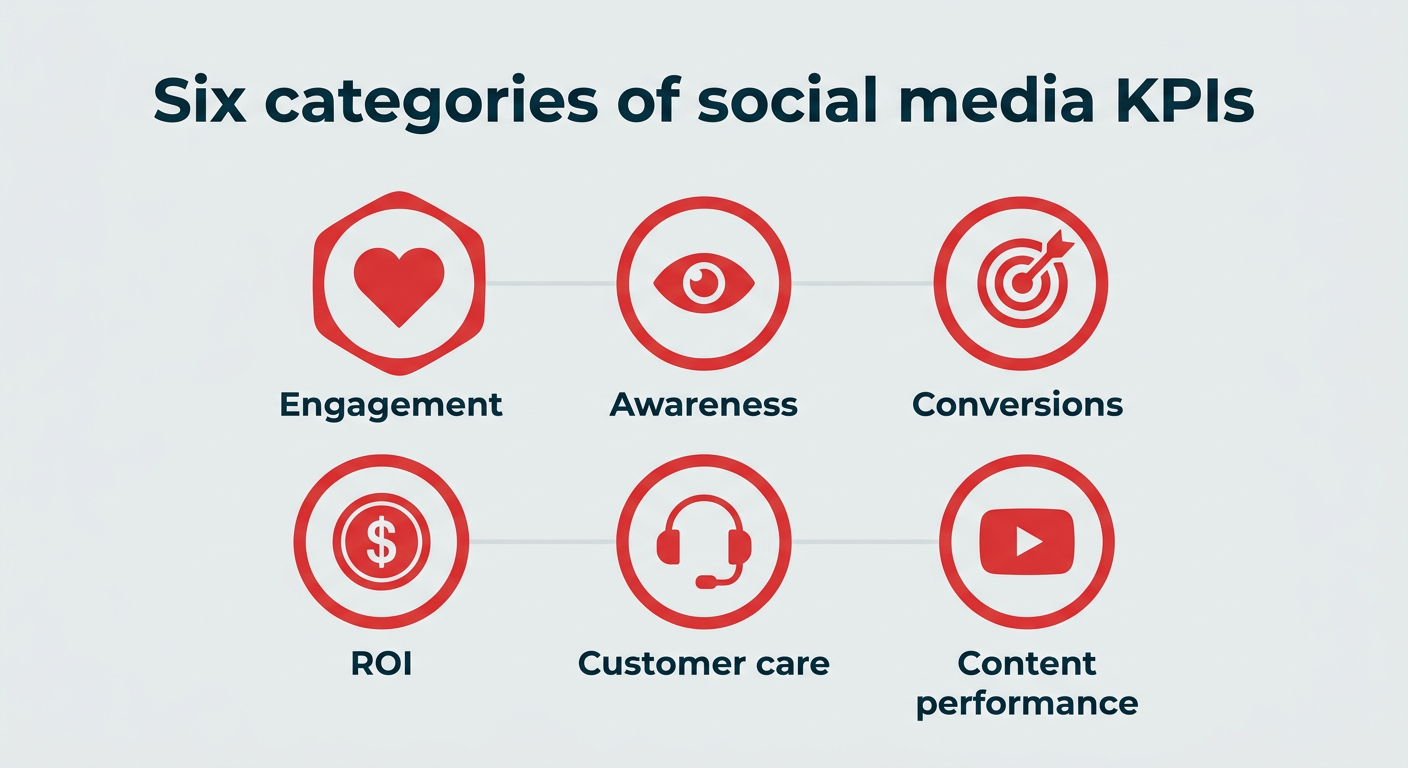
For brands navigating the social media landscape in 2026 and beyond, KPIs can be broadly categorized into six essential pillars, each addressing a distinct facet of strategic performance: Engagement, Awareness, Conversions, Return on Investment (ROI), Customer Care, and Content Performance. These categories form the foundation upon which granular, SMART (Specific, Measurable, Achievable, Relevant, Time-bound) targets can be built, tailored to specific business objectives. Typically, tracking 3 to 5 core KPIs per business objective is recommended to maintain focus without becoming overwhelmed by data.
1. Engagement KPIs: Measuring Audience Interaction and Connection
Engagement KPIs delve into the quality and depth of interactions between a brand and its audience. They reveal whether content resonates, fosters community, and incites action beyond passive consumption. High engagement signifies a connected and receptive audience, crucial for brand loyalty and advocacy.
- Likes: The most basic form of interaction, indicating initial approval or interest. While often seen as a "vanity metric" in isolation, tracking trends in likes can reveal content preferences.
- Comments: A more significant indicator of engagement, requiring active thought and participation. However, sentiment analysis is crucial here, as comments can be positive or negative. Tools like Hootsuite can aid in tracking sentiment alongside comment volume, ensuring the quality of interaction is understood.
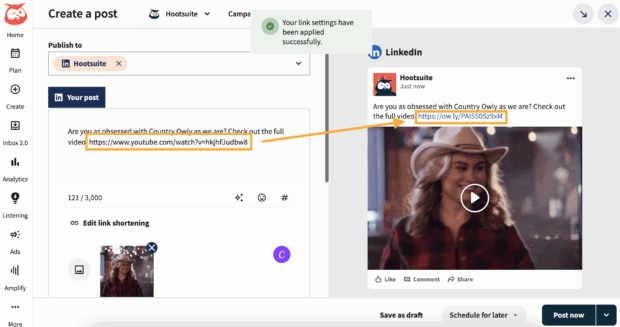
- Clicks: Essential for understanding how many users are moved to explore content beyond the social platform, such as visiting a blog post or product page. Utilizing URL shorteners like Ow.ly allows for precise click tracking within analytics dashboards.
- Shares: A powerful testament to content virality and perceived value. When users share content, they effectively endorse the brand to their own networks, significantly extending organic reach.
- Saves/Bookmarks: Indicates that content is deemed valuable enough for future reference, often signifying educational or highly useful material. This is a strong indicator of content utility and long-term interest.
- Average Engagement Rate: This overarching metric normalizes engagement across follower counts, dividing total engagement (likes, comments, shares, saves) by the total number of followers. It provides a standardized measure of content effectiveness.
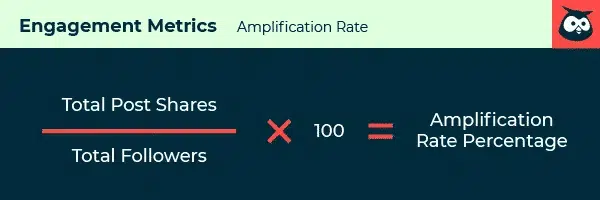
- Amplification Rate: Quantifies how much followers extend a brand’s reach by sharing content. A high rate suggests content is compelling enough for users to become brand advocates. It’s calculated by dividing the total number of shares by the total number of followers.
- Social Share of Voice: Measures a brand’s mentions relative to its competitors within a specific timeframe, offering insight into market relevance and brand prominence in industry conversations. Social listening tools are indispensable for this KPI.
2. Awareness KPIs: Expanding Brand Visibility and Recognition
Awareness KPIs are fundamental for brands aiming to broaden their reach, introduce new products, or establish recognition in competitive markets. These metrics quantify the sheer visibility of content and the growth of the brand’s potential audience.

- Impressions: The total number of times content was displayed to users. While not guaranteeing consumption, it indicates potential exposure and audience size. Tracking impressions alongside engagement rate helps gauge whether visibility translates into action.
- Follower Count: A snapshot of audience size at a given moment. Its significance is amplified when tracked in conjunction with audience growth rate to understand trends.
- Audience Growth Rate: Crucial for understanding the pace at which a follower base is expanding or contracting. This KPI highlights the effectiveness of audience acquisition strategies.
- Reach: The number of unique users who saw a post. Unlike impressions, which can count multiple views by the same user, reach provides insight into the breadth of a post’s unique viewership. This metric is influenced by factors like content quality and optimal posting times.
3. Conversion KPIs: Translating Social Activity into Business Outcomes
Conversion KPIs are paramount for demonstrating how social media directly contributes to tangible business objectives beyond mere engagement, such as website traffic, lead generation, or direct sales.
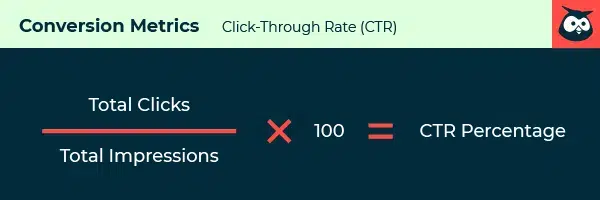
- Click-Through Rate (CTR): The percentage of people who viewed a post and clicked on the Call to Action (CTA) it included. This provides insight into whether content captures audience attention and inspires action.
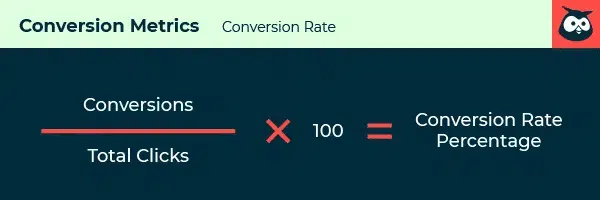
- Conversion Rate: Measures the percentage of users who complete a desired action after clicking a social media link (e.g., a purchase, form submission, or newsletter signup). A high conversion rate indicates content is effectively supporting sales or business growth.
- Bounce Rate: The percentage of visitors who leave a linked page immediately after clicking, without further interaction. A high bounce rate suggests a misalignment between social content and landing page experience, indicating that user expectations were not met.
- Cost Per Click (CPC): The average cost paid for each click on a social media advertisement. This KPI is vital for evaluating the efficiency and cost-effectiveness of paid social campaigns.
- Cost Per Thousand Impressions (CPM): The cost incurred for every 1,000 views of a social media ad. This metric is primarily relevant for awareness-focused campaigns, indicating the cost-effectiveness of broad reach. Understanding the sales funnel helps tie this exposure to real business growth.
4. ROI KPIs: Quantifying Financial Returns and Justifying Investment
Return on Investment (ROI) KPIs are perhaps the most critical for marketers, providing the financial justification for social media expenditures. These metrics directly link social media performance to business revenue and profitability. With social ad spending soaring, proving ROI is non-negotiable for securing budgets and strategic investment.

- Earned Media Value (EMV): An estimate of the monetary value of organic exposure (mentions, shares, positive sentiment) a brand receives, equating it to what equivalent paid media would cost. It quantifies the power of word-of-mouth marketing in financial terms.
- Cost Per Lead (CPL): The total cost (including ad spend, content creation, and platform fees) incurred to generate a single qualified lead from social media. Tracking CPL allows for direct comparison of social media’s lead generation efficiency against other marketing channels.
- Cost Per Acquisition (CPA): Extends CPL to measure the total cost to acquire a paying customer through social media, from initial touchpoint to conversion. A lower CPA signifies a highly efficient social sales funnel that effectively converts attention into revenue.
- Leads Generated from Social: The total number of leads (e.g., form fills, demo requests, newsletter signups) directly attributable to social media efforts. Utilizing UTM parameters and platform tracking tools, such as Hootsuite Advanced Analytics, is crucial for accurate attribution and demonstrating social media’s contribution to the sales pipeline.
5. Customer Care KPIs: Enhancing Brand Reputation and Loyalty
In an era where social media often serves as the first point of contact for customer service, these KPIs measure the efficiency and effectiveness of a brand’s social customer support, directly influencing brand perception and customer loyalty. Satisfied customers are more likely to become repeat buyers and brand advocates.
- Customer Satisfaction Score (CSAT): Gathers direct feedback on customer satisfaction following a social media interaction, typically through post-interaction surveys. Tools like Hootsuite Inbox can automate CSAT survey distribution and data collection.
- Net Promoter Score (NPS): Measures customer loyalty and willingness to recommend a brand. Derived from a single question ("How likely are you to recommend us to a friend?") on a