
 rifanmuazin
The global celebration of Mother’s Day presents a unique strategic advantage for email marketers, particularly due to the staggered observance dates across different regions. While the United Kingdom traditionally honors mothers in mid-March, coinciding with Mothering Sunday, the United States and a significant portion of Western Europe typically reserve the second Sunday in May for their tributes. This two-month differential offers a valuable proving ground for marketers, allowing those targeting the May celebration to analyze the performance, successes, and challenges faced by their UK counterparts. In an era increasingly defined by evolving inbox dynamics, the pervasive influence of artificial intelligence in content filtering, and persistent economic pressures, gleaning insights from earlier campaigns is not merely beneficial but critical for refining strategies, optimizing deliverability, and enhancing engagement. This analysis delves into eleven pivotal tactics that every email sender preparing for the May Mother’s Day campaigns should meticulously consider, drawing lessons from early-year market behaviors and technological shifts.
The Evolving Landscape of Mother’s Day Marketing

Mother’s Day remains a formidable retail event worldwide, consistently ranking among the top holidays for consumer spending. In the United States alone, consumers are projected to spend billions of dollars on gifts ranging from flowers and greeting cards to special outings and electronics. The emotional resonance of the occasion drives a significant volume of commercial activity, making it a prime target for robust marketing campaigns. However, the efficacy of these campaigns hinges on understanding contemporary consumer behavior and the technical nuances of email deliverability. The digital inbox is a crowded space, and the battle for attention is fiercer than ever. Marketers must contend with sophisticated spam filters, AI-powered email summaries, and user-driven content preferences, all of which influence whether a promotional message is seen, opened, and acted upon. The UK’s earlier Mother’s Day provides a real-world laboratory to observe how these factors play out, offering a crucial window into what resonates with consumers and what falls flat amidst a cacophony of digital noise.
1. Re-evaluating Opt-Out Sensitivity: Moving Beyond Reactive Messaging
The onset of the COVID-19 pandemic ushered in a wave of highly sensitive marketing practices, including the widespread adoption of “opt-out” emails for potentially emotionally charged events like Valentine’s Day and Mother’s Day. While initially a commendable gesture of empathy, these standalone messages have, for many brands, become a standard, almost obligatory practice. However, industry analysis suggests that these proactive opt-out emails can inadvertently draw attention to the very events some subscribers would prefer to overlook, potentially triggering negative associations. Data indicates that while a small percentage of subscribers utilize these opt-outs, the broader impact on brand perception can be counterproductive if the messaging itself becomes a recurring reminder of a painful subject.

Instead of dedicating separate campaigns to these opt-out options, a more refined approach is to integrate this choice seamlessly into an overarching, comprehensive preference center. This strategy, exemplified by brands like Hotel Chocolat, empowers subscribers to manage their communication preferences proactively and on their own terms. A robust preference center allows users to make a one-time selection to exclude themselves from specific seasonal or event-based communications, thereby avoiding repeated, potentially distressing notifications. This not only streamlines the customer experience but also reinforces a brand’s commitment to personalized communication and respect for individual sensitivities, fostering long-term loyalty rather than short-term avoidance. This shift aligns with broader trends in data privacy and user control, where consumers expect greater autonomy over their digital interactions.
2. Empowering Subscribers with Granular Control Over Communication Frequency
The principle of subscriber control extends far beyond sensitive event opt-outs. “Too many emails” consistently ranks as the leading reason for unsubscribes and spam complaints across various industries. This direct feedback from consumers underscores the critical need for marketers to offer more nuanced control over email frequency. Generic unsubscribe links, while legally compliant, often represent a complete loss of a subscriber, which is a costly outcome given the investment in acquisition.
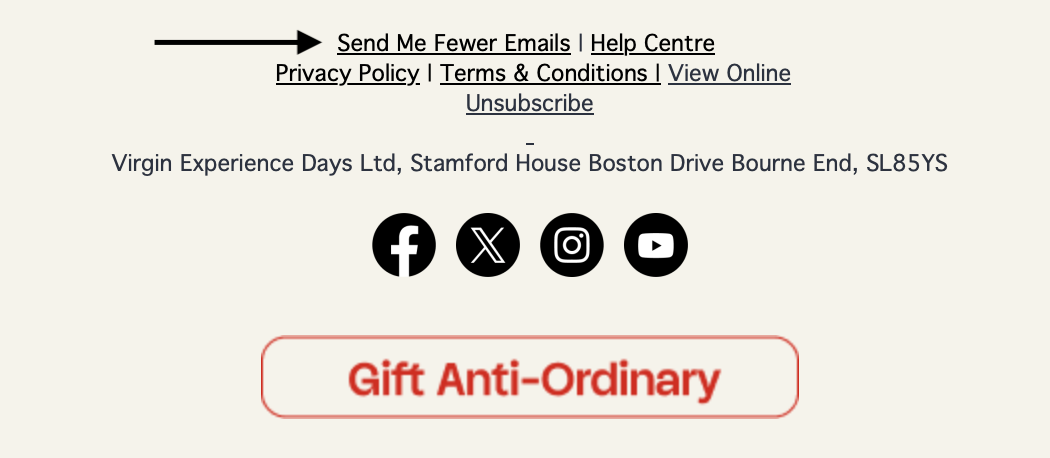
Forward-thinking brands like Virgin Experience Days have addressed this challenge by introducing a “send me fewer emails” option, allowing subscribers to reduce the frequency of communications with a single click. This intermediate option serves as a vital retention tool, preventing full unsubscribes by meeting subscribers halfway. Furthermore, a growing trend in 2024 and 2025 is the deployment of dedicated email campaigns specifically promoting the brand’s preference center. These campaigns educate subscribers about the various controls available to them, from content categories (e.g., promotions, newsletters, product updates) to desired frequency. Analytics show that brands actively promoting their preference centers experience a noticeable boost in engagement metrics and a reduction in churn rates, as subscribers feel more valued and in control of their inbox experience. This approach transforms potential disengagement into an opportunity for deeper, more relevant interaction.
3. The Enduring Power of Striking Visuals in a Multi-Modal Inbox
Despite advancements in AI-generated email summaries and content previews that aim to reduce the need for full message opens, the strategic importance of compelling imagery remains undiminished. In fact, its role is evolving. Many subscribers still rely on preview panes for a quick glance at an email’s content, and platforms like Gmail’s Annotations now actively select and display key email images directly within the Promotions tab. This means a captivating visual can significantly influence the decision to open or even engage with an email before it’s fully rendered.

High-quality, aesthetically pleasing visuals are not just about catching the eye; they are powerful tools for brand reinforcement and differentiation. Examples such as Belvedere’s elegant gift bag imagery, Cartier’s ingenious use of jewelry to recreate its butterfly logo, and dynamic GIFs from brands like Pizza Express demonstrate how creativity in visual design can stop a user mid-scroll. Investing in professional photography, bespoke graphics, or even cleverly animated GIFs can elevate an email campaign, making it more memorable and enticing. In an environment where AI may distill text, the visual narrative remains a uniquely human and impactful element, driving higher open rates and fostering stronger brand recognition.
4. Mastering the Art of the Scroll: Encouraging Deeper Engagement
Empirical research consistently shows that a significant portion of email recipients—often fewer than half—venture beyond the initial “fold” of an email, especially in an era of inbox overload. This means a considerable amount of valuable content, promotions, and brand messaging can go unseen. To combat this, marketers are increasingly employing subtle yet effective tactics to encourage scrolling.

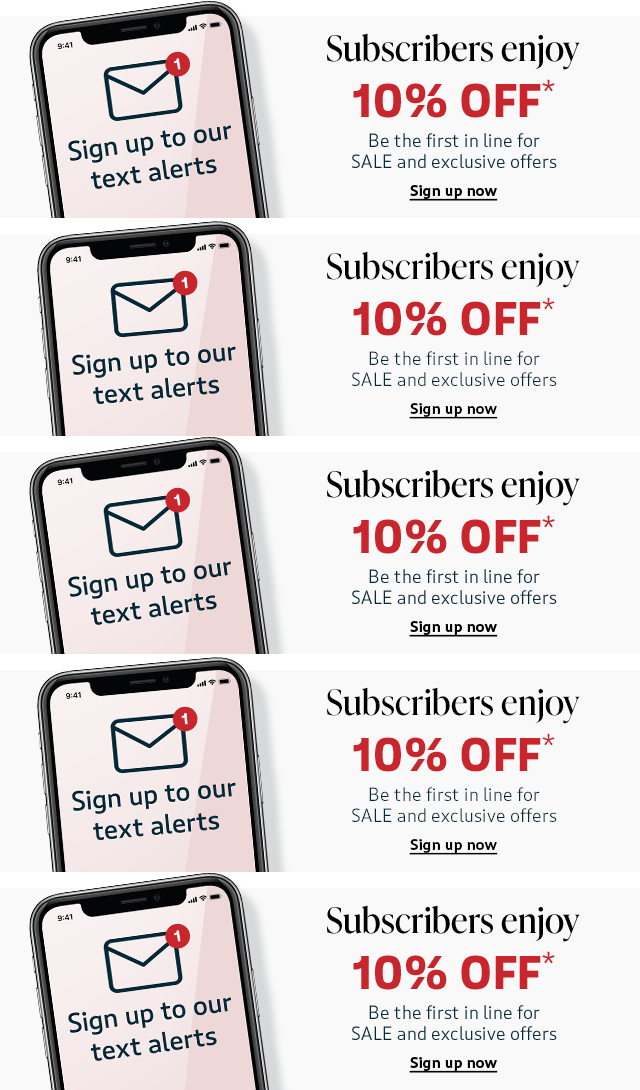
Some brands use explicit text-based prompts like “Scroll down for more!” or “Discover our full collection below.” Others incorporate visual cues such as downward-pointing arrows or micro-animations that subtly hint at further content. A particularly effective strategy is to incentivize the scroll, as demonstrated by Bloom & Wild with their “scroll to see how to win” message. By transforming scrolling into an interactive element with a clear reward, brands can significantly increase the likelihood of subscribers engaging with the entirety of their email content. This not only boosts the visibility of lower-placed offers or information but also creates a more dynamic and rewarding user experience, maximizing the impact of every email sent.
5. Cultivating Inspiration: Guiding the Gifting Journey
The pressure to select the perfect gift for Mother’s Day can be genuinely stressful for many consumers. In this context, helpful guidance and creative inspiration from brands are invaluable. Rather than simply listing products, effective email campaigns anticipate customer needs and offer solutions.

“Inspiration emails” shine in this regard. Interflora, for instance, excels by positioning itself as a helpful ally with messages like, “Don’t worry, we’re here to help. Here are a few top tips for a beautiful and stress-free Mother’s Day.” Their comprehensive approach often includes a short gift-finder quiz, curated suggestions for heartfelt card messages, reminders about international delivery options, a thoughtful nudge to celebrate both one’s own mother and the mother of one’s children, and a roundup of their most popular blooms. This multi-faceted guidance transforms the email from a mere sales pitch into a valuable resource. Similarly, Charlotte Tilbury leverages social proof by encouraging subscribers to “Shop Trending Now” with a dynamic display of the most-viewed products over the past seven days. By providing context, options, and solutions, these emails alleviate buyer anxiety and streamline the purchasing decision, leading to higher conversion rates and greater customer satisfaction.
6. Integrating Multi-Channel Strategies: The Power of SMS in a Crowded Inbox
In an increasingly fragmented digital landscape, successful marketing programs are inherently multi-channel. While email remains foundational, mobile, social media, and in-app notifications play crucial supporting roles. Many consumers now prefer mobile channels for post-purchase communications such as receipts, delivery updates, and tracking information due to their immediacy and convenience. Brands like Cotton Traders effectively solicit SMS opt-ins with clear value propositions and engaging micro-animations, expanding their communication reach.
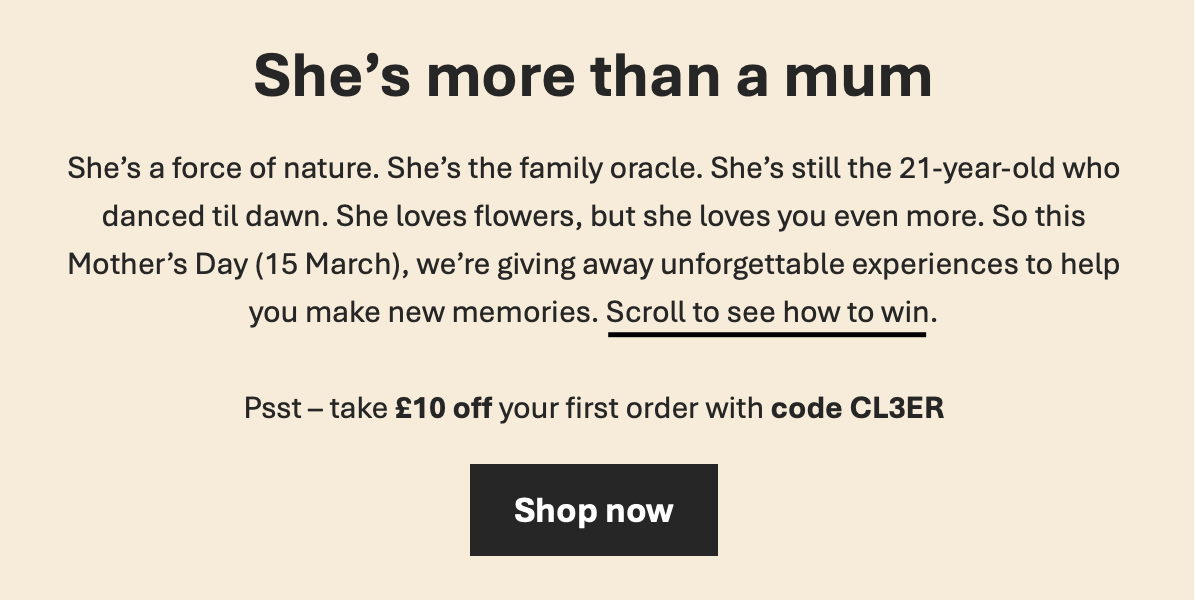
Beyond transactional messages, SMS is emerging as a critical tool to counteract the challenges of inbox de-prioritization. With platforms like Gmail employing relevance-sorted Promotions tabs, date-sensitive emails can sometimes be buried beneath messages deemed more relevant by AI algorithms. A strategically timed SMS message, such as “Don’t miss our Mother’s Day promotion—check your inbox today!” can serve as a powerful nudge, directing subscribers directly to the email campaign. This cross-channel synergy ensures that important, time-sensitive offers receive the attention they deserve.
Furthermore, marketers should actively leverage Gmail Annotations as part of their relevance toolkit. By explicitly specifying discounts, expiration dates, and product previews within the email code, brands can influence Gmail’s algorithms to display their messages more prominently. This can even earn a coveted “Featured Deal” card at the top of the Promotions tab, significantly boosting visibility and engagement without attempting to “game” the system.
7. Incentivizing Early Purchases: A Win-Win for Marketers and Consumers

For high-stakes events like Mother’s Day, encouraging customers to make their purchases well in advance offers substantial benefits for all parties involved. From a logistical standpoint, early orders alleviate pressure on website infrastructure, customer service teams, and fulfillment operations, preventing last-minute bottlenecks and potential delivery delays. From the customer’s perspective, early purchasing can be framed as a genuine advantage, reducing stress and ensuring timely arrival of gifts.
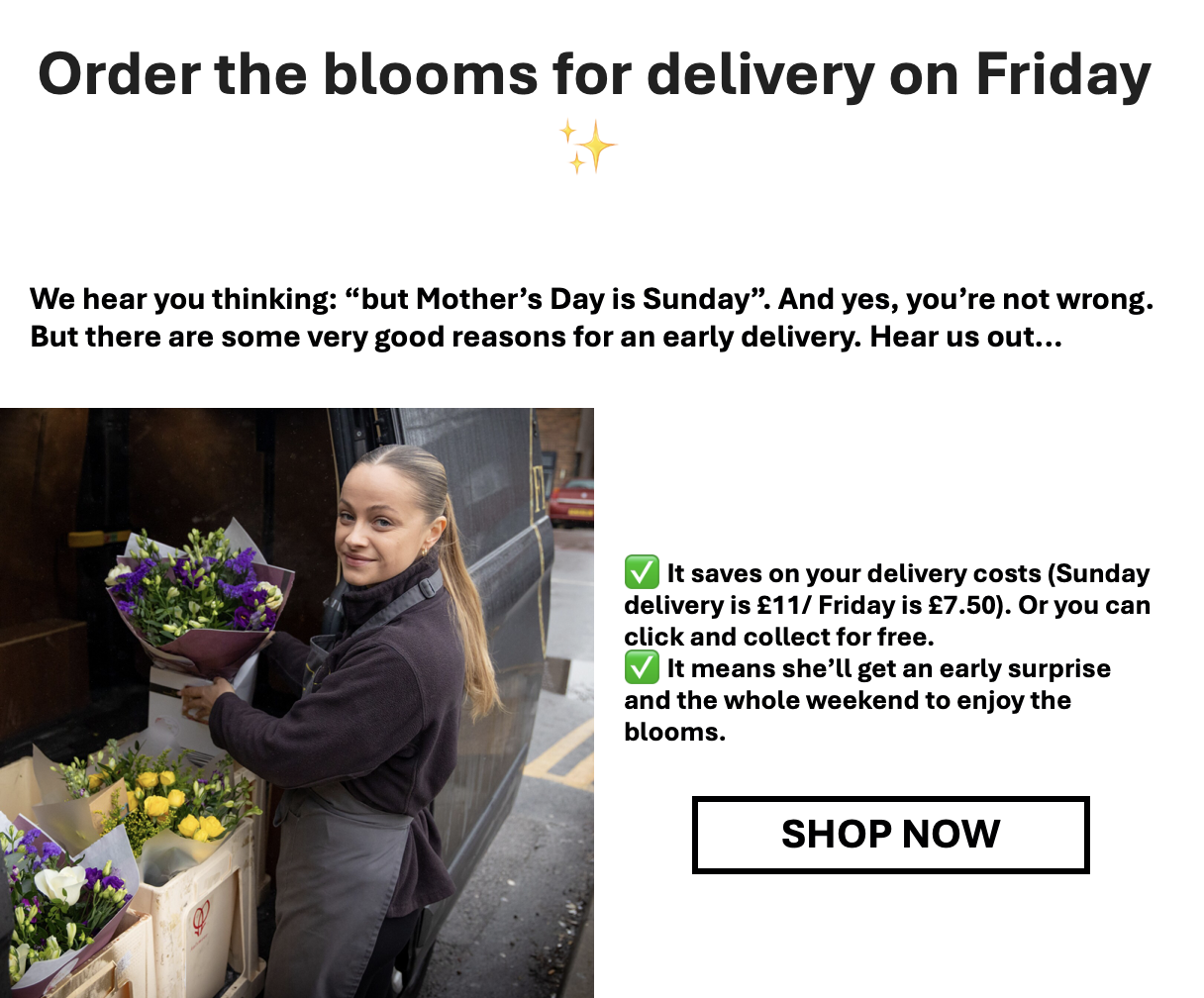
Interflora masterfully employs this strategy by offering incentives for early birds. Their messaging might highlight “cheaper delivery for early orders” or emphasize that ordering in advance allows “Mom to enjoy her flowers for the entire weekend.” Such propositions create a clear win-win scenario: customers save money and enjoy peace of mind, while the brand manages its operational load more effectively. This tactic not only boosts early sales but also contributes to a smoother overall customer experience, enhancing brand reputation through reliable service during peak periods.
8. Offering “Remember the Date!” Reminders: Preventing Last-Minute Panics

For every organized shopper, there’s a significant segment of consumers who, despite good intentions, are prone to forgetting important dates until the last minute—or worse, missing them entirely. This common human tendency presents an opportunity for brands to offer a valuable, customer-centric solution.
Interflora, again, provides an exemplary model with its “Remember the Date!” reminder service. This feature allows forgetful customers to set advance notifications for a range of special events, including birthdays, anniversaries, and Mother’s Day. Subscribers can customize how far in advance they wish to receive a reminder and are often rewarded with a discount or special offer for orders placed through this service. This thoughtful approach transforms potential customer frustration into a seamless, beneficial interaction. By helping customers avoid the embarrassment of a forgotten occasion, brands build trust and loyalty, positioning themselves as helpful partners rather than just vendors. This service not only drives repeat business but also reinforces the brand’s commitment to customer convenience.
9. Dynamic Content for Post-Event Relevance: Replacing Expired Offers Swiftly
Once a major holiday like Mother’s Day has passed, promotional emails related to that event rapidly become irrelevant. Retaining expired offers in active campaigns or on landing pages is a common misstep that can lead to increased email deletions, higher spam complaint rates, and a general erosion of subscriber trust. Customers expect current and pertinent information.
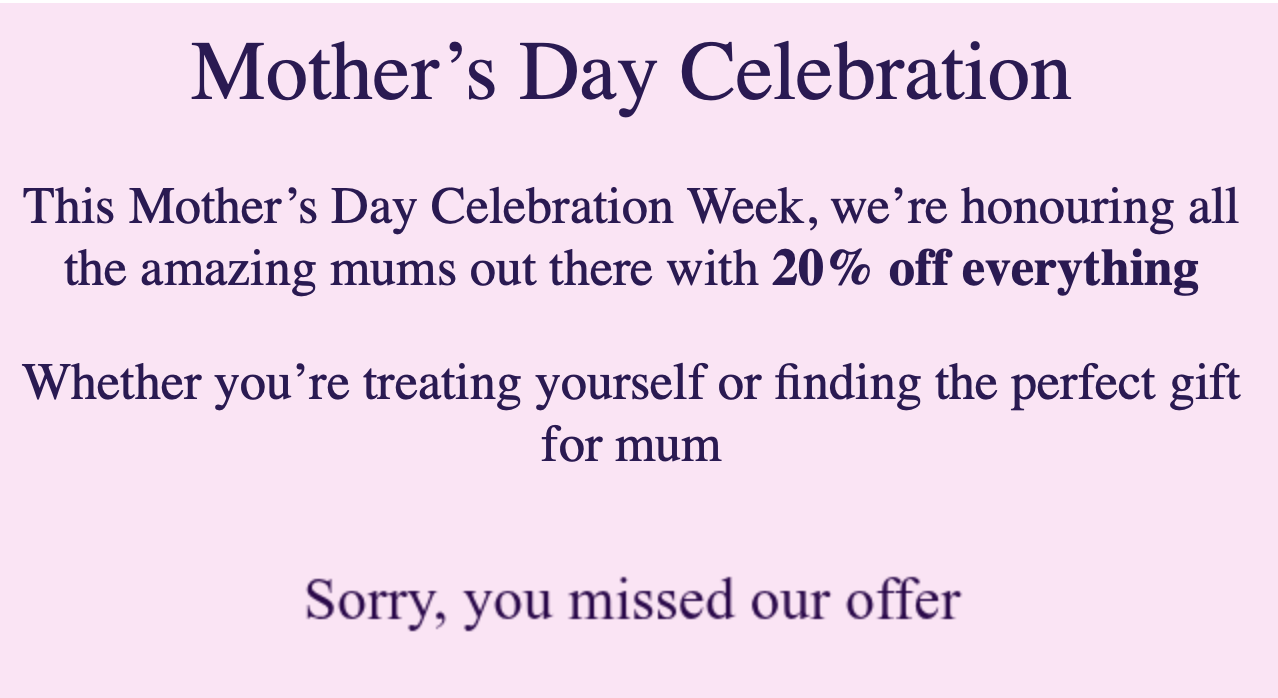
Smart marketers leverage dynamic content capabilities to automatically swap out expired offers with fresh, relevant promotions. While the original example of Look Fabulous Forever’s post-Mother’s Day email could have been optimized further (e.g., by immediately redirecting to an upcoming event like Easter), the core instinct to replace outdated content is correct. Implementing dynamic content ensures that subscribers always see the most current promotions, whether it’s a new seasonal collection, an upcoming sale, or general brand messaging. This proactive approach maintains engagement, reduces the likelihood of negative subscriber actions, and keeps the brand’s communication fresh and valuable.
10. Adhering to Inbox Norms: Avoiding Attempts to “Game the System”
A persistent misconception among some marketers is the belief that landing emails in the “Primary” inbox tab (particularly in Gmail) automatically guarantees greater visibility and engagement compared to the “Promotions” tab. This has led some brands, such as The White Company in the provided example, to actively encourage customers to manually recategorize their emails as “Primary.”
However, this practice is strongly cautioned against by major email service providers. Insights shared directly from representatives of Gmail, Microsoft, and Yahoo consistently emphasize that attempts to artificially manipulate inbox placement will be penalized. These providers have sophisticated algorithms designed to sort emails based on content and user interaction. Subscribers generally expect to find marketing and promotional emails in their Promotions tab and often interact with them there, making the tab an appropriate and effective channel for commercial messages. Forcing emails into the Primary tab against user expectations can lead to decreased deliverability, lower sender reputation scores, and increased spam complaints, ultimately harming long-term marketing effectiveness. The focus should be on creating genuinely valuable and engaging content that users want to interact with, regardless of the tab it lands in.
11. The Critical Importance of Geo-Specific Timing: Avoiding Cross-Regional Blunders

Returning to the initial premise, the differing dates for Mother’s Day across the globe are not just a strategic opportunity but also a potential pitfall if not managed carefully. The UK celebrates Mother’s Day in March, while the US and many other countries celebrate in May. A bonus, yet crucial, tip for non-UK senders with a global customer base is to scrupulously avoid sending UK Mother’s Day promotions to their UK customers in May.
This seemingly obvious error occurs more frequently than one might assume, often due to overlooked segmentation or blanket campaign deployments. Sending a Mother’s Day promotion two months after the actual event in a specific region is a surefire recipe for high complaint rates, unsubscribes, and significant damage to sender reputation. It signals a lack of understanding of the customer’s context and can be perceived as irrelevant or even insensitive. Robust geo-segmentation and precise campaign scheduling are essential to ensure that marketing messages are timely, relevant, and respectful of cultural and calendar differences, thereby preserving positive customer relationships and maximizing campaign ROI.
Conclusion: Learning from Precedent for Future Success
The wisdom often attributed to Winston Churchill, “Those who fail to learn from history are doomed to repeat it,” holds particular relevance for email marketers navigating the complexities of seasonal campaigns. The UK’s earlier observance of Mother’s Day offers a unique and invaluable opportunity for marketers targeting the May celebration to fine-tune their strategies, learn from observed market behaviors, and adapt to the ever-evolving dynamics of the digital inbox. By analyzing what worked and what didn’t in March, marketers can make data-driven adjustments to their May campaigns, optimizing everything from content and imagery to deliverability and timing. In an environment where AI, economic pressures, and shifting consumer expectations constantly reshape the marketing landscape, proactive learning and continuous adaptation are not just best practices, but necessities for achieving unparalleled email program success. For further insights and to elevate your email program, consulting comprehensive resources like the recently published Litmus State of Email 2026 report can provide invaluable strategic guidance.









