The evolution of social media platforms represents one of the most significant technological and cultural shifts of the past half-century, fundamentally altering how individuals connect, communicate, and consume information. From rudimentary online bulletin boards to sophisticated, AI-powered content engines, this journey has been characterized by relentless innovation, rapid user adoption, and profound societal impact. Understanding this trajectory requires more than a simple chronological list; it demands an appreciation of the underlying human desire for connection and the technological advancements that continuously reshaped its digital expression.
Defining the Digital Agora: What Constitutes a Social Network?

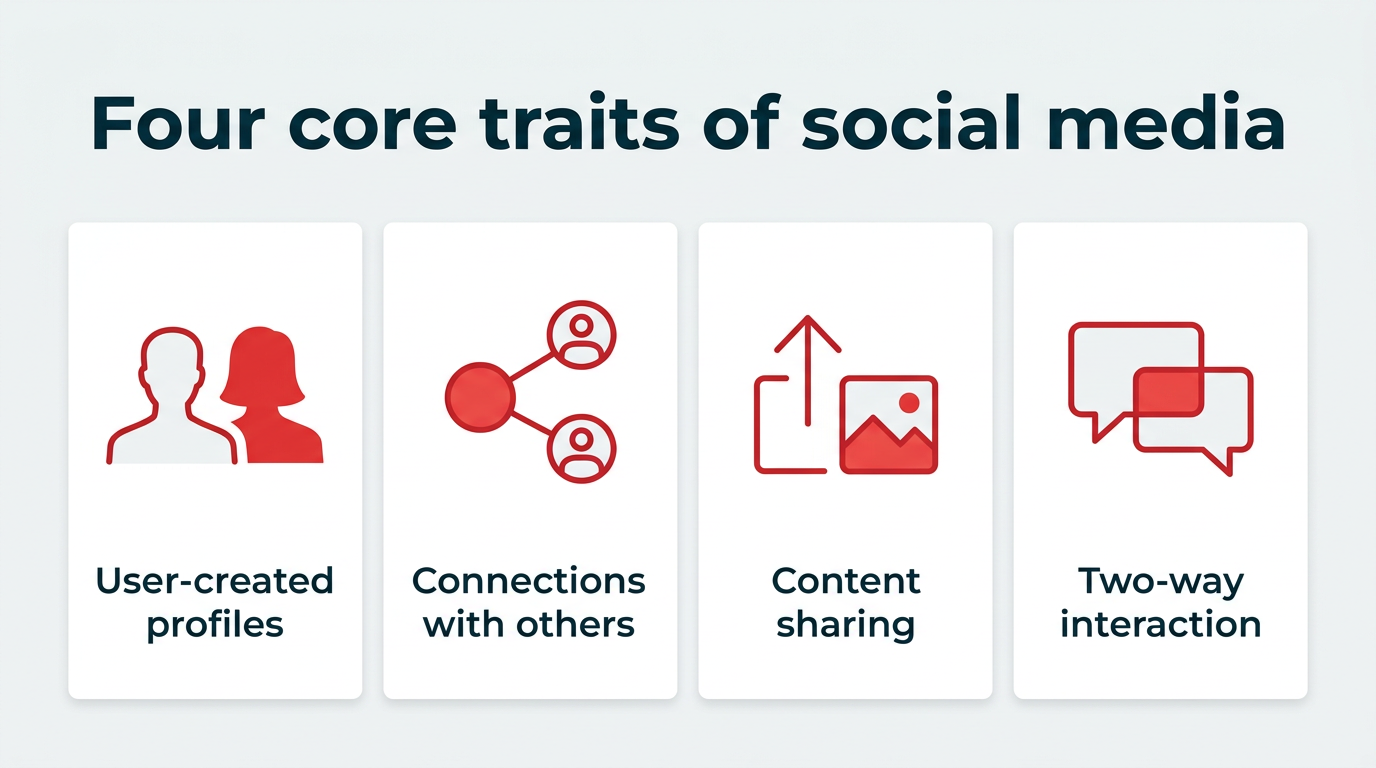
Before delving into the historical timeline, it is crucial to establish a working definition of social media. These are online platforms designed to facilitate interaction, allowing users to create personal profiles, connect with others, and share user-generated content in real time. The distinction between a mere website or a chat tool and a true social network lies in several core characteristics: the creation of personal profiles, the ability to form networks or connections with other users, the capacity for real-time interaction and content sharing, and the reliance on user-generated content as the primary fuel for the platform. This framework allows for a clearer understanding of how various early systems laid the groundwork for the global phenomenon we observe today.
The Dawn of Digital Connectivity: Proto-Social Systems (1970s-1990s)
The seeds of social media were sown long before the internet became a household name. The earliest forms of digital community emerged from academic and scientific networks, driven by a nascent desire for shared information and communication.

- 1973: Community Memory marked a pivotal moment as one of the first public computerized bulletin board systems (BBS). Located in Berkeley, California, it allowed individuals to post and read messages at shared terminals, demonstrating an early appetite for digital public squares. While primitive, it proved that people yearned to use computers for interpersonal communication beyond complex calculations.
- 1979-1980: Usenet, developed by Tom Truscott and Jim Ellis, often receives credit as the first open social media application. This distributed discussion system enabled users to post messages (known as "articles") to newsgroups, which were then propagated across a global network of servers. It fostered specialized communities and demonstrated the power of asynchronous, topic-based discussions.
- 1988: Internet Relay Chat (IRC) popularized real-time group text chat, bringing synchronous communication to the forefront. Users could join various "channels" to discuss topics, collaborate, or simply socialize, foreshadowing the instant messaging and live chat features that would become ubiquitous.
- 1994: GeoCities democratized web publishing, allowing everyday users to build and share personal web pages, categorized by virtual "neighborhoods" based on content. This platform gave millions their first taste of online self-expression and content creation, establishing the concept of a digital personal space.
- Mid-1990s: AOL Instant Messenger (AIM), while primarily a chat tool, integrated "buddy lists" and status messages into daily online life, further normalizing the habit of connecting with friends and sharing immediate updates, laying essential groundwork for future social networks.
These text-only, often technical systems proved a fundamental truth: people wanted to use computers to talk to each other. This desire formed the unbroken thread connecting a 1970s bulletin board to a modern, AI-curated social feed.
The Emergence of Profile-Centric Platforms: Building Online Identities (1997-2004)
The late 1990s and early 2000s ushered in the era of profile-based social networks, the model most recognizable today. This period saw a proliferation of platforms that centered on individual identity and connections.
- 1997: SixDegrees.com is widely cited as the first true social media platform. It allowed users to create a profile page, list connections (friends), and send messages within their networks, directly embodying the "six degrees of separation" theory. Despite attracting around 3.5 million registered members, it ceased operations in 2000, having paved the way for future giants.
- 1999: LiveJournal emerged as an early blogging and social journaling community. It combined personal publishing with social features, allowing users to share their thoughts, follow others, and comment on entries, fostering a more intimate form of online interaction.
- 2002: Friendster pioneered mainstream social networking. Initially conceived as a dating site based on mutual friends, it quickly exploded in popularity, demonstrating the widespread appeal of connecting with acquaintances and strangers alike. However, its rapid growth overwhelmed its servers, leading to performance issues and user frustration, creating an opening for competitors.
- 2003: Myspace (originally MySpace) capitalized on Friendster’s woes, becoming the dominant platform for a generation of teenagers and young adults. Its highly customizable public profiles, featuring music, videos, and personal photos, allowed for unprecedented self-expression. By 2005, Myspace boasted 25 million users and was the fifth most popular site in the US when acquired by News Corp. This acquisition, however, marked the beginning of its decline as a new challenger emerged.
- 2003: LinkedIn launched, pioneering professional networking. Unlike its consumer-focused counterparts, LinkedIn focused on career development, connecting professionals, and job opportunities. Its early adoption of a paid premium model demonstrated a viable business strategy for social platforms.
- 2004: Facebook (initially "The Facebook"), launched by Mark Zuckerberg from Harvard, began as an exclusive collegiate network. Its clean interface and focus on real-world connections quickly made it a viral success within academic circles. By 2005, it dropped "The" and opened to wider audiences, rapidly accumulating users and setting the stage for global dominance.
This period was characterized by intense competition, often dubbed "the platform wars," as companies vied for user attention and loyalty. The failure of later entrants like Google Plus, which despite significant investment and an invitation-only launch in 2011, could not dislodge Facebook and Twitter, underscored the difficulty of entering a mature social media landscape.
The Web 2.0 Revolution: Feeds, Sharing, and User-Generated Content (2004-2010)
This era witnessed social media’s mainstream ascent, fueled by real-time feeds, video sharing, and an explosion of user-generated content. These innovations transformed social platforms from niche curiosities into daily habits for millions, fundamentally changing how content was created, distributed, and consumed.
- 2005: YouTube launched, revolutionizing video sharing. Its simple interface allowed anyone to upload, share, and view videos, quickly becoming a cultural phenomenon. By 2006, it reached 100 million videos watched daily and was acquired by Google. The introduction of its partner program in 2007 enabled creators to monetize content, giving birth to the social media influencer economy.
- 2005: Reddit emerged as a community aggregation platform, allowing users to submit content (links, text posts) that others could upvote or downvote. This democratic content curation model fostered diverse communities and discussions, influencing future platforms’ content ranking systems.
- 2006: Twitter (originally twttr) took flight, introducing real-time microblogging. Co-founder Jack Dorsey’s first tweet, "just setting up my twttr," heralded a new form of concise, immediate communication. Its 140-character limit (later expanded to 280) fostered brevity and rapid information dissemination.
- 2007: The Hashtag emerged as a user-driven innovation on Twitter, proposed by early adopter Chris Messina to organize tweets. Its power was quickly demonstrated in aggregating updates during events like the #SanDiegoFire. Twitter’s official adoption and hyperlinking of hashtags in 2009 cemented its role as a universal tool for topic tagging and social mobilization, influencing movements like #Occupy, #BlackLivesMatter, and #MeToo.
- 2007: Tumblr launched, combining microblogging with multimedia sharing. Described as "Twitter meets YouTube and WordPress," it allowed users to share small amounts of content—text, images, quotes, links, chat, audio, and video—in a highly visual format, attracting a creative demographic.
- 2009: Weibo (Sina Weibo) launched in China, rapidly becoming one of the most popular social networks in the country, especially after Facebook and Twitter were banned. It demonstrated the global appetite for microblogging and social interaction, adapting to regional digital ecosystems.
- 2009: Foursquare pioneered location-sharing, allowing users to "check in" at physical locations and earn virtual "mayorships." This gamified approach to real-world interaction highlighted the growing integration of digital and physical spaces, and its geolocation technology later powered features in apps like Snapchat and Instagram.
This era solidified social media’s place in daily life, driving the concept of "always-on" connectivity and making user-generated content the engine of the internet.
Mobile-First and Visual Dominance: The Smartphone Era (2010-2016)
The proliferation of smartphones fundamentally reshaped social media, ushering in an era defined by mobile-first design, visual content, and ephemeral sharing. Text updates gradually yielded to photos, short videos, and live streams as the preferred modes of expression.
- 2010: Instagram launched, quickly becoming the epitome of mobile-first visual sharing. Its emphasis on photo filters and simple sharing resonated with users, transforming everyday moments into shareable art. Within months, it was a sensation and remains one of the most downloaded apps globally.
- 2010: Pinterest went live, creating a new paradigm for visual discovery and curation. Users could "pin" images and videos to virtual boards, creating collections of interests, inspirations, and products. By late 2025, Pinterest boasted over 600 million monthly active users, highlighting the enduring appeal of visual organization.
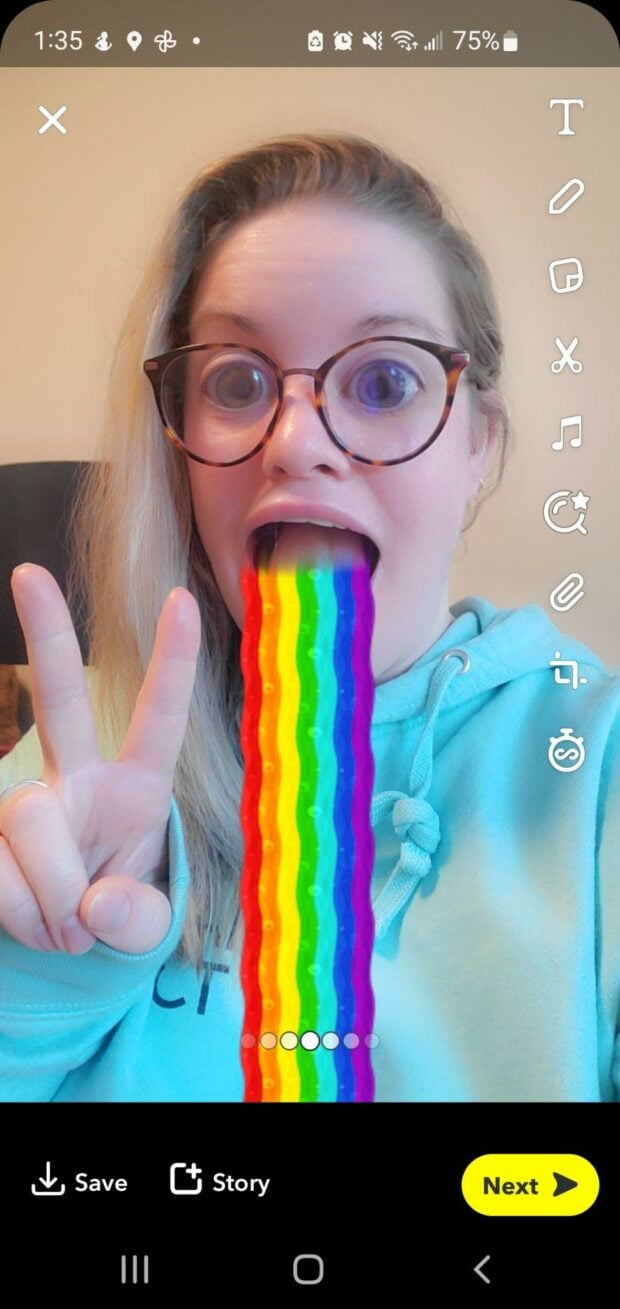
- 2011: Snapchat (originally "Picaboo") introduced ephemeral content, where photos and videos vanished after a short viewing period (24 hours for "Stories"). This innovative approach appealed to a younger demographic seeking a more private, less permanent space away from older social networks like Facebook, which were increasingly populated by family members. Snapchat also popularized augmented reality (AR) filters, adding a playful layer to visual communication.
- 2009: Grindr (launched earlier, but gained significant traction in this mobile era) was the first geosocial networking app for dating specifically for gay and bisexual men. It revolutionized "hookup culture" and paved the way for countless other location-based dating apps, demonstrating the power of mobile technology to facilitate real-world connections.
- 2012: Facebook’s Global Scale: Eight years after its launch, Facebook announced it had reached one billion users, a staggering milestone that underscored social media’s global reach. In the same year, Facebook acquired Instagram for a reported $1 billion, a strategic move that consolidated its position and mitigated a potential threat from a rapidly growing competitor.
- 2013: Vine launched, introducing short-form video to the mainstream. Acquired by Twitter before its public release, Vine allowed users to create and share six-second looping videos. It quickly fostered a distinct genre of humor and creativity, though its rapid success was ultimately overshadowed by rivals like Snapchat and Instagram, which integrated similar video features.
- 2011: Twitch (spun out of Justin.tv in 2011) grew exponentially in this period, becoming the dominant platform for live video game streaming. By 2013, it attracted 45 million unique viewers before being acquired by Amazon, demonstrating the commercial viability of niche live content.
- 2014-2016: Live Streaming Wars: Meerkat ignited the mobile live-streaming craze, quickly followed by Twitter’s Periscope, which gained significant traction, even earning "iOS App of the Year" in 2015. These platforms showcased the demand for immediate, unedited content, a feature now standard across major social networks. The "Year of the Selfie" (2014), declared by Twitter after Ellen DeGeneres’s Oscar selfie broke retweet records, further cemented visual culture’s dominance.
This era solidified the smartphone as the primary gateway to social media, transforming how users created and consumed content, with visuals and immediacy at the forefront.
Algorithmic Feeds, Creator Economy, and Ethical Challenges (2016-2022)
The subsequent era was defined by the rise of short-form video, the professionalization of content creation, and critical examinations of platform power and responsibility. This period accelerated the evolution of social media in profound ways.

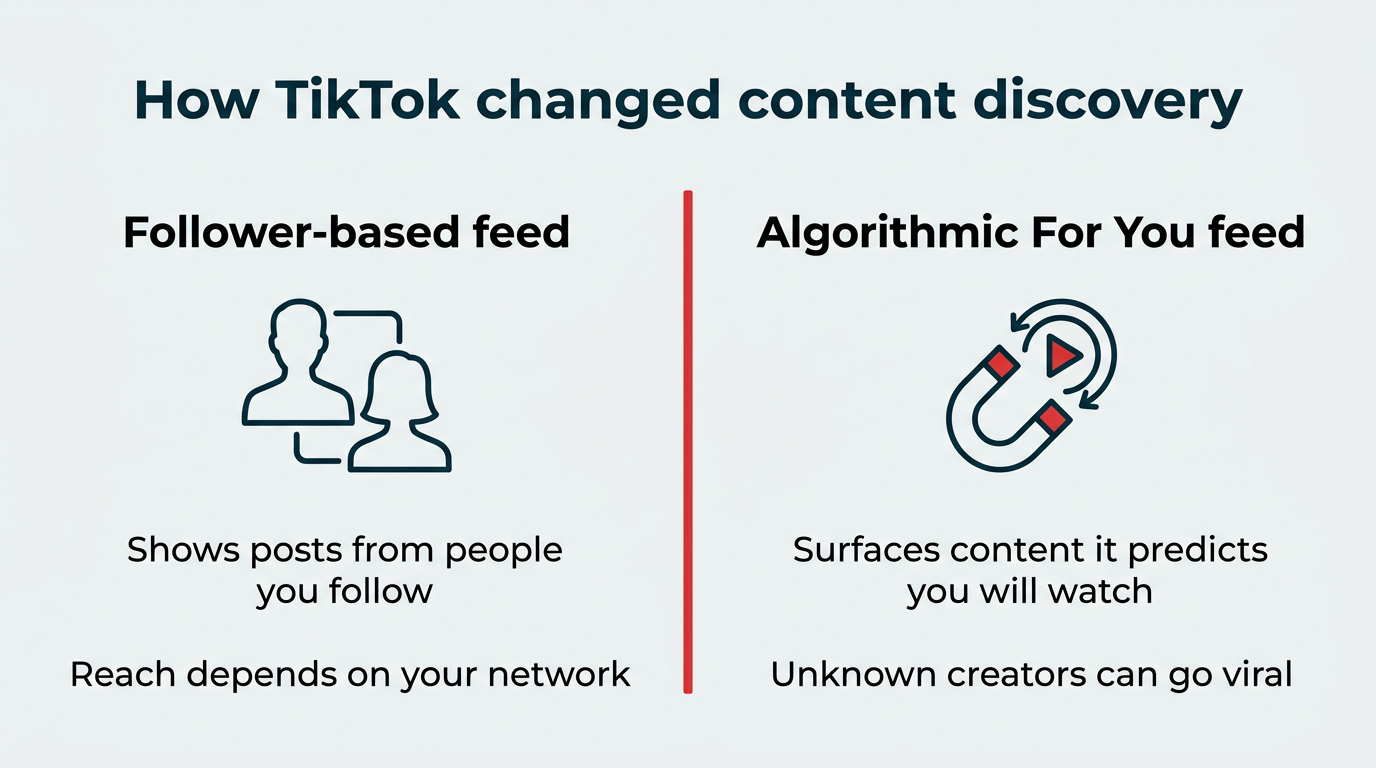
- 2016: TikTok’s Global Expansion: Douyin, an app by ByteDance, was released internationally as TikTok in 2017 (though its precursor Music.ly was popular earlier). It fundamentally altered content discovery with its algorithm-driven "For You" feed, which prioritized content based on predictive user interest rather than solely on follower relationships. This shift created a highly personalized and addictive user experience, propelling unknown creators to overnight stardom and influencing every major competitor to adopt similar algorithmic models. TikTok’s cultural impact on music, fashion, and language became immense, even as it faced growing regulatory scrutiny in the US and Europe over data privacy and ownership.
- Growth of the Creator Economy: The professionalization of content creation intensified. Platforms like Patreon, founded by developer Sam Yam and musician Jack Conte, allowed creators to receive direct financial support from their audience through subscriptions or exclusive content, fostering a more sustainable model for digital artists and influencers.
- Platform Feature Expansions: Instagram launched IGTV for longer-form video in 2018 and Reels in 2020, directly challenging TikTok. Twitter doubled its character limit from 140 to 280 and introduced "threads," encouraging more extensive discussions and brand engagement.
- 2020: Social Commerce Accelerates: The global pandemic significantly accelerated the integration of shopping into social platforms. Facebook and Instagram introduced "Shops" in 2020, allowing users to discover and purchase products directly within the apps. TikTok Shop soon followed, blending short-form video with live shopping events, transforming entertainment into a seamless checkout experience and solidifying social commerce as a major revenue stream.
- Data Privacy and Content Integrity Concerns: This era brought intense scrutiny over trust and platform governance. The Cambridge Analytica scandal in 2018 revealed that Facebook had allowed a researcher to harvest data from up to 87 million users without consent, prompting widespread public outrage and Mark Zuckerberg’s testimony before the US Congress. This event, coupled with revelations about foreign interference and disinformation campaigns during the 2016 US election (where Facebook disclosed 126 million Americans were exposed to foreign agent content), thrust data privacy, content moderation, and platform accountability to the forefront of global conversations and regulatory debates.
Fragmentation, AI, and the Quest for New Horizons (2022-2026 and Beyond)
The most recent chapter in social media’s history has been characterized by significant platform shifts, the rapid integration of artificial intelligence, and a growing demand for alternatives to dominant networks.
- 2022-2023: Twitter’s Transformation to X: Billionaire Elon Musk’s acquisition of Twitter in 2022 triggered a series of dramatic changes, including paid verification, visible view counts, and a rare glimpse into its recommendation algorithm. The platform’s rebrand to "X" in 2023, coupled with advertiser caution and user frustration over policy shifts, created a vacuum.
- Rise of Challengers and Decentralization: This opening led to significant platform fragmentation. Meta launched Threads in 2023 as a text-based rival to X, rapidly attracting millions of users within days. Simultaneously, decentralized platforms like Bluesky experienced rapid growth as users sought alternatives built on open protocols and user-controlled data, signaling a potential shift away from centralized corporate control.
- AI Integration: Artificial intelligence became deeply embedded across all major platforms. AI-driven personalization algorithms continued to refine content feeds, while AI tools for content creation (e.g., text-to-image, text-to-video) became more accessible. AI also played an increasing role in content moderation, identifying and removing harmful or illicit material.
- Continued Regulatory Scrutiny: Governments worldwide intensified efforts to regulate social media, particularly concerning data privacy, content moderation, algorithmic transparency, and antitrust issues. The potential for TikTok regulation in the US and Europe due to national security concerns remained a significant ongoing debate.
- Exploration of New Realities: While the metaverse and Web3 concepts continued to be explored, their mainstream adoption remained nascent. Platforms experimented with virtual and augmented reality experiences, though a definitive "next big thing" beyond current social formats had yet to fully materialize.
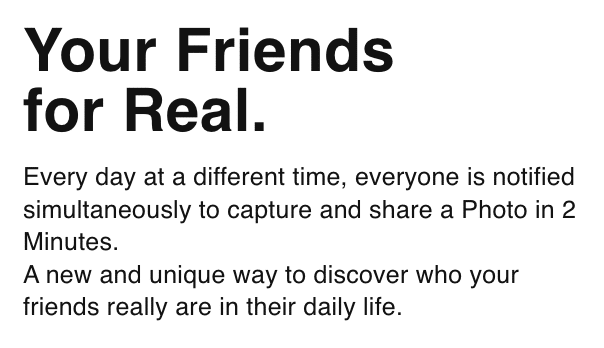
- Niche Platforms and Fleeting Trends: The period also saw the ebb and flow of niche platforms. Social audio app Clubhouse, which surged during the 2020 lockdowns, struggled to maintain relevance as restrictions eased. The photo-sharing app BeReal, briefly the most popular social app in the App Store for its unfiltered, spontaneous content, saw its buzz fade, underscoring that viral novelty does not always guarantee lasting scale.
The Unprecedented Scale of Social Engagement
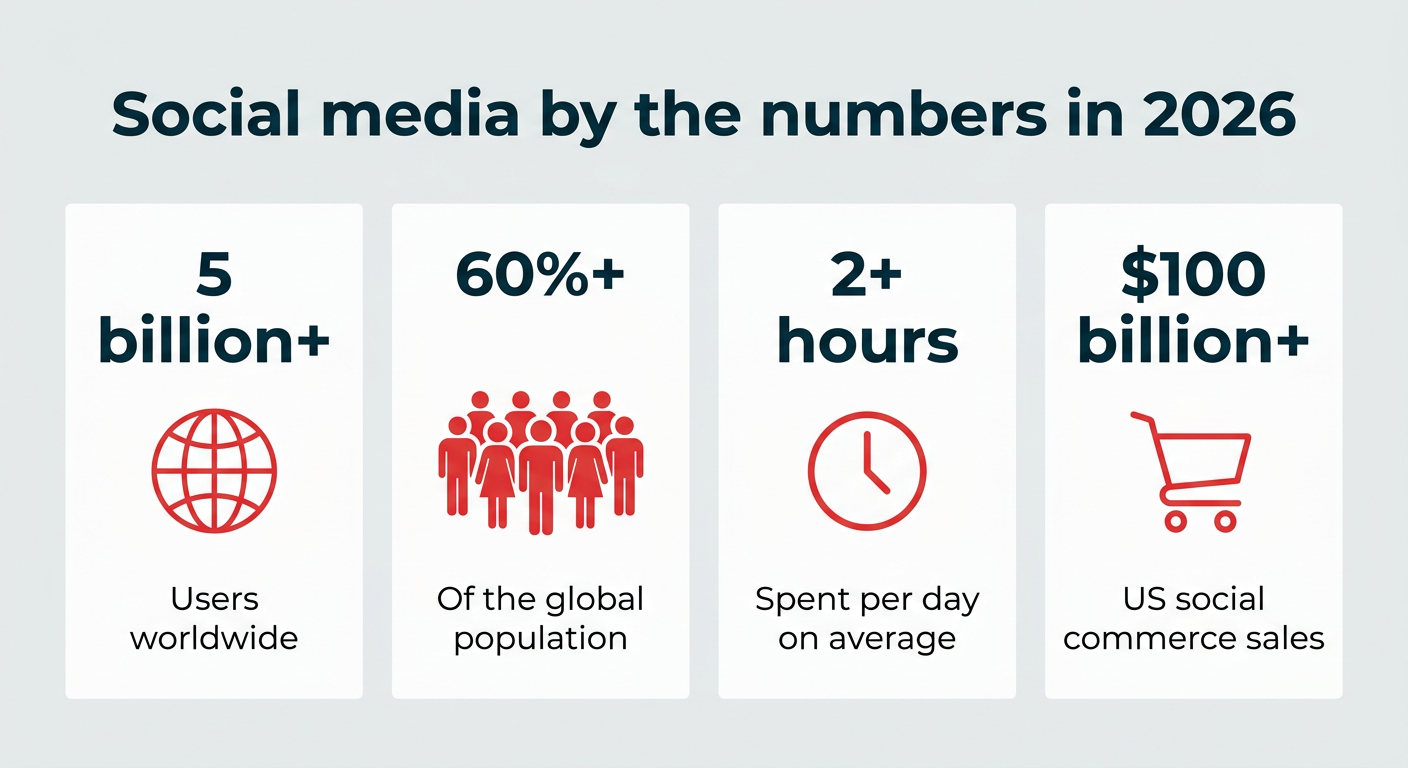
By 2026, social media has grown from a niche hobby into a pervasive daily habit for most of the connected world, demonstrating its unprecedented scale and influence.
- Global Reach: Over 5 billion people worldwide are active social media users, representing more than 60% of the global population. This penetration underscores its role as a primary communication channel.
- Daily Engagement: The average user spends approximately 2.5 hours per day on social media platforms, highlighting the deep integration of these networks into daily routines.
- Dominant Platforms: Facebook, YouTube, Instagram, TikTok, and X (formerly Twitter) continue to command the largest user bases, each specializing in distinct content formats (text, photo, video, short-form video).
- Economic Impact: The social commerce market is projected to reach trillions of dollars, demonstrating the direct economic value generated through in-app shopping and creator monetization.
- Influencer Power: The creator economy continues to grow, with individual influencers wielding significant sway over purchasing decisions and cultural trends, often surpassing the reach of traditional media outlets.
Transformative Impact: Reshaping Communication and Commerce
Social media has fundamentally rewired communication, shifting from a one-to-many broadcast model to a dynamic, many-to-many conversation. This transformation has reshaped nearly every facet of modern life:
- News Consumption: Social platforms have become primary sources of news, altering how information is disseminated and consumed, and presenting challenges for media literacy and combating misinformation.
- Community Formation: Individuals can connect with like-minded people across geographical boundaries, fostering diverse communities based on shared interests, identities, or causes.
- Cultural Influence: Social media acts as a powerful engine for cultural trends, influencing fashion, language, music, and social movements at unprecedented speeds.
- Attention Economy: The constant competition for user engagement has created an attention economy where algorithms are optimized to maximize time spent on platforms, often raising concerns about mental health and addiction.
- Blurred Lines: The distinction between personal and public life has blurred, as individual posts can instantly reach a global audience, impacting privacy and self-presentation.
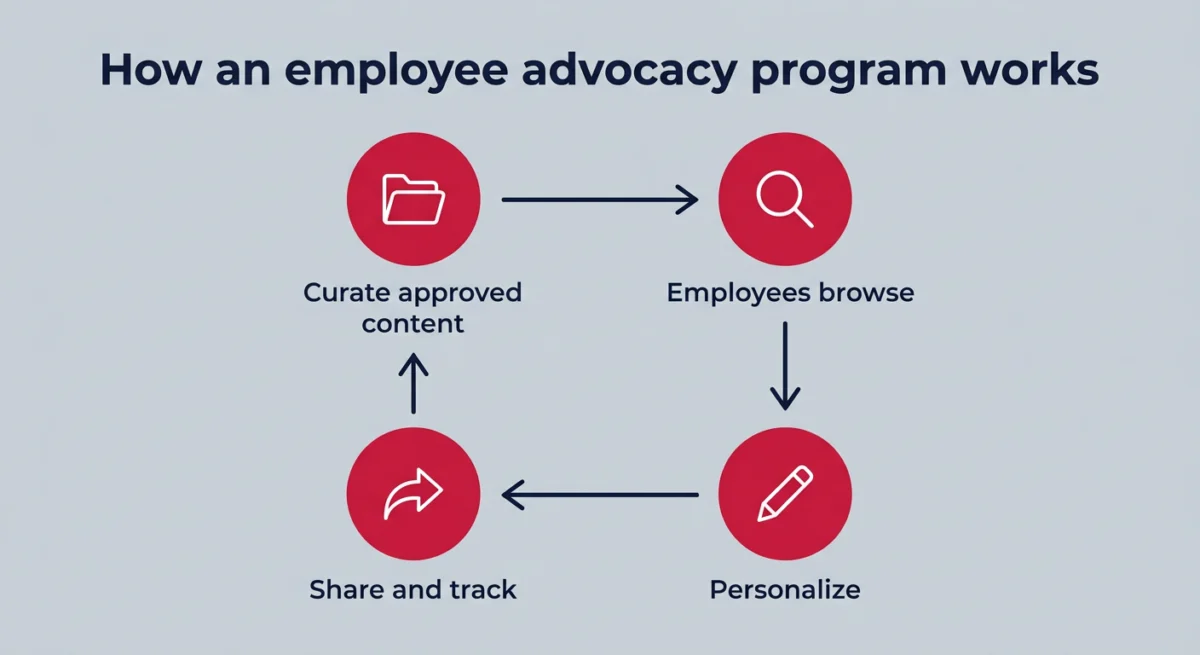
- Business Imperative: For businesses, social media has transitioned from a supplementary marketing channel to a core strategic function. Marketing, customer service, public relations, employee advocacy, and employer branding are now intrinsically linked to social channels. Companies require sophisticated tools to plan, schedule, publish, engage with customers, measure performance, and track trends effectively across a fragmented landscape.
In essence, social media has turned communication into a two-way, always-on channel that profoundly shapes both culture and commerce globally.
Anticipating the Next Wave: Future Trends and Strategic Imperatives
The history of social media suggests that the coming era will be shaped by a continuation of forces that drove previous transformations: new formats, evolving business models, and an ongoing negotiation of trust and regulation. Several key trends are expected to define the future:

- Hyper-Personalization via AI: AI will continue to deepen its role in personalizing content feeds, advertising, and user experiences, making platforms even more tailored to individual preferences.
- Decentralized Social Networks: The rise of platforms built on blockchain and other decentralized technologies may offer users greater control over their data and identity, challenging the dominance of centralized corporations.
- Heightened Regulatory Scrutiny: Governments globally will likely enact stricter regulations concerning data privacy, content moderation, algorithmic transparency, and market competition, potentially reshaping platform operations.
- Integration of Commerce and Immersive Experiences: Social commerce will become even more seamless, blending entertainment, shopping, and virtual try-on experiences. The metaverse, while still evolving, may offer more immersive social interactions.
- Niche Communities and Verticalization: While large platforms persist, a growing demand for niche communities focused on specific interests, hobbies, or professional domains will continue to foster specialized social spaces.
For businesses and marketing leaders, the practical imperative is clear: a flexible, adaptive social strategy is paramount. Relying on any single platform is increasingly risky in a fragmented and rapidly changing environment. Teams that embrace new formats early, understand and respect evolving regulatory landscapes, and are prepared to engage with audiences wherever they gather will be best positioned to navigate the next wave of social media evolution.