admin
admin
For years, the conventional wisdom in the print-on-demand (POD) space has revolved around a seemingly immutable list of best-selling products: t-shirts, hoodies, and mugs. While these staples continue to perform well when produced with high quality, a deeper analysis, particularly within the context of creator-led e-commerce platforms like Fourthwall, reveals a more nuanced reality. The true potential of a creator’s merchandise collection hinges not just on product type, but on a sophisticated interplay between the platform’s capabilities, the creator’s specific audience, and the evolving demands of the modern consumer. This shift necessitates a strategic approach to product selection, moving beyond mere "what can sell" to a more insightful "what truly resonates and sustains sales within a creator community."
The foundational assumption that certain products are universally superior is being challenged by the sophisticated ecosystem now available to creators. Platforms like Fourthwall are not merely facilitating transactions; they are enabling creators to curate distinct brand experiences. This involves offering premium quality goods that foster customer loyalty, transforming a simple e-commerce store into a meticulously designed merchandise collection tailored for an engaged fanbase. This evolution fundamentally alters the calculus for product inclusion, demanding a strategic alignment with both platform features and audience expectations.
The Data-Driven Approach to Creator Merchandise
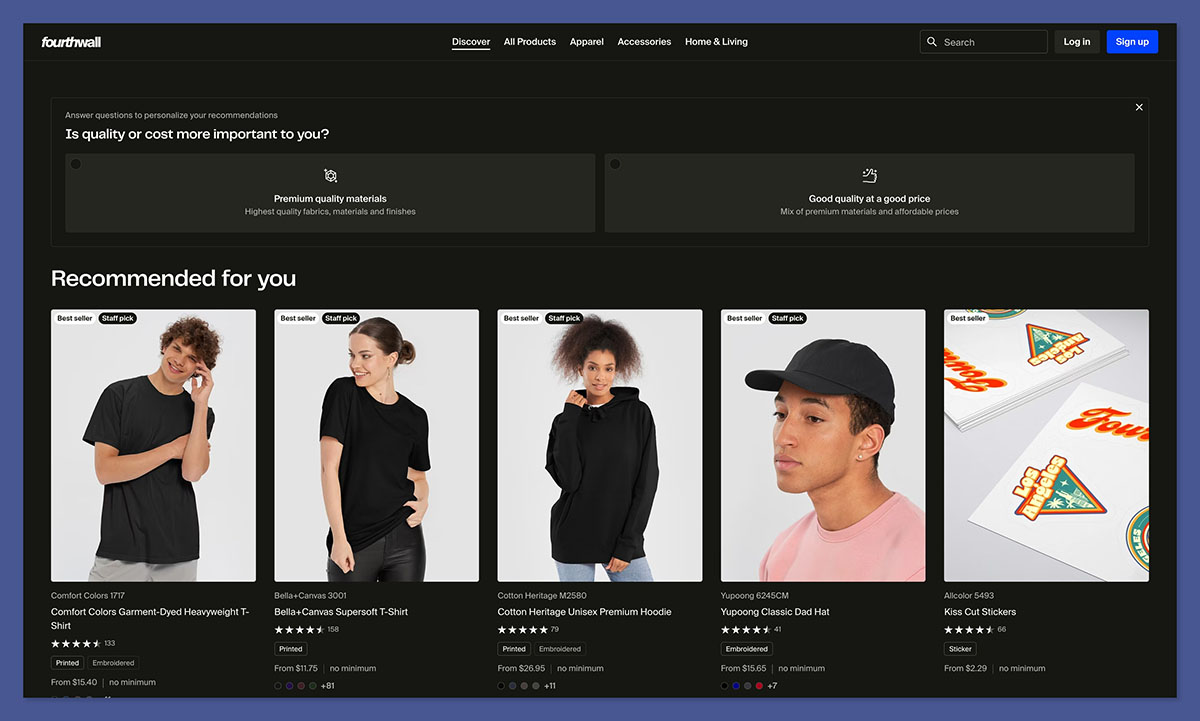
A close examination of creator store performance, especially those that have achieved sustained success, points to a critical filter for product viability: its ability to perform within a creator context, not just in a general market. This perspective is supported by data gathered by Fourthwall itself, which highlights not only the enduring popularity of traditional items but also the rise of more unexpected categories. While t-shirts and hoodies remain dominant, the insights underscore a growing demand for products that offer a blend of quality, utility, and brand resonance.
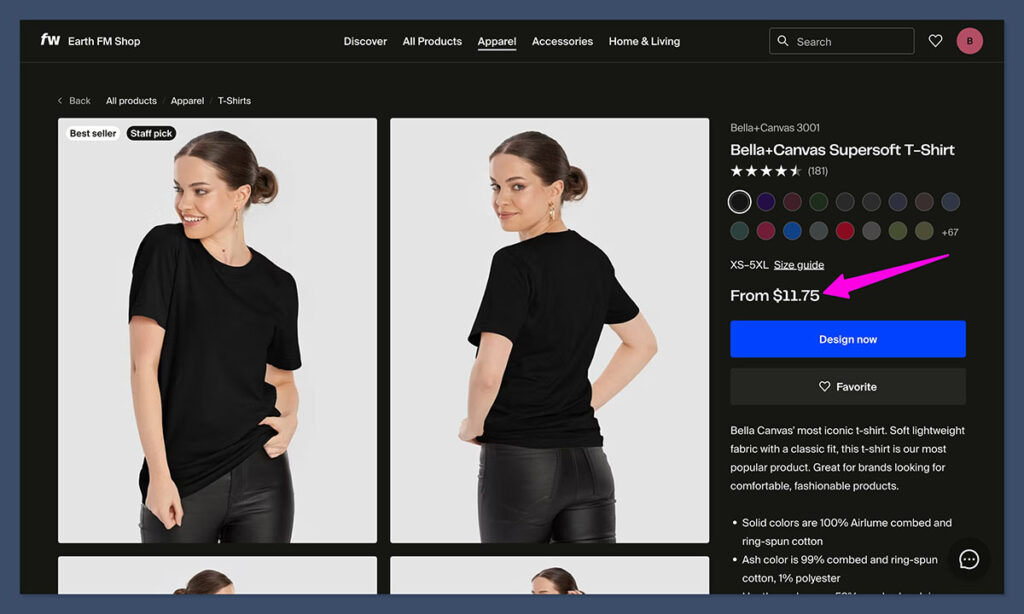
The growth of the custom t-shirt printing market, projected to reach $20.05 billion by 2035, attests to the persistent demand for apparel. However, the nature of this demand is changing. Creators are no longer simply printing logos on generic blanks. The emphasis has shifted towards premium offerings, where the question becomes: "Would someone wear this even if they weren’t trying to support me?" A positive answer is crucial for sustained sales. Fourthwall’s curated approach, offering brands like Bella+Canvas and Comfort Colors alongside its own Signature collection, ensures a baseline of quality that allows creators to focus on design and community engagement rather than the vagaries of supplier quality. This controlled environment minimizes the risk associated with selecting "cheaper" options, as the platform’s partnerships with suppliers guarantee consistent excellence.
Beyond Apparel: Diversifying the Creator’s Product Portfolio
While apparel remains a cornerstone, the landscape is rapidly expanding. Hoodies and crewnecks, demanding a higher price point and thus greater consumer scrutiny, are also significant revenue generators. The global market for these items, valued at approximately $256 billion in 2026, indicates substantial consumer spending. Fourthwall’s internal data reinforces their position, ranking just behind t-shirts. However, the expectation for quality is amplified. A thin hoodie or a print that cracks after a few washes will be judged not as mere merchandise, but against established apparel brands. Fourthwall’s emphasis on premium fabrics and durable prints, particularly within its Signature collection, empowers creators to compete effectively. Furthermore, the platform encourages diversification into less saturated apparel categories such as children’s clothing, long-sleeve tees, tank tops, and sweatshirts, often commanding higher retail prices ($65-$75) that are justified by their perceived quality.
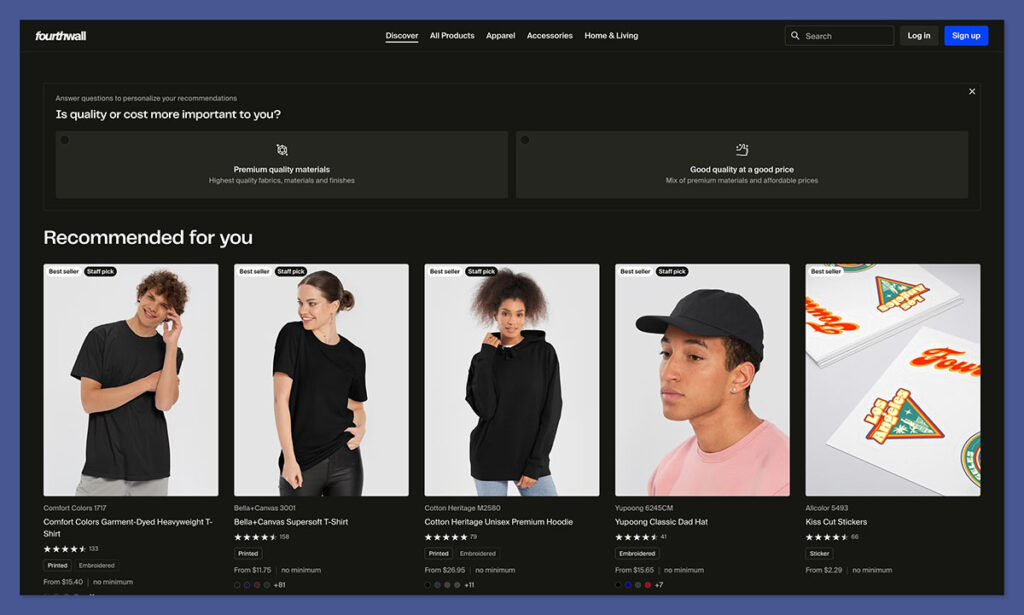
Accessories, often relegated to an afterthought, are emerging as powerful revenue drivers. Hats and beanies, for instance, now rank as the fifth most popular product category on Fourthwall. The global hats market, projected at $11.6 billion in 2026, is largely driven by everyday wear rather than overt fandom. A well-designed, subtly embroidered hat or beanie offers a more understated form of brand affiliation, allowing consumers to integrate it seamlessly into their personal style. This approach shifts the focus from "signaling fandom" to "wearing a quality accessory," making it a more versatile purchase. Creators are advised to explore small embroidery and subtle branding, offering a range of styles from beanies to dad hats to gauge community preference.
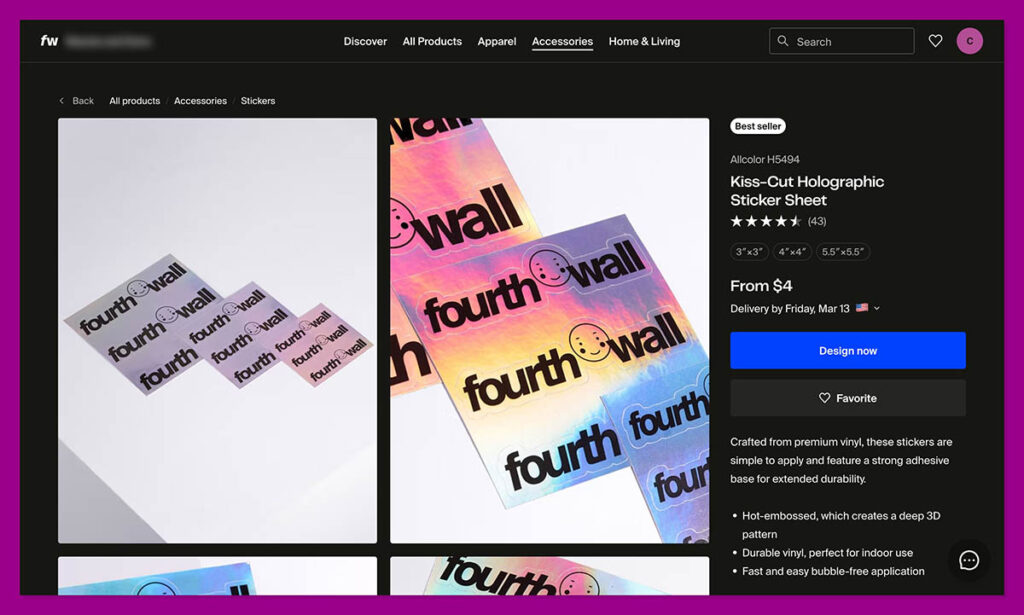
Stickers and magnets, frequently dismissed as "filler" items, are experiencing a surge in popularity, driven by their low barrier to entry and broad appeal. The personalized sticker market, valued at $5.1 billion in 2026, is fueled by e-commerce, branding, and collectibles, extending far beyond simple laptop decorations. Their ease of sale makes them an ideal addition to any creator’s store, especially as add-ons to higher-ticket items, enhancing average order value and bundle appeal. Fourthwall’s platform, with its absence of monthly subscription fees for store operation, mitigates the risk for lower-priced items, allowing them to contribute to overall sales without the pressure of constant high-volume performance. Magnets, in particular, offer a perceived premium over stickers while remaining cost-effective for consumers.
Mugs and tumblers, akin to t-shirts in their consistent appeal, are steady performers. The global drinkware market, estimated at $39.6 billion in 2026, benefits from its status as a daily-use item. Unlike trend-driven products, mugs and tumblers are subject to replacement, gifting, and collection, ensuring a stable demand. This consistency allows creators to embed their brand into consumers’ routines, offering a more intimate form of brand exposure than occasional apparel wear. Fourthwall facilitates easy testing of this category, with base costs around $5-$6 allowing for retail pricing between $15-$25 without appearing exorbitant. Crucially, the platform’s integrated fulfillment and support services alleviate the common challenges associated with shipping fragile items like ceramics.
Emerging Categories and Future Trends
Desk mats and mouse pads represent a significant, often overlooked, opportunity. These items have become a surprising hit on Fourthwall, particularly for creators who can actively showcase them during streams or incorporate them into their digital workspaces. Fourthwall’s integration with platforms like YouTube and Twitch allows for seamless purchasing, eliminating the need for creators to direct audiences to separate pages. The broader market for desk accessories is expanding, driven by the rise of remote work, gaming, and content creation, with projections placing it in the multi-billion dollar range. These are practical, everyday items that consumers can easily justify purchasing, regardless of their level of fandom.
Plushies and enamel pins cater to a more dedicated segment of a creator’s community and are often considered "later-stage" products. Their success is intrinsically linked to the strength and commitment of the fanbase. The specialty pin market, projected to exceed $5.1 billion by 2033, offers a low-cost entry point for creators seeking to provide premium add-ons for their most devoted followers. On Fourthwall, these items are increasingly appearing in stores that have already established a strong following, often tied to limited-time drops, community milestones, or exclusive events. Plushies are particularly effective when a creator has a distinct mascot or recurring visual theme, translating digital identity into tangible collectibles that fans can display or gift. The exclusivity factor of limited-run drops can significantly boost engagement and sales for these niche items.
Strategic Merchandising with Fourthwall
The overarching strategy for building a successful creator merchandise collection involves a phased approach. Initially, focusing on proven sellers like t-shirts, stickers, magnets, hats, and mugs provides a solid foundation. As a creator’s community deepens and demonstrates strong engagement, the portfolio can expand to include premium apparel, plushies, enamel pins, and other collectibles. This iterative process of experimentation and adaptation is facilitated by platforms like Fourthwall, which offer high-quality products without significant upfront investment.
Fourthwall’s integrated approach simplifies the entrepreneurial journey. Creators can sell directly through their streams and content, diversify revenue through memberships and digital products, and rely on the platform to manage complex aspects like taxes and customer service. This allows creators to concentrate on their core strength: building and nurturing their audience, which is ultimately the most sustainable driver of long-term sales success in the dynamic world of creator commerce. The platform’s commitment to quality and its comprehensive feature set empower creators to transform their passion into a thriving, diversified business.