Brand tracking tools, once primarily focused on traditional market research and customer sentiment, have evolved into sophisticated platforms indispensable for growth marketers. These tools now meticulously gauge public perception, monitor competitor strategies, and critically, assess a brand’s presence within the rapidly expanding realm of artificial intelligence. This shift marks a significant transformation, requiring businesses to integrate diverse data streams – from social media chatter and search signals to customer feedback and, most notably, AI share of voice – into a unified, actionable intelligence framework. The year 2026 underscores this paradigm shift, where AI visibility is no longer a niche concern but a foundational element of brand health measurement.

The Genesis and Evolution of Brand Health Measurement
The concept of brand tracking has a rich history, tracing its roots back to the mid-20th century with the advent of consumer research. Initially, this involved rudimentary surveys, focus groups, and anecdotal evidence to understand brand recall and preference. The late 20th century saw the professionalization of market research, employing more rigorous statistical methods and large-scale demographic studies. The digital age, beginning in the late 1990s and early 2000s, introduced web analytics, enabling companies to track online behavior and basic digital mentions.

However, the true revolution began with the proliferation of social media in the 2010s. Platforms like Facebook, Twitter, and LinkedIn transformed brand monitoring, allowing for real-time sentiment analysis, engagement metrics, and identification of key influencers. This era gave birth to social listening tools that could track mentions, analyze tone, and react to public discourse with unprecedented speed. The challenge then became integrating these diverse, often unstructured, data points into a coherent understanding of brand health.
The latest frontier, emerging prominently in the mid-2020s, is the integration of artificial intelligence into brand tracking. With the rise of large language models (LLMs) and answer engines like ChatGPT, Gemini, and Perplexity, consumers are increasingly turning to AI for recommendations, comparisons, and product information. This development means a brand’s visibility and portrayal within AI-generated responses can significantly influence pre-purchase decisions, often bypassing traditional search engines or direct website visits. This marks a critical juncture where brand trackers must now account for how effectively a brand appears and is cited by AI, demanding a more comprehensive and forward-looking approach to brand intelligence.
Differentiating Brand Tracking from Brand Monitoring in the AI Era
While often used interchangeably, brand tracking and brand monitoring serve distinct, yet complementary, functions. Brand tracking is a longitudinal process designed to measure changes in core brand health metrics—such as awareness, perception, consideration, preference, and loyalty—over extended periods. It typically relies on structured data, often gathered through recurring surveys, to identify trends and assess the long-term impact of marketing strategies. The insights derived from brand tracking inform strategic adjustments, brand positioning, and overall market presence.
Conversely, brand monitoring focuses on the real-time detection and analysis of brand mentions across various online channels. This includes social media, news outlets, forums, review sites, blogs, and, crucially, answer engines. Its primary goal is to provide immediate insights into ongoing conversations, sentiment shifts, and emerging narratives surrounding a brand. Brand monitoring acts as an early warning system, allowing companies to quickly respond to positive or negative developments, manage reputation, and identify immediate opportunities.
In the contemporary landscape, particularly with the advent of AI, these two functions are increasingly intertwined. Brand monitoring might detect a sudden spike in Reddit discussions about a new product feature, indicating a potential market sentiment shift. Brand tracking then provides the structured data to confirm whether this signal has indeed translated into a measurable change in broader market perception or consideration. Furthermore, AI brand tracking, a specialized form of monitoring, shows whether answer engines have begun to echo these new narratives when buyers seek vendor recommendations, highlighting the direct impact on the buyer’s journey even before a website visit. Scaling companies find both parallel processes essential for a robust, responsive brand strategy.
Key Metrics for Comprehensive Brand Health
Effective brand tracking hinges on a robust set of metrics that collectively paint a picture of a brand’s visibility, trustworthiness, desirability, and overall commercial utility. The critical metrics for modern brand health assessment include:
- Brand Awareness (Unaided and Aided): Measures how familiar consumers are with a brand. Unaided awareness reveals top-of-mind recall, while aided awareness assesses recognition from a given list. In the AI era, awareness can also be shaped by how frequently and prominently a brand is mentioned in AI-generated answers, even if a user hasn’t actively searched for it.
- Brand Perception and Sentiment: Gauges public opinion and emotional response to a brand. This includes the qualitative aspects of what people associate with the brand (e.g., innovative, reliable, expensive). AI and natural language processing (NLP) tools are crucial here for analyzing vast amounts of unstructured data from social media and AI responses to pinpoint prevailing sentiment.
- Brand Consideration and Preference: Tracks whether consumers would consider purchasing or using a brand’s products or services, and if they prefer it over competitors. AI recommendations play a pivotal role, as answer engines often curate a "shortlist" for users, directly influencing their consideration set.
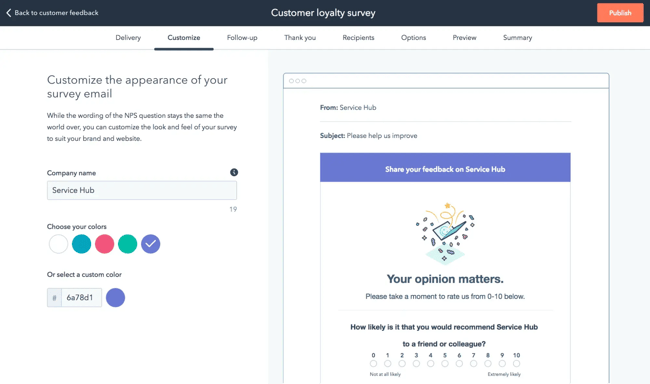
- Brand Loyalty and Advocacy: Measures the likelihood of repeat purchases and whether customers would recommend the brand to others. Customer feedback software, like HubSpot’s, helps capture metrics like Net Promoter Score (NPS), Customer Satisfaction (CSAT), and Customer Effort Score (CES), providing direct insight into loyalty drivers.
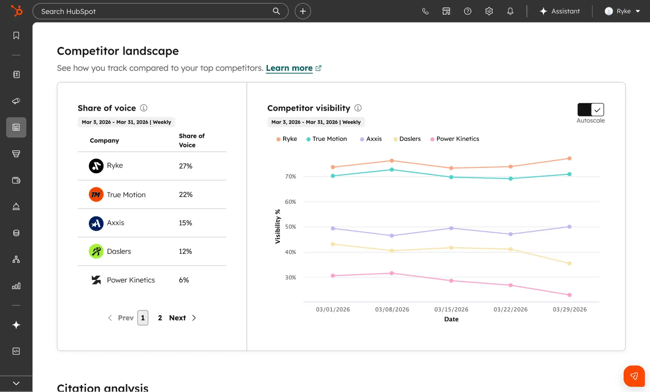
- Share of Voice (SoV): Traditionally measured as the proportion of media mentions or ad spend a brand has compared to its competitors. In the AI age, this extends to AI Share of Voice, which quantifies how often a brand appears in AI-generated answers relative to its rivals for specific queries.
- Brand Equity: The overall value a brand holds in the market, encompassing all the above metrics. Strong brand equity often translates to higher pricing power, customer retention, and resilience in competitive landscapes.
It is crucial to understand that brand strength is rarely singular; a rise in one metric can sometimes mask declines in others. For instance, a brand’s share of voice might increase due to negative publicity, which marketers must immediately discern and address. Integrating these metrics into a single decision-making dashboard allows teams to identify interdependencies and respond holistically.
The AI Revolution: Tracking Brand Visibility in Answer Engines
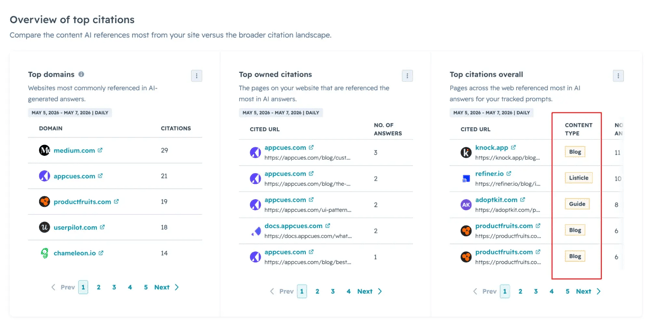
The advent of AI-powered answer engines has fundamentally altered the consumer journey, placing AI brand tracking at the forefront of modern marketing strategy. AI brand tracking measures the frequency, accuracy, and favorability with which a brand appears in AI-generated answers. It delves into whether a brand is mentioned, which competitors are cited alongside it, the specific prompts that trigger its visibility, and the underlying sources shaping the AI’s response.
This new dimension of tracking is critical because AI visibility now often precedes traditional website traffic. A potential buyer might ask ChatGPT, Gemini, or Perplexity for the "best [product category] tools" and receive a curated list of recommendations before ever initiating a web search. Traditional SEO dashboards, while still vital, cannot fully capture this pre-click influence, as a brand can gain significant exposure and influence without registering a direct website visit.
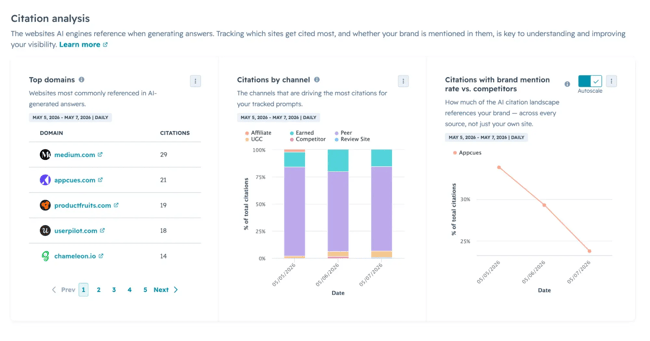
Core use cases for AI brand tracking include:
- Benchmarking AI Visibility: Understanding how a brand stacks up against competitors in AI recommendations.
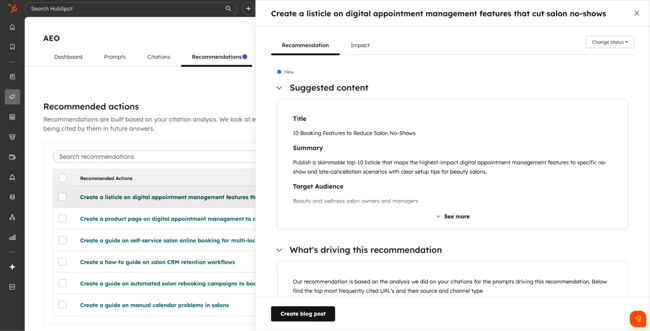
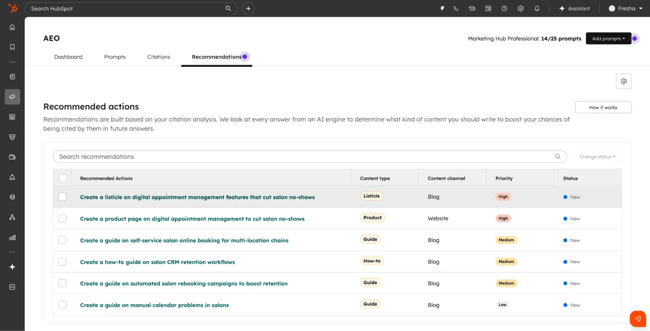
- Optimizing Content for AI Citation: Identifying which content types and sources AI engines prefer to cite for specific queries, guiding content strategy.
- Reputation Management in AI: Monitoring the sentiment and factual accuracy of brand mentions in AI responses to proactively address misinformation or negative narratives.
- Prompt Engineering Insights: Discovering which types of user prompts (e.g., "alternatives to X," "best budget Y") trigger brand mentions, allowing for targeted content creation.
Tools like HubSpot AEO are purpose-built for this challenge, providing marketers with a clear dashboard to monitor brand visibility scores, AI share of voice percentages, and sentiment scores across leading LLMs. It identifies not only if a brand appears but also why (based on cited sources and content types) and offers actionable recommendations to enhance AI visibility.
Strategic Selection: Choosing the Right Brand Tracking Tools
Selecting the appropriate brand tracking tools is a strategic decision that must align directly with a company’s specific business questions and growth stage. Early-scale teams typically prioritize agility and rapid insights, while mid-market companies seek robust integrations and repeatable reporting. Enterprise organizations, in contrast, demand comprehensive governance, multi-market tracking capabilities, and rigorous research methodologies. Before evaluating vendors, teams must clarify the core problems their brand tracking software needs to solve.
Key Features to Evaluate:
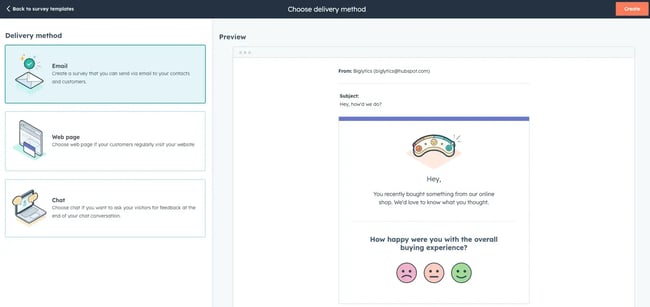
- Survey-based Brand Health Measurement: The tool must support structured feedback collection to measure unaided and aided awareness, familiarity, consideration, preference, trust, purchase intent, and brand associations. For B2B, audience filters for job title, seniority, industry, and buying role are essential. Key questions for vendors include survey customization, panel access, and data analysis capabilities.
- Comprehensive Monitoring Coverage: Beyond surveys, the tool should capture brand mentions across a wide array of online channels: social media, news, forums, reviews, blogs, podcasts, videos, and answer engines. Given consumers’ increasing reluctance to directly share feedback, passive listening across diverse sources is paramount for holistic brand health insights.
- Dedicated AI Visibility Features: This is a non-negotiable for modern tracking. The tool should measure AI visibility (whether a brand is mentioned) and AI share of voice (how often compared to competitors) across multiple LLMs. Vendors should be able to track prompt performance, analyze citation patterns, and provide insights into content optimization for AI.
- Customer Feedback and Experience Integration: Brand tracking cannot exist in a vacuum, separate from customer reality. The tool should integrate with or offer capabilities for collecting customer satisfaction metrics (NPS, CSAT, CES) and linking them to customer records. This reveals how operational experiences impact brand perception and loyalty.
- CRM, Campaign, Search, and Social Integrations: For brand insights to drive revenue-linked decisions, the tracking tool must connect with existing CRM data, campaign performance metrics, search trends, social engagement data, and web analytics. This integration provides a holistic view of what influences brand health and allows for actionable responses.
- Robust Competitor Benchmarking: A strong tool allows for tracking named competitors across the same audience segments, markets, channels, and metrics. For AI visibility, this means comparing how often a brand is recommended by AI versus its rivals for identical prompts.
- Advanced Sentiment and Topic Analysis: The tool should identify prevailing themes (e.g., pricing, product quality, customer support) and determine sentiment (positive, neutral, negative) across channels. AI-powered sentiment analysis can provide granular insights into the emotional tone of conversations.
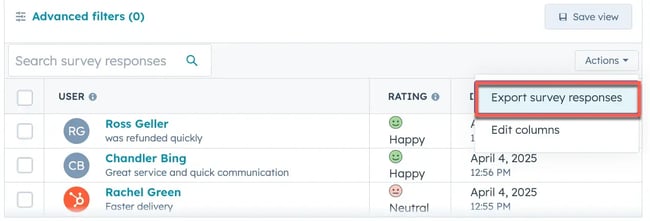
- Reporting, Analytics, and Governance: Essential features include role-based dashboards, scheduled reports, customizable permissions, annotations for contextualizing data spikes, data export options, and clear trend history for executive reporting and strategic planning.
- Transparent Pricing and Total Cost of Ownership: Beyond the listed price, teams must inquire about costs related to data volume, additional users, market coverage, integrations, and ongoing support. Understanding the total cost for the actual use case is critical to avoid unexpected expenses.
Tailored Solutions: Brand Tracking Tools by Organizational Growth Stage
The diverse landscape of brand tracking tools means that solutions are often optimized for different organizational sizes and needs.
Early Scale Teams: Focused and Agile Insights
Early-stage companies typically require straightforward, cost-effective tools that provide quick answers to fundamental questions: "Are buyers aware of us?" "What are they saying?" and "Are we appearing in AI recommendations?"
- HubSpot AEO: Ideal for marketers needing to quickly assess AI visibility across ChatGPT, Gemini, and Perplexity. It offers brand visibility scores, competitor comparisons, and actionable recommendations for content optimization. Its integration within HubSpot’s ecosystem makes it particularly valuable for teams already using the platform.
- HubSpot Customer Feedback Software: Essential for connecting brand perception with real customer experiences. It facilitates NPS, CSAT, and CES surveys, linking feedback directly to customer records for timely detection of issues and improvements.
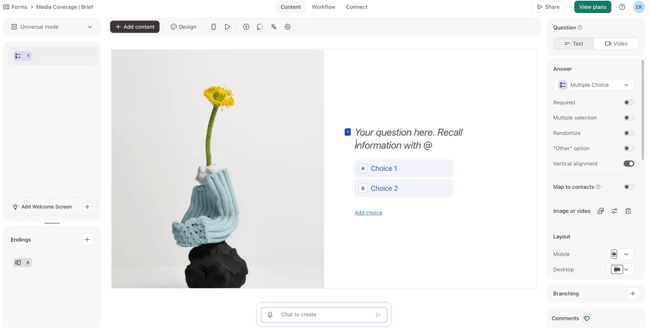
- Typeform: A versatile tool for creating lightweight, engaging surveys for campaign recall, message testing, or basic awareness checks. Its user-friendly interface allows lean teams to gather structured feedback without extensive research expertise.
Mid-Market Teams: Integrated and Scalable Solutions
Mid-market companies often seek tools that can integrate social, search, AI visibility, and survey data, providing repeatable reporting and team workflows to align brand, growth, and leadership functions.
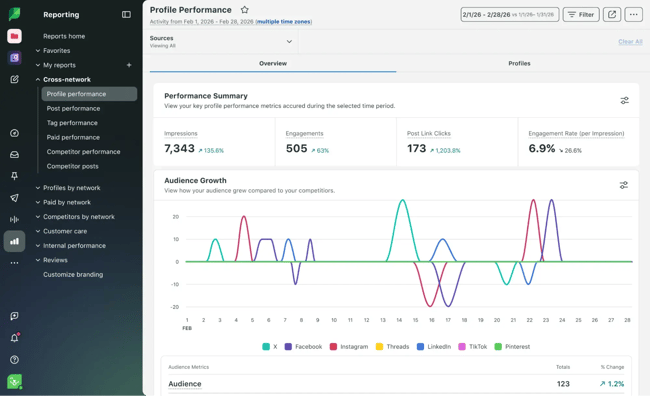
- Sprout Social: A comprehensive social media management platform that combines publishing, scheduling, listening, and sentiment analysis. It’s well-suited for teams needing to tightly align brand monitoring with social marketing execution.
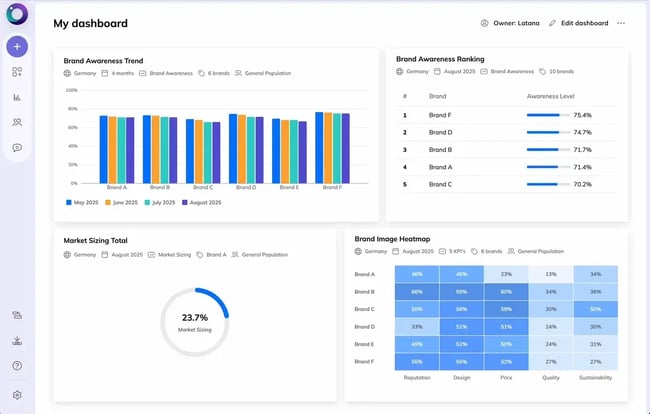
- Latana: A dedicated brand tracking platform offering statistically robust, survey-based measurement of awareness, consideration, and perception across specific audience segments and markets. It provides depth without requiring an in-house research department.
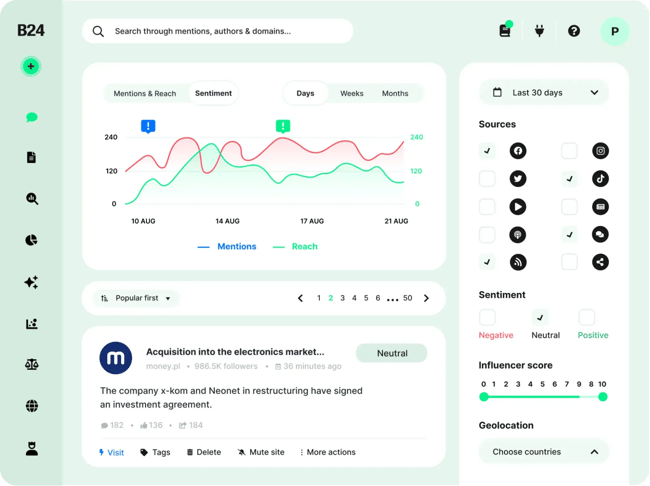
- Brand24: Focuses on brand monitoring and social listening, tracking mentions, reach, engagement, and sentiment across a wide array of online channels including news, blogs, Reddit, and social platforms. It’s excellent for understanding where and how people are talking about a brand.
Enterprise Teams: Robust, Global, and Strategic Intelligence
Enterprise organizations demand tools with strong governance, broad market coverage, deep historical data, and reporting capabilities that withstand intense executive scrutiny, often informing large-scale market strategy and budget allocation.
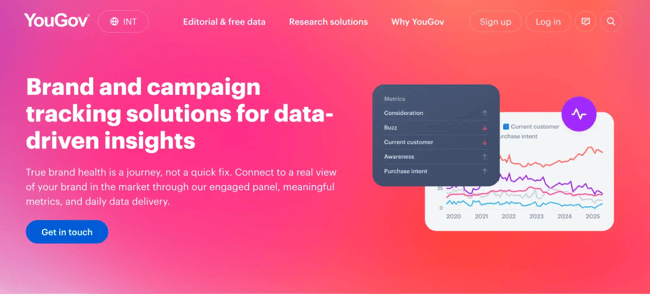
- YouGov BrandIndex: An "always-on" brand tracker providing daily insights across 16 brand health metrics in over 50 markets. It’s invaluable for understanding how major campaigns, news events, or competitor actions influence brand perception over time.
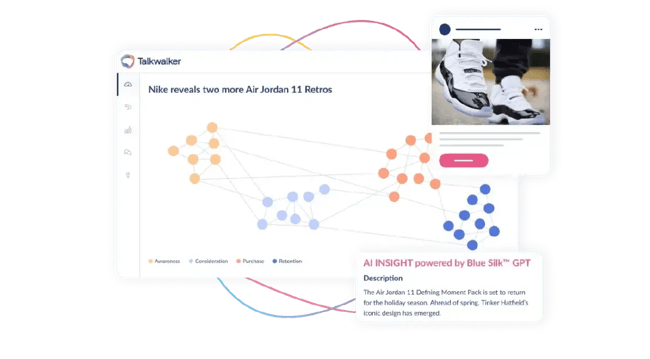
- Talkwalker: Combines social listening, media monitoring, AI summaries, forecasting, and LLM insights. It’s built for enterprise-level consumer intelligence, providing extensive data coverage and advanced analytics for global brand monitoring.
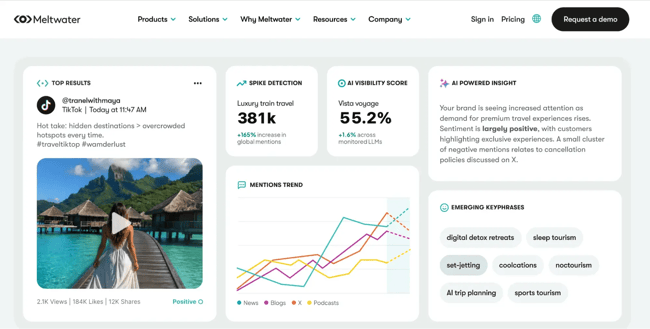
- Meltwater: Offers a comprehensive suite including media intelligence, social listening, consumer intelligence, influencer marketing, and GenAI Lens LLM Tracking. It’s particularly strong for PR-heavy teams needing to understand the interplay between media coverage and AI answers.
- Brandwatch: A powerful consumer intelligence and social listening platform for analyzing vast volumes of online conversation. Its AI-driven analytics and customizable dashboards cater to mature research teams with complex data needs and audience segmentation requirements.
Mastering the Brand Tracking Survey: A Practical Guide
Even with advanced monitoring tools, a structured brand tracking survey remains a cornerstone of comprehensive brand health measurement. It captures nuanced feedback that passive listening cannot, providing direct insights into consumer awareness, familiarity, consideration, preference, associations, and purchase intent.
- Start with the Business Decision: Every survey question must directly support a clear business decision. A launch survey might aim to measure campaign-driven awareness, while a repositioning survey would assess shifts in brand associations. As Daniel Koomson, Senior UX Researcher at News UK, emphasizes, iterative testing is crucial to ensure clarity and actionable insights.
- Define the Target Audience: The sampling strategy must accurately reflect the market segment a company aims to influence. For B2B, this means filtering by job title, seniority, industry, company size, and buying authority. For B2C, demographics, lifestyle, and category usage are key. Prioritize the most critical segments if budget is constrained.
- Maintain Question Stability: For longitudinal trend data to be trustworthy, core questions must remain consistent across survey waves. While specific questions can be added or rotated for campaigns or product launches, the foundational metrics should be immutable.
- Separate Unaided and Aided Awareness: Always ask unaided questions first ("Which brands come to mind in this category?"). This prevents later aided questions (where a list of brands is provided) from influencing and inflating recall, providing a truer measure of top-of-mind awareness.
- Establish Survey Frequency: Quarterly surveys are typically suitable for most scaling B2B companies. Monthly tracking may be necessary for fast-moving markets, heavy media spend, or new market entries. Enterprise programs with substantial budgets might opt for daily or weekly tracking.
- Integrate Competitor Tracking: Brand metrics gain meaning when viewed in a competitive context. The survey should include direct competitors, category leaders, and even substitute solutions that frequently appear in sales conversations or customer research.
- Reduce Bias Proactively: Bias can subtly undermine survey results. Strategies include randomizing answer order, avoiding leading language, screening respondents for category relevance, and balancing competitor lists. A quick pre-launch bias check, assessing for ambiguity, leading questions, or overly complex language, is invaluable. Koomson also highlights the importance of CAPTCHA to filter out bots and ensure genuine responses.
- Connect Survey Data to Business Data: The ultimate value of brand tracking lies in its ability to inform revenue-linked decision-making. Integrate survey results with CRM data, traffic analytics, pipeline reports, campaign performance, and sales data. This holistic view, facilitated by platforms like HubSpot’s integrated CRM, allows teams to understand the tangible impact of brand health on business outcomes.
The Broader Implications and Future Outlook for Brand Management
The integrated approach to brand tracking, especially the emphasis on AI visibility, carries profound implications for marketers and businesses alike. For marketers, it necessitates a new skill set encompassing data analysis, prompt engineering, and a holistic understanding of the customer journey across diverse digital and AI touchpoints. Brand managers must now think beyond traditional media and actively optimize content and strategy for AI consumption.
For businesses, this evolution presents both challenges and unparalleled opportunities. A proactive and integrated brand intelligence strategy offers a significant competitive advantage, enabling agile responses to market shifts, effective risk mitigation through early reputation management, and data-driven strategic planning. Conversely, neglecting AI visibility could lead to brands being omitted from critical pre-purchase consideration sets, effectively becoming "invisible" to a growing segment of buyers.
Looking ahead, the field of brand tracking will likely continue its trajectory towards even greater sophistication. Predictive analytics, leveraging AI to forecast future brand sentiment and market trends, will become more prevalent. Hyper-personalization, where brand interactions are tailored based on granular insights derived from integrated data, will deepen customer relationships. Ethical considerations surrounding AI’s role in shaping brand perception, including transparency in AI-generated content and data privacy, will also grow in importance. Brands will need to adapt to real-time, adaptive branding strategies, constantly monitoring and adjusting their presence across an ever-expanding digital and AI ecosystem.
Conclusion: Towards Integrated Brand Intelligence
Brand tracking in the current landscape transcends mere quarterly awareness charts. The most effective strategies now seamlessly combine structured surveys, real-time brand monitoring, granular customer feedback, active social listening, dynamic search demand analysis, critical AI visibility, and comprehensive CRM reporting. This multi-faceted approach ensures that businesses possess a truly holistic understanding of their brand’s health and market position.
While a single tool may not encompass every requirement, a strategic blend is often necessary, particularly for social listening and the burgeoning field of AI visibility. HubSpot AEO stands as a particularly relevant addition to any brand monitoring stack, offering specific insights into how a brand appears in answer engines, identifying visibility gaps, and pinpointing the sources that influence AI responses. When paired with HubSpot Customer Feedback Software and integrated with the Smart CRM’s attribution reporting, brand measurement transforms into a powerful engine for revenue-linked decision-making. This comprehensive intelligence connects market perception, customer sentiment, and campaign performance, empowering leaders to act decisively and strategically in an increasingly complex and AI-driven market. For teams establishing their brand foundation, HubSpot’s Free Brand Building Guide remains an invaluable starting point before diving into advanced measurement.

 rifanmuazin
 Nana Wu