rifanmuazin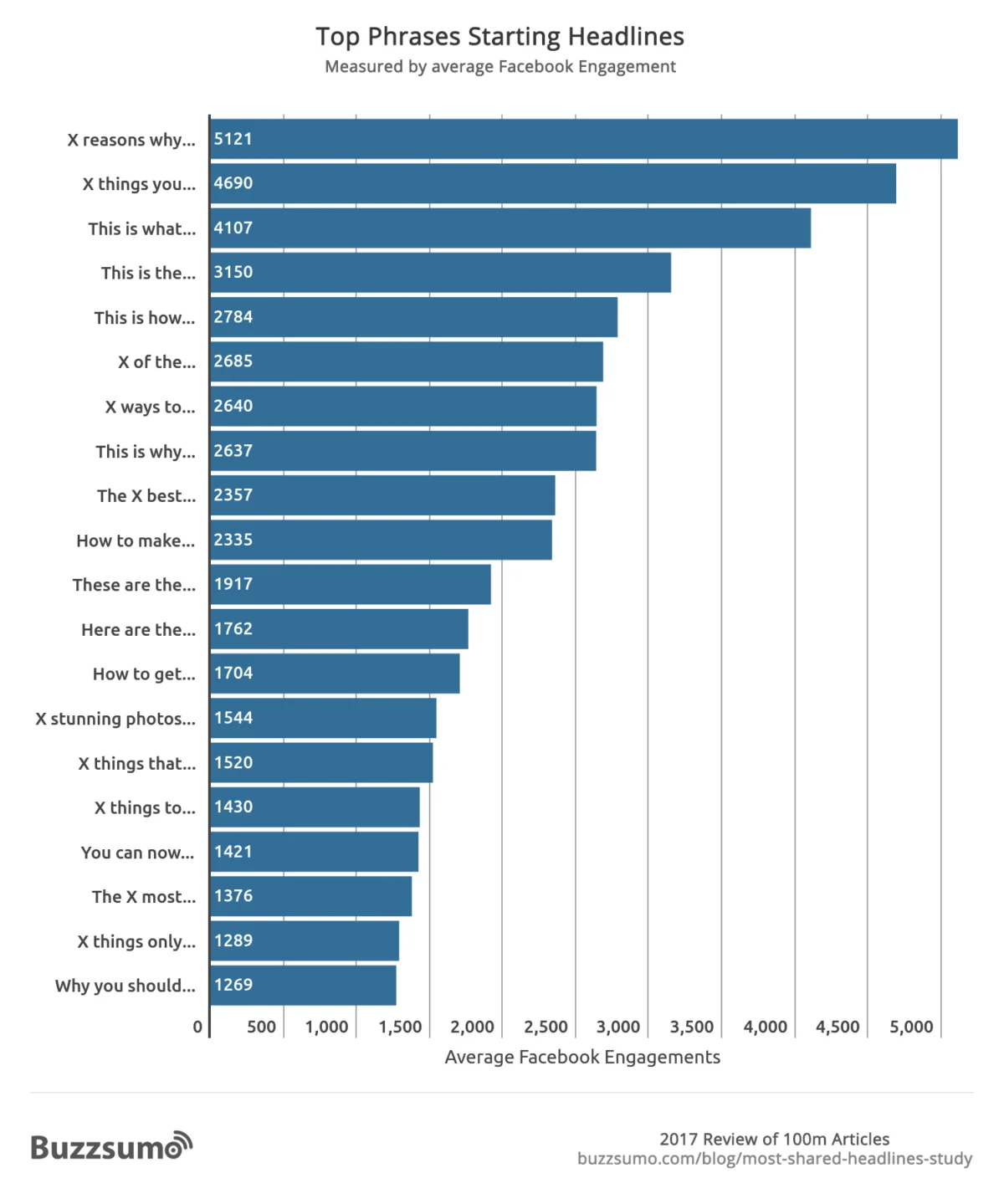
Headlines are far more than mere titles; they are critical gateways, serving as subject lines, tweets, and video titles, designed to capture audience attention in a fiercely competitive digital landscape. With algorithms increasingly dictating content visibility and audience standards continually rising, understanding what constitutes an effective headline is paramount for publishers and content creators alike. BuzzSumo, a leading content analytics platform, recently undertook a comprehensive analysis of 100 million headlines to uncover prevailing trends and significant shifts since its seminal 2017 study. This updated research, spanning 2019-2020, offers crucial insights into optimizing headline performance on major social media platforms like Facebook and Twitter.
Methodology and Scope of the Research
Building upon the foundation laid by BuzzSumo co-founder Steve Rayson’s 2017 study, the updated analysis delved into an extensive dataset of 100 million headlines. The research primarily focused on identifying "trigrams" – three-word phrases – that garnered the highest average shares on Facebook and Twitter. This specific focus on trios stems from the psychological principle that three-part patterns are often more satisfying, memorable, and impactful in communication, a technique observed across various forms of media from poetry to advertising. To mitigate potential biases from popular sites, the analysis included only one headline trigram or phrase per domain for the average share calculations. Furthermore, the three most shared examples of each trigram were excluded to prevent outliers from skewing the overall averages. The study also incorporated insights from leading marketing experts, providing a qualitative layer to the quantitative findings. This rigorous methodology ensures that the identified trends offer reliable guidance for contemporary content strategies.
Dramatic Shifts in Headline Effectiveness Since 2017
The most striking revelation from the updated BuzzSumo study is the profound transformation in headline effectiveness. Compared to the 2017 findings, the digital landscape of 2019-2020 demands a nearly entirely different approach to headline crafting. On Facebook, a staggering 100% difference was observed between the top 20 headline phrases in 2017 versus 2020. This means none of the previously dominant phrases retained their top positions. Twitter, while showing slightly more consistency, still saw only two of its most popular headline phrases remain unchanged.
This dramatic evolution can be attributed to several interconnected factors: the maturation of social media algorithms, evolving audience preferences, and significant shifts within the publisher ecosystem. Notably, Facebook’s continuous efforts to combat clickbait, which began in earnest around May 2017, and its subsequent prioritization of "trustworthy news" sources (announced January 2018, with further refinements in June 2020) have profoundly reshaped the types of content that gain traction. These algorithmic adjustments have actively demoted sensational, overtly emotional, quiz-based, and tribal content, pushing publishers towards more authoritative and informative approaches. This deliberate re-ranking by social platforms has compelled content creators to adapt, favoring substance over sensationalism.
The Demise of Emotional and Clickbait Headlines
In 2017, headlines heavily leveraging emotional language or sensational promises were highly effective on Facebook. Phrases like "will make you," "melt your heart," and "shocked to see" consistently drove high engagement. The phrase "will make you" alone garnered more than double the engagements of the second most popular trigram. These headlines often functioned as precursors to emotional narratives, promising a direct impact on the reader, such as "This is why these 10 stunning photos will make you cry tears of joy!"
However, the 2019-2020 analysis reveals a stark reversal. Explicitly emotional or sensational headlines have largely disappeared from the top-performing lists. For instance, the phrase "in love with" was the 55th most popular trigram, achieving a modest 1,723 average shares, a significant drop from the 1.7 million shares seen by a top "will make you" headline in 2017. The closest approximation to emotional appeal now comes through exaggerated phrases referencing "exceptional content," such as "one of the most beautiful." This signals a clear shift: overtly emotional or sensational headlines are largely a thing of the past.
Similarly, the once-dominant "quiz" and "tribal" headlines have faded into obscurity. In 2017, phrases like "can we guess" (e.g., "Can We Guess Your Real Age?") and "only X in" (e.g., "Only 1 In 50 People Can Identify These 16 Grammar Mistakes. Can You?") were rampant. Tribal headlines, fostering a sense of identity (e.g., "25 Things Only Teachers Will Understand"), also performed exceptionally well. The updated data shows these types of headlines rarely appear in top-shared content, indicating a fundamental change in audience engagement patterns and platform algorithmic preferences. This suggests a more discerning audience, weary of manipulative tactics, combined with platform efforts to promote higher-quality interactions.
Optimal Headline Length: Shorter and More Specific
Outdated advice often suggests crafting snappy, six-word headlines. However, the 2017 BuzzSumo study had already challenged this, finding that an optimal length of 15 words and 95 characters drove maximum engagement. This was a significant departure from prevailing wisdom, indicating that sufficient detail was necessary to pique interest.
The 2019-2020 research further refines this understanding: headlines have become even snappier. The ideal headline length for top-performing content on Facebook and Twitter is now 11 words and 65 characters. This represents a reduction of approximately four words and 30 characters since 2017. This trend towards conciseness reflects a broader societal shift: with a 64% increase in online content published since 2016 (an analysis of 1.7 billion articles), readers are experiencing "content overload." They demand information quickly and efficiently, favoring headlines that are specific, detailed, and get straight to the point without unnecessary verbiage. This "speed to insight" is a critical factor in capturing fleeting attention spans.
The Enduring Power of Numbers, with a Nuance
Numbers continue to be a powerful element in headlines, particularly for listicles, which promise actionable takeaways and make content more specific. The magic number, consistently effective across both studies, remains "10." Excluding "10," single-digit numbers (3 through 9) generally drive the most engagement on social media. The data shows no strong preference for odd or even numbers within the top-performing lists, with both appearing frequently among the five most shared headlines.
However, a subtle shift has occurred. While "10" remains strong, other double-digit numbers like "15" and "20," which were effective in 2017, appear to have fallen out of favor. This again points to the audience’s preference for "speed to insight," suggesting that larger numbers and longer lists are now less appealing to share. This indicates that while listicles are still potent, their optimal length may also be shrinking, aligning with the overall trend towards shorter, more digestible content.
Dominant Themes on Facebook: Instruction and Hyperbole
A thematic categorization of the top 60 trigrams on Facebook revealed eight primary categories: Ranking, Newness, Hyperbole, Instructional, Surprise, Curiosity, Guidance, and Story. While "Ranking" (e.g., "of the year" for awards and public votes) and "Newness" (e.g., "in X years," often "for the first time in X years" for rare events) topped the individual trigram charts, the "Instructional" category emerged as a standout theme.
Instructional headlines, characterized by modal verbs and phrases suggesting obligation or urgency (e.g., "you need to," "you should," "you must," "need to know"), consistently drive high engagement. These phrases leverage a sense of FOMO (Fear Of Missing Out), placing responsibility on the reader and implying critical information. As marketing expert Ross Simmonds noted, "The success of incorporating instructional copy… is an amazing insight that more brands should consider applying." Brian Dean, founder of Backlinko, added that this shift from BuzzFeed-style clickbait to instructional content indicates that "today’s Facebook users need to know that the content is going to teach them something new." Amanda Milligan, Marketing Director at Fractl, further elaborated that this language inherently demonstrates authority, with sources "saying they know what’s best."
Hyperbolic phrases, using superlatives and exaggerated statements (e.g., "one of the most," "of the best"), also remain highly successful on Facebook. This form of "exaggerated emotion" still works, particularly when referencing truly exceptional content, distinguishing it from the broader decline of overtly emotional clickbait. Examples include "Why Your Older Sister Is One of the Most Important People in Your Life" (brightside.me, 2.1M shares).
When examining headline composition, listicles (headlines starting with a number) continue to perform well at the beginning of Facebook headlines, alongside instructional and curiosity-provoking phrases. Ending headlines on Facebook often involves time-centric phrases (e.g., "of the year," "in 2020," "in 2021"), especially those related to current events like the pandemic, or numbers used to induce surprise or highlight quick insights.
Twitter’s Appetite for Future-Focused and Research-Driven Content
While some trends overlap, Twitter exhibits distinct preferences. "Curiosity" headline phrases (hinting, teasing, or questioning) generally perform better on Twitter. The phrase "the future of" emerged as the most engaging trigram, both overall and at the start of Twitter headlines, indicating a strong audience interest in forward-looking analysis and predictions. Examples include "The Future of Quantum Computing" and "Understanding the Future of AI."
Furthermore, Twitter users show a clear appetite for research and data-driven content. Words like "study" and "report" frequently appeared at the beginning of top-performing headlines, suggesting that Twitter is an ideal platform for sharing new research findings and expert analyses. Immediacy and reactivity are also key, with a significant majority of top-ending phrases being time-centric, particularly "2020" and other current dates, reflecting Twitter’s role as a real-time news and discussion platform.
Despite these nuances, "instructional" headlines remain a robust strategy for both platforms. Crossover phrases like "how to make," "what you need," and "X reasons why" demonstrate universal appeal. However, it’s crucial to acknowledge the scale difference: Facebook’s most shared headline phrase garnered 590 times more average shares than Twitter’s, highlighting the vastly different engagement dynamics of the two networks.
Shifting Publisher Landscape
The algorithmic changes and evolving audience preferences have also profoundly impacted the publisher landscape. On Facebook, there was a dramatic shift in the top domains sharing engaging headlines between 2017 and 2019-2020. The updated data reveals a clear prioritization of established, trustworthy news sources like cnn.com, dailymail.co.uk, nbcnews.com, washingtonpost.com, cbsnews.com, and time.com. This directly reflects Facebook’s announced policy of boosting original and authoritative news reporting, moving away from less credible or clickbait-oriented sites that might have performed well in earlier years. This shift provides greater confidence in the reliability of the headline trends identified in the current study, indicating a move towards more journalistic integrity on the platform.
For Twitter, the changes were equally stark. Only two publishers from the 2017 top 10 remained in the 2019-2020 list, indicating a dynamic and competitive environment where content strategies must continuously adapt. This fluid environment demands that publishers remain agile, constantly evaluating their content distribution strategies across platforms.
Implications for Content Marketers and Publishers
The findings underscore the imperative for content creators to move beyond outdated headline strategies. As Heidi Cohen, Chief Marketing Officer of Actionable Marketing Guide, emphasized, marketers must "focus on core marketing basics to ensure that they get the most out of their marketing investment over the long-term." She also advises continued dialogue with existing customers to understand evolving needs.
Key takeaways include:
- Prioritize Clarity and Specificity: Move away from vague, sensationalist language. Headlines should clearly communicate the value proposition, be it an instruction, a new insight, or a definitive ranking.
- Embrace Instructional Content: "You need to know," "How to," and similar phrases resonate strongly, especially on Facebook. Position content as essential learning or guidance, leveraging the desire for expertise and solutions.
- Leverage Numbers Strategically: Listicles remain effective, but consider shorter lists, with "10" being a consistent performer. Avoid excessively long lists that might overwhelm readers seeking quick insights.
- Tailor for Platforms: While some instructional themes cross over, understand platform-specific nuances. Twitter favors research, future-oriented topics, and real-time relevance, while Facebook leans towards instructional, hyperbolic (for quality content), and newness.
- Build Authority and Trust: The shift in Facebook’s algorithm rewards authoritative news sources. Content creators should focus on delivering genuine value and establishing credibility, as this is now a significant factor in algorithmic visibility.
- Continuous Testing: The rapid evolution of social media algorithms and audience preferences necessitates ongoing testing of headline variations to determine what works best for a specific audience and content niche. Data-driven iteration is key to sustained success.
As Rand Fishkin, founder of SparkToro, succinctly put it, "reviewing data at scale from this study is a very wise investment." It not only aids in headline writing but also illuminates "the nuance of what’s really working." The days of generic clickbait are waning; the era of informed, targeted, and value-driven headlines is here. Content creators who adapt to these data-backed principles will be better positioned to cut through the noise and genuinely connect with their audiences.
Conclusion
The landscape of content engagement is in constant flux, driven by sophisticated algorithms and discerning audiences. BuzzSumo’s comprehensive analysis serves as a critical compass, guiding content creators through these changes. The shift from emotional appeals and tribal content to instructional, specific, and authoritative headlines marks a new era in digital communication. By understanding these dynamics and employing data-informed strategies, publishers and marketers can craft headlines that not only capture attention but also foster genuine engagement and build lasting audience relationships in an increasingly crowded digital world. The future of effective headlines lies in their ability to be informative, relevant, and compelling, without resorting to the outdated tactics of sensationalism. For those focusing on B2B content, further specialized research, such as BuzzSumo’s 2022 B2B content marketing study, provides additional tailored insights.