admin
admin
A robust sales strategy is the bedrock of any successful enterprise, encompassing every facet of the sales journey from initial prospect identification to the final closing of a deal. This strategic blueprint, often a dynamic document, requires continuous refinement to align with evolving market conditions and internal team capabilities, thereby optimizing future sales endeavors. The benefits of a meticulously developed sales strategy are far-reaching, empowering sales representatives to maximize their productivity and enabling marketing teams to effectively position the company and its offerings.
The Strategic Imperative: Maximizing Impact and Driving Revenue
At its core, a well-defined sales strategy ensures that sales professionals dedicate their valuable time to high-impact activities. For small and growing businesses often grappling with inconsistent lead generation, understanding the ideal buyer persona is paramount. This clarity allows for precise targeting and the articulation of compelling value propositions, ensuring that every effort is directed towards activities that demonstrably contribute to revenue growth. Research consistently highlights the correlation between strategic alignment and sales success; a study by HubSpot revealed that companies with closely aligned sales and marketing teams experience a remarkable 38% higher sales win rate. This synergy is not accidental but a direct outcome of a cohesive sales strategy that bridges the gap between lead generation and conversion.
Beyond optimizing individual efforts, a strategic approach fosters predictable growth by creating repeatable systems. By identifying and implementing the most effective sales processes, businesses can move beyond ad-hoc tactics and apply proven methodologies to all leads. For instance, if data indicates that a product demonstration significantly boosts conversion rates by 50%, this insight becomes a non-negotiable element of all subsequent sales interactions. This systematic approach not only enhances efficiency but also builds a scalable framework for sustained revenue and pipeline expansion.

Navigating the Landscape: Inbound, Outbound, and Account-Based Marketing
The modern sales landscape offers a diverse array of strategies, each with its unique strengths. While a business may lean more heavily on one or two, understanding the nuances of inbound sales, outbound sales, and account-based marketing (ABM) is crucial for strategic selection.
Inbound Sales: Attracting and Nurturing
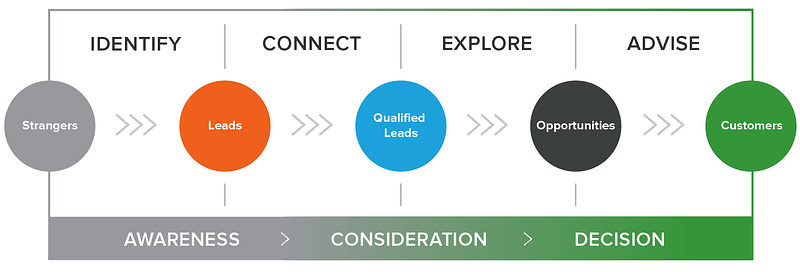
Inbound sales strategies revolve around attracting potential customers by providing valuable content that addresses their needs and pain points. This approach inherently blends sales and marketing efforts, with marketing teams creating and distributing content that piques a lead’s interest. For example, a whitepaper detailing industry challenges and offering solutions can attract prospects who then engage with the sales team for further information or a product demonstration. In this model, sales representatives often adopt an advisory role, working to ensure that the product or service is a genuine fit for the customer’s requirements.
Outbound Sales: Proactive Engagement
Conversely, outbound sales strategies involve actively sourcing and contacting potential leads. While often associated with traditional cold emailing and cold calling, this method remains highly effective for many businesses when executed with a compelling offer and a seamless sales process. Crucially, outbound efforts must adhere to data privacy regulations, such as GDPR, necessitating careful lead sourcing and management. Companies like DemandScience offer solutions to ensure compliance and efficient lead generation for outbound campaigns.
Account-Based Marketing: Precision Targeting
Account-Based Marketing (ABM) represents a highly targeted approach where marketing and sales efforts are concentrated on a defined set of high-value accounts. This strategy begins by identifying potential customers who represent the best fit for the product or service. Subsequently, highly personalized content and engagement strategies are developed to nurture these accounts and build consensus among key decision-makers. ABM necessitates close collaboration between sales and marketing, often involving coordinated efforts such as targeted LinkedIn advertising and personalized cold outreach. This "reverse" approach, where target accounts are defined first and campaigns built around them, is particularly effective for complex sales cycles and high-value deals.
Building Your Sales Strategy: A Step-by-Step Framework
The construction of an effective sales strategy requires a systematic and data-driven approach, beginning with a deep understanding of the business’s core elements.
1. Understanding Your Foundation: Industry, Product, and Buyer Persona
The initial step involves a comprehensive analysis of the industry, the unique selling propositions of the product or service, and the detailed characteristics of the ideal buyer persona. The Average Contract Value (ACV) plays a significant role in shaping tactical decisions; low ACV businesses may favor high-volume, automated outreach, while high ACV deals require more personalized, consultative approaches. Similarly, industry norms, such as the prevalence of trade shows versus online networking, will influence channel selection.
2. Setting Ambitious Yet Attainable Sales Goals
Sales goals must be intrinsically linked to broader organizational objectives. Once overarching sales targets are established, they should be broken down into measurable Key Performance Indicators (KPIs) and individual goals for sales representatives. For instance, a goal might be to send 100 targeted cold emails per week. The ultimate aim is to ensure that these goals reflect both the expected activities of the team and the desired outcomes.
3. Identifying Key Acquisition Channels
The selection of acquisition channels should be guided by the buyer persona. Understanding where the ideal customer spends their time and how they prefer to be contacted is fundamental. A diverse range of demand generation strategies can be employed, including:

- Content Marketing: Creating valuable blog posts, whitepapers, and case studies that attract and educate potential clients.
- Search Engine Optimization (SEO): Improving online visibility to attract organic traffic from individuals searching for relevant solutions.
- Paid Advertising: Utilizing platforms like Google Ads and social media advertising to reach specific demographics and interests.
- Social Selling: Engaging with prospects and building relationships on professional networking sites.
- Email Marketing: Developing targeted email campaigns to nurture leads and promote offers.
- Cold Calling and Emailing: Directly reaching out to potential clients with personalized messages.
- Referral Programs: Encouraging existing customers to refer new business.
- Partnerships: Collaborating with complementary businesses to access new customer bases.
The cost-effectiveness and time investment associated with each channel must be weighed against the ACV of the product or service. For low-cost, high-volume offerings, highly efficient channels are preferred, whereas for expensive, infrequently purchased items, more time-intensive, educational outreach like cold emails can be a strategic starting point.
4. Measuring and Analyzing Sales Performance
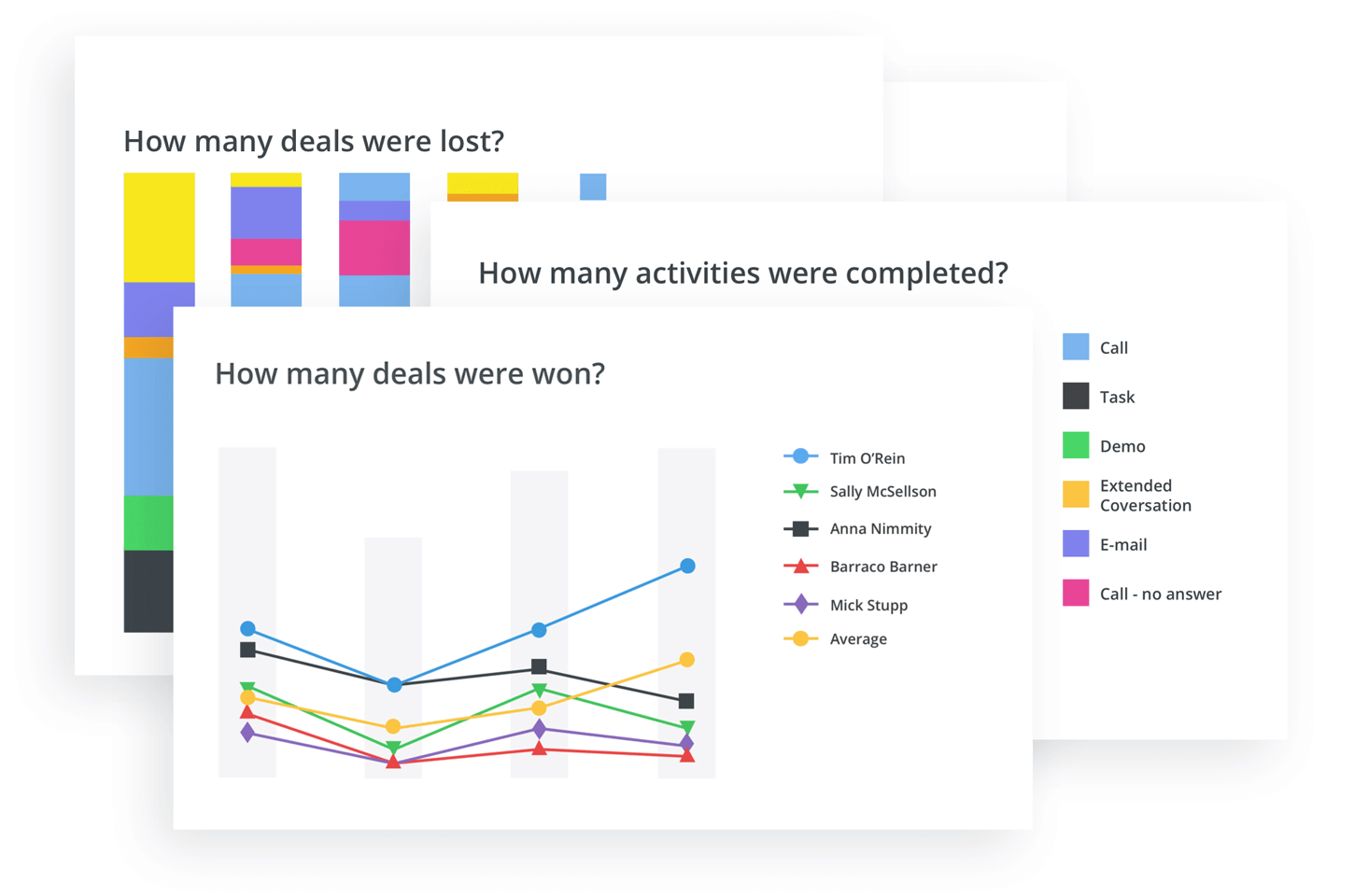
Rigorous measurement is indispensable for evaluating the effectiveness of sales strategies. Without tracking key metrics, businesses operate in the dark, potentially wasting valuable resources on underperforming initiatives. While tools like Microsoft Excel and Google Sheets can be utilized for basic tracking, dedicated Customer Relationship Management (CRM) systems offer more sophisticated analytics. CRMs like Pipedrive provide detailed reports on metrics such as cold email open rates, response rates, and revenue forecasts, enabling data-driven decision-making. Over 50% of sales teams report improved productivity when leveraging CRMs to track their work, underscoring their importance in ensuring efficient time utilization and the efficacy of sales strategies.
5. Automating Processes for Scalability
As a sales strategy gains traction and begins to yield positive results, automating repetitive tasks becomes crucial for managing increased workload and maximizing team efficiency. Automation frees up sales representatives from mundane administrative duties, allowing them to focus on engaging with high-quality leads. Solutions that assist in creating targeted lead lists based on specific criteria—such as job titles, industry, and company size—can significantly reduce manual prospecting time. Tools like Lead Forensics, which identify website visitors, and lead scoring systems, which automatically assign a score to leads based on their engagement, further streamline the sales funnel. CRMs such as HubSpot CRM, Salesforce, and Agile CRM offer integrated lead scoring capabilities, empowering sales teams to prioritize outreach effectively.
Continuous Optimization and the Value of Existing Customers
The sales strategy is not a static entity but a living document that requires ongoing optimization. Regularly analyzing campaign performance and identifying areas of underperformance are critical. For instance, if cold email open rates are consistently low, potential culprits include ineffective subject lines or poorly targeted recipient lists. By systematically testing and refining these variables, businesses can enhance campaign outcomes.
Furthermore, the immense value of existing customers cannot be overstated. Statistics indicate that businesses are 60-70% more likely to convert an existing customer than to acquire a new one. Maintaining high levels of customer satisfaction is paramount to fostering loyalty and preventing churn, which can result in substantial financial losses—estimated at over $136 billion annually in the US due to avoidable consumer switching. Nurturing these relationships through ongoing engagement and superior service is a strategic imperative that complements acquisition efforts.
In conclusion, a comprehensive and adaptable sales strategy is fundamental to achieving sustainable business growth. By embracing a data-driven approach, leveraging appropriate technologies, and fostering strong alignment between sales and marketing, organizations can navigate the complexities of the market, drive revenue, and build lasting customer relationships.