admin
admin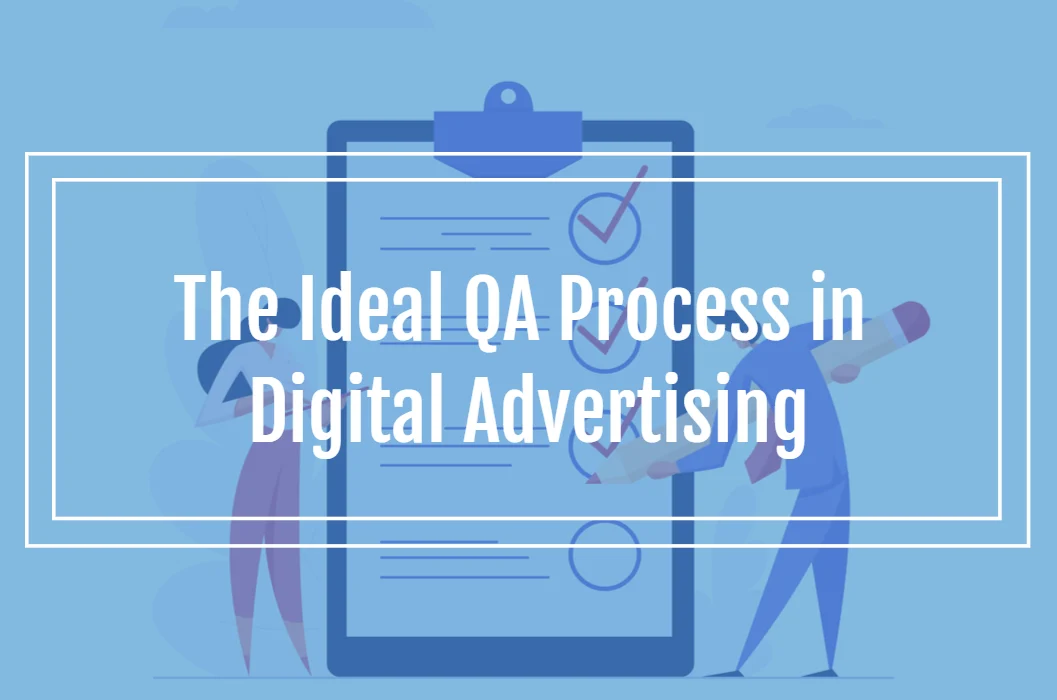
The digital advertising landscape, while offering unprecedented reach and targeting capabilities, is fraught with potential pitfalls that can lead to significant financial losses and missed revenue opportunities. Marketers today wield immense power, able to precisely target qualified users across the globe through sophisticated platforms accessible from any internet-connected device. However, this power is inextricably linked to a profound responsibility. Even minor oversights in campaign setup – concerning budget caps, bid levels, landing page configurations, creative variations, and more – can result in the expenditure of tens of thousands of dollars and the forfeiture of valuable customer acquisition. The challenge lies in establishing robust quality assurance (QA) processes that effectively prevent these errors without becoming an administrative burden that delays critical campaign launches and creative refreshes.
The Evolution of Digital Advertising and the Rise of QA Imperatives
The dawn of digital advertising in the late 1990s and early 2000s marked a paradigm shift from traditional media. Initially, targeting was rudimentary, relying on broad demographic segments and placement on general interest websites. The advent of programmatic advertising and the proliferation of data analytics tools in the subsequent decades have transformed this landscape into a highly nuanced ecosystem. Platforms like Google Ads, Meta Ads, and programmatic DSPs (Demand-Side Platforms) now offer granular control over audience segmentation, including interests, behaviors, demographics, geographic location, and even intent signals. This sophistication, however, amplifies the potential for error. A misplaced decimal in a bid, an incorrect URL in a landing page link, or a poorly optimized creative can have a ripple effect, impacting campaign performance and profitability.
The economic implications of such errors are substantial. A report by the Interactive Advertising Bureau (IAB) in 2022 highlighted that while digital ad spending continued to grow, estimated at over $200 billion in the U.S. alone, inefficiencies and waste remained a persistent concern. Studies from various industry bodies have also indicated that a significant percentage of ad spend can be attributed to non-human traffic or simply poorly executed campaigns, underscoring the need for meticulous oversight.
Establishing an Effective QA Framework: The Two-Pronged Approach
Drawing from extensive experience in ad operations, platform campaign management, and account leadership, a consistent theme emerges: the most effective QA practices are those implemented by individuals with deep domain expertise, working through a pre-defined, comprehensive checklist. This structured approach ensures that all critical elements of a campaign are scrutinized before final approval. While specific items on such a checklist are inherently unique to each campaign and platform, a foundational set of principles and common checks can be universally applied.
A well-defined QA process typically involves at least two distinct sets of eyes reviewing a campaign. This duplication of effort serves a dual purpose: not only does it significantly increase the likelihood of catching errors, but it also distributes accountability, preventing the undue burden from resting solely on the shoulders of a single individual. This collaborative approach fosters a culture of shared responsibility and meticulousness.
Leveraging Technology for Streamlined QA
Task management tools, such as Asana, Trello, or Monday.com, can play a pivotal role in operationalizing these QA processes. These platforms allow for the creation of reusable template checklists, ensuring consistency across campaigns. Furthermore, they facilitate the assignment of specific QA tasks to designated team members, providing clear ownership and tracking progress. For organizations seeking a more agile and cost-effective solution, spreadsheets like Google Sheets have proven to be remarkably effective. Their inherent flexibility allows for easy customization and widespread accessibility, making them a viable alternative for managing complex QA workflows.
The Critical "Day After" Audit: A Sentinel Against Costly Errors
A crucial, often overlooked, component of a robust QA strategy is the inclusion of a post-launch verification step. This involves reviewing key performance indicators (KPIs) – such as clicks, impressions, conversion rates, and website sessions as tracked by analytics platforms like Google Analytics – within 24 hours of a campaign going live. This "day after" audit acts as a vital safeguard against errors that may have slipped through pre-launch checks.
Anecdotal evidence from industry professionals underscores the value of this practice. One account lead recounted a scenario where an advertisement, which appeared to function flawlessly in preview mode, failed to actually direct users to the intended landing page upon live deployment. This critical flaw, undetected during pre-launch QA, resulted in thousands of dollars in wasted ad spend before it was identified. Such instances highlight how meticulously crafted campaign settings can be rendered ineffective by a simple, yet devastating, technical glitch that only becomes apparent when real-world traffic is involved. This proactive monitoring ensures that missteps are identified and rectified before they escalate into substantial financial drains.
The Perils of Overly Complex QA: Diluting Effectiveness and Stifling Agility
While the necessity of thorough QA is undeniable, the pursuit of perfection can sometimes lead to the implementation of overly complex and time-consuming processes. The introduction of a third reviewer, for instance, might seem intuitively beneficial. However, in practice, it can often prove counterproductive. This third party, typically less immersed in the day-to-day intricacies of a specific account or campaign, may lack the nuanced understanding required for effective scrutiny.
This lack of familiarity can manifest in two problematic ways: either the third reviewer inundates the primary QAers with a barrage of questions, consuming valuable time and disrupting workflow, or they feel pressured to approve everything, given their position as the final checkpoint, thus failing to add meaningful value. In such scenarios, the potential for overlooked mistakes remains largely unchanged, while the overall time investment for the team increases disproportionately. The goal is to strike a delicate balance, ensuring comprehensive checks without creating an administrative bottleneck that hinders agility and efficiency.
Adapting and Evolving QA Practices in a Dynamic Environment
The digital advertising ecosystem is in a constant state of flux, with platforms introducing new features, algorithms evolving, and advertising formats diversifying. Consequently, QA processes must not be static. A fundamental principle of effective QA is continuous improvement. When mistakes inevitably occur, they should serve as valuable learning opportunities. The incident should be thoroughly analyzed to identify the root cause, and the QA checklist should be immediately updated to include specific checks that would have prevented the recurrence of that particular error.
This iterative approach builds confidence within the entire team, assuring stakeholders that all settings are being meticulously reviewed and that campaigns are operating optimally. It fosters a culture of learning and adaptation, essential for navigating the complexities of digital advertising successfully.
Broader Implications for the Digital Advertising Industry
The emphasis on rigorous QA extends beyond individual campaign success; it has broader implications for the integrity and efficiency of the digital advertising industry as a whole. As ad spend continues its upward trajectory, the economic impact of inefficient or flawed campaigns becomes increasingly significant. Industry-wide adoption of best practices in QA can lead to:
- Increased Advertiser Confidence: When advertisers see consistent and reliable campaign performance, their trust in digital advertising as a viable marketing channel grows. This can lead to increased investment and innovation.
- Improved Publisher Performance: Well-executed campaigns translate to better engagement and higher revenue for publishers, contributing to a healthier ecosystem.
- Enhanced Consumer Experience: Targeted and relevant advertising, free from technical glitches, leads to a more positive experience for consumers, reducing ad fatigue and skepticism.
- Greater Accountability: Standardized QA processes can foster greater accountability among agencies and internal marketing teams, ensuring that client budgets are managed responsibly.
The journey of digital advertising has been one of rapid evolution, marked by increasing sophistication and potential for error. In this complex environment, a well-defined, adaptable, and experientially informed quality assurance process is not merely a procedural step; it is a critical strategic imperative. By embracing meticulous checks, leveraging technology effectively, and fostering a culture of continuous learning, marketers can harness the immense power of digital platforms while mitigating the inherent risks, ensuring both efficiency and profitability in their advertising endeavors.