
A robust sales strategy is the bedrock of sustained business success, encompassing every facet of the sales cycle, from identifying and engaging target audiences to deploying the most effective tools and processes. Far from being static directives, these strategies often evolve into dynamic, living documents, continuously refined with current market intelligence and team insights to optimize future endeavors. This iterative approach is crucial in today’s fast-paced business environment, where adaptability and data-driven decision-making are paramount.
The benefits of meticulously crafting and implementing a sales strategy are far-reaching, empowering sales representatives to maximize their productivity and enabling marketing teams to strategically position a company and its offerings. A well-defined strategy acts as a compass, guiding efforts towards the most impactful activities and ensuring resources are allocated efficiently.
Maximizing Productivity Through Strategic Focus
One of the most significant advantages of a well-articulated sales strategy is its ability to direct sales professionals toward high-impact activities. In the initial stages of growth, many businesses grapple with the challenge of consistently generating qualified leads. A comprehensive strategy, however, begins with a deep understanding of the ideal buyer persona. By clearly defining who the target customer is, businesses can then develop precise methods for reaching them and identify the value propositions that resonate most powerfully. This clarity allows sales teams to dedicate their time and energy exclusively to actions that demonstrably advance the sales process, rather than scattering efforts across less productive avenues. Research consistently shows that organizations with clearly defined and communicated sales strategies outperform those without, with a significant portion reporting higher revenue growth.

Fueling Revenue Growth and Pipeline Expansion
The strategic cultivation of a sales pipeline is intrinsically linked to revenue growth. While options like price adjustments exist, sustainable growth is more effectively achieved by focusing on acquisition channels that yield higher conversion rates. Evidence strongly suggests a symbiotic relationship between sales and marketing departments. When these teams collaborate strategically, companies experience a notable uplift in sales win rates, with some studies indicating increases of as much as 38%. This "smarketing" approach ensures that marketing efforts are aligned with sales objectives, generating higher-quality leads that are more likely to convert. By understanding which channels and messaging are most effective, businesses can amplify their efforts, leading to a predictable and robust pipeline of potential customers.
Establishing Repeatable and Scalable Systems
A fundamental outcome of a well-developed sales strategy is the creation of repeatable systems. This systematization transforms sales processes from intuitive guesswork into predictable, scalable operations. By identifying and documenting the most effective sales tactics, businesses can ensure these methods are applied consistently across all lead interactions. For instance, if data reveals that leads who receive a demo call convert at a significantly higher rate (e.g., 50% more than those who do not), this becomes a clear, actionable step to be integrated into all sales engagements. This not only standardizes the customer experience but also allows for more accurate forecasting and efficient onboarding of new sales team members, as best practices are clearly defined and readily accessible.
Navigating Diverse Sales Methodologies
The modern sales landscape offers a variety of approaches, with Inbound Sales, Outbound Sales, and Account-Based Marketing (ABM) being prominent examples. While these strategies are not mutually exclusive, a company’s business model and customer base will typically dictate a stronger reliance on one or two.
Inbound Sales: Attracting and Engaging Naturally
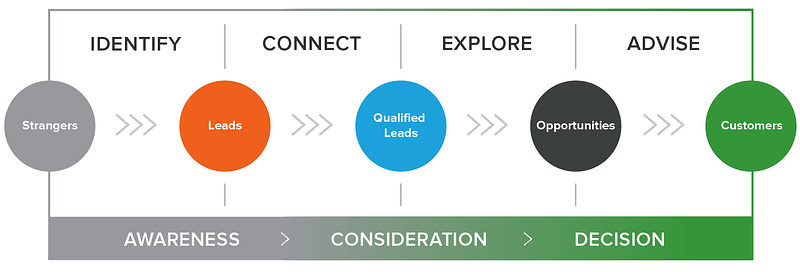
Inbound sales strategies are built around attracting leads by providing valuable content that addresses their needs and interests. This methodology inherently blends sales and marketing functions more closely than traditional outbound approaches. A typical inbound scenario might involve a marketing team publishing insightful content, such as whitepapers or blog posts. When this content captures a lead’s attention, sales representatives can then engage, offering product demonstrations or delving deeper into the prospect’s specific challenges. In this model, sales professionals often adopt an advisory role, guiding leads through the process to ensure the product or service is a genuine fit for their requirements. This approach fosters trust and positions the company as a knowledgeable resource.
Outbound Sales: Proactive Lead Generation
Outbound sales, conversely, involves proactively identifying and contacting potential customers. This method relies on the company’s initiative to source leads, rather than waiting for them to initiate contact. Historically, cold emailing and cold calling have been instrumental in building successful businesses, and these tactics remain viable when executed effectively. An outbound strategy demands a compelling offer and a seamless sales process. Crucially, it also necessitates strict adherence to data privacy regulations, such as GDPR, to ensure ethical and legal lead sourcing. Companies leveraging outbound sales must be adept at crafting persuasive outreach and managing a consistent flow of targeted communications.
Account-Based Marketing (ABM): Precision Targeting
Account-Based Marketing (ABM) represents a highly strategic approach that focuses on identifying and engaging specific, high-value accounts. This methodology involves pinpointing companies that exhibit a strong fit for the product or service and then developing highly personalized campaigns to nurture these prospects. ABM typically involves multiple touchpoints with various decision-makers within a target organization, aiming to build consensus and demonstrate value at every level. This approach requires close alignment between sales and marketing teams, as they jointly define target accounts and orchestrate integrated campaigns. For example, a LinkedIn advertising campaign targeting key decision-makers at a specific company could be synchronized with personalized cold outreach from the sales team. ABM fundamentally reverses the traditional funnel, starting with the defined target account and building the campaign around their specific needs and journey.
The Foundational Steps to Building a Sales Strategy
Developing an effective sales strategy is a multi-stage process that requires careful consideration of various business elements.
1. Understanding Your Core Identity: Industry, Product, and Buyer Persona
The initial and most critical step is to deeply understand your industry, your product or service, and, most importantly, your ideal customer. The sales strategy must be crafted with the target buyer persona at its core, dictating how the business will position itself and its offerings to resonate with this audience. Factors such as the Average Contract Value (ACV) significantly influence the tactics employed. Businesses with a low ACV might opt for high-volume, low-touch sales approaches, while those with a high ACV will likely invest more in personalized, consultative sales cycles. Similarly, industry norms play a crucial role; some sectors thrive on in-person interactions and trade shows, while others are predominantly digital.

2. Setting Ambitious Yet Attainable Sales Goals
Sales goals should be a direct reflection of overarching company objectives. Once overarching sales targets are established, they must be broken down into measurable Key Performance Indicators (KPIs) and individual goals for sales representatives. For instance, a goal might be to send a specific number of cold emails per week or achieve a certain conversion rate for demo requests. The key is to ensure these goals are aligned with the expected activities of the sales team and the desired outcomes. This clarity provides direction and a benchmark for success.
3. Identifying and Leveraging Key Acquisition Channels
Determining the most effective acquisition channels is paramount and begins with a thorough understanding of the buyer persona. The question to answer is: "Who is my ideal customer, and what is the most effective way to connect with them?" Depending on the target audience, a mix of demand generation strategies can be employed. For businesses selling low-cost, high-volume products, channels like broad social media campaigns or content marketing might be most effective. Conversely, for expensive, infrequently purchased solutions, cold emailing can serve as an initial touchpoint to educate prospects before a more in-depth phone conversation. The cost and time intensity of each channel must be weighed against the ACV and sales cycle length.
4. Measuring Sales Performance for Continuous Improvement
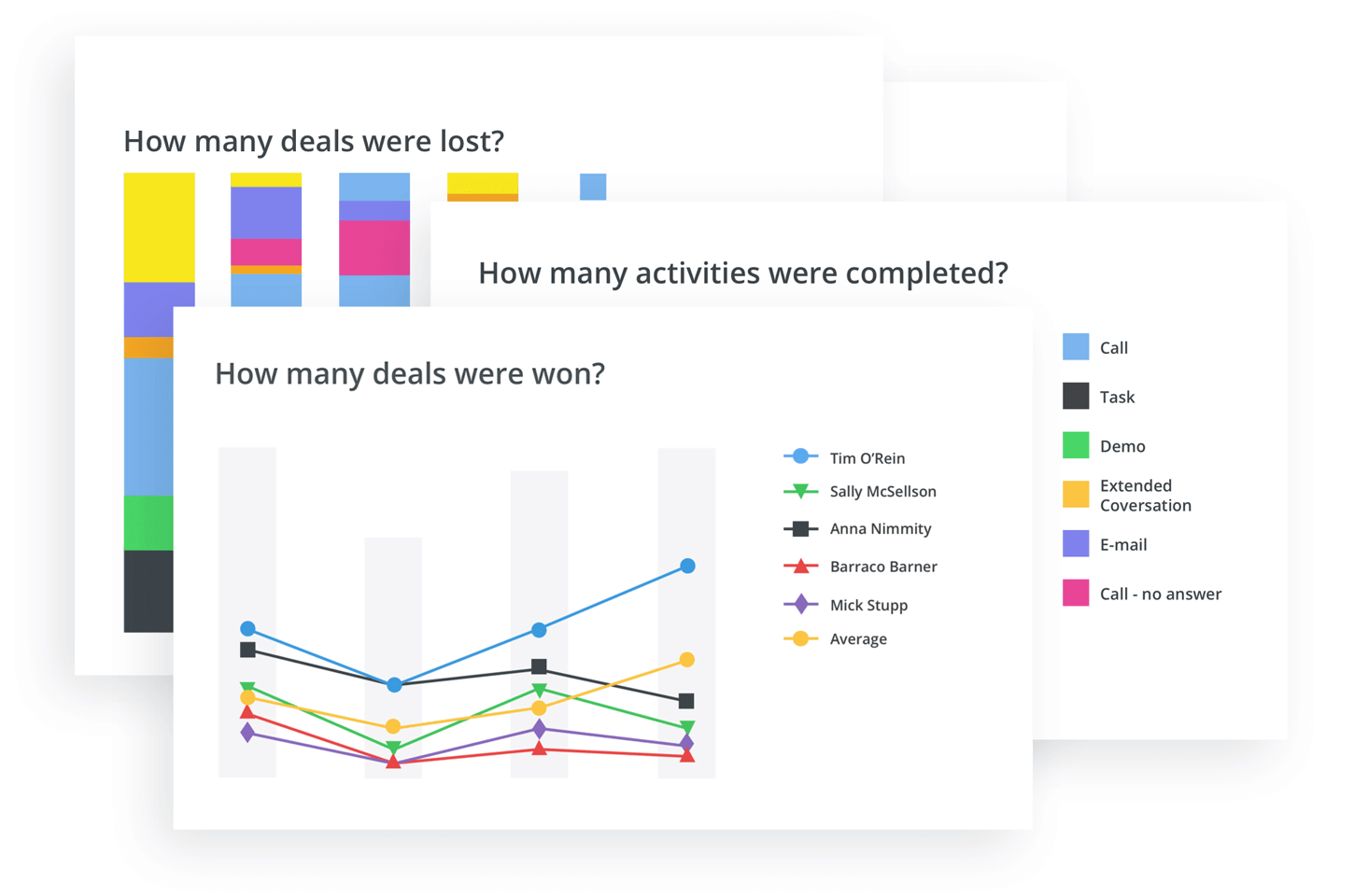
Rigorous measurement is the only way to ascertain whether sales targets are being met and to identify areas for improvement. Without tracking key metrics, businesses risk wasting valuable resources on ineffective tactics. While simple tools like spreadsheets can provide basic tracking, dedicated sales goal trackers and Customer Relationship Management (CRM) systems offer more sophisticated analytics. CRMs, such as Pipedrive or HubSpot, provide detailed reports on metrics like email open rates, response rates, and revenue forecasts. Over 50% of sales teams report increased productivity when utilizing a CRM, highlighting its importance in maintaining efficient operations and tracking the success of sales strategies.
5. Automating Processes for Scalability and Efficiency
Once a sales strategy demonstrates positive results, automating repetitive processes becomes a logical next step. Automation streamlines operations, frees up sales representatives from time-consuming administrative tasks, and allows them to focus on engaging with high-potential leads. Tools can assist in generating targeted lead lists based on buyer personas, filtering by criteria such as job titles, industry, and company size. Services like Lead Forensics can identify website visitors, enabling proactive outreach. Lead scoring, a critical component of sales processes, can also be automated. By assigning scores to leads based on their interactions with the brand, sales teams can prioritize their efforts and engage with prospects at the opportune moment. CRMs like HubSpot, Salesforce, and Agile CRM offer robust lead scoring capabilities.
Optimizing the Sales Strategy for Peak Performance
The optimization of a sales strategy is an ongoing process, ensuring that resources are being utilized to their fullest potential. This involves a continuous review of campaign performance, identifying underperforming areas, and implementing targeted adjustments. For instance, if cold email open rates are consistently low, potential culprits could be the subject line or the overall email content. By systematically altering one variable at a time and monitoring the impact, businesses can refine their messaging and improve engagement.
The Enduring Value of Existing Customers
It is crucial to remember that nurturing relationships with existing customers is often more cost-effective than acquiring new ones. Studies indicate that businesses are significantly more likely to make a sale to an existing customer than to a new prospect, often citing a 60-70% higher probability. Maintaining high levels of customer satisfaction is therefore paramount, as a substantial portion of revenue is lost annually due to preventable customer churn. Strategies for customer retention, such as loyalty programs, proactive support, and personalized follow-ups, should be an integral part of the overall sales and marketing strategy, ensuring long-term sustainable growth and fostering brand advocacy.