Asro
The landscape of digital experimentation has undergone a seismic shift as we approach the final quarter of 2026. While Optimizely remains a dominant force in the enterprise market, a combination of rising costs, complex implementation requirements, and a pivot toward comprehensive Digital Experience Platforms (DXP) has led many high-growth teams to seek more specialized alternatives. For organizations focused on website conversion rate optimization (CRO), Crazy Egg has emerged as a primary alternative by integrating A/B testing with deep behavior analytics. Meanwhile, teams prioritizing product-led growth and engineering-heavy workflows are increasingly turning to Wingify, Kameleoon, and developer-centric tools like Statsig and LaunchDarkly.
The Evolution of the Experimentation Market: Why Teams are Migrating
The current state of the market is largely defined by the 2020 acquisition of Optimizely by Episerver and the subsequent 2021 rebranding. This transition signaled a move away from being a "point solution" for A/B testing toward becoming a broad, all-encompassing suite for content management and commerce. For many mid-market and enterprise firms, this shift has resulted in "feature bloat" and pricing structures that are no longer sustainable for teams only interested in experimentation.
Current market data from 2026 suggests that Optimizely deployments now frequently range from $50,000 to over $200,000 annually, depending on traffic volume and the number of products utilized. With annual price escalators averaging between 3% and 7%, procurement teams are under increasing pressure to justify these costs. Beyond the financial implications, technical hurdles such as significant "flicker" effects in client-side testing and a steep learning curve for non-technical users have become catalysts for migration.
Segmenting the Alternatives: Web vs. Feature Experimentation
To choose a viable alternative, organizations must first distinguish between two primary testing methodologies:
- Web Experimentation: This involves front-end changes—such as button colors, copy, and layout—typically managed by marketing and CRO teams using visual editors.
- Feature Experimentation: This involves server-side testing, feature flags, and product-level changes managed by engineering and product teams.
Leading Alternatives for Web Experimentation and CRO
1. Crazy Egg: The Integrated Analytics Choice
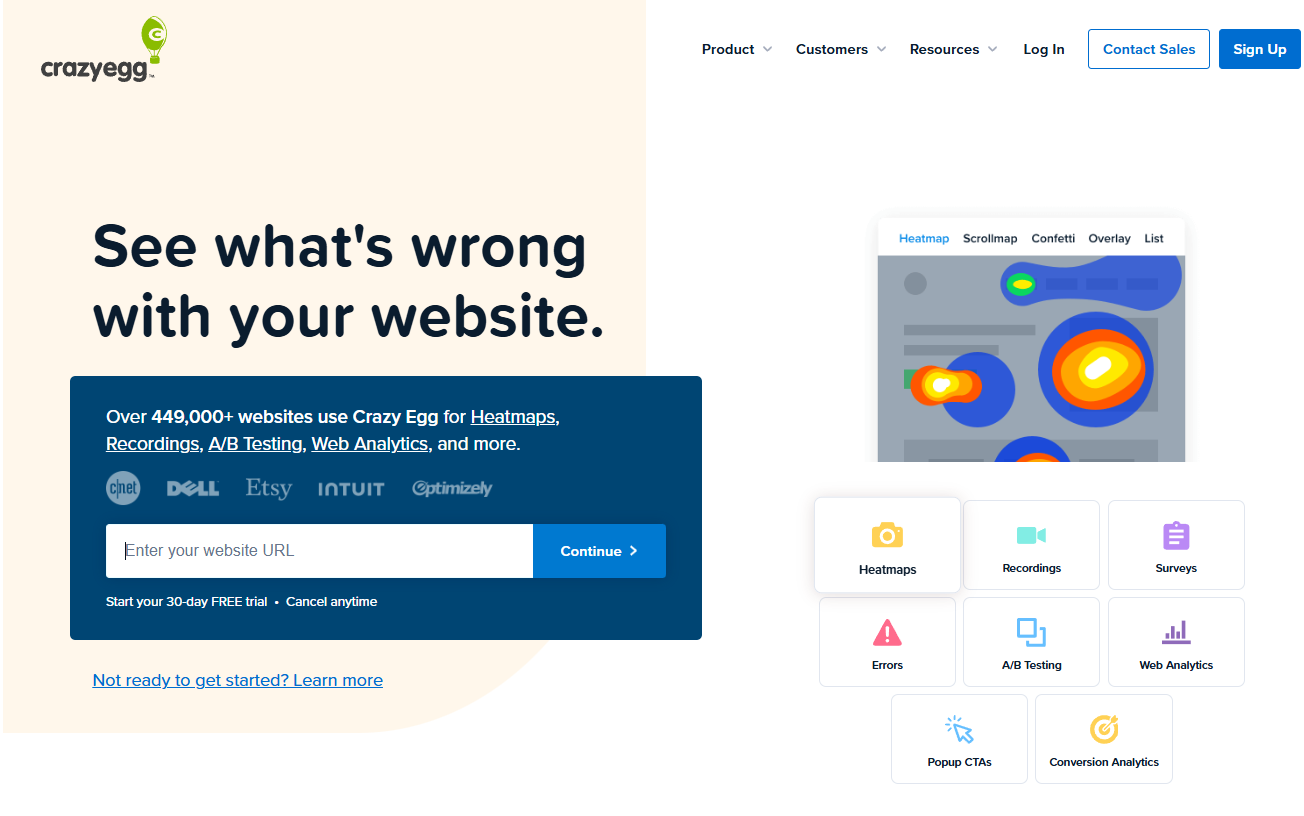
Crazy Egg has positioned itself as the leading alternative for teams that require more than just a testing engine. By pairing A/B testing with a robust suite of behavior analytics—including heatmaps, session recordings, and conversion funnels—it allows teams to diagnose why a page is failing before testing a solution.
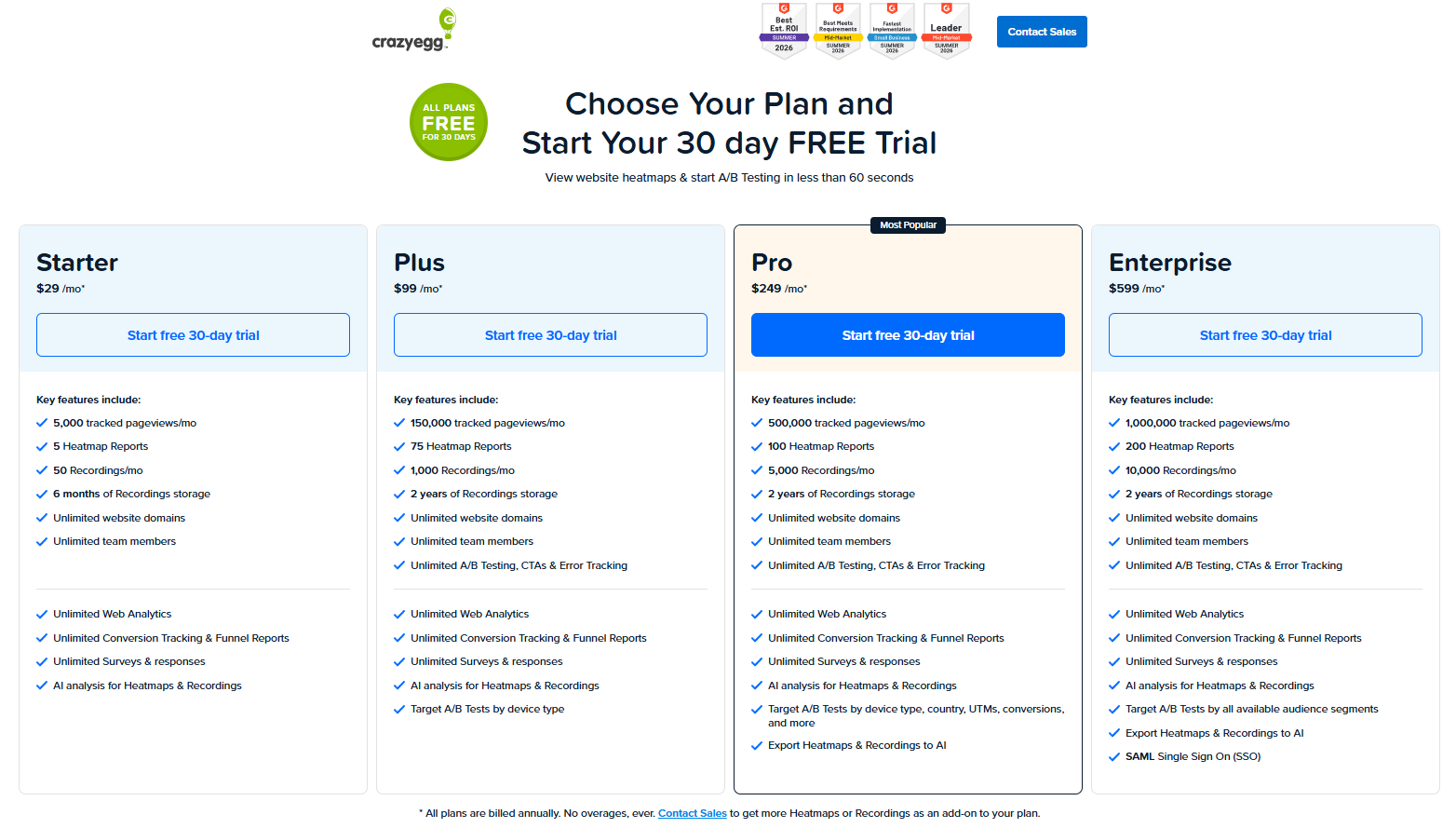
Trusted by over 449,000 websites, including major entities like Microsoft and Disney, Crazy Egg’s primary advantage lies in its simplicity. Unlike Optimizely, which often requires developer support for complex setups, Crazy Egg’s visual editor allows marketers to launch tests autonomously. As of late 2026, its pricing remains highly competitive, with plans featuring A/B testing starting at approximately $99 per month.
2. Wingify (VWO and AB Tasty): The Post-Merger Powerhouse
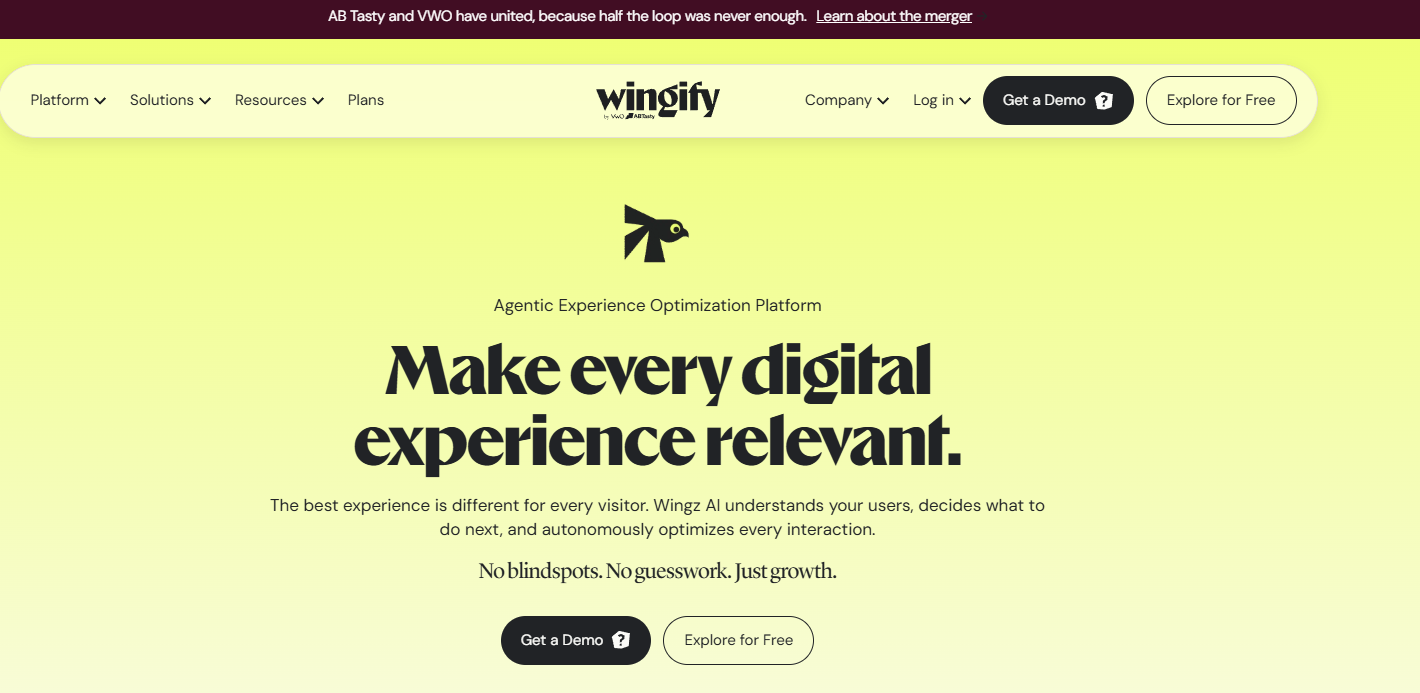
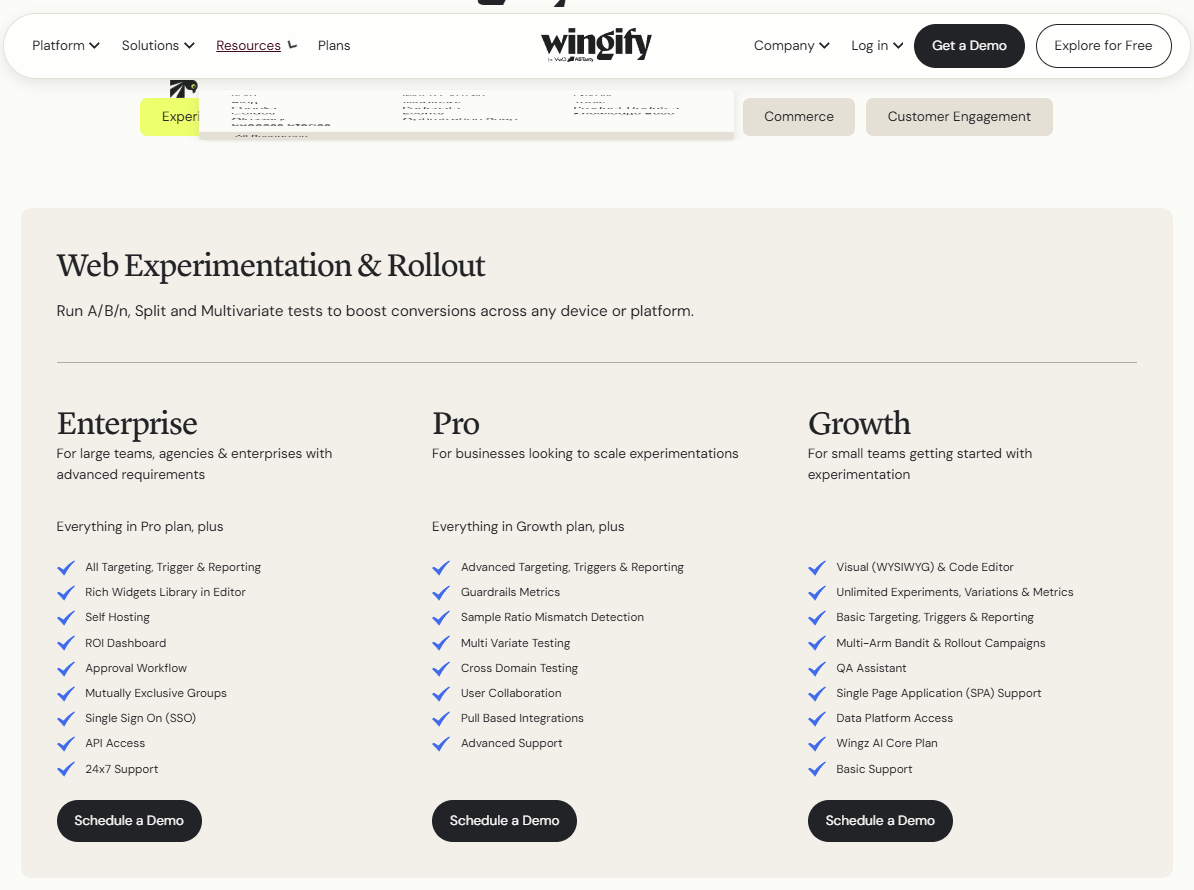
In a significant industry consolidation in September 2026, VWO and AB Tasty merged under the Wingify banner. This merger combined VWO’s strength in mid-market experimentation with AB Tasty’s enterprise-grade personalization capabilities. The resulting platform offers a comprehensive alternative to Optimizely’s full suite, covering both web and feature experimentation. While pricing is custom-quoted based on monthly active users (MAU), it remains a go-to for teams that want a single platform for surveys, heatmaps, and testing.
3. Kameleoon: AI-Driven Precision
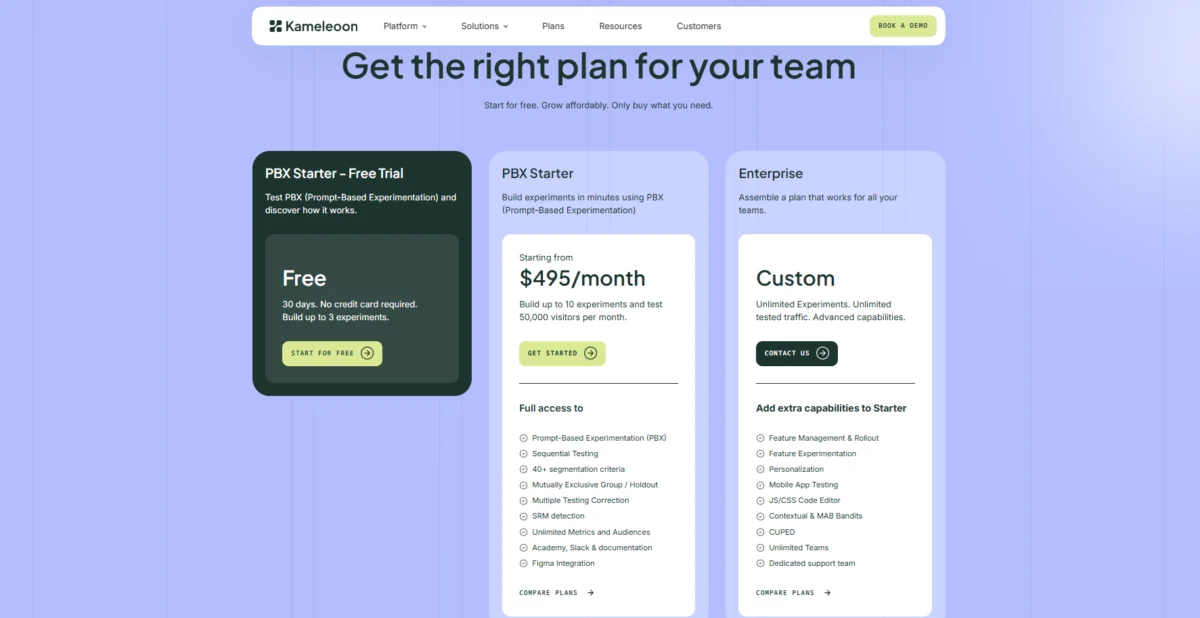
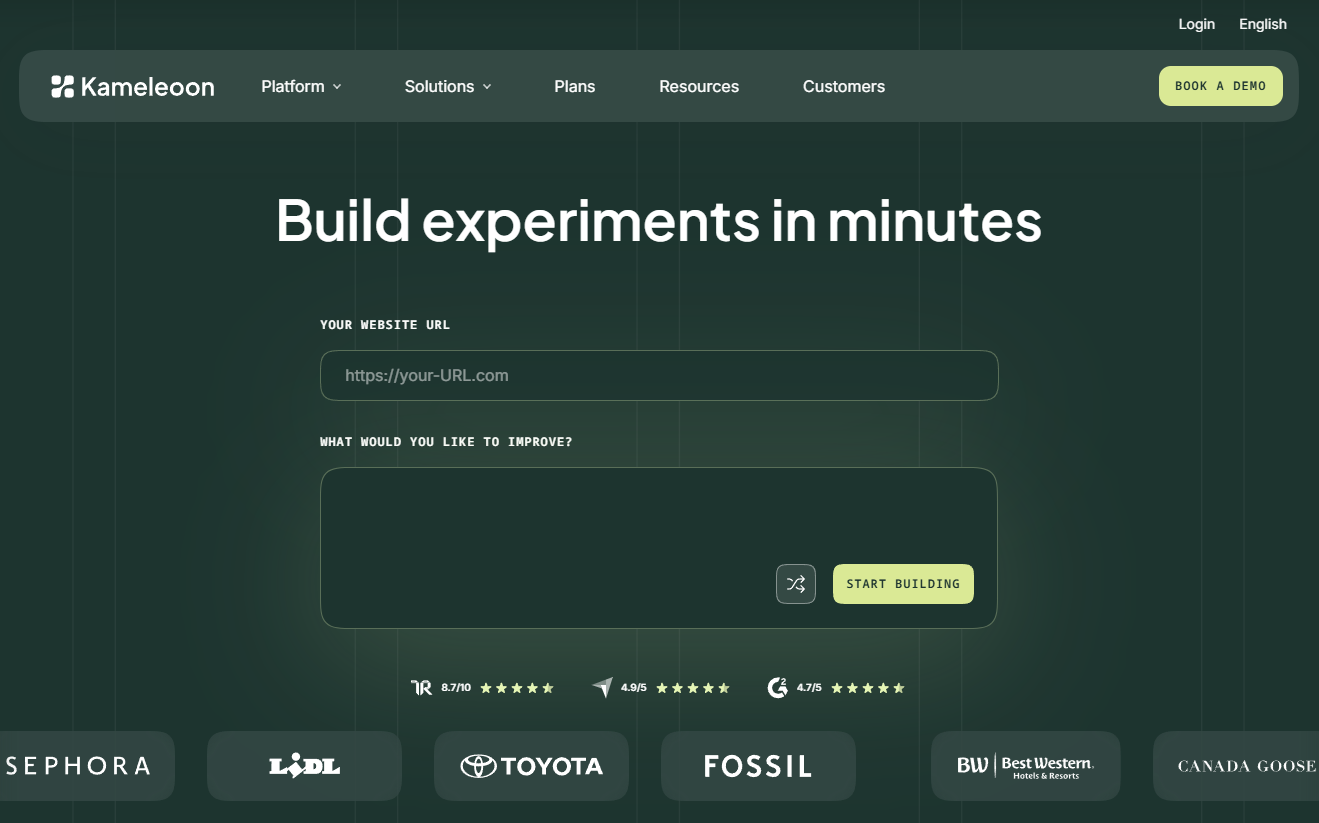
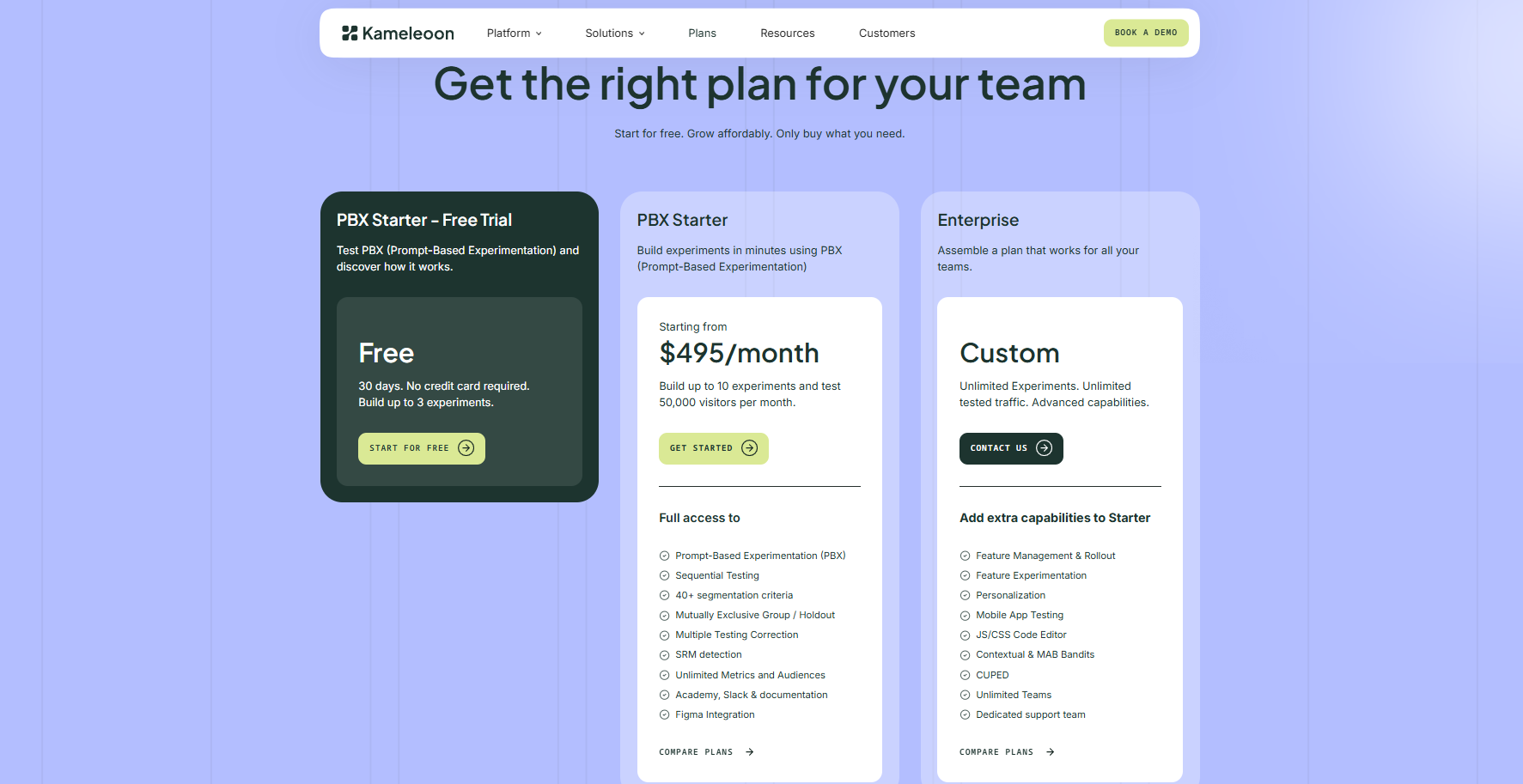
Kameleoon has carved out a niche through its heavy investment in artificial intelligence. Its "Prompt-Based Experimentation" (PBX) allows teams to build experiments using natural language, significantly reducing the time-to-market for new tests. With a PBX Starter plan beginning at $495 per month, it serves as a bridge between mid-market tools and high-end enterprise solutions.
4. Convert: The Privacy and Ethics Leader
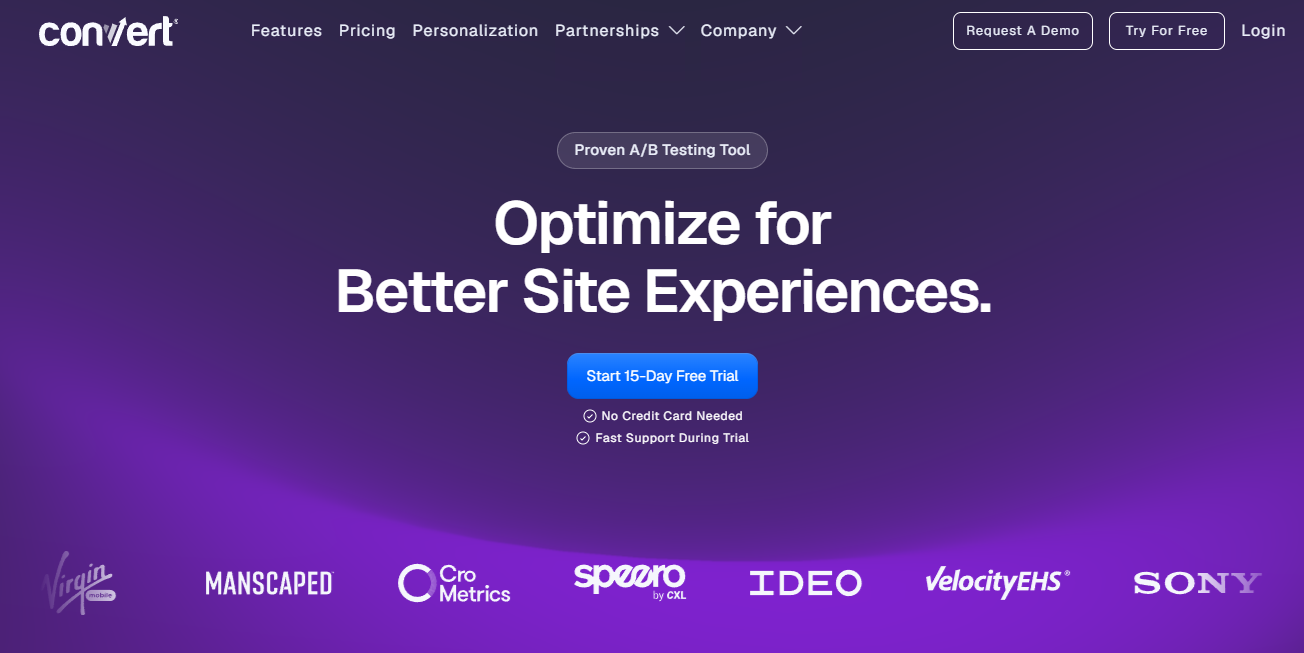
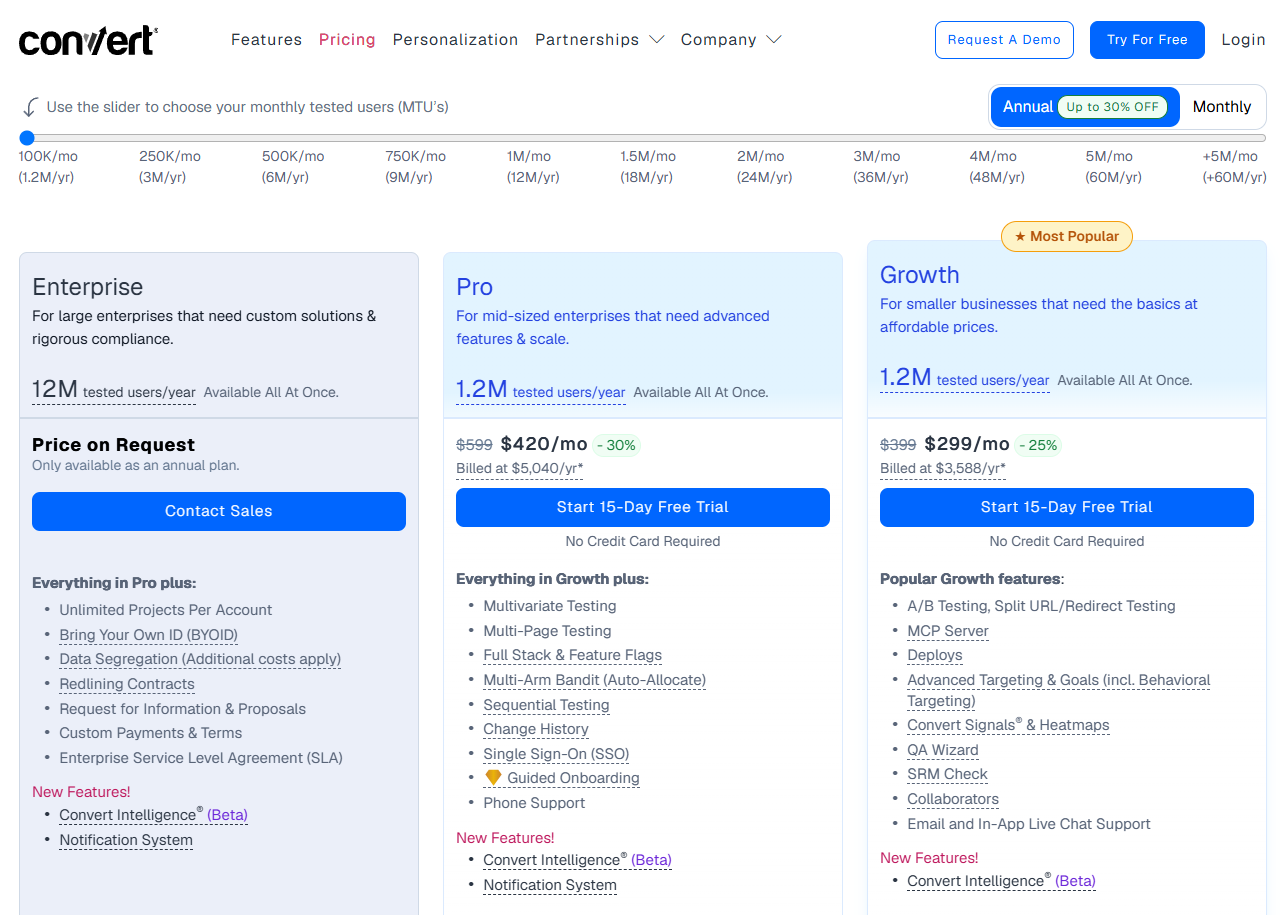
Convert Experiences remains the preferred choice for CRO agencies and organizations with strict data residency requirements, particularly in the European Union. As a bootstrapped company, Convert has focused on performance, boasting one of the fastest tracking snippets in the industry to minimize page load impact. Its transparent pricing—starting at $299 per month—appeals to teams that value ethical data practices and advanced multivariate testing without the enterprise price tag.
Top Alternatives for Product and Feature Experimentation
For engineering teams, the requirements for an Optimizely alternative shift from visual editors to robust SDKs and low-latency feature flagging.
5. Statsig: The Product Analytics Specialist
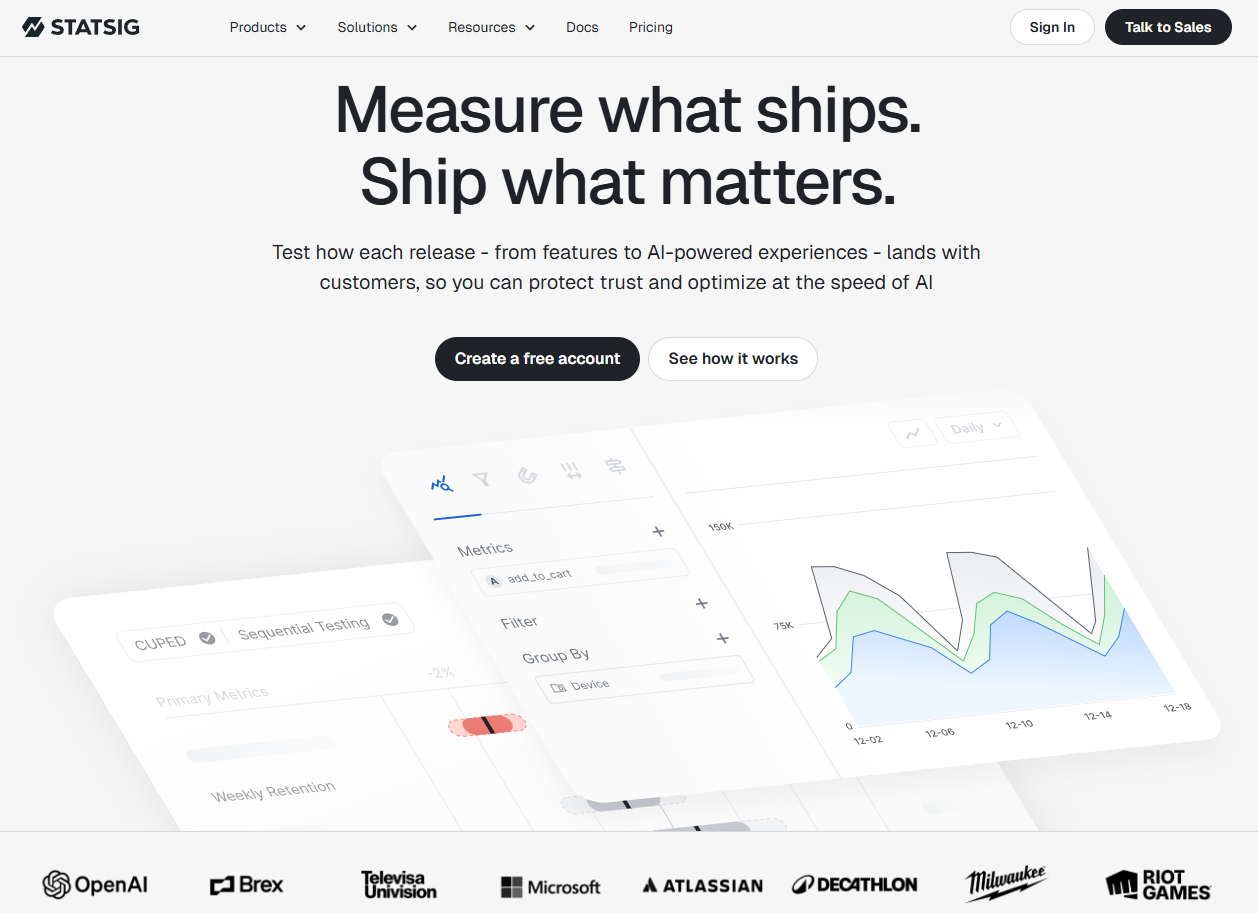
Processing over 1 trillion events daily for companies like OpenAI and Atlassian, Statsig has become the gold standard for "measuring what you ship." It bridges the gap between feature flags and product analytics, allowing engineers to see the immediate impact of a new feature on core business metrics. Its pricing model is event-based, making it scalable for startups and large enterprises alike.
6. LaunchDarkly: The Standard for Feature Management
LaunchDarkly remains the most formidable competitor to Optimizely Feature Experimentation. It focuses on the "Release" phase of the software development lifecycle, allowing for canary releases and circuit breakers. In 2026, its observability product—which includes session replays and error logs—has made it an essential tool for DevOps teams who prioritize system stability alongside experimentation.
7. GrowthBook: The Open-Source Disruptor
GrowthBook has seen rapid adoption among data-heavy organizations like Dropbox and Sony. As an open-source, warehouse-native platform, it allows teams to run experiments directly against their own data (e.g., Snowflake, BigQuery) without sending sensitive customer data to a third-party vendor. For teams with the internal resources to self-host, GrowthBook offers a free, unlimited alternative to the Optimizely ecosystem.
Comparative Data and Pricing Analysis (November 2026)
| Tool | Primary Use Case | Key Analytics Features | Entry Pricing |
|---|---|---|---|
| Crazy Egg | Web / CRO | Heatmaps, Recordings, Funnels | $99/mo |
| Wingify | Web & Feature | Integrated Behavior Analytics | Custom |
| Kameleoon | AI-Assisted Testing | AI Reports, Heatmaps (via integration) | $495/mo |
| Convert | Web / Privacy | Multipage & Multivariate Testing | $299/mo |
| Statsig | Feature / Product | Session Replay, Product Analytics | Free / $150/mo |
| LaunchDarkly | Feature Management | Observability, Logs, Traces | Free / Pay-as-you-go |
| GrowthBook | Data Warehouse-Native | Warehouse Experiment Analysis | Free / $40/seat |
Technical Implications of Switching
The transition from Optimizely to a new vendor requires careful planning to ensure data continuity. Industry experts recommend a "phased migration" approach.
Chronology of a Successful Transition:
- Audit (Weeks 1-2): Identify all active experiments and legacy code snippets.
- Data Export (Weeks 3-4): Download historical experiment results via CSV or REST API. Optimizely’s "Experimentation Events Export" is the standard tool for securing raw event data before a contract expires.
- Setup (Weeks 5-6): Recreate audiences and goals in the new platform. For feature experimentation, this involves updating SDKs within the application code.
- Verification (Week 7): Run A/A tests to ensure the new tracking snippet or SDK is reporting data accurately compared to internal benchmarks.
Analysis: The Future of the Experimentation Landscape
The fragmentation of the experimentation market suggests that the "one-size-fits-all" approach popularized by the early 2010s is no longer the industry standard. As digital products become more complex, the specialization of tools is a logical progression.
Marketing teams are increasingly prioritizing "all-in-one" behavior suites like Crazy Egg to reduce the "tech debt" of managing multiple tracking pixels. Conversely, the rise of "Warehouse-Native" tools like GrowthBook reflects a broader trend in data engineering where the data warehouse is the "single source of truth," and experimentation is simply another layer of analysis on top of that data.
Furthermore, the integration of AI is no longer a luxury but a requirement. Tools like Kameleoon and Statsig are setting the pace by using machine learning to automate the identification of winning variations and to predict experiment duration more accurately.
Final Verdict
Choosing an Optimizely alternative is ultimately a question of organizational structure. If the goal is to empower a marketing team to improve conversion rates with minimal technical overhead, Crazy Egg and Convert offer the most streamlined paths. If the objective is to build a culture of experimentation within the engineering department, Statsig or LaunchDarkly provide the necessary infrastructure for safe, data-driven releases. For organizations that demand total control over their data and wish to avoid "vendor lock-in," the open-source flexibility of GrowthBook represents the most future-proof investment.

 Suro Senen
 Pevita Pearce