admin
admin
The retail landscape of 2025 stands at a pivotal crossroads as brands prepare for the most competitive Q4 in digital history. While Black Friday has traditionally been characterized by massive television spends and aggressive email marketing, a fundamental shift in consumer trust has elevated influencer marketing from a supplementary tactic to a central strategic pillar. In an era where digital noise is at an all-time high, the ability of content creators to cut through the clutter via established community trust has become the primary driver for conversions, clicks, and sustained revenue growth. As brands finalize their 2025 strategies, the focus has moved beyond simple visibility toward high-affinity partnerships that leverage the unique psychological triggers of the holiday shopping season.
The Evolution of the Black Friday Phenomenon
To understand the current reliance on influencer partnerships, one must examine the broader context of Black Friday’s evolution. Originally a single-day brick-and-mortar event, the phenomenon has expanded into a month-long "Cyber Season." According to industry data, digital sales during the Black Friday through Cyber Monday (BFCM) period have seen consistent year-over-year growth, with mobile commerce now accounting for over 50% of all online transactions. However, this growth has come with a caveat: the cost of traditional digital advertising, such as Meta and Google ads, typically spikes by 2.5x to 4x during November, often eroding the profit margins of the very sales they are intended to generate.
This economic reality has forced a migration toward the creator economy. Influencer marketing offers a fixed or performance-based cost structure that often remains more stable than the volatile bidding wars of programmatic advertising. Furthermore, the modern consumer—particularly among the Gen Z and Millennial cohorts—exhibits a high degree of "ad blindness," frequently ignoring sponsored posts in favor of organic recommendations. Data suggests that nearly 61% of consumers trust influencer recommendations, compared to only 38% who trust brand-produced social media content.
A Data-Driven Timeline for Campaign Success
Successful Black Friday campaigns in 2025 are no longer launched in a vacuum. Industry analysts suggest a rigorous three-phase timeline that begins months before the first discount is announced.
- The Preparation Phase (August – September): This period is dedicated to audience analysis and creator vetting. Brands utilize historical data to identify which consumer segments are most likely to convert and which platforms—TikTok, Instagram, or YouTube—align with those demographics.
- The Seeding Phase (October – Early November): Creators begin introducing products to their audiences without the "hard sell" of a Black Friday discount. This builds familiarity and "wishlist" intent.
- The Conversion Phase (Mid-November – Cyber Monday): This is the execution of the high-impact incentive, utilizing personalized codes and urgent calls to action to drive immediate sales.
Understanding the 2025 Target Audience
The foundation of any high-performing campaign is a granular understanding of the target demographic. In 2025, "one-size-fits-all" marketing is effectively obsolete. Marketers are now required to look beyond basic demographics like age and location, focusing instead on psychographics—the motivations, interests, and buying patterns of their customers.
Platform usage plays a critical role in this analysis. For example, TikTok has emerged as the premier destination for impulse purchases driven by viral trends, whereas YouTube remains the gold standard for "considered purchases" where consumers require deep-dive reviews and technical specifications before committing. Brands are increasingly using AI-powered tools to map their existing customer base against influencer audiences to ensure a "lookalike" match that maximizes the probability of conversion.
Designing the High-Impact Incentive
While the influencer provides the reach and trust, the incentive remains the engine of the sale. In 2025, the standard "20% off" is often insufficient to trigger action in a saturated market. Strategic brands are employing more sophisticated offer structures:
- Tiered Discounts: Encouraging higher Average Order Value (AOV) by offering increasing discounts based on spend (e.g., $20 off $100, $50 off $200).
- Exclusive Bundles: Products available only through specific influencer links, creating a sense of exclusivity and "insider" access.
- Early Access: Leveraging the influencer’s community to provide a 24-hour head start on sales before they go public, tapping into the fear of missing out (FOMO).
- Personalized Attribution: The use of unique, influencer-specific discount codes is now mandatory. These codes do more than provide a discount; they serve as the primary tracking mechanism for ROI, allowing brands to see exactly which creator is driving the most value.
Content Strategies: Authenticity over Production Value
The content formats that resonate most during the holiday season have shifted toward "low-fi," high-authenticity styles. Journalistic analysis of recent campaign performance highlights three dominant content types:
1. Unboxing and Technical Reviews
Unboxing videos have evolved from simple reveals to comprehensive "first impression" experiences. By utilizing high-quality audio (ASMR) and detailed close-ups, creators allow the viewer to vicariously experience the product’s tactile qualities. For premium electronics or luxury goods, these videos serve to de-risk the purchase for the consumer.
2. Try-On Hauls and Curated Lists
Particularly dominant in the fashion and home decor sectors, hauls provide visual proof of how a product looks and moves in a real-world setting. Curated "Gift Guides"—such as "Top 5 Gifts for Tech Lovers Under $100"—act as a service to the overwhelmed shopper, simplifying the decision-making process during a period of high cognitive load.
3. Behind-the-Scenes (BTS) and Transparency
There is a growing trend toward "raw" content that shows the reality of the brand or the creator’s genuine use of the product. BTS content during Black Friday often includes "pack-with-me" videos or real-time updates on stock levels, which builds a narrative of high demand and brand transparency.
The Role of Technology in Scaling Influence
As campaigns grow in complexity, the manual management of hundreds of influencers becomes a logistical impossibility. This has led to the rise of comprehensive platforms like Upfluence, which serve as the "operating system" for influencer marketing. These platforms allow brands to automate the most labor-intensive aspects of a campaign: discovering creators among their own customer base, automating outreach emails, managing contracts, and generating thousands of unique promo codes instantly.
By connecting a brand’s Content Management System (CMS) to an influencer platform, companies can identify "organic advocates"—customers who already have a significant social following and a history of purchasing the brand. Data indicates that these "customer-influencers" often see a 7x higher collaboration rate because their affinity for the brand is pre-existing and genuine.
Tracking Performance and Optimizing ROI
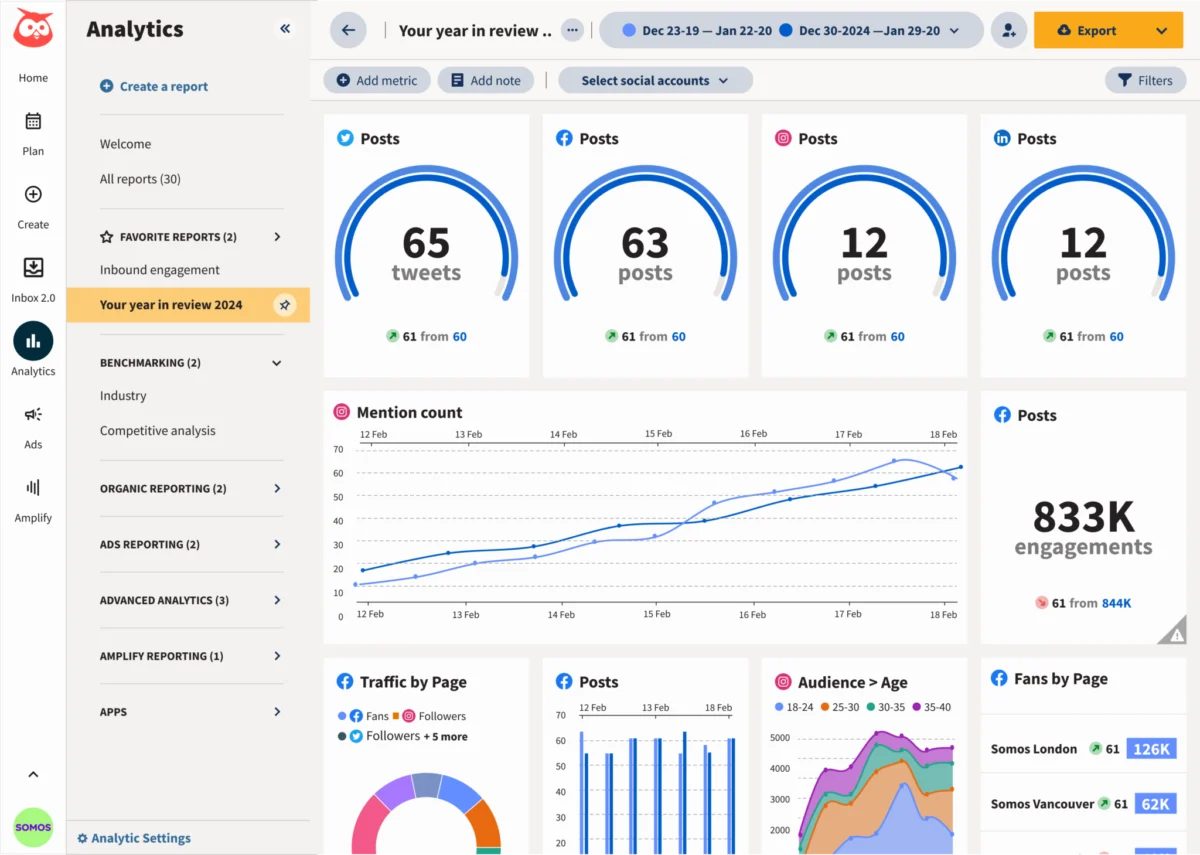
In the high-stakes environment of Q4, real-time data is the only defense against wasted spend. Modern performance tracking focuses on several key metrics:
- Sales Attribution: Moving beyond "likes" to track actual revenue generated per creator via affiliate links and promo codes.
- Customer Acquisition Cost (CAC): Comparing the cost of the influencer partnership against the number of new customers acquired.
- Engagement Quality: Analyzing the sentiment of the comments to ensure the brand message is being received positively rather than just being seen.
Industry experts emphasize that the real value of tracking is the ability to "double down" mid-campaign. If a specific creator on TikTok is driving a surge in traffic, brands can quickly reallocate budget to amplify that creator’s content through "whitelisting" or paid social boosts, effectively turning a viral moment into a sustained sales engine.
Broader Economic Implications and Future Outlook
The reliance on influencer marketing for Black Friday 2025 reflects a broader economic reality: the democratization of influence. As traditional media continues to fragment, the power to move markets has shifted into the hands of individual creators who command niche, highly loyal audiences.
For the retail sector, this represents a move toward a more "humanized" form of commerce. The brands that will emerge as winners in the 2025 holiday season are those that view influencers not as mere billboards, but as strategic partners who provide the storytelling and social proof that a static advertisement simply cannot replicate.
As the dust settles on the 2025 shopping season, the data is expected to show that influencer-led campaigns have once again outpaced traditional digital spend in terms of ROI. The transition is clear: in the noisy, crowded marketplace of Black Friday, trust is the most valuable currency, and influencers are the primary brokers of that trust. Through the integration of sophisticated tracking, authentic content, and strategic platform selection, brands are not just surviving the Black Friday noise—they are owning the conversation.