

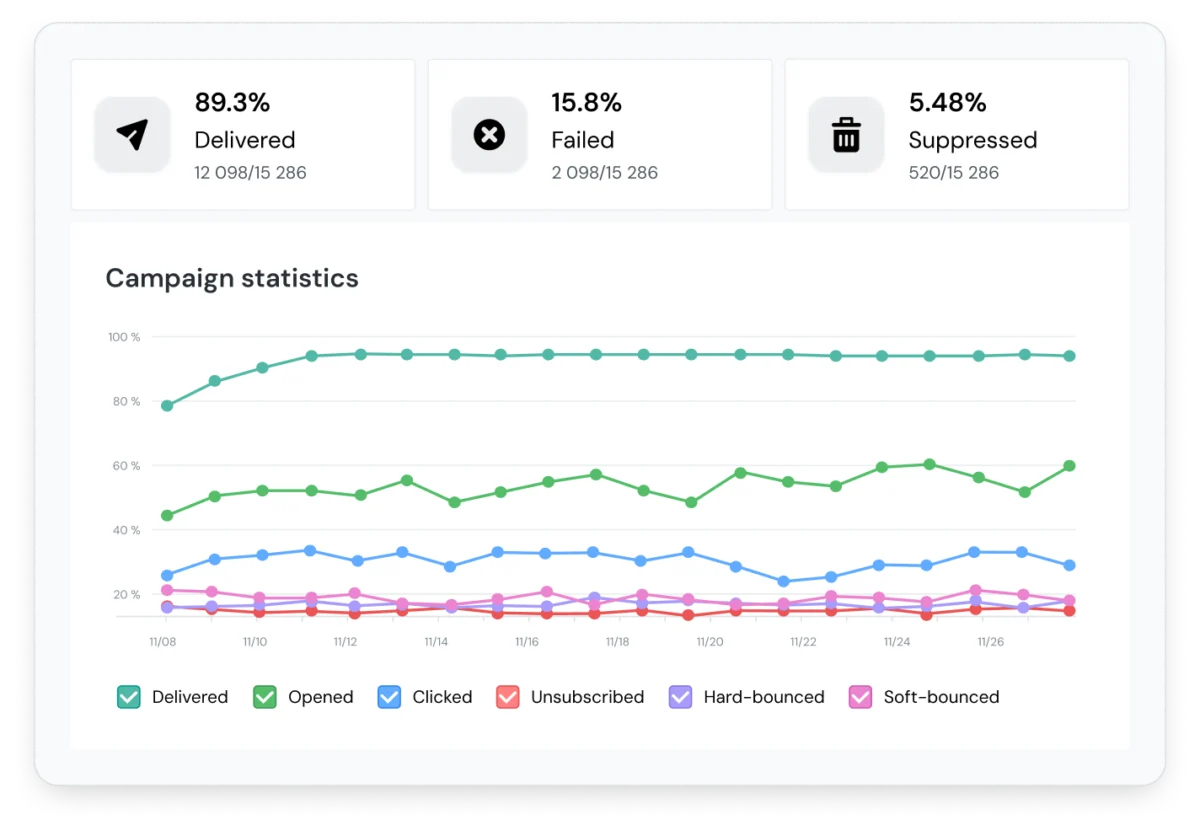
For any email marketer, the perennial question of “What’s the best time to send my newsletter?” remains central to campaign success. The precise moment an email is dispatched significantly influences crucial metrics such as open rates and click-through rates (CTR), directly impacting the return on investment for marketing efforts. Navigating the myriad factors that determine optimal send times – from audience demographics to global time zones and content type – requires a strategic, data-driven approach.
The Strategic Imperative of Email Timing
In an increasingly crowded digital landscape, where the average professional receives over 120 emails daily, the timing of your email campaigns is not merely a detail but a critical strategic lever. The goal is to ensure your message lands in the inbox when subscribers are most receptive, have the time to engage, and are in the right mindset to act. Missing this window can mean your carefully crafted content gets lost in a deluge of notifications, quickly scrolled past, or even deleted without a second glance.
Historically, email marketing has evolved from rudimentary mass broadcasts to sophisticated, personalized communication channels. As tools for segmentation and analytics advanced, marketers gained the ability to dissect audience behavior with unprecedented granularity. This shift underscored the importance of timing, revealing that generic send schedules often fall short of maximizing engagement potential. The difference between a well-timed email and a poorly timed one can translate into significant gains or losses in brand visibility, customer interaction, and ultimately, conversion.
Deconstructing the Day: Identifying Peak Engagement Hours
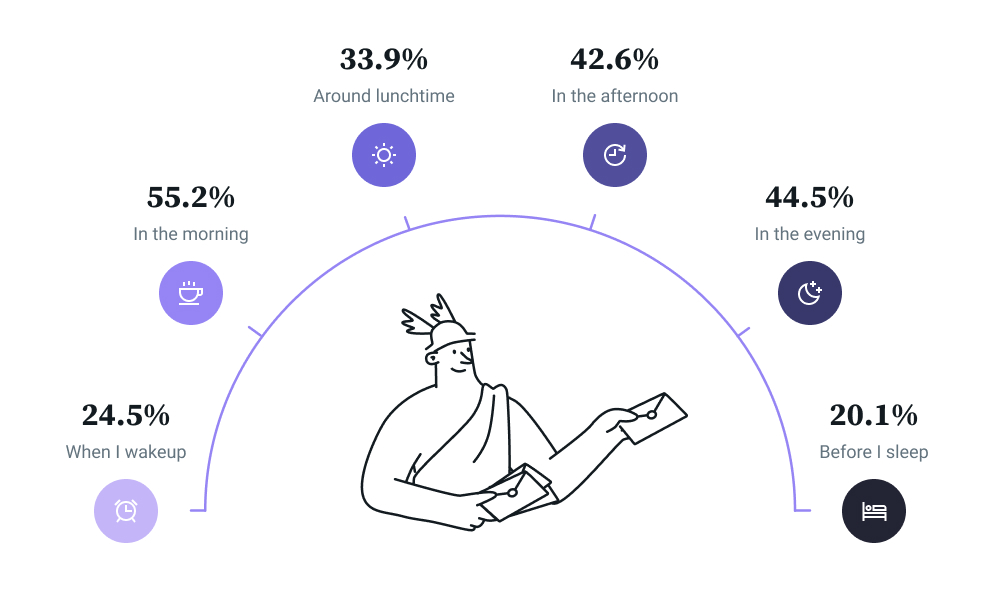
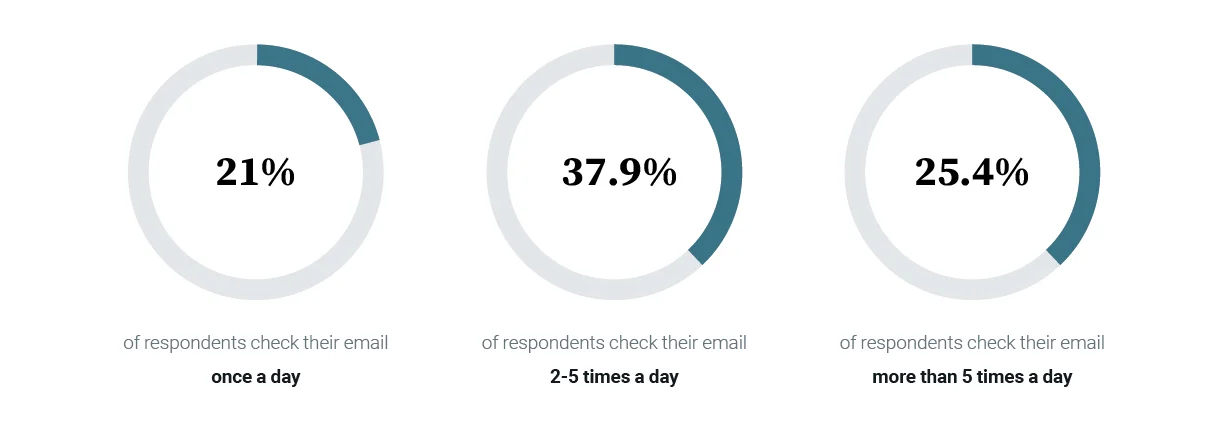
While a simplistic guideline often suggests sending emails between 9 AM and 12 PM, this recommendation merely scratches the surface of effective timing. Human behavior around email engagement is far more complex and multifaceted. Research consistently shows that individuals interact with their personal inboxes multiple times throughout the day. For instance, data from Mailjet’s Email Engagement Report indicates that a significant 63.3% of users engage with their personal mailboxes at various points from morning to evening.
However, the act of “checking” an email does not automatically equate to having the “capacity to act” on its content. A quick glance during a commute might lead to a deletion, while a dedicated read during a lunch break could prompt a click-through. This distinction is vital for marketers aiming for tangible engagement beyond just opens.
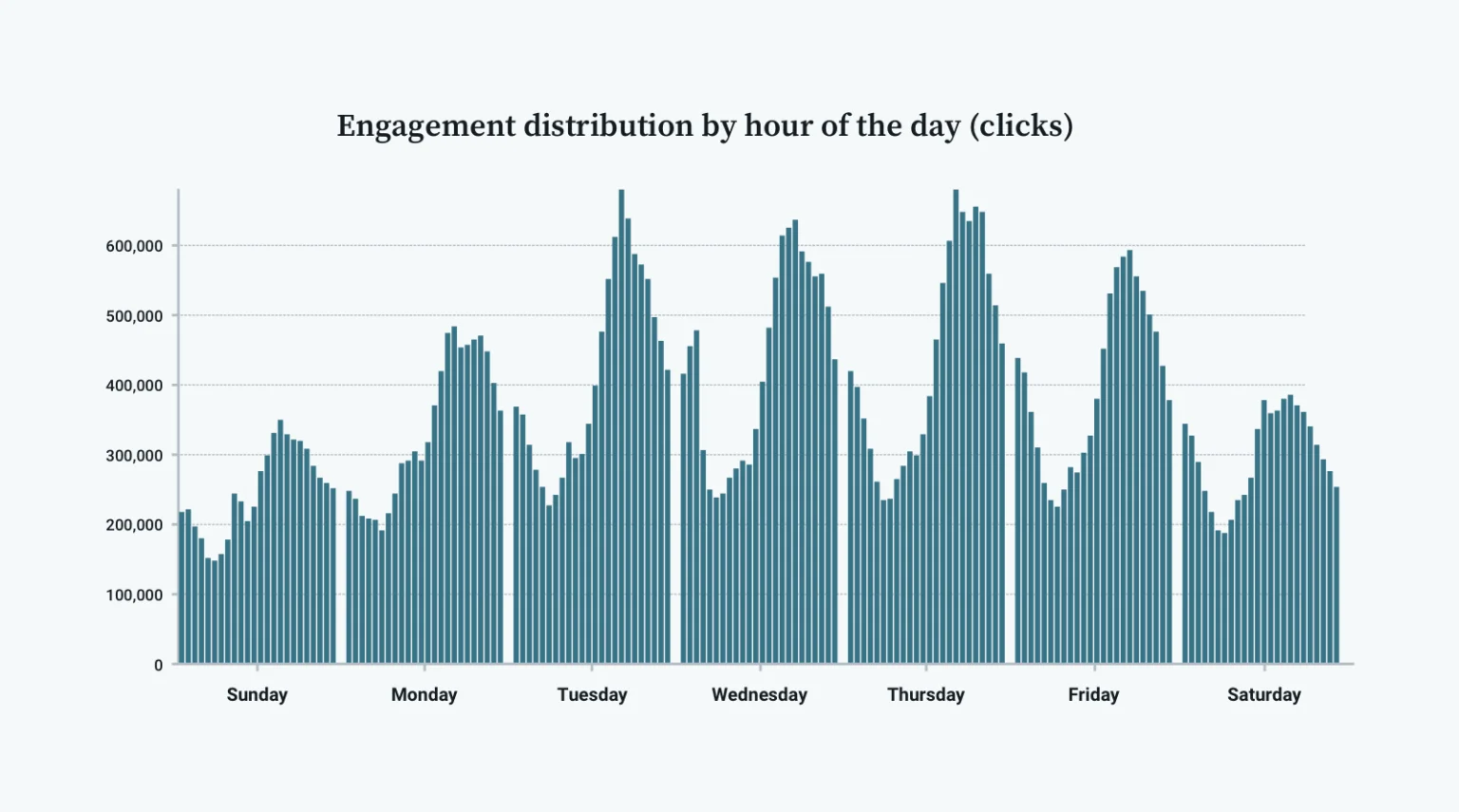
To delve deeper into optimal engagement, comprehensive studies, such as one conducted by Sinch Mailgun analyzing billions of emails, provide valuable insights into hourly patterns. This research reveals that 15:00 UTC (Coordinated Universal Time) often correlates with the highest click-to-open ratios globally, indicating a peak in overall engagement. It is crucial, however, for marketers to convert this UTC benchmark to their specific target audience’s local time zone. For example, 15:00 UTC translates to 11 AM Eastern Standard Time during summer months, aligning with the general mid-morning recommendation but offering a more precise, data-backed foundation.
Analyzing engagement patterns across the 24-hour cycle allows for a more nuanced strategy:
- Early Morning (6 AM – 8 AM): Many individuals check emails upon waking or during their commute. While open rates might be fair, engagement (clicks) can be lower as users are often triaging and deleting non-essential messages. This window might be suitable for concise news updates or quick promotions.
- Late Morning (9 AM – 12 PM): Often considered a prime window, as people have settled into their workdays or morning routines. Attention levels are typically high, and there’s a greater capacity for detailed reading and action. This period generally sees strong open and click rates for both B2B and B2C content.
- Lunchtime (12 PM – 2 PM): A popular time for checking personal emails. This can be effective for B2C promotions or lighter content, as people often take a break from work tasks.
- Afternoon (2 PM – 5 PM): Engagement tends to dip as the workday progresses and focus shifts. However, for B2B, a late afternoon send might catch recipients as they clear their inboxes before logging off.
- Evening (5 PM – 9 PM): For B2C, this can be a strong period as people relax at home and engage with personal interests. Content that is entertaining, informative, or related to hobbies can perform well.
- Late Night (9 PM onwards): Generally lower engagement, but can be effective for highly niche audiences or specific content types that cater to night owls.
Navigating the Week: The Best Days for Campaign Deployment
Beyond the hour of the day, the chosen day of the week profoundly impacts email campaign performance. The distinction between B2B (business-to-business) and B2C (business-to-consumer) audiences becomes particularly pronounced when evaluating daily send schedules.
According to extensive studies, including the aforementioned Sinch Mailgun research, Tuesdays through Thursdays consistently exhibit the highest open and click-through rates. This mid-week window appears to capture recipients when they are most settled into their routines, productive, and less overwhelmed by the influx of emails typical of a Monday morning.
- Tuesday: Often cited as the strongest day, with high engagement as the initial Monday rush subsides and people are fully engaged in their work or personal tasks.
- Wednesday: A solid contender, maintaining good engagement levels as the week progresses.
- Thursday: Continues to perform well, though some slight dip might occur as people begin to anticipate the weekend.
When considering multiple sends within a week, it’s often advisable to space them out. For instance, a Tuesday and Thursday combination is generally more effective than sending on consecutive days like Tuesday and Wednesday, which could lead to subscriber fatigue and reduced engagement.
Days to Approach with Caution:
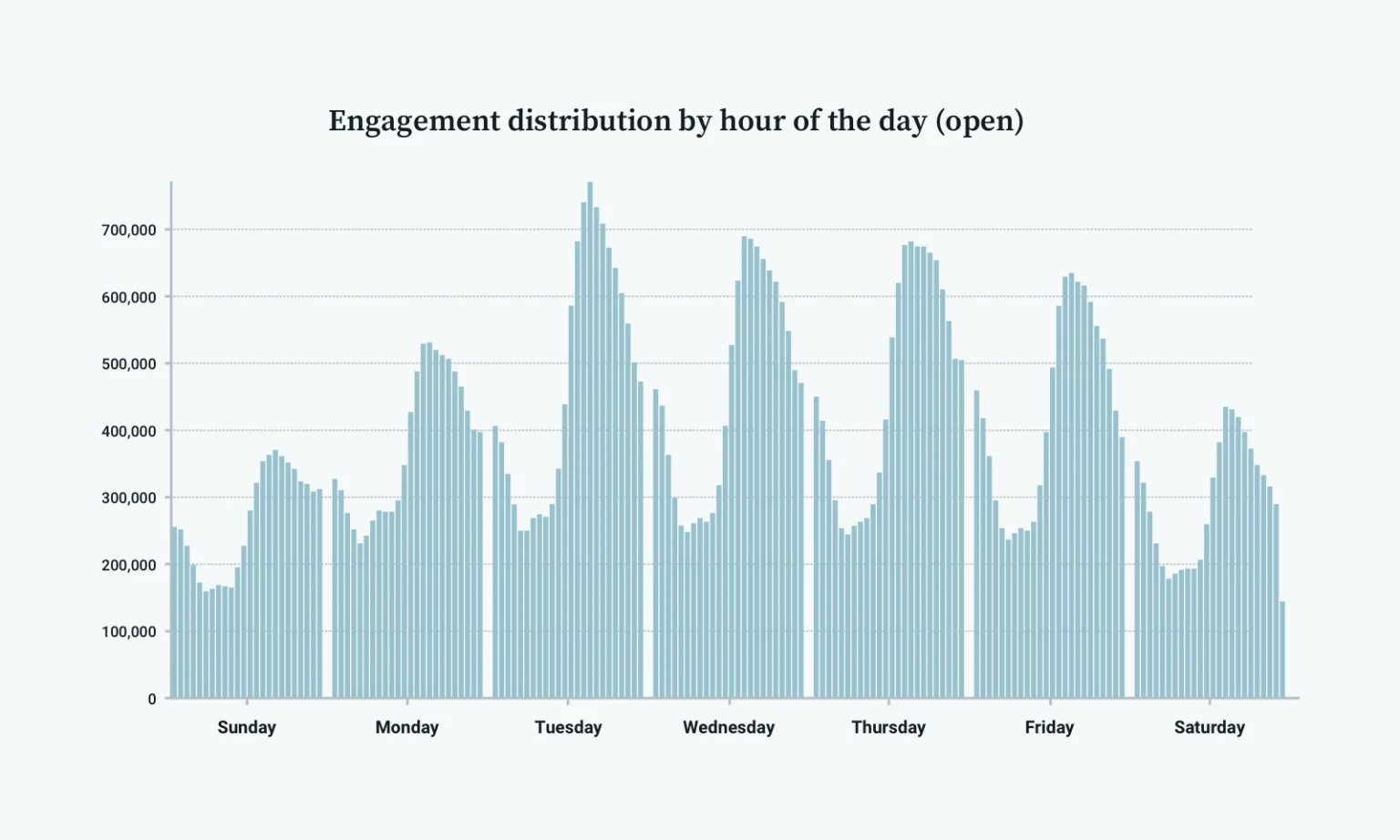
- Monday: While not the absolute worst, Mondays often suffer from “inbox overload” as subscribers catch up on weekend emails and prepare for the week ahead. Engagement can be lower due to divided attention.
- Friday: Traditionally seen as a weaker day, as attention shifts towards weekend plans. However, data suggests Fridays can outperform Mondays in some contexts, particularly for B2C content that aligns with leisure activities or weekend deals. The “less competition” argument on Fridays can sometimes yield surprising results for marketers willing to experiment.
- Weekends (Saturday and Sunday): Generally the weakest days for email engagement, especially for B2B content. Most individuals are disengaged from work and focused on personal activities, family, or errands. The primary exception might be highly relevant, lighthearted B2C content, or specific promotions tailored for weekend leisure.
Global Audiences: The Imperative of Localization
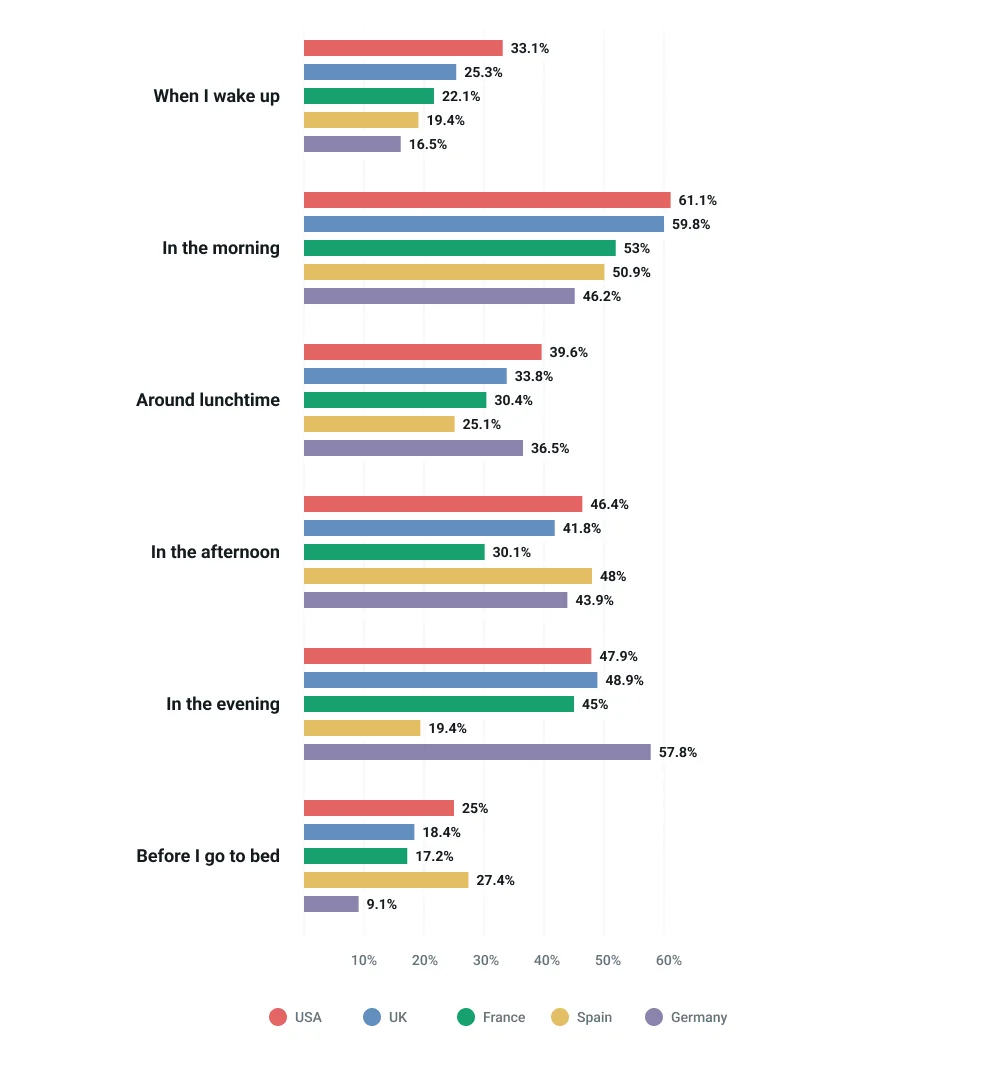
The global nature of digital communication introduces another layer of complexity: geographical and cultural differences in email habits. What works in one country may fail spectacularly in another. Mailjet’s Email Engagement Report highlights these fundamental disparities. For example, German customers exhibit higher engagement in the early evening, with 57.8% opening emails at this time, starkly contrasting with Spain’s 19.4% for the same period. Conversely, 27.4% of Spanish participants check emails late in the evening before bed, a behavior observed in only 9.1% of Germans.
These findings underscore the critical need for audience segmentation based on location and time zones. Blasting a global campaign at a single “optimal” UTC time without conversion and cultural consideration is a recipe for missed opportunities. Marketers must leverage their email service provider’s capabilities to segment their audience by region and schedule sends accordingly, ensuring that each segment receives the email at its local optimal time. This tailored approach significantly enhances relevance and engagement across diverse markets.
B2B vs. B2C: Divergent Strategies for Distinct Audiences
The dichotomy between business-to-business (B2B) and business-to-consumer (B2C) email marketing demands distinct timing strategies due to fundamental differences in user behavior and expectations. Professional and personal inboxes are utilized in vastly different ways, impacting when and how subscribers engage.
B2B Email Marketing:
B2B emails are typically opened and engaged with during standard business hours. Recipients are often seeking information, solutions, or resources relevant to their professional roles.
- Optimal Times: Late morning (9 AM – 12 PM) and early afternoon (1 PM – 3 PM). This aligns with peak productivity and when professionals are actively managing their work inboxes.
- Optimal Days: Tuesdays, Wednesdays, and Thursdays. These days are generally when professionals are most focused and receptive to work-related communications.
- Content Focus: Informative, problem-solving, industry insights, product updates, and thought leadership.
- Avoid: Weekends, public holidays, and very early or late hours, as these are typically outside the professional mindset.
B2C Email Marketing:
B2C emails cater to personal interests, promotions, and leisure activities. Engagement often occurs outside strict work schedules.
- Optimal Times: Lunch breaks (12 PM – 2 PM), evenings (5 PM – 9 PM), and potentially early mornings. These are periods when individuals have personal time to browse and make purchasing decisions.
- Optimal Days: While mid-week can still perform well, Fridays and even weekends can be effective for specific types of B2C content, such as weekend deals, travel promotions, or entertainment news.
- Content Focus: Discounts, sales, new product announcements, lifestyle content, event invitations, and personalized recommendations.
- Considerations: Behavioral triggers (e.g., abandoned cart emails) and seasonal promotions can override general timing rules.
Developing detailed marketing personas, which define your ideal customers’ demographics, psychographics, and daily routines, is invaluable for tailoring send times for both B2B and B2C contexts. Understanding whether your audience checks emails on their desktop at work or on their mobile device during leisure time is crucial for refining your schedule.
The Imperative of Data-Driven Optimization: A/B Testing and Analytics
While general guidelines and industry studies offer a strong starting point, the ultimate “best time” for your specific audience can only be discovered through rigorous testing and analysis of your own data. Every subscriber list is unique, influenced by factors like industry, product/service, audience age, geographical distribution, and the nature of your content.
Email service providers (ESPs) like Mailjet offer robust analytics dashboards that are a treasure trove of time-related data. Marketers should regularly delve into these statistics to identify patterns:
- Review Historical Data: Analyze past campaign performance. Identify the days and hours that have historically yielded the highest open rates and click-through rates for your specific newsletters and promotional emails.
- A/B Testing: Implement a systematic A/B testing strategy. This involves sending identical email campaigns to segmented portions of your list at different times or on different days. For example, over three consecutive weeks, send your newsletter at 10 AM, then 1 PM, and finally 9 PM to different, equally sized segments of your audience. Compare the engagement metrics (opens, clicks, conversions) to identify the top-performing slot.
- Segmented Testing: Extend A/B testing to different audience segments. What works for your younger demographic might not work for older subscribers, or what resonates with customers in North America might differ from those in Europe.
- Consistency vs. Adaptability: While consistency in sending schedule builds trust and anticipation among your audience, it’s equally important to be adaptable. During holidays, special events, or major news cycles, deviating from your regular schedule to align with changed audience behavior can lead to significantly higher engagement. A consistently unopened email is less valuable than a well-timed, slightly off-schedule one.
Beyond Timing: Holistic Email Marketing Success
While optimal timing is a critical component, it’s part of a larger ecosystem of email marketing best practices. Even the perfectly timed email will underperform if its content is irrelevant, its subject line unengaging, or its calls-to-action unclear.
- Compelling Subject Lines: A strong subject line is the gatekeeper to the open rate, regardless of send time.
- Valuable Content: The email’s content must provide genuine value to the recipient.
- Clear Calls-to-Action (CTAs): Guide the subscriber clearly on the desired next step.
- Mobile Optimization: A vast majority of emails are opened on mobile devices, necessitating responsive design.
- Personalization and Segmentation: Tailoring content and offers to specific audience segments enhances relevance and engagement.
The significance of finding the right moment is underscored by research indicating that “86.4% of respondents say having time to read an email is an important factor in determining whether to open it.” This statistic powerfully reinforces the idea that an email must not only be seen but also received at a moment when the recipient has the mental bandwidth and inclination to engage with it meaningfully.
Leveraging Advanced Tools for Precision Sending
Modern email marketing services, such as Mailjet, provide marketers with the necessary tools to navigate these complexities. Features like intuitive email editors, responsive templates, advanced segmentation, A/B testing capabilities, and detailed analytics dashboards empower users to craft, deliver, and meticulously track their campaigns. These tools enable marketers to move beyond guesswork, analyze engagement data at granular levels (by hour, day, and segment), and continually refine their sending strategies. Campaign comparison features allow for a side-by-side analysis of different send times, providing clear, actionable insights to optimize future efforts.
In conclusion, there is no universal “one-size-fits-all” answer to the question of the best time to send emails. The optimal schedule is a dynamic target, shaped by your business model, target audience, type of content, and specific campaign objectives. By combining industry best practices, robust data analysis, and continuous A/B testing, email marketers can strategically pinpoint the moments that maximize engagement, ensuring their messages resonate powerfully with their subscribers and drive superior results.








