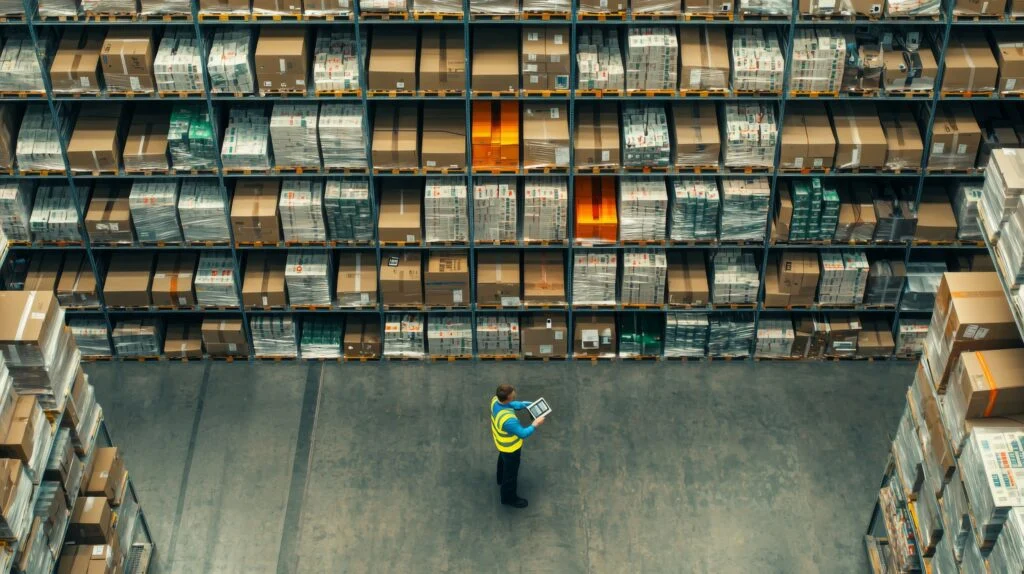
Third-party logistics (3PL) provider O’Neill Logistics is set to significantly bolster its operational efficiency with the deployment of 24 autonomous mobile robots (AMRs) from warehouse automation specialist Robust.AI. This strategic investment, slated for implementation in the fourth quarter of this year, will see the robots integrated into O’Neill Logistics’ facilities in New Jersey and Georgia, with a primary objective of elevating order fulfillment accuracy and speed to better serve both retail and burgeoning direct-to-consumer (DTC) markets. The move underscores a growing trend within the logistics industry towards embracing advanced automation to meet the escalating demands of e-commerce and omnichannel fulfillment strategies.
O’Neill Logistics, a significant player in the logistics landscape with approximately 2 million square feet of distribution space nationwide, has chosen Robust.AI’s sophisticated "Carter" model of robots. This decision signals a proactive approach by the 3PL provider to leverage artificial intelligence (AI) for its warehouse automation needs. Robust.AI’s proprietary AI technology is designed to optimize robot-driven warehouse operations, promising a seamless integration that enhances productivity without introducing undue complexity to existing workflows.
Strategic Deployment Targets Key Fulfillment Channels
The deployment will strategically support O’Neill Logistics’ diverse operational needs. In Monroe, New Jersey, the Carter robots will be instrumental in streamlining both traditional retail fulfillment and the rapidly expanding direct-to-consumer (DTC) segment. This dual-purpose application highlights the flexibility and adaptability of Robust.AI’s solution, catering to the distinct requirements of each fulfillment channel.
In Savannah, Georgia, the focus will be on optimizing omnichannel order fulfillment within a substantial 1 million-square-foot facility. Omnichannel fulfillment, characterized by its complexity in managing orders across multiple channels – including online, in-store pickup, and traditional retail – requires a high degree of agility and precision. The introduction of the Carter robots is expected to address these challenges by improving inventory accuracy, reducing picking errors, and accelerating order turnaround times.
Empowering Warehouse Associates with Collaborative Automation
A core tenet of this automation initiative, as articulated by O’Neill Logistics, is the enhancement of human workforce capabilities. Stephen Reilly, Director of Industrial Engineering at O’Neill Logistics, emphasized this point in a recent announcement. "We needed automation that would make our associates more productive without adding complexity to the floor," Reilly stated. "Robust.AI’s system-directed picking, light-directed putting, and the ability to run a lean fleet gave us everything we were looking for. We’re confident this is the right platform to grow with as our business scales across both sites."
This sentiment reflects a broader industry shift away from purely labor-replacing automation towards collaborative solutions that augment human performance. Robust.AI’s Carter robots are designed to function as "collaborative mobile robots," working in tandem with human associates. The robots are engineered to support existing warehouse operations and workforces, rather than necessitating a complete overhaul of established procedures.
The specific functionalities of the Carter robots in this deployment are expected to include:
- System-Directed Picking: The robots will guide human pickers to the correct items and quantities, minimizing search time and reducing the likelihood of errors. This intelligent routing and task assignment can significantly optimize picker efficiency.
- Light-Directed Putting: This feature likely refers to the robots assisting in the put-away process, potentially using visual cues or guided pathways to direct associates to the correct storage locations, thereby improving inventory accuracy and slotting optimization.
- Point-to-Point Transport: The robots can autonomously move goods between different points within the warehouse, such as from receiving to put-away, or from picking zones to packing stations, freeing up human associates for higher-value tasks.
- Mobile Sorting: This capability suggests the robots can assist in sorting incoming inventory or outgoing orders, further streamlining the flow of goods through the facility.
Robust.AI highlights that the software-defined nature of the Carter model allows for versatile operation across these various functions without requiring additional hardware investments. This inherent flexibility is crucial for 3PLs like O’Neill Logistics, which often face fluctuating demand and the need to adapt quickly to client requirements.
Robust.AI’s Vision: Automation That Works for People
The partnership between O’Neill Logistics and Robust.AI is built on a shared philosophy of human-centric automation. Anthony Jules, co-founder and CEO of Robust.AI, articulated this vision, stating, "Our company works to build automation that works for people, not just around them." He further elaborated on the synergy with O’Neill Logistics’ operational ethos: "O’Neill Logistics has built its reputation on engineering smarter supply chains for its customers. Carter is designed to slot into exactly that kind of dynamic, high-velocity environment, delivering productivity gains from day one while empowering the people on the floor."
This approach addresses a key concern in the automation sector: the potential impact on the human workforce. By focusing on augmenting rather than replacing, Robust.AI aims to foster a more productive and efficient work environment that benefits both employees and employers. The ability of the Carter robots to be deployed quickly and scale flexibly in response to customer demand is a significant advantage for O’Neill Logistics, enabling them to adapt to the often-volatile nature of retail and e-commerce logistics.
Broader Industry Context and Implications
The investment by O’Neill Logistics in Robust.AI’s mobile robots is indicative of a broader industry trend. The global warehouse automation market is experiencing robust growth, driven by the exponential rise of e-commerce, increasing labor costs, and the persistent need for greater operational efficiency and accuracy. According to various market research reports, the warehouse automation market is projected to reach tens of billions of dollars in the coming years, with AMRs representing a significant segment of this growth.
Companies like O’Neill Logistics, operating at the forefront of the supply chain, are recognizing that advanced automation is no longer a luxury but a necessity for maintaining competitiveness. The ability to fulfill orders faster, more accurately, and at a lower cost per unit directly impacts customer satisfaction and profitability.
The deployment of these 24 robots by O’Neill Logistics will likely yield several quantifiable benefits:
- Increased Throughput: By automating repetitive and time-consuming tasks, such as picking and transporting goods, the overall volume of orders processed per hour is expected to rise significantly.
- Reduced Errors: Human error is a common source of inefficiency and cost in logistics. The system-directed nature of the robots’ operations is designed to minimize picking and put-away mistakes, leading to fewer returns and greater customer satisfaction.
- Enhanced Labor Utilization: By taking over the more physically demanding or repetitive tasks, the robots allow human associates to focus on more complex problem-solving, quality control, and value-added activities. This can lead to a more engaged and productive workforce.
- Scalability and Flexibility: The modular nature of AMR solutions allows companies to easily scale their automation capacity up or down based on seasonal demand or specific client needs, a critical advantage in the dynamic world of logistics.
- Improved Safety: By reducing the need for human workers to navigate busy warehouse environments or perform strenuous lifting, robots can contribute to a safer working environment.
A Look Ahead: The Future of Logistics Automation
The partnership between O’Neill Logistics and Robust.AI is a compelling example of how advanced AI and robotics are reshaping the logistics industry. As e-commerce continues its upward trajectory and consumer expectations for faster, more accurate deliveries intensify, the demand for intelligent automation solutions will only grow. The successful integration of Robust.AI’s Carter robots at O’Neill Logistics’ New Jersey and Georgia facilities is poised to set a benchmark for operational excellence and serve as a catalyst for further innovation in the sector. This investment not only addresses current operational challenges but also positions O’Neill Logistics for sustained growth and adaptability in the evolving landscape of global supply chains. The company’s proactive embrace of technology underscores its commitment to delivering superior logistics services and maintaining a competitive edge in a rapidly changing marketplace.