Facebook ad targeting in 2026 stands as a dynamic and increasingly sophisticated discipline, crucial for businesses aiming to connect with Meta’s vast ecosystem of 3.56 billion daily active users. This guide provides an in-depth exploration of the strategies, tools, and underlying mechanisms that define effective advertising on Meta’s platforms, encompassing audience types, Ads Manager setup, advanced tactics, and the pervasive influence of evolving privacy standards.

Understanding Facebook Ad Targeting in 2026
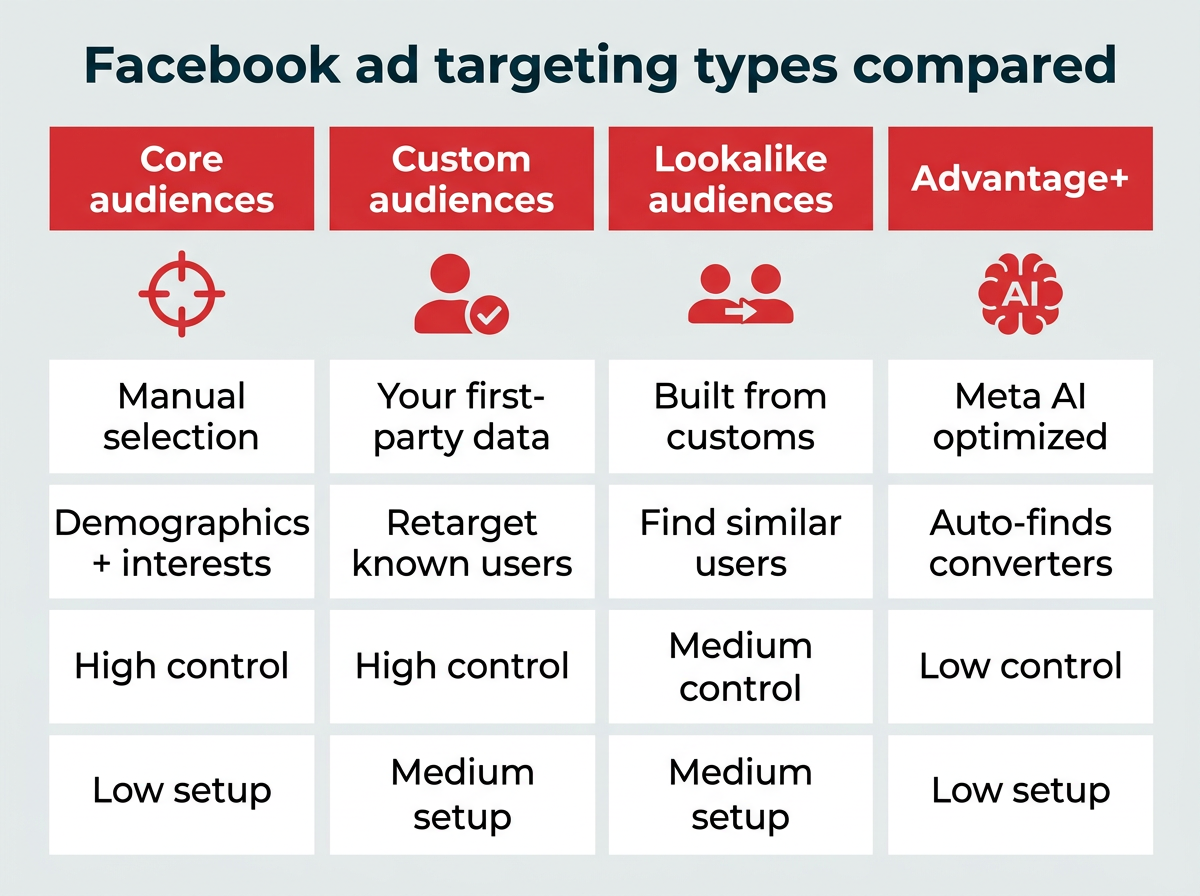
At its core, Facebook ad targeting is the intricate system within Meta Ads Manager that empowers advertisers to precisely define the demographic, psychographic, and behavioral profiles of individuals who will see their advertisements. Rather than broadcasting messages to Meta’s entire global user base, marketers leverage this system to identify and engage specific segments based on characteristics such as age, geographic location, declared interests, previous interactions with a business, or shared traits with existing high-value customers. This granular control is paramount in maximizing return on ad spend (ROAS) in a competitive digital environment.

The platform offers four primary methodologies for audience segmentation, each tailored to different campaign objectives: Core Audiences, Custom Audiences, Lookalike Audiences, and the increasingly dominant Advantage+ Audiences. Understanding the nuances and optimal application of each is fundamental to crafting high-performing campaigns in 2026.
The Mechanics of Meta’s Ad Auction
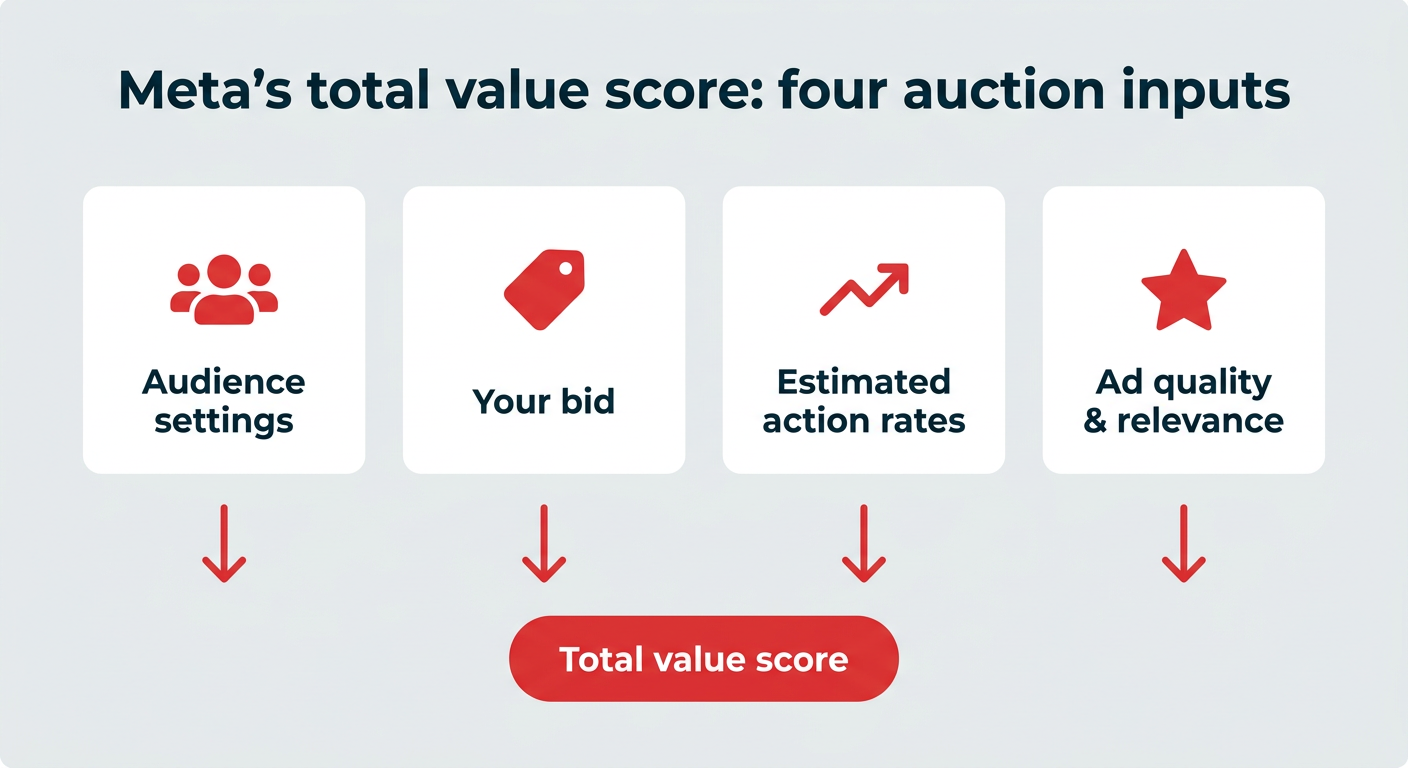
Facebook ad targeting operates within Meta’s sophisticated ad auction system, a real-time bidding environment that determines which ads