The dropshipping industry, while increasingly competitive, continues to present significant opportunities for entrepreneurs. Projections indicate the global dropshipping market is poised to exceed $1.2 trillion by 2030, underscoring its enduring economic relevance. This growth trajectory suggests that while the market is indeed crowded, strategic approaches and the right platform choices can still lead to profitability. The key to success in today’s environment lies in differentiation, moving beyond simply offering lower prices to providing unique value propositions such as expedited shipping, exceptional customer support, or access to exclusive, high-quality products. This analysis delves into two prominent platforms, dropXL and Zendrop, examining how they empower dropshippers to carve out their niche and thrive in this dynamic sector.
The Shifting Sands of Dropshipping Success
The early days of dropshipping often involved a less discerning approach to supplier selection. Entrepreneurs could readily capitalize on inexpensive, readily available products, applying a modest markup and relying on volume to generate revenue. However, this model has become increasingly unsustainable as the market has matured. Consumers are now more informed and demanding, seeking more than just a transactional exchange. They expect reliability, quality, and a seamless purchasing experience. Consequently, successful dropshippers must now focus on building brands that offer distinct advantages. This might involve curating a specialized product catalog, ensuring rapid fulfillment, or providing unparalleled customer service that fosters loyalty and positive word-of-mouth. The ability to offer products that are not easily found elsewhere, or to enhance the overall customer journey, has become paramount.
dropXL: A Focused Approach to Home and Garden E-commerce
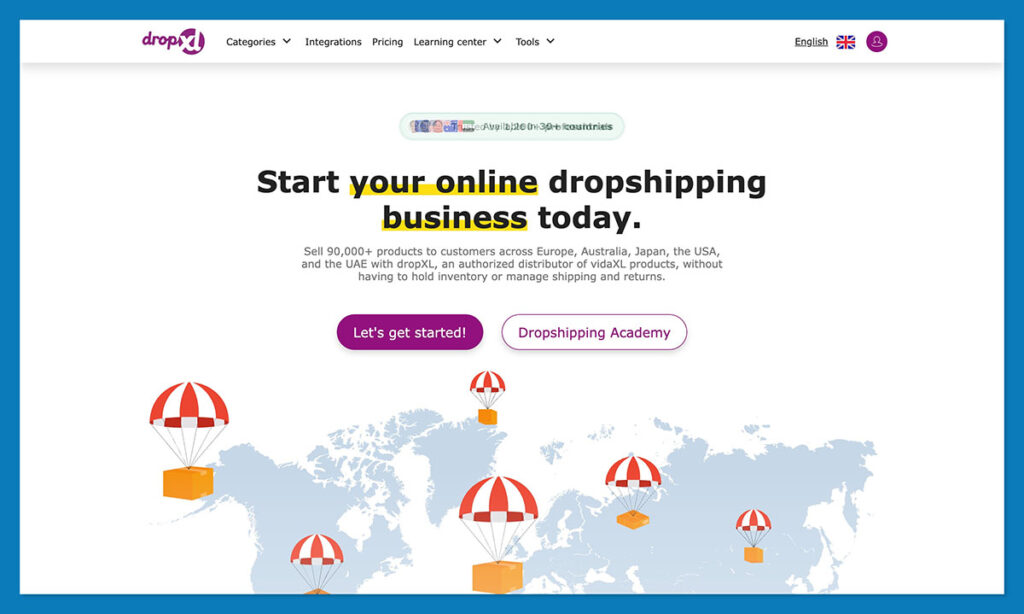
dropXL distinguishes itself through its specialized focus on the extensive vidaXL product catalog. This platform offers dropshippers access to over 130,000 high-quality items, with a significant emphasis on furniture, home décor, garden supplies, outdoor living, pet accessories, and hardware. The advantage of this curated selection lies in its inherent quality and the potential for creating a distinct brand identity centered around these categories. dropXL streamlines the dropshipping process by handling the complexities of global shipping, leveraging local warehouses across key markets including the USA, Europe, Australia, and Japan. This localized warehousing aims to reduce delivery times and improve the overall customer experience, a critical factor in differentiating from competitors.
Furthermore, dropXL eliminates commission fees on orders, simplifying pricing structures for sellers. The platform provides robust backend support, including real-time product feed updates, inventory and pricing synchronization, API access for seamless integration, and comprehensive order management, including returns handling. This integrated approach allows sellers to concentrate on marketing and customer engagement, confident that the operational aspects of fulfillment are being managed efficiently. The commitment to providing a focused, high-quality product range, coupled with streamlined logistics, positions dropXL as a strong contender for businesses looking to establish a reputable brand within specific home and garden niches.
Zendrop: A Comprehensive Ecosystem for E-commerce Growth
In contrast to dropXL’s specialized approach, Zendrop presents itself as a more expansive e-commerce ecosystem designed to support dropshippers at various stages of their business journey. With a catalog exceeding one million products across a vast array of categories, Zendrop offers unparalleled breadth. This includes popular segments such as beauty and skincare, baby products, pet supplies, technology, apparel, jewelry, and home décor, alongside robust print-on-demand (POD) capabilities. The platform’s appeal lies in its comprehensive suite of tools, designed to assist entrepreneurs from initial ideation to scaling their operations.
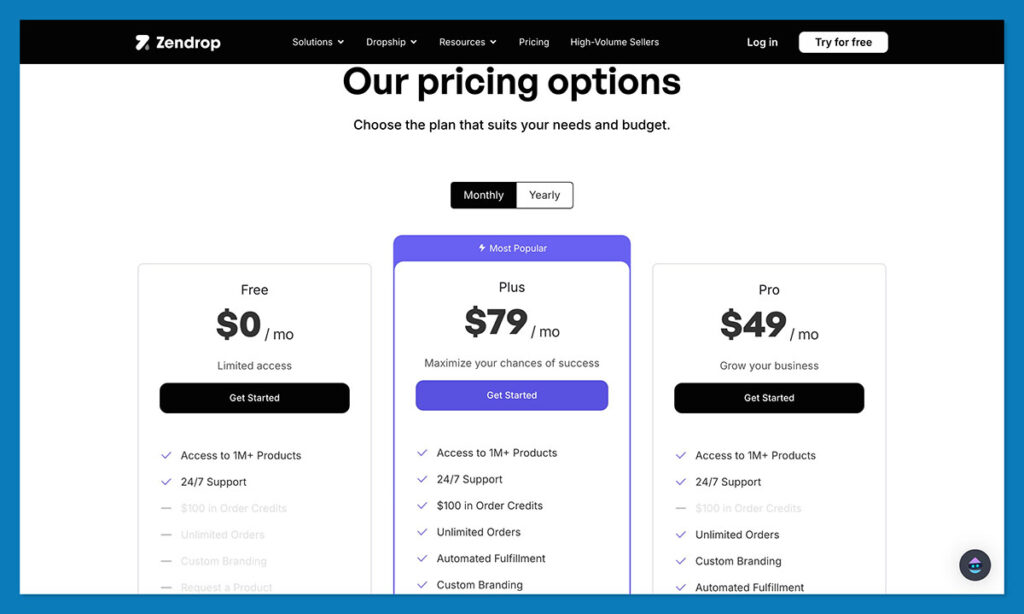
Zendrop offers a tiered subscription model, starting with a free plan that provides access to its extensive product catalog and 24/7 customer support. Paid plans, such as Pro and Plus, unlock advanced features including unlimited orders, custom branding, automated fulfillment, product sourcing requests, and access to AI-powered tools. These AI tools are particularly noteworthy, offering capabilities for building AI-generated stores, creating AI video advertisements, and assisting with product discovery and sourcing. For new entrepreneurs, Zendrop’s emphasis on coaching, educational resources, and a supportive community aims to demystify the dropshipping landscape and accelerate learning. The platform’s flexibility and broad feature set make it an attractive option for those who are exploring different product niches, experimenting with various business models, or seeking a more hands-on approach to building and scaling their online store.
Comparative Analysis: Key Differentiators
When comparing dropXL and Zendrop, several key areas highlight their distinct strengths and target audiences.
Product Range and Quality
Zendrop’s primary advantage lies in its sheer volume and diversity of products. With over a million items spanning numerous categories, it caters to sellers who are still in the discovery phase, allowing them to test a wide range of products and identify profitable niches. This breadth is invaluable for experimentation, enabling entrepreneurs to explore trends in beauty, tech, fashion, and more. The platform also facilitates custom sourcing, allowing sellers to request specific products not readily available in their catalog, further enhancing uniqueness. However, this vast selection can also be a double-edged sword, potentially leading to overwhelm and a dilution of brand focus if not managed strategically. The quality of products, while subject to vetting, can vary across its extensive network of suppliers.
dropXL, on the other hand, champions a curated approach with its focus on the vidaXL catalog. This offers a more controlled and consistent quality of products, particularly in its core categories of furniture, home, and garden. While the catalog size is smaller (around 130,000 items), the emphasis on quality control and brand consistency is a significant benefit. For sellers aiming to build a trustworthy brand around specific product types, the curated nature of dropXL simplifies quality assurance and reduces the risk of customer dissatisfaction due to product defects. The drawback here is the limited scope of product categories compared to Zendrop, which might not suit sellers looking for a broad, generalist approach.
Shipping and Fulfillment
Both platforms offer global fulfillment capabilities, but with different nuances. dropXL leverages its extensive network of local warehouses across more than 30 countries, enabling direct shipping to customers from the nearest fulfillment center. This localized approach is particularly beneficial for larger, heavier items like furniture, where efficient logistics are critical. dropXL also provides robust return handling services, which is a significant advantage for sellers dealing with products that might have higher return rates or require more complex processing. This comprehensive fulfillment and returns management system is designed to simplify the operational burden on the seller.
Zendrop also manages fulfillment through its supplier network, with options for expedited domestic shipping via US 3PL (Third-Party Logistics) partners. This can offer same-day or next-day fulfillment for certain orders, utilizing carriers like USPS and UPS. Zendrop’s model also includes print-on-demand capabilities, adding another layer of fulfillment flexibility. While Zendrop’s primary dropshipping fulfillment mirrors dropXL’s efficiency, its direct return handling process for customers might be less centralized compared to dropXL, with sellers potentially playing a more direct role in managing customer service for returns.
Extra Features and Integrations
Zendrop stands out for its extensive array of value-added features, particularly for new and scaling businesses. Its AI-powered tools for store creation and ad generation can significantly reduce the initial setup time and marketing effort. The platform also offers product discovery tools, custom sourcing services, and print-on-demand integration, providing a multifaceted approach to e-commerce business development. For entrepreneurs seeking guidance, Zendrop provides coaching, educational resources, and a supportive community. Integrations are streamlined, with direct connections to major platforms like Shopify, Wix, and TikTok Shop, enabling one-click product importing and automated order syncing.
dropXL, while less feature-rich in terms of AI and advanced marketing tools, focuses on providing essential operational efficiencies. It offers API access, plugins, and product feeds for integration, along with regular updates on stock, pricing, and product details. The dropXL Academy provides educational content, and the platform supports localized product content in over 27 languages, which can be beneficial for international expansion. While its integrations might require slightly more manual setup compared to Zendrop’s plug-and-play approach, they are designed to connect with all major e-commerce platforms, including Shopify and Amazon, albeit with a bit more technical effort.
Pricing Models
The pricing structures of dropXL and Zendrop cater to different budget considerations and business models. dropXL offers a straightforward, single-tier subscription plan at €30 per month. This monthly fee grants access to all products, feeds, APIs, and support resources. Crucially, dropXL does not charge order commissions, meaning sellers only pay for the products they sell, and the cost of these products is not revealed until an account is active. A notable benefit is dropXL’s 30-day refund policy if no sales are made within that period. However, a potential cost implication is the requirement for separate monthly subscriptions for each country in which a seller operates.
Zendrop employs a tiered pricing strategy, starting with a free plan that offers access to its vast product catalog and 24/7 support. This free tier is ideal for individuals testing the waters of dropshipping without upfront financial commitment. The Pro plan, priced at $49 per month, unlocks unlimited orders, custom branding, automated fulfillment, and product request features. The premium Plus plan, at $79 per month, includes all Pro features, plus access to top-performing products, print-on-demand services, Zendrop AI, chargeback management, and live coaching calls. Zendrop also provides more transparent product pricing examples upfront, such as a men’s blazer listed at $18.71 with a suggested retail price of $45.99, allowing potential users to better estimate profit margins before committing to a paid plan.
Ease of Use and Customer Support
For dropshippers embarking on their entrepreneurial journey, Zendrop often presents a gentler learning curve. The availability of a free plan, coupled with AI-powered tools for store and ad creation, allows for rapid setup and experimentation with minimal initial investment. The comprehensive support ecosystem, including 24/7 availability and coaching for paid subscribers, provides a strong safety net for beginners. While Zendrop’s integrations are generally more automated, the sheer number of features might initially seem daunting.
dropXL, while conceptually simple with its focused catalog and clear pricing, might require a slightly more hands-on approach to integration, particularly for multi-country operations. However, its strength lies in its streamlined product selection and operational efficiency, reducing the time spent on product research and supplier vetting. The robust return support is a significant advantage, especially for sellers of larger or more complex items. dropXL also offers comprehensive customer support through its academy resources and direct assistance, ensuring that users have the necessary help, regardless of their subscription tier.
Final Verdict: Tailoring the Platform to Your Vision
The choice between dropXL and Zendrop ultimately hinges on the individual entrepreneur’s business strategy, niche focus, and developmental stage.
For retailers specializing in home goods, furniture, garden supplies, or outdoor products, dropXL emerges as the more advantageous option. Its curated catalog of high-quality vidaXL products, coupled with efficient, direct shipping from local warehouses and robust return support, provides a solid foundation for building a trusted brand. The predictable, commission-free pricing structure also simplifies financial planning, although the need for separate subscriptions for different countries should be considered. dropXL excels at enabling sellers to establish a reliable, quality-focused brand within a defined market segment.
Zendrop, conversely, is ideally suited for experimental entrepreneurs who are exploring new product ideas, rapidly launching stores, and testing various business models. The platform’s extensive product catalog, combined with powerful AI tools for store and ad creation, print-on-demand services, and custom sourcing capabilities, offers a versatile ecosystem for discovering what resonates with the market. The tiered pricing, including a free starting plan, allows for low-risk entry and scalability as the business grows. Zendrop empowers sellers to identify profitable opportunities and launch their ventures with speed and a comprehensive set of growth-oriented tools.
In essence, dropXL provides a streamlined pathway to building a dependable brand through a focused, high-quality product offering and efficient logistics. Zendrop, on the other hand, equips entrepreneurs with the tools and flexibility to discover market potential, experiment with diverse offerings, and launch their e-commerce ventures with agility and comprehensive support. Both platforms represent valuable assets in the contemporary dropshipping landscape, each catering to distinct entrepreneurial needs and aspirations.