


Email remains a cornerstone of effective business communication, consistently proving its value as a direct, owned channel for customer engagement. In an increasingly fragmented digital landscape, email marketing stands out for its reliability and unparalleled return on investment. Businesses leverage email for a multitude of purposes, from crucial product announcements and onboarding sequences to dynamic newsletters and targeted promotional campaigns. This direct line to an audience offers a level of control and intimacy that few other marketing channels can match, making it an indispensable asset for sustained growth.
Recent data underscores this enduring preference. A comprehensive email engagement report by Mailjet for 2024 revealed that a significant majority of consumers across key markets – including the U.S., UK, France, Germany, and Spain – favor email. Specifically, 75.4% prefer it for receiving promotional messages, and an even higher 74% opt for email for transactional communications, such as order confirmations or account updates, over all other available channels. This demonstrates not only email’s continued relevance but its critical role in both marketing and operational aspects of a business.
The Enduring Power of Email: A Strategic Imperative
The journey of email marketing from its nascent stages to its current sophisticated form reflects its adaptability and fundamental utility. Born in the early days of the internet, email quickly evolved from simple one-to-many broadcasts to a highly personalized and automated communication tool. Unlike ephemeral social media trends or algorithm-dependent advertising platforms, an email list represents a direct, owned asset for a business. This digital ownership translates into greater control over message delivery, branding, and customer relationships, free from the whims of third-party platform changes.

Industry analysts consistently highlight email’s superior ROI compared to other digital marketing channels, often cited as generating an average of $36 for every $1 spent. This efficiency makes it particularly attractive for businesses of all sizes, from agile startups to expansive enterprises. The global email marketing market size, valued at billions, continues to grow, projected to expand further in the coming years as businesses increasingly invest in sophisticated strategies to reach and retain customers. This growth is driven by advancements in automation, personalization, and data analytics, which allow for hyper-targeted campaigns that resonate deeply with individual subscribers.
The Complexities of Choice: Navigating a Crowded Market
Despite its undeniable benefits, the path to harnessing email’s full potential is often complicated by the sheer volume of email marketing platforms available today. The market is saturated with options, each vying for attention with a unique blend of features, pricing models, and target audiences. Some platforms are meticulously crafted for the lean operations of a burgeoning startup, offering intuitive interfaces and essential functionalities at an accessible price point. Others are robust, enterprise-grade solutions designed to handle the intricate demands of massive marketing teams, supporting complex automation workflows and extensive data integrations.
The diversity extends to feature sets: some platforms prioritize deep automation capabilities, enabling sophisticated multi-step customer journeys triggered by specific behaviors, while others champion simplicity, focusing on easy campaign creation and delivery. This vast array of choices, while beneficial in theory, can quickly become overwhelming for decision-makers. The challenge lies in sifting through the noise to identify a platform that not only meets current operational needs but also possesses the flexibility and scalability to accommodate future growth without necessitating a costly and disruptive migration.
Defining Excellence: Core Criteria for Top Email Marketing Platforms
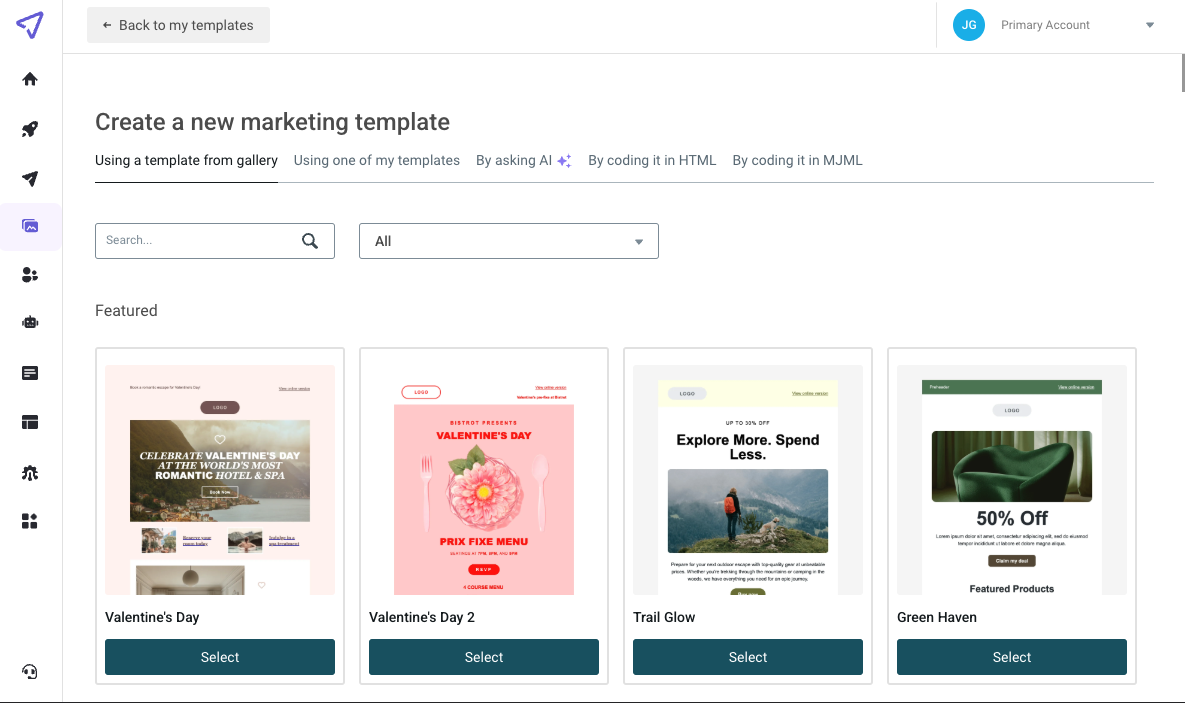
To cut through the complexity, a rigorous evaluation framework is essential. Experts, through years of hands-on testing and analysis of leading marketing tools, have identified five critical attributes that define an optimal email marketing platform. These criteria prioritize user experience, functionality, connectivity, affordability, and future-proofing, ensuring that a chosen solution genuinely empowers business objectives.
-
Ease of Use, Even for Non-Technical Users: A superior email marketing platform should democratize access to powerful marketing capabilities. It should not demand specialized technical expertise or extensive training. The ideal tool features an intuitive, clean dashboard that simplifies list building, campaign creation, and automation setup. Any platform that presents a steep learning curve or requires significant external support for basic operations fails to meet this fundamental criterion. The goal is to enable rapid deployment and efficient management, allowing teams to focus on strategy rather than technical hurdles.
-
Built-in Automations that Actually Work: Beyond simple broadcast emails, modern business demands intelligent, automated customer journeys. Whether it’s a personalized welcome email for new subscribers, a carefully timed follow-up after a purchase, or a re-engagement campaign for dormant contacts, automations must be straightforward to configure and flawlessly reliable in execution. The best platforms offer visual workflow builders that allow users to design complex sequences without writing a single line of code, ensuring that messages are delivered at the right moment to the right segment.
-
Seamless Integrations with Existing Tools: An email marketing platform rarely operates in isolation. It must function as an integral part of a broader digital ecosystem. Compatibility with existing e-commerce platforms (like Shopify or WooCommerce), CRM systems (like Salesforce or HubSpot), booking software, and other business-critical applications is paramount. Platforms that offer robust native integrations, or at least reliable connectivity via tools like Zapier, enable a unified data flow and prevent data silos, ensuring a smooth and efficient marketing workflow across the organization.
-
Pricing that Makes Sense for Businesses of All Sizes: Cost-effectiveness is a universal concern. The ideal platform offers transparent, flexible pricing structures that cater to businesses at different stages of growth. This includes generous free plans for those just starting out, affordable entry-level tiers, and scalable options that avoid punitive cost jumps as subscriber lists or sending volumes increase. Platforms that charge based solely on email sends rather than contact count, for example, often offer more predictable and budget-friendly scalability.

-
Room to Scale for Future Growth: A wise investment in an email marketing platform anticipates future needs. The chosen tool should not only meet current requirements but also support the expansion of campaigns, the growth of subscriber lists, and the evolution of automation strategies without forcing a complete platform overhaul. Scalability ensures that as a business thrives, its email marketing infrastructure can effortlessly grow alongside it, accommodating increased volume and complexity without prohibitive costs or performance limitations.
A Deep Dive into Leading Platforms
Guided by these principles, a curated selection of leading email marketing platforms emerges, each distinguished by its strengths and ideal use cases.
-
Mailjet: Best for Budget-Conscious Teams
Mailjet stands out for its compelling combination of affordability and robust features, making it an excellent choice for startups and growing businesses. Its core appeal lies in a pricing model that charges solely based on the number of emails sent, rather than contact count, offering predictable costs as subscriber lists expand. The platform provides an intuitive interface for crafting both marketing and transactional emails, alongside tools for form creation and landing page development, all with a minimal learning curve.- Key Features: Intuitive drag-and-drop editor, A/B testing, email automation, transactional email API, comprehensive analytics, robust deliverability.
- Drawbacks: Some advanced segmentation options may require higher tiers.
- Pricing: Free plan available; paid plans start with competitive per-email rates.
-
Mailchimp: Best for Getting Started
Mailchimp is often the first platform new marketers encounter, and for good reason. Its user-friendly interface and generous free plan (up to 500 contacts) make it incredibly accessible for beginners. It excels at facilitating the creation of initial campaigns and basic list management. However, as marketing strategies mature and demand more complex automation or deeper customization, users might find its capabilities somewhat limited compared to more specialized platforms.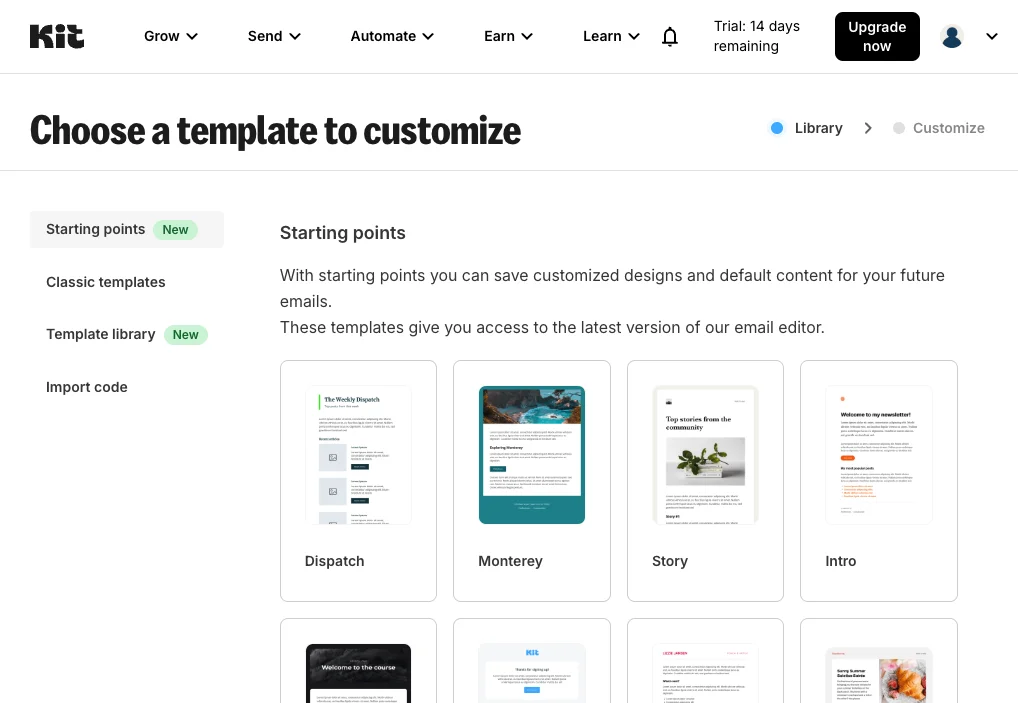
- Key Features: Easy-to-use email builder, landing page creator, basic automation, audience segmentation, marketing CRM.
- Drawbacks: Can become expensive as lists grow; advanced features are often locked behind higher-tier plans; contact-based pricing can be restrictive.
- Pricing: Free plan up to 500 contacts; paid plans scale with contact count.
-
Kit (formerly ConvertKit): Best for Digital Creators
Tailored specifically for bloggers, YouTubers, and solo entrepreneurs, Kit (formerly ConvertKit) is designed to cultivate and grow an audience. Its focus is on list growth, segmenting subscribers, and automating follow-up sequences. The free plan is notably generous, supporting up to 10,000 subscribers, making it an attractive option for creators in their early to mid-growth stages. However, advanced functionalities like multi-sequence automation and sales funnels necessitate a paid subscription.- Key Features: Landing pages & forms, subscriber tagging & segmentation, visual automation builder, e-commerce integrations, creator-focused templates.
- Drawbacks: Less focus on visual design for emails; pricing scales rapidly with subscriber count.
- Pricing: Free plan up to 10,000 subscribers (limited features); paid plans based on subscriber count.
-
Constant Contact: Best for Social-Savvy Brands
Constant Contact offers a compelling solution for businesses looking to integrate their email campaigns seamlessly with their social media presence. Its drag-and-drop editor is praised for its ease of use, and the platform consistently delivers strong email deliverability rates. It’s particularly well-suited for brands that maintain an active presence on platforms like Facebook and Instagram. While highly effective, its more feature-rich plans might represent a significant investment for smaller teams operating with tighter budgets.- Key Features: Drag-and-drop email editor, social media integration, event management tools, website builder, strong deliverability.
- Drawbacks: Higher pricing compared to some competitors; automation capabilities can be less sophisticated.
- Pricing: Tiered plans based on contact count, starting with basic features.
-
AWeber: Best for Long-Standing Reliability
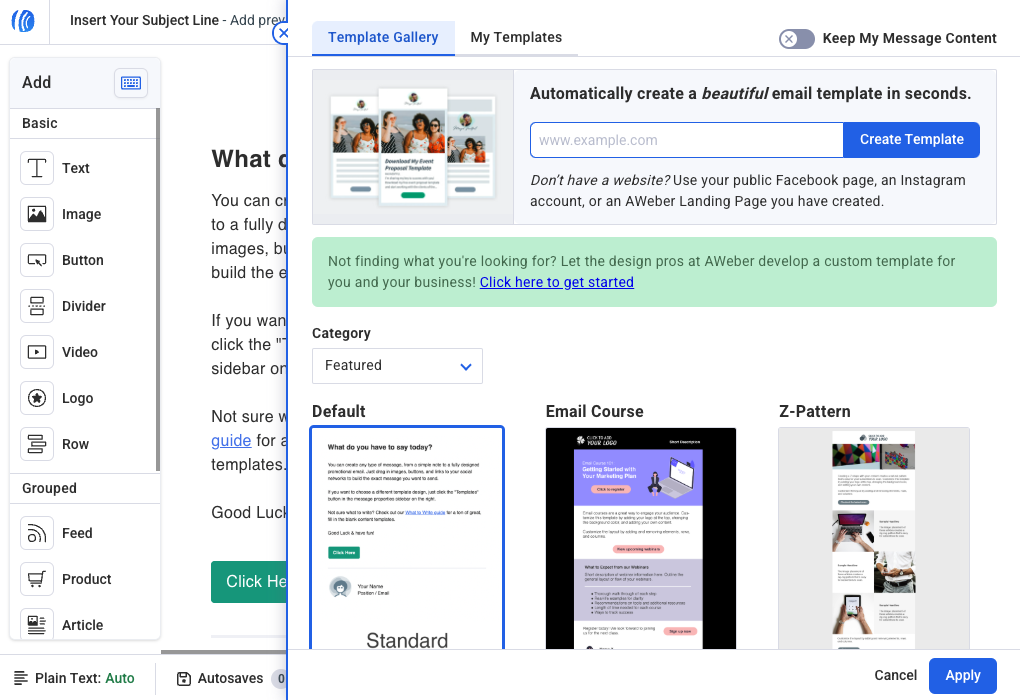
With over two decades in the email marketing arena, AWeber has built a reputation for reliability and trust among solo entrepreneurs and small business owners. Its platform, while not always at the cutting edge of innovation, excels at the fundamentals. It provides a user-friendly experience with pre-built templates, essential automation, and integrations with popular platforms like Etsy and YouTube. AWeber’s commitment to robust analytics and testing tools ensures users can consistently optimize their campaigns.- Key Features: Drag-and-drop email builder, automation workflows, AI-powered email assistant, extensive template library, strong analytics.
- Drawbacks: Interface can feel dated; some advanced features might be less intuitive to set up.
- Pricing: Free plan for up to 500 subscribers; paid plans scale with subscriber count.
-
HubSpot: Best for All-in-One Marketing
HubSpot transcends traditional email marketing by offering a comprehensive CRM and marketing suite. It allows businesses to centralize contact management, build sophisticated automated email flows, and track performance across various marketing touchpoints within a single dashboard. The free tier is surprisingly robust, providing a solid foundation for many businesses. However, unlocking its full spectrum of advanced automation features and enterprise-level capabilities comes with a significant increase in pricing.- Key Features: Integrated CRM, marketing automation, landing page builder, sales tools, comprehensive analytics, live chat.
- Drawbacks: Can be very expensive for advanced features; learning curve for new users due to its breadth.
- Pricing: Generous free CRM; marketing hubs scale significantly in price based on features and contacts.
-
Omnisend: Best for Online Stores
Omnisend is specifically engineered to meet the unique demands of e-commerce brands. It offers a comprehensive omnichannel marketing toolkit, including email, SMS, and push notifications, even within its free plan. This integrated approach allows online retailers to craft cohesive customer journeys across multiple channels. While feature-rich, some users note that its email deliverability might not always match the industry’s highest standards, and its template library could benefit from more visual diversity.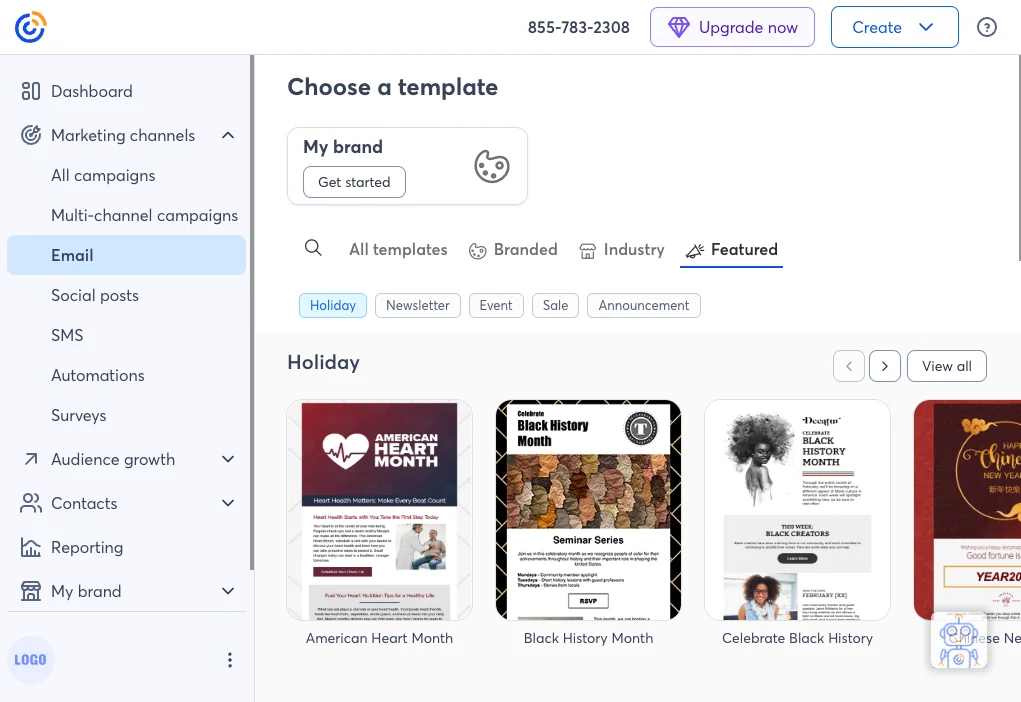
- Key Features: E-commerce focused automation (abandoned cart, product recommendations), SMS & push notifications, segmentation, robust integrations with e-commerce platforms.
- Drawbacks: Email deliverability can be inconsistent; template design options may feel limited.
- Pricing: Free plan with basic features; paid plans scale by contact count and send volume.
-
Brevo (formerly Sendinblue): Best for Multi-Channel Campaigns
Brevo (formerly Sendinblue) excels at unifying email, SMS, and live chat into a single, cohesive platform. It’s an ideal choice for businesses seeking a holistic approach to customer communication without managing disparate tools. The platform boasts a clean, easy-to-navigate user interface, simplifying the management of multi-channel campaigns. However, access to its most sophisticated analytics and reporting features is typically reserved for higher-tier plans, which can be a consideration for data-driven teams.- Key Features: Email, SMS & chat marketing, transactional emails, marketing automation, landing page builder, CRM lite.
- Drawbacks: Advanced analytics require higher plans; some users report limitations in template customization.
- Pricing: Free plan for up to 300 emails/day; paid plans based on email volume, not contacts.
-
ActiveCampaign: Best for Serious Automation
ActiveCampaign is a formidable platform for businesses that require advanced marketing automation and a deeply integrated CRM. It empowers users with granular control over the entire customer journey, offering sophisticated workflows, dynamic content capabilities, and intelligent segmentation. While a powerhouse for depth and customization, its advanced nature implies a steeper learning curve and a higher price point, making it most suitable for teams ready to invest significant time and resources into a sophisticated marketing strategy.- Key Features: Advanced marketing automation, integrated CRM, lead scoring, dynamic content, SMS marketing, deep segmentation.
- Drawbacks: Higher pricing; can be overwhelming for beginners; steeper learning curve due to extensive features.
- Pricing: Tiered plans based on contact count and features, starting at a higher entry point.
Strategic Pricing Considerations for Businesses
Understanding the cost structures of email marketing platforms is as crucial as evaluating their feature sets, particularly for businesses operating with defined budgets. While many providers offer free plans, these often come with limitations on contact numbers, monthly send volumes, or access to critical features that can impede growth.
Common pricing structures include:
- Contact-Based Pricing: The most prevalent model, where costs increase with the size of your subscriber list. This can become expensive rapidly as your audience grows.
- Send-Based Pricing: Platforms like Mailjet charge based on the number of emails sent per month, offering more predictability if your list is large but send frequency varies.
- Feature-Based Tiers: Higher-priced plans unlock more advanced functionalities such as sophisticated automation, A/B testing, dedicated IP addresses, or enhanced analytics.
- Freemium Models: Offer a free tier with basic features and limitations, designed to attract new users who then upgrade as their needs expand.
When evaluating pricing, businesses must look beyond the initial monthly fee. Consider the long-term cost implications as your subscriber list grows and your marketing needs become more complex. A platform that seems affordable initially might incur significant costs down the line, potentially forcing a costly and disruptive migration to a new provider. Balancing current requirements with future scalability is key to making a financially sound decision.
Tailoring the Solution: Platforms for Diverse Business Needs
The optimal email marketing tool is not a one-size-fits-all solution; it is deeply intertwined with a business’s specific operational context and strategic objectives.
-
Small Businesses & Startups: For lean teams or solo entrepreneurs, simplicity, affordability, and responsive support are paramount. Platforms with intuitive dashboards, essential automation, and transparent pricing that scales gracefully are ideal. Solutions like Mailjet or Mailchimp (for very small lists) provide foundational tools without overwhelming budgets or requiring extensive technical knowledge.
-
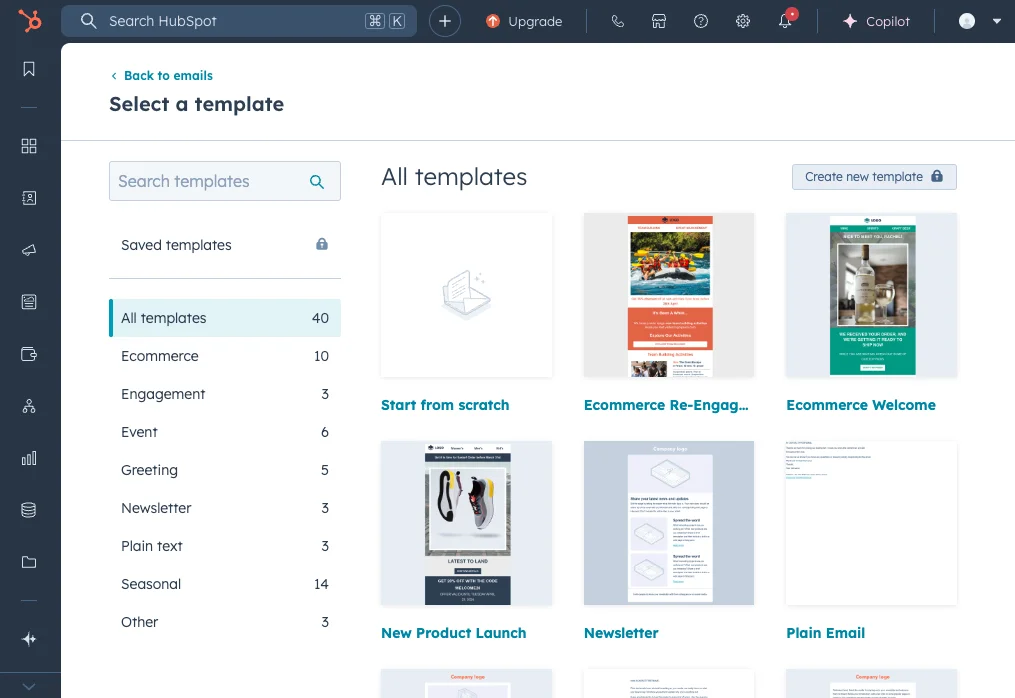
E-commerce Brands: Online stores require specialized features that directly impact revenue generation. This includes robust integrations with e-commerce platforms (Shopify, WooCommerce), sophisticated abandoned cart recovery sequences, dynamic product recommendations, and behavioral triggers. Omnisend and ActiveCampaign (for deeper customization) excel in providing these commerce-centric tools, turning email into a potent sales engine.
-
Digital Creators & Solopreneurs: Bloggers, YouTubers, podcasters, and online course creators prioritize list growth, audience segmentation, and content delivery. Platforms that facilitate building a loyal community, offering customizable forms, and streamlined content distribution are key. Kit (ConvertKit) is purpose-built for this demographic, focusing on subscriber engagement and digital product sales.
-
Nonprofits: Financial efficiency is critical for nonprofits, making platforms that offer discounted or free plans highly attractive. Beyond cost, the ability to segment donors, send compelling fundraising appeals, and integrate with fundraising platforms without adding administrative burden is essential. Features like customizable templates and clear communication tools help keep supporters informed and engaged.
-
B2B Companies: B2B email strategies revolve around lead nurturing, pipeline progression, and relationship building. Integration with CRM systems, lead scoring capabilities, and tools for account-based marketing are indispensable. HubSpot, with its comprehensive CRM and marketing suite, and ActiveCampaign, with its deep automation, are strong contenders for B2B entities looking to streamline their sales and marketing alignment.
Making an Informed Decision: A Comprehensive Checklist
Choosing the right email marketing service demands careful deliberation, weighing unique needs, strategic goals, and available resources. By systematically evaluating key factors, businesses can narrow down their options and select a platform poised to support long-term success. The best service strikes an optimal balance between functionality, ease of use, and cost, while offering the flexibility to evolve with changing business demands.
To guide this crucial decision, consider the following checklist:
- Core Feature Alignment: Does the platform offer essential capabilities like a user-friendly drag-and-drop editor, list segmentation, and fundamental automation?
- Pricing Model & Scalability: Is the pricing structure transparent, predictable, and suitable for your current budget and projected growth? Avoid hidden fees or punitive tier jumps.
- Automation Depth: Does it provide the level of automation complexity required for your marketing strategy, from simple welcome sequences to multi-step customer journeys?
- Integration Ecosystem: Does it seamlessly connect with your existing CRM, e-commerce platform, analytics tools, and other critical business applications?
- Deliverability Reputation: Does the provider have a strong track record for ensuring emails land in inboxes, not spam folders?
- Analytics & Reporting: Does it offer comprehensive, actionable insights into campaign performance, including open rates, click-through rates, and conversion metrics?
- Support & Resources: What kind of customer support, documentation, and training resources are available to assist your team?
- Compliance & Security: Does the platform adhere to data privacy regulations (e.g., GDPR, CCPA) and offer robust security features?
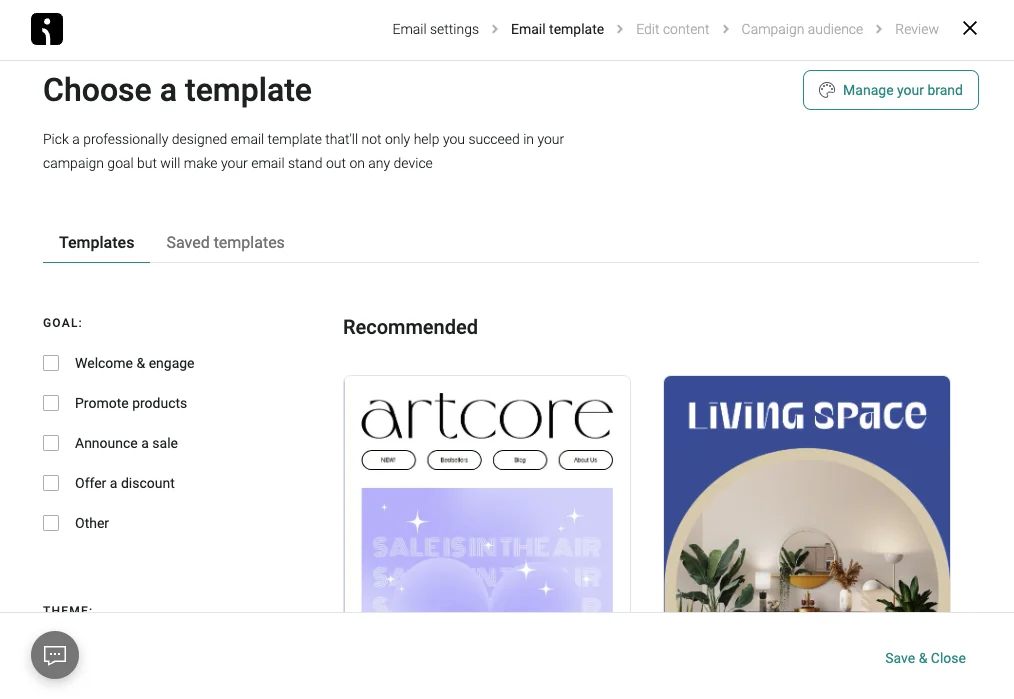
- Template Library & Customization: Are there sufficient, high-quality templates, and can you customize them to match your brand identity without needing code?
- Omnichannel Capabilities: If relevant, does it support other channels like SMS, live chat, or push notifications to create unified campaigns?
Outlook: The Future of Email Marketing
As we look ahead, the email marketing landscape is poised for further innovation. The integration of Artificial Intelligence (AI) is rapidly advancing, promising even more sophisticated personalization, predictive analytics for optimal send times, and AI-driven content generation. Hyper-personalization, moving beyond basic name insertions to truly individualized content based on deep behavioral insights, will become standard. Concurrently, data privacy regulations continue to evolve, placing a greater emphasis on consent, transparency, and secure data handling, which will shape how platforms manage subscriber information and how marketers approach their strategies. The enduring strength of email lies in its ability to adapt and incorporate these advancements, solidifying its position as an indispensable tool for building lasting customer relationships and driving measurable business growth.
The right email platform will not merely facilitate sending emails; it will serve as a strategic partner in building genuine connections with your audience and fostering meaningful growth. By thoroughly evaluating options against these comprehensive criteria, businesses can confidently select a solution that is perfectly aligned with their objectives and ready to navigate the evolving digital frontier.








