rifanmuazin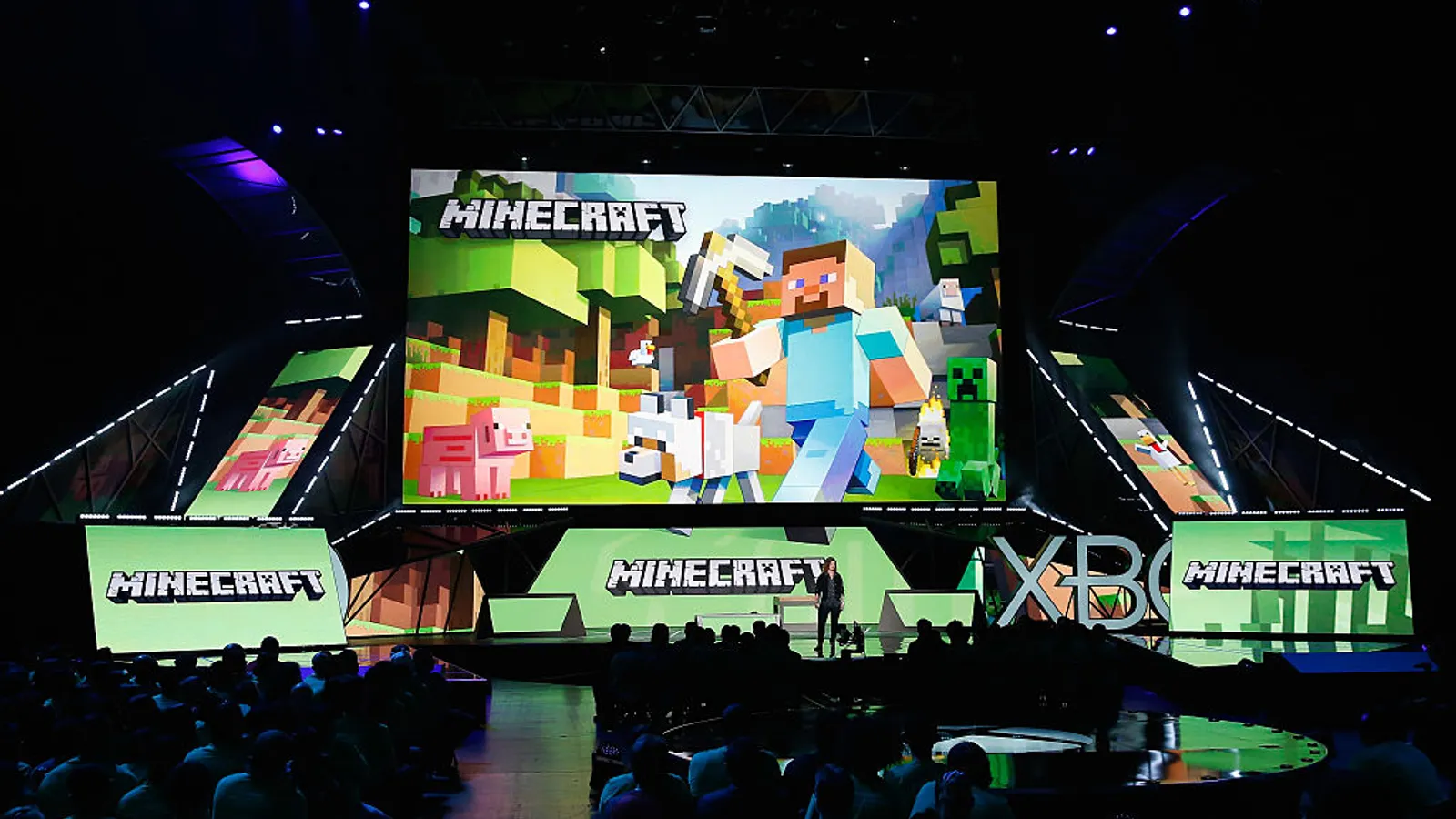
An article from Marketing Dive, published June 2, 2026, by Sara Karlovitch.
Mojang’s ambitious move to formalize and monetize its sprawling creator ecosystem through a new affiliate program marks a significant evolution in how the company engages with its most influential brand advocates. The program, unveiled today, allows content creators to earn commissions by driving sales of in-game items within Minecraft, a strategy that taps into the burgeoning creator economy and aims to further solidify the game’s enduring commercial appeal.
This initiative comes at a time when content marketing has become an indispensable tool for brands seeking to connect with younger demographics. Minecraft, already the best-selling video game title of all time with an astounding over 350 million copies sold globally, possesses a deeply ingrained and active content creation landscape. Influential figures like the YouTuber Dream, who commands tens of millions of subscribers, have built entire careers around showcasing their gameplay and creativity within the Minecraft universe. The new affiliate program provides Mojang with a structured framework to manage these vital partnerships, offering a clear incentive for creators to promote and drive purchases of eligible in-game content.
Program Mechanics and Commission Structure
Under the terms of the new affiliate program, approved creators will receive a unique, trackable link. This link can be disseminated across various platforms and content formats, including embedded within YouTube video descriptions, displayed as QR codes in visual content, or featured as banners on creator websites. The commission structure is set to begin at 5% for qualifying sales. The eligible items for commission include a range of digital goods that enhance the player experience, such as custom skin packs, texture packs, mini-games, and adventure maps. Notably, certain categories of in-game purchases, including persona items, subscriptions, and full game titles, are excluded from the program’s commission structure, likely to maintain a clear distinction between core game monetization and creator-driven ancillary sales.
The rollout of this program signifies a strategic pivot for Mojang, moving beyond organic content creation to a more formalized revenue-sharing model. This approach mirrors broader trends observed across various industries, where brands are increasingly leveraging affiliate marketing to harness the power of influencers and content creators.
Broader Industry Trends and Precedents
The creator economy has experienced exponential growth in recent years, transforming how brands approach marketing and customer engagement. Affiliate programs have emerged as a popular and effective mechanism for businesses to incentivize and reward content creators for driving traffic and sales. This trend is not confined to the gaming sector; major retailers and apparel brands have also embraced similar strategies. For instance, Macy’s has actively engaged creators through its StyleCrew affiliate program, while Adidas has established a paid affiliate program specifically for student athletes. Home Depot has also invested in building bridges to influencers through its dedicated creator portal.
Within the gaming industry itself, Minecraft is not an isolated case in adopting creator-focused monetization strategies. Electronic Arts (EA), a titan in the gaming world known for titles such as “The Sims” and “Battlefield,” operates both a general affiliate program and a more comprehensive creator program. These initiatives underscore a growing recognition within the gaming sector of the immense value that content creators bring to game visibility, community building, and ultimately, sales.

The trend towards formalizing creator-brand partnerships is particularly pronounced in the gaming and metaverse spaces. Roblox, for example, recently introduced “Brand Link,” a curated collection of creator-made experiences designed to streamline brand integrations and collaborations on its platform. This move by Roblox aims to bring greater order and transparency to what has sometimes been described as the “wild west” of creator-brand partnerships, ensuring more controlled and mutually beneficial engagements.
Minecraft’s Enduring Cultural and Commercial Impact
The commercial success of the Minecraft intellectual property extends far beyond the confines of its digital game world. The release of “A Minecraft Movie” in 2025 proved to be a global box office phenomenon, grossing over $960 million worldwide. This cinematic success was partly attributed to the viral nature of certain moments within the film, such as the memorable “chicken jockey” scene, which inspired audience participation in theaters. The film’s promotional tie-in with McDonald’s resulted in the fast-food giant’s largest global campaign in its history, spanning an impressive 100 markets and highlighting the franchise’s immense reach and cultural penetration.
This multi-faceted success story underscores Minecraft’s status as a cultural touchstone, capable of transcending its original medium to achieve widespread commercial and critical acclaim. The affiliate program can be seen as a logical extension of this strategy, allowing Mojang to capitalize on the sustained interest and engagement generated by its vast community of creators.
Microsoft’s Financial Performance and Strategic Outlook
The introduction of the Minecraft affiliate program also occurs within the broader context of Microsoft’s robust financial performance. For the third quarter of fiscal year 2026, Microsoft reported a substantial revenue of $82.9 billion, representing an 18% increase year-over-year. This strong financial footing provides Microsoft, and by extension Mojang, with the resources and confidence to invest in new strategic initiatives like the creator affiliate program.

The implications of this program are far-reaching. For content creators, it presents a new avenue for monetization and a more direct way to benefit from their dedication to the Minecraft brand. For Mojang and Microsoft, it offers a sophisticated method for nurturing its creator community, driving in-game commerce, and maintaining the game’s relevance in an increasingly competitive entertainment landscape. By formalizing these relationships, the company can gain better insights into creator performance, optimize marketing efforts, and ensure that the content promoted aligns with brand values and player interests. This strategic move is likely to foster a more sustainable and mutually beneficial ecosystem for all parties involved, further cementing Minecraft’s legacy as a pioneering force in both gaming and digital content creation.