Meta has announced significant enhancements to its artificial intelligence-powered ad creation tools, introducing multi-media ad capabilities designed to empower advertisers to maximize campaign performance by generating numerous ad variations and identifying the most effective formats for diverse audiences and placements. This strategic update underscores Meta’s ongoing commitment to leveraging advanced AI to optimize its advertising ecosystem, building on a trajectory of innovation aimed at delivering superior results for businesses of all sizes.
The core of this new offering lies in its multi-media ad functionality, which allows advertisers to upload a comprehensive suite of creative assets—up to 10 images and videos—into a single ad set. This consolidated approach provides Meta’s sophisticated AI delivery system with an expanded palette of creative options, enabling it to dynamically assemble and present promotions that are most likely to resonate with specific users across various placements. Rather than requiring advertisers to meticulously craft separate ad creatives for different platforms or audience segments, the AI takes on the role of an intelligent creative director, autonomously determining the optimal combination of visuals, text, and calls-to-action for maximum impact.
Deep Dive into Meta’s Multi-Media Ad Capabilities
Meta’s updated framework represents a pivotal shift towards more intelligent and automated ad creation. Advertisers are now encouraged to provide a richer array of inputs, trusting the AI to sort through these elements and construct multiple versions of a promotion. This is calibrated against what Meta’s systems predict as the best approaches for different ad formats and audience demographics. The system’s intelligence extends beyond mere asset rotation; it performs real-time analysis of user engagement, predictive modeling, and continuous A/B testing across billions of data points to inform its optimization decisions.
For these new multi-media ads, advertisers can comprehensively include:
- Multiple Image and Video Assets: Up to 10 distinct images and videos, allowing for visual diversity and adaptability across placements like Feed, Stories, Reels, and Audience Network.
- Varied Text Options: Several headline and primary text alternatives, giving the AI flexibility to test different messaging angles and tones.
- Diverse Calls-to-Action (CTAs): A range of action buttons (e.g., “Shop Now,” “Learn More,” “Sign Up”), enabling the system to match the most effective CTA to the perceived user intent.
- Destination URLs: Different landing pages or product links can be provided, allowing the AI to direct users to the most relevant content based on their interaction history or demographic profile.
Despite the automation, Meta ensures that advertisers retain a crucial degree of creative control. Options are available to manually adjust aspects such as image cropping, text emphasis, specific destination URLs, and even placement preferences. This hybrid approach aims to strike a balance between the efficiency of AI-driven optimization and the strategic oversight of human marketers, ensuring brand consistency and adherence to campaign objectives. As Meta articulates, “The more creative options you provide, the more opportunities the delivery system has to optimize your delivery and performance.” This statement encapsulates the underlying philosophy: a broader input set yields a higher probability of discovering winning ad combinations.
The Evolution of Meta’s AI in Advertising: A Strategic Timeline
Meta’s journey towards AI-driven ad optimization is not a recent phenomenon but rather a culmination of years of sustained investment and strategic development. The company has long been at the forefront of leveraging artificial intelligence and machine learning to refine its ad targeting and delivery mechanisms.
- Early 2010s: Initial applications of AI focused on basic demographic and interest-based targeting, allowing advertisers to reach broad segments of users.
- Mid-2010s: Introduction of lookalike audiences and custom audiences, using AI to identify users similar to existing customer bases or CRM lists, significantly enhancing targeting precision.
- Late 2010s: Deeper integration of AI into bid optimization and budget allocation, with algorithms learning to predict the likelihood of conversions and adjust bids in real-time to maximize advertiser ROI. The development of automatic placements allowed ads to appear across Facebook, Instagram, and Audience Network, with AI deciding the optimal mix.
- Early 2020s: The launch of Advantage+ creative and Advantage+ shopping campaigns marked a significant leap. These tools began to automate more aspects of ad creation and campaign management, including asset optimization, dynamic product ads, and end-to-end campaign automation. The push for privacy-preserving AI also intensified following regulatory changes and platform shifts like Apple’s App Tracking Transparency (ATT) framework, necessitating new AI models that could deliver performance with less granular user data.
- 2022-2023: Meta significantly ramped up its public messaging around AI, with CEO Mark Zuckerberg frequently highlighting AI as a core strategic pillar, alongside the metaverse. This period saw the introduction of more sophisticated generative AI capabilities, not just for ad delivery but for ad creation. The current multi-media ad announcement is a direct extension of this ongoing strategic pivot, moving towards a future where AI actively assists in the creative process itself.
This latest update, therefore, is not an isolated feature but a logical progression within Meta’s overarching AI strategy. It reflects the company’s continuous effort to provide advertisers with more sophisticated, efficient, and ultimately more effective tools in an increasingly complex and competitive digital advertising landscape.
Supporting Data and Performance Metrics: The AI Advantage
The efficacy of Meta’s AI-driven approach is not merely theoretical; it is substantiated by tangible performance improvements. The company recently reported a remarkable 25% increase in the average revenue per Meta ad since 2022. This substantial growth is primarily attributed to the continuous advancements and improvements in its AI-powered ad serving systems. This data point serves as a powerful testament to the financial benefits that AI optimization brings, both for Meta and for its advertisers.
Industry data further corroborates the increasing importance and effectiveness of AI in advertising. According to a report by Statista, the global AI in advertising market is projected to grow significantly, reaching an estimated $100 billion by 2027. This growth is fueled by AI’s ability to:
- Improve Targeting Accuracy: AI algorithms can analyze vast datasets to identify granular audience segments with higher precision than traditional methods, leading to more relevant ad delivery.
- Enhance Personalization: Beyond targeting, AI enables hyper-personalization of ad content, dynamically adapting messages and visuals to individual user preferences and behaviors.
- Optimize Budget Allocation: AI can predict the most cost-effective channels and times to display ads, maximizing return on ad spend (ROAS) and minimizing wasted impressions.
- Automate A/B Testing: What once required extensive manual effort can now be performed continuously and at scale by AI, rapidly identifying winning creative variations.
- Combat Ad Fatigue: By continually refreshing and varying ad creatives, AI helps prevent audience saturation with repetitive messaging, maintaining engagement over longer campaign durations.
These advantages directly address many of the challenges advertisers face today, including rising ad costs, increasing competition for user attention, and the need to scale campaigns efficiently across multiple platforms and formats. By consolidating creative inputs and automating the optimization process, Meta’s multi-media ads directly tackle these pain points, promising a more streamlined and productive advertising experience.
Mechanics of the New Tools: Streamlining the Creative Workflow
The implementation of multi-media ads is seamlessly integrated into the existing creative workflow within Meta Ads Manager. When an advertiser initiates a new ad or campaign using the updated interface, the process is designed to be intuitive and efficient. Instead of segmenting creative efforts for different placements or audience groups, advertisers upload all their diverse assets into a single ad unit. Meta’s AI then takes over, handling the complex task of delivery automatically.
This automation is powered by sophisticated machine learning models that continuously analyze a multitude of factors:
- User Behavior: Historical interactions, preferences, and demographics of individual users.
- Placement Context: The specific characteristics and typical engagement patterns of different ad placements (e.g., a short, engaging video for Reels vs. a more detailed image carousel for Facebook Feed).
- Real-time Performance Data: How different creative combinations are performing in the moment, allowing the AI to dynamically adjust and prioritize high-performing variations.
- Campaign Objectives: Aligning creative choices with the advertiser’s stated goals, whether it’s brand awareness, lead generation, or conversions.
The system’s ability to “maximize opportunities for your assets to appear in placements where they’re most likely to perform” signifies a profound shift from a manual, rule-based approach to a dynamic, AI-driven optimization loop. This means that a single campaign can effectively serve hundreds, if not thousands, of unique ad permutations without direct human intervention for each variation.
Statements and Reactions: Perspectives from Stakeholders
While specific new statements beyond the initial announcement are typically internal, the implications allow for logical inference of reactions from various stakeholders.
Meta’s Stated Goals: From Meta’s perspective, these updates are about empowering businesses. A Meta spokesperson, consistent with past communications, would likely emphasize the efficiency gains and performance uplift for advertisers. They would highlight how these tools simplify the complex task of ad creation and optimization, making sophisticated marketing accessible to a broader range of businesses. The focus would be on “maximizing ROI” and “streamlining workflows,” ultimately strengthening Meta’s position as a leading advertising platform by demonstrating tangible value. The core message is that Meta’s AI is working smarter and harder for its advertisers.
Advertiser Perspective (Inferred):

- Small and Medium Businesses (SMBs): These new tools could be a significant boon. SMBs often lack the resources or expertise to conduct extensive A/B testing or manage complex creative variations. The AI’s ability to automate this process democratizes access to sophisticated optimization, potentially leveling the playing field with larger competitors. Initial reactions would likely be positive, focusing on ease of use and potential cost savings.
- Large Advertisers and Agencies: While large advertisers already employ sophisticated strategies, they would likely see these tools as a way to scale their efforts and improve efficiency. Agencies could leverage the automation to free up creative teams for higher-level strategic work, rather than repetitive variant creation. However, some might express a desire for continued granular control and transparency over the AI’s decision-making process to ensure brand safety and creative alignment. The key would be integrating these tools into existing complex ad tech stacks.
Industry Analyst Perspective (Inferred): Industry analysts would likely view this as a necessary and strategic move by Meta. They might highlight:
- Competitive Imperative: In an era where Google, TikTok, and Amazon are all heavily investing in AI for their ad platforms, Meta’s continuous innovation in this space is crucial to maintain its market share and competitive edge.
- Data Advantage: Meta’s unparalleled access to vast amounts of user data across its family of apps provides a significant advantage in training and refining its AI models, making its optimization potentially more effective than competitors.
- Trend Towards Automation: This update is consistent with the broader industry trend towards greater automation in marketing and advertising, driven by generative AI. Analysts might predict further integration of AI into every aspect of the ad lifecycle.
- Challenges and Opportunities: They might also point to potential challenges, such as the “black box” nature of some AI decisions, the need for robust brand safety measures, and the evolving role of human creatives in an AI-augmented world.
Broader Impact and Implications
The introduction of advanced multi-media ad tools by Meta carries significant implications across the digital advertising ecosystem, impacting advertisers, Meta itself, and the broader competitive landscape.
For Advertisers:
- Increased Efficiency and ROI: The most immediate benefit is the potential for higher returns on ad spend due to optimized delivery and creative testing. Advertisers can achieve better results with less manual effort, freeing up resources.
- Democratization of Sophisticated Marketing: Smaller businesses, previously constrained by budget or expertise, can now access advanced optimization capabilities typically reserved for larger enterprises.
- Reduced Ad Fatigue: By constantly varying creatives, the AI can help maintain audience engagement over longer campaign durations, preventing the drop-off in performance often associated with ad fatigue.
- Shift in Creative Strategy: Marketers may need to adapt their creative processes, focusing more on providing a diverse range of high-quality assets rather than a single “perfect” ad. The emphasis shifts from creating one ad to creating many adaptable components.
- Data-Driven Insights: While the AI automates much of the process, the performance data generated from these multi-variant ads can provide valuable insights into what truly resonates with different audience segments.
For Meta:
- Strengthened Ad Revenue: By helping advertisers achieve better results, Meta reinforces its value proposition, encouraging continued and increased ad spending on its platforms. The reported 25% revenue per ad increase post-2022 underscores this potential.
- Competitive Advantage: Continuous innovation in AI-driven ad tools helps Meta maintain its leadership position against rivals like Google, TikTok, and Amazon, which are also heavily investing in AI for their advertising products.
- Leveraging Data Assets: These tools further leverage Meta’s vast repository of user data to train and refine its AI models, creating a virtuous cycle where more data leads to better AI, which leads to better ad performance.
- Platform Stickiness: By making advertising easier and more effective, Meta increases advertiser loyalty and reduces the incentive to shift ad budgets to other platforms.
For the Competitive Landscape:
- Pressure on Rivals: Other ad platforms will face increased pressure to match or exceed Meta’s AI capabilities, potentially accelerating the overall pace of AI innovation in the advertising industry.
- Evolution of Ad Tech: The trend towards generative AI in ad creation will likely spur further development in third-party ad tech solutions that integrate with or enhance these platform-native AI tools.
Future of Advertising and Ethical Considerations:
The trajectory points towards an increasingly automated future for digital advertising, where AI plays a central role not just in placement and targeting but also in creative generation and optimization. This raises important questions about the balance between human creativity and AI efficiency, and the evolving skill sets required for marketers.
Ethical considerations also emerge. The “black box” nature of some AI decisions can make it challenging for advertisers to fully understand why certain creative combinations perform better. Transparency in AI decision-making will be an ongoing demand. Additionally, concerns around data privacy and the potential for AI to inadvertently perpetuate biases in ad delivery will remain critical areas for scrutiny and responsible development.
Meta’s multi-media ads are currently available in selected regions via the creative workflow in Meta Ads Manager, marking a new chapter in AI-powered digital advertising. As these tools become more widely adopted, they are poised to redefine how campaigns are conceived, executed, and optimized, pushing the boundaries of what is possible in performance marketing.


 Neng Nana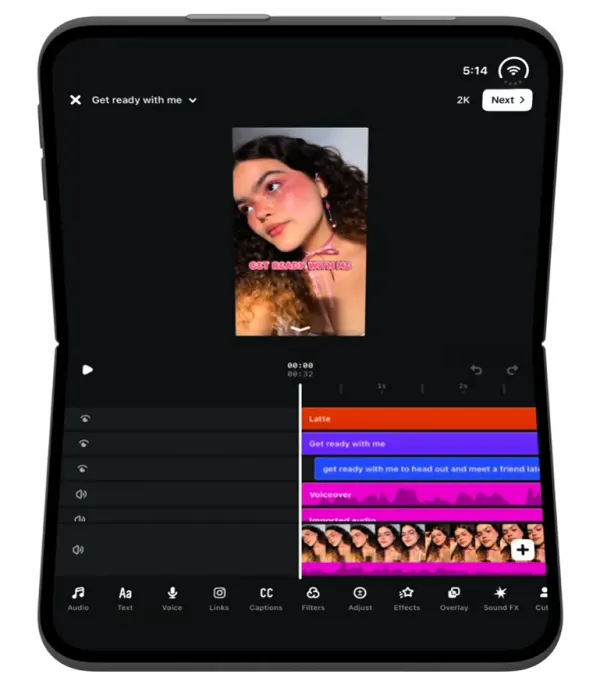
 Nana Muazin