admin
admin
In the competitive landscape of Software as a Service (SaaS) and digital platforms, the moment a user completes a sign-up form marks the beginning, rather than the conclusion, of the customer relationship. Industry data suggests that the average mobile application loses approximately 77% of its daily active users within the first three days of installation. This phenomenon, often referred to as the "onboarding gap," highlights a critical failure in moving users from initial curiosity to functional competence. To combat this, growth practitioners have refined the concept of the onboarding funnel—a tactical, multi-stage framework designed to move users toward "activation," the precise moment they perceive the product’s core value.

The onboarding funnel functions as a diagnostic and prescriptive tool, allowing businesses to map the behavioral path a user takes from their first login to becoming a habitual customer. Unlike the broader marketing funnel, which focuses on acquisition, the onboarding funnel is concerned with retention and product adoption. Every friction point, unnecessary field, or confusing interface element acts as a potential exit ramp, making the optimization of this funnel the single most effective lever for increasing a product’s lifetime value (LTV) and reducing customer acquisition costs (CAC).
The Anatomy of the Onboarding Funnel
A well-structured onboarding funnel is defined by its ability to measure progress through specific, high-intent stages. While individual product journeys vary, the framework generally adheres to a structured chronology.

The process typically begins with account setup, where the user establishes their workspace or profile. In a project management context, this involves naming a project or inviting team members. From there, the funnel moves into product education. This stage utilizes guided tours, interactive tooltips, or video tutorials to bridge the gap between logging in and taking meaningful action. The objective is to reduce the "time to value" (TTV), ensuring the user does not become overwhelmed by the platform’s complexity.
The most critical juncture in this journey is the activation event, often called the "Aha! Moment." This is the specific action that demonstrates the product’s utility. For a communication tool like Slack, this might be reaching a threshold of 2,000 messages sent within a team; for a design platform like Canva, it is the completion and export of a first design. Following activation, the funnel tracks core feature adoption and habit formation, where the user returns consistently, signaling that the product has successfully integrated into their daily or weekly workflow.
Quantifying the Impact: Supporting Data and Economic Context
The economic implications of a leaky onboarding funnel are profound. According to research from ProfitWell, users who experience a positive onboarding process are between 12% and 21% more likely to remain with a service after 60 days compared to those who do not. Furthermore, a 5% increase in customer retention can lead to a profit increase of 25% to 95%, as retaining existing users is significantly less expensive than acquiring new ones.
In the current market environment, where venture capital is increasingly focused on "capital efficiency" and "net revenue retention" (NRR), the onboarding funnel has moved from a product design concern to a boardroom priority. Companies that fail to activate users quickly find themselves on a "treadmill of churn," where they must constantly spend on marketing just to replace the users they are losing due to poor initial experiences.
A Chronological Case Study: The Canva Experience
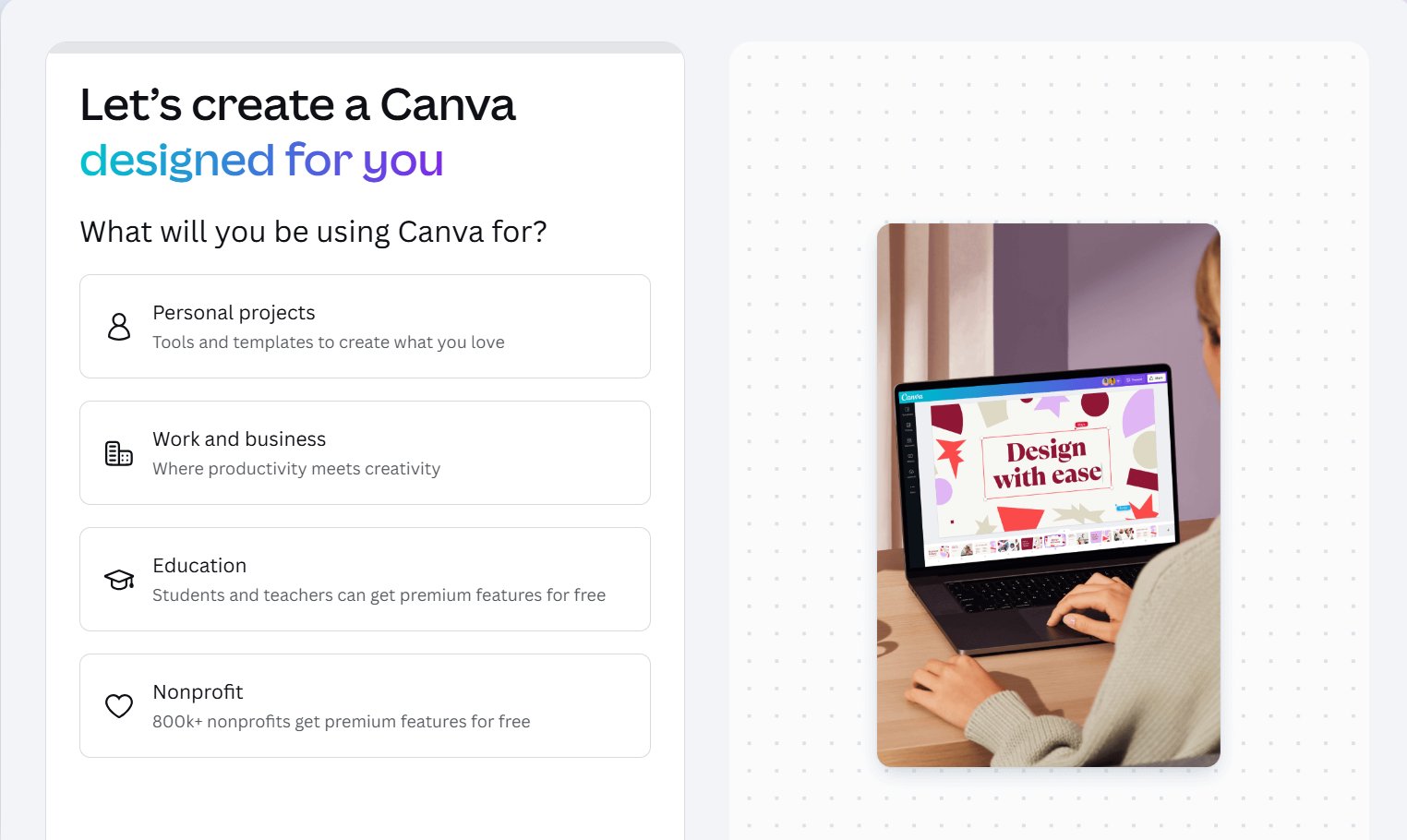
The design platform Canva provides a gold-standard example of an onboarding funnel that leverages personalization to drive activation. The journey begins with a segmentation question: "What will you be using Canva for?" By categorizing users as "Personal," "Work," or "Education," the platform immediately filters the experience, showing only relevant templates.
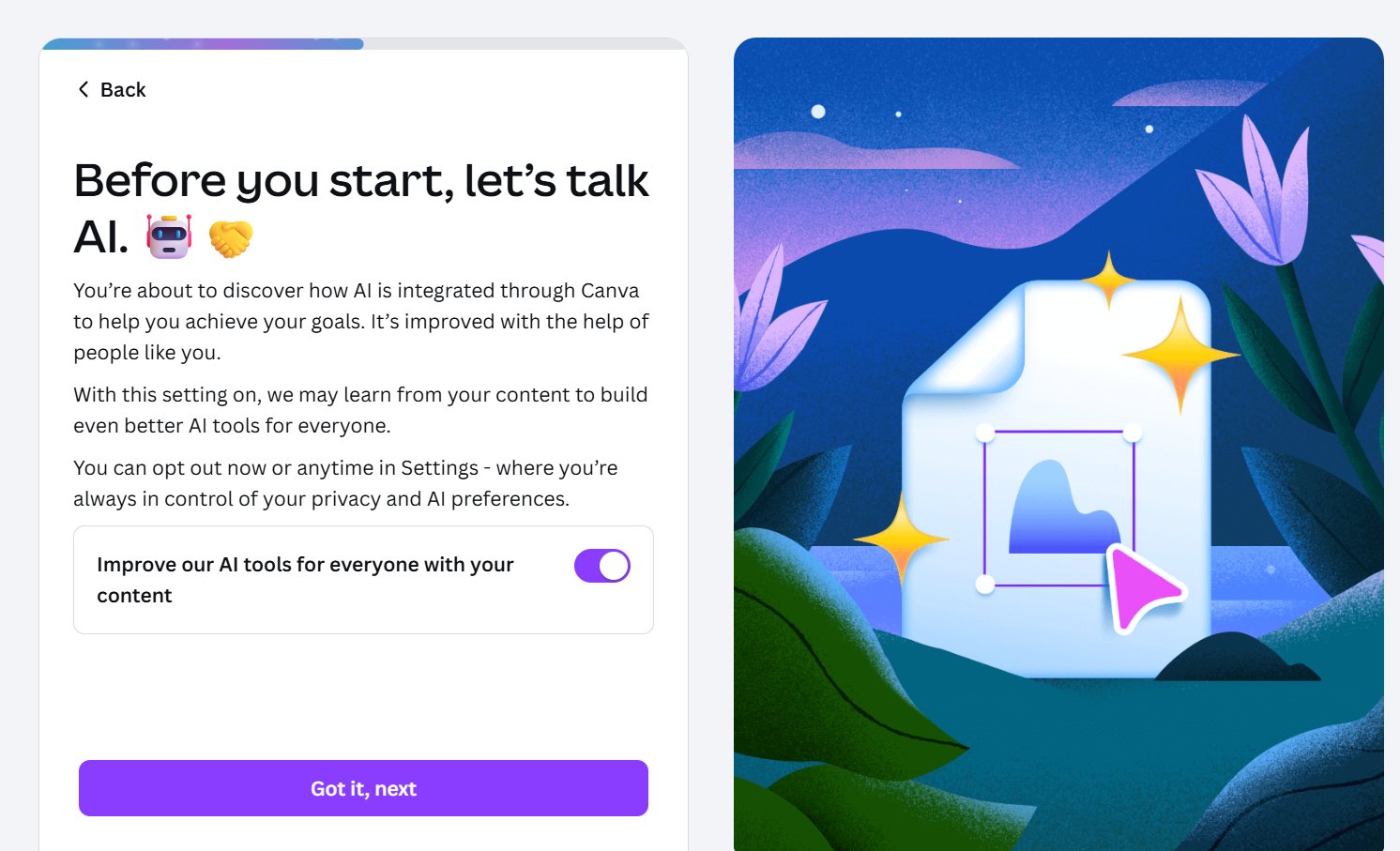
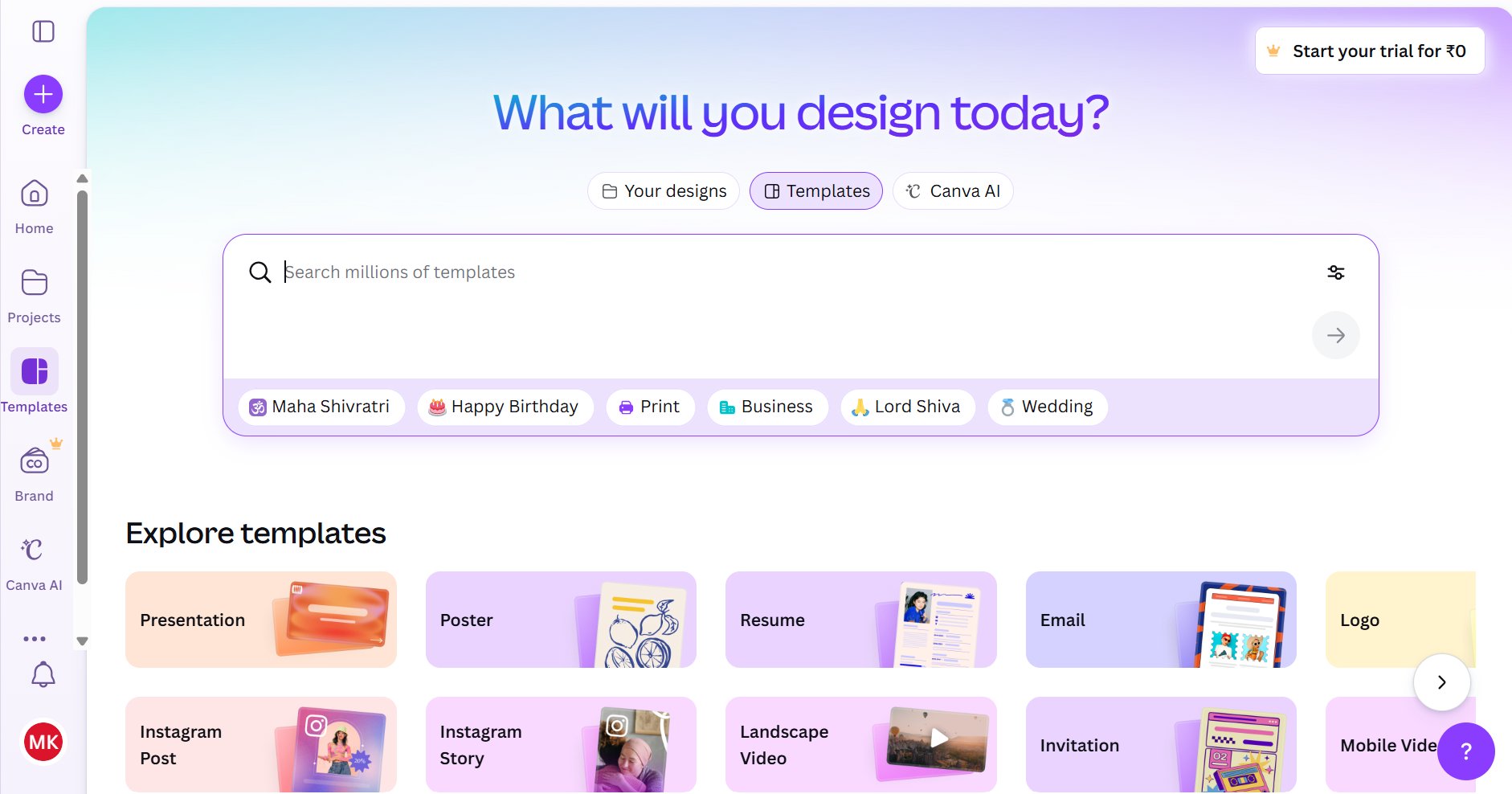
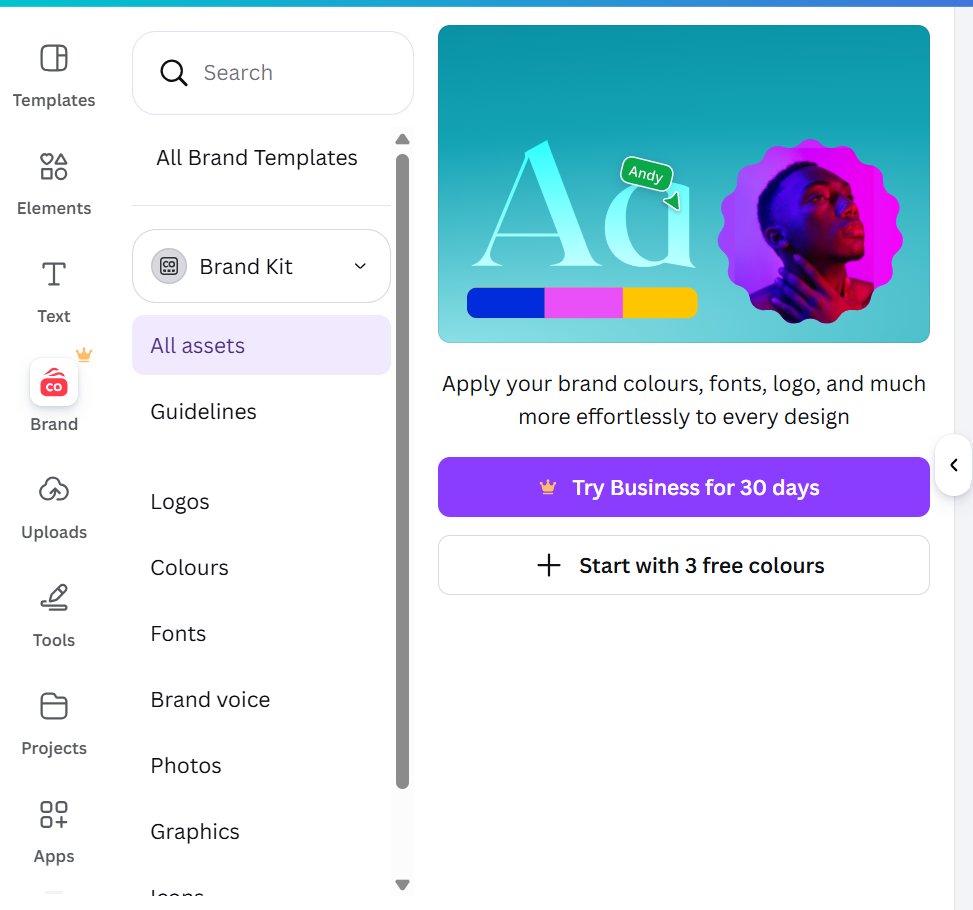
Following this setup, Canva employs a guided tour that introduces its AI integration and drag-and-drop interface. This leads directly to the activation event—the creation of a design. By providing millions of professional templates, Canva removes the "blank canvas" anxiety that often leads to drop-offs. The funnel concludes with habit formation, as users are prompted to save brand assets or try a "Business" subscription, transitioning them from free users to long-term assets.
Strategic Methodologies for Mapping the Path to Value
Mapping an onboarding funnel requires a reverse-engineering approach. Growth teams must first identify the "retention correlate"—the behavior that most closely aligns with long-term staying power. Once this activation goal is defined, the team works backward to identify every micro-action required to reach it.
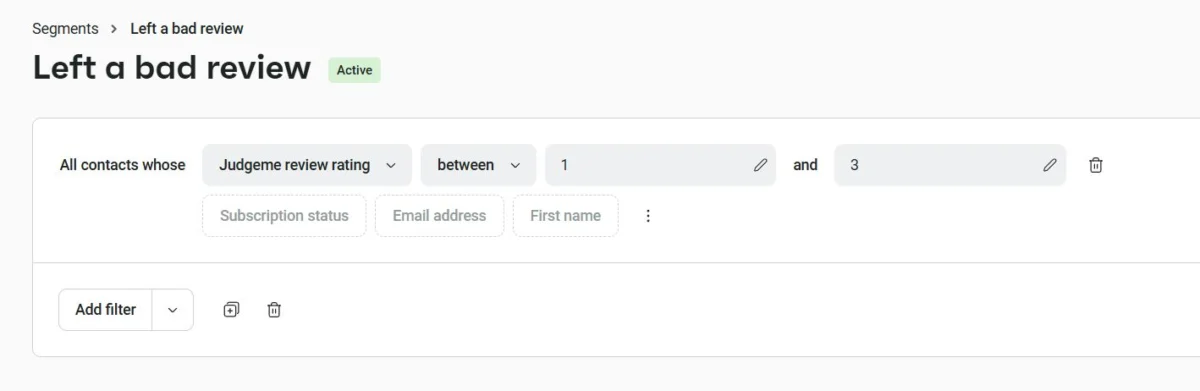
Segmentation is paramount in this process. A marketing manager seeking a high-level analytics dashboard has different needs than a data scientist looking for API documentation. Advanced segmentation allows companies to tailor the onboarding path based on user intent, device type, or referral source. Industry experts recommend using custom attributes to define role-based journeys, ensuring that each persona reaches their "Aha! Moment" without navigating irrelevant features.

Furthermore, identifying entry points is essential for interpreting drop-off data. Users arriving from a paid search ad for a specific solution often have higher urgency and lower patience than organic users who are "just browsing." Mapping these entry points allows teams to adjust the speed and depth of the onboarding content accordingly.
Analytical Frameworks: Diagnosing Friction Points
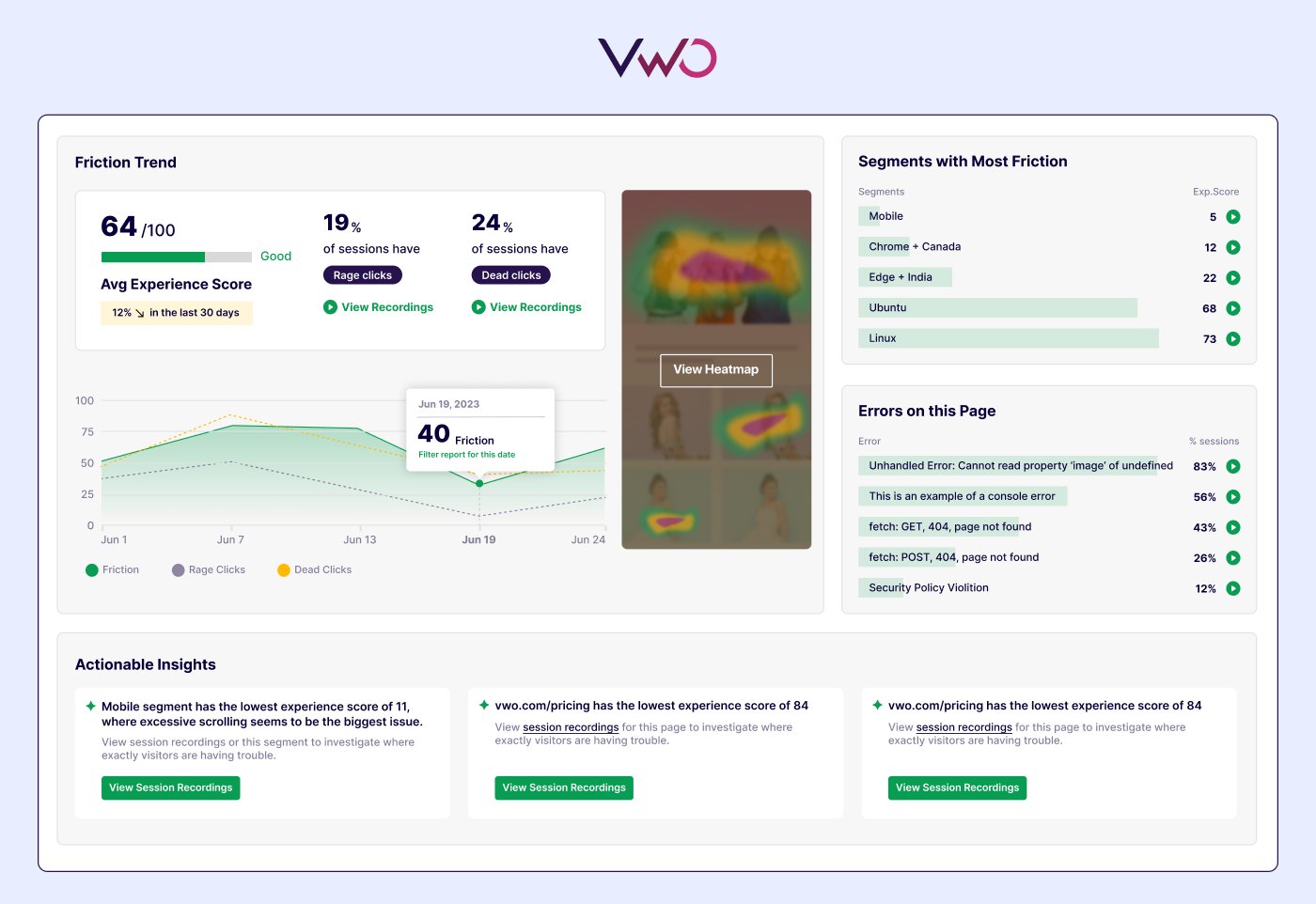
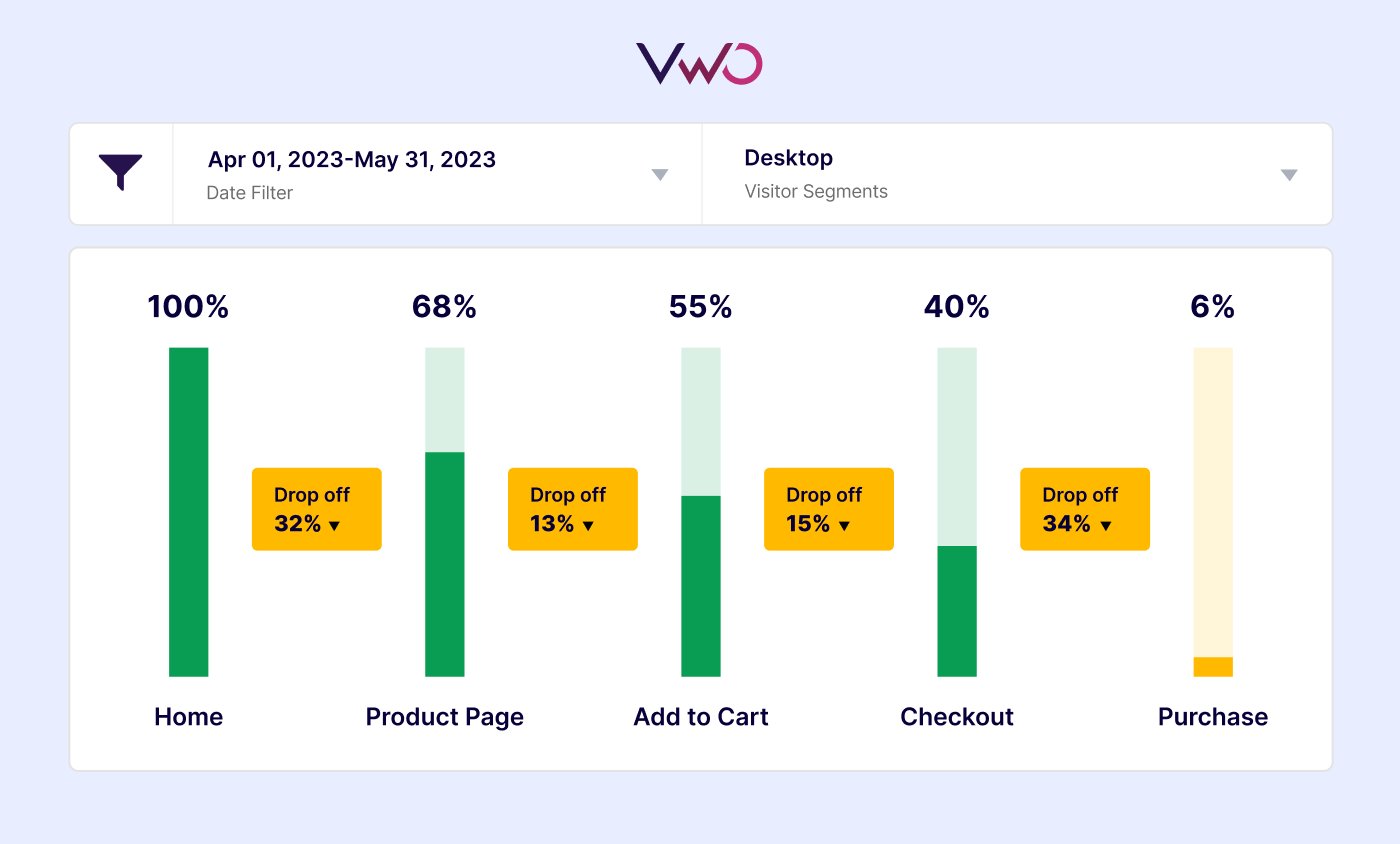
Once a funnel is mapped, the focus shifts to analysis. Quantitative data, provided by platforms such as VWO Funnels, identifies where the "leaks" are occurring. For example, if 80% of users sign up but only 20% complete the setup, the friction is located in the initial configuration.
However, quantitative data only tells part of the story. To understand the "why" behind the drop-offs, teams must employ behavioral insights. Heatmaps can reveal if users are clicking on non-interactive elements, while session recordings can show exactly where a user becomes confused and "rage clicks" or abandons the page.
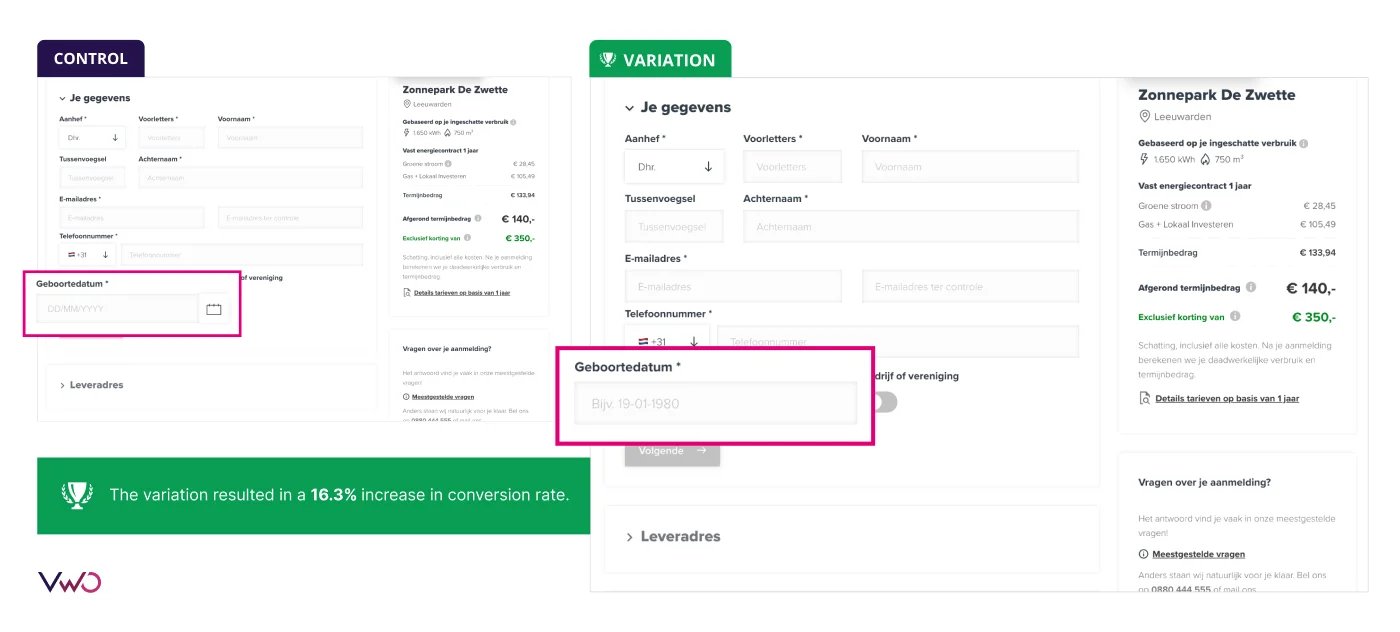
A notable instance of this was observed by the energy company Vandebron. Using behavioral analytics, they discovered that a single "date of birth" field in their sign-up form was causing significant friction. By simplifying the input method and validating the change through A/B testing, they achieved a 16.3% uplift in sign-ups. This illustrates that even minor usability issues can have a compounding negative effect on the entire funnel.
Optimization Strategies and Official Responses
Official responses from growth leaders emphasize the need for cross-functional alignment during the onboarding phase. David Isaac Mathews, a prominent Chief Growth Officer, notes that activation is the most crucial point for improving conversion because it enhances the performance of all subsequent phases. He argues that as startups scale, departments often operate in silos, leading to a fragmented user experience that stalls momentum.
Another example of systematic optimization is found in the legal-tech platform AURUM. Their product, Astrea, initially had an onboarding process that required 48 hours to process a user’s first legal clipping. This delay created a "dead zone" where early user enthusiasm vanished. By experimenting with the workflow and providing a faster, more guided experience, AURUM achieved a 105% lift in activation and a 300% increase in overall activation growth.
The Evolving Landscape: AI and Hyper-Personalization
Looking toward 2026 and beyond, the onboarding funnel is expected to become increasingly dynamic. The rise of generative AI allows for "just-in-time" onboarding, where the interface adapts in real-time to a user’s specific actions and struggles. Predictive analytics can now flag users who are "at risk" of churning before they even leave the platform, triggering automated interventions such as personalized emails or in-app assistance.
The broader implication of these advancements is a shift from "onboarding as a sequence" to "onboarding as a dialogue." The most successful products will be those that treat the initial user experience not as a fixed tutorial, but as a responsive system that learns and evolves with the user’s needs.
Best Practices for Sustainable Growth
To build a reliable onboarding engine, organizations should adhere to several evidence-based best practices:
- Eliminate Non-Essential Steps: Every field in a sign-up form should be scrutinized. If the data isn’t needed for the activation event, it should be collected later.
- Utilize Progress Indicators: Psychologically, users are more likely to complete a task if they can see how much progress they have made.
- Implement Empty States: Instead of showing a blank dashboard, use "empty states" to guide the user toward their first action.
- Offer "Skip" Options: For power users, forced tutorials can be a source of frustration. Providing an exit path ensures they can reach value at their own pace.
- Continuous Experimentation: Onboarding is never "finished." Regular A/B testing of copy, design, and sequence is required to maintain peak performance.
In conclusion, the onboarding funnel is the bridge between a user’s initial curiosity and their long-term commitment. By mapping the journey with precision, analyzing drop-offs with behavioral data, and validating every change through experimentation, businesses can transform their onboarding process into a predictable engine for growth and retention. In an era where user attention is the most scarce resource, the ability to deliver value quickly and clearly is the ultimate competitive advantage.