Split URL testing, often referred to as redirect testing, has emerged as a cornerstone of modern conversion rate optimization (CRO) and digital product development. While traditional A/B testing remains effective for minor adjustments—such as altering a call-to-action color or refining a headline—split URL testing is the preferred methodology for high-stakes architectural changes, comprehensive redesigns, and backend migrations. As digital landscapes become increasingly complex, the ability to compare two or more distinct versions of a webpage hosted on different URLs has become a vital skill for data-driven organizations.

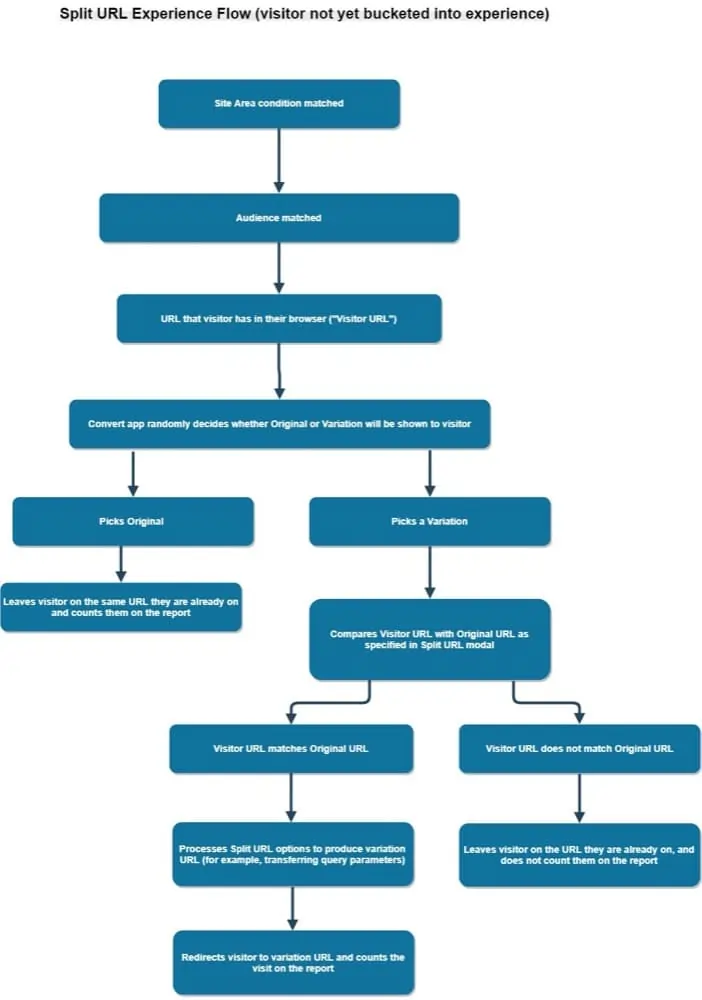
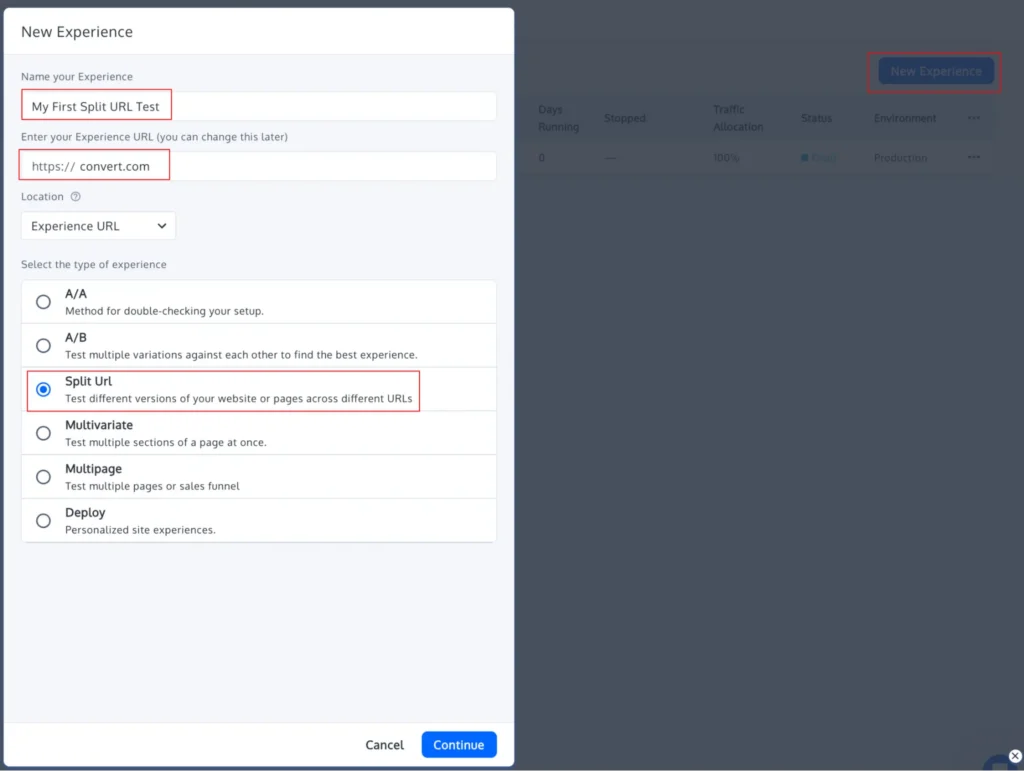
The fundamental distinction between A/B testing and split URL testing lies in the delivery mechanism. In a standard A/B test, the original page and its variations coexist on the same URL; the testing software modifies the Document Object Model (DOM) in real-time as the page loads. Conversely, a split URL test directs traffic from an original URL to a completely separate destination URL for the variation. This approach eliminates the “flicker effect”—a common issue where the original content is briefly visible before the variation loads—and allows developers to test entirely different page structures or tech stacks without being limited by the constraints of a visual editor.
The Strategic Framework: Choosing the Right Methodology
Deciding between A/B testing and split URL testing requires an understanding of the scope of the intended changes. Industry experts, including Marcella Sullivan, a prominent CRO strategist, suggest that element-level improvements—such as headlines, trust signals, or form layouts—are best suited for A/B testing. This provides a “cleaner read” on which specific element influenced user behavior.
However, when an organization is questioning its entire strategic approach, split URL testing becomes necessary. This is particularly true for full-page redesigns, testing different user journeys, or evaluating the performance of a new Content Management System (CMS). Daphne Tideman, a growth advisor, notes that split URL testing is essential for backend-focused experiments, such as assessing page load speeds across different tech stacks. Furthermore, as “vibe coding” and rapid AI-assisted development become more prevalent, the industry is seeing a significant shift toward testing entire page iterations rather than isolated components.
Technical Execution: The Chronology of a Split URL Experiment
A successful split URL test follows a rigorous chronological path to ensure data integrity and actionable insights. This process begins long before the first visitor is redirected.
Phase 1: Hypothesis and AI Integration
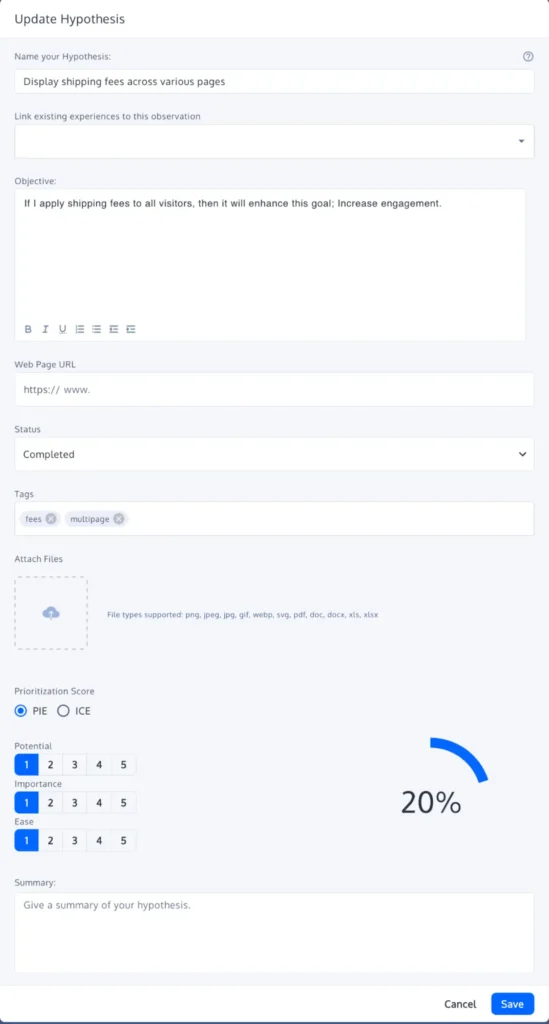
The foundation of any experiment is a solid hypothesis. Modern practitioners are increasingly utilizing AI tools like ChatGPT, Claude, and Perplexity to synthesize research and surface patterns from session data. However, Ben Labay, CEO of Speero, cautions that AI-generated insights must be filtered. Teams should distinguish between behavior-based insights and opinion-based speculation to avoid building experiments on shaky logical foundations.
Phase 2: Statistical Power and Sample Size
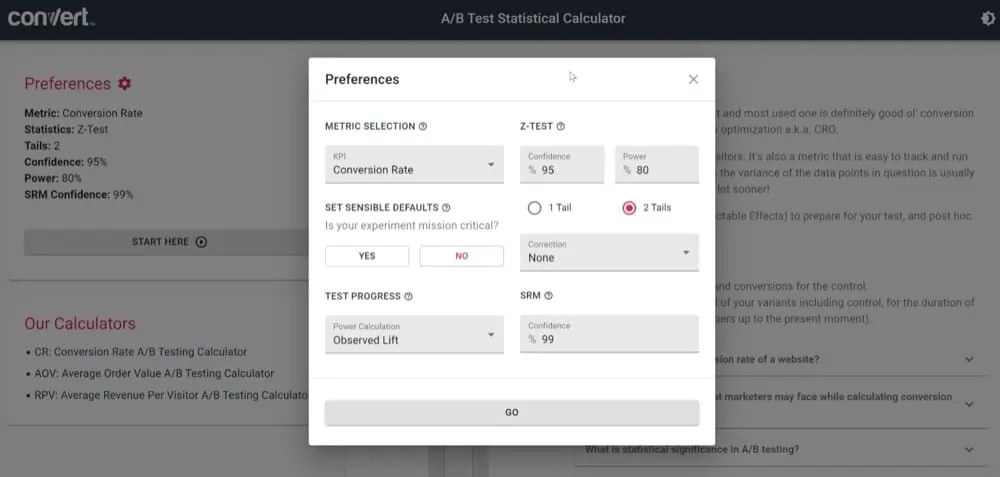
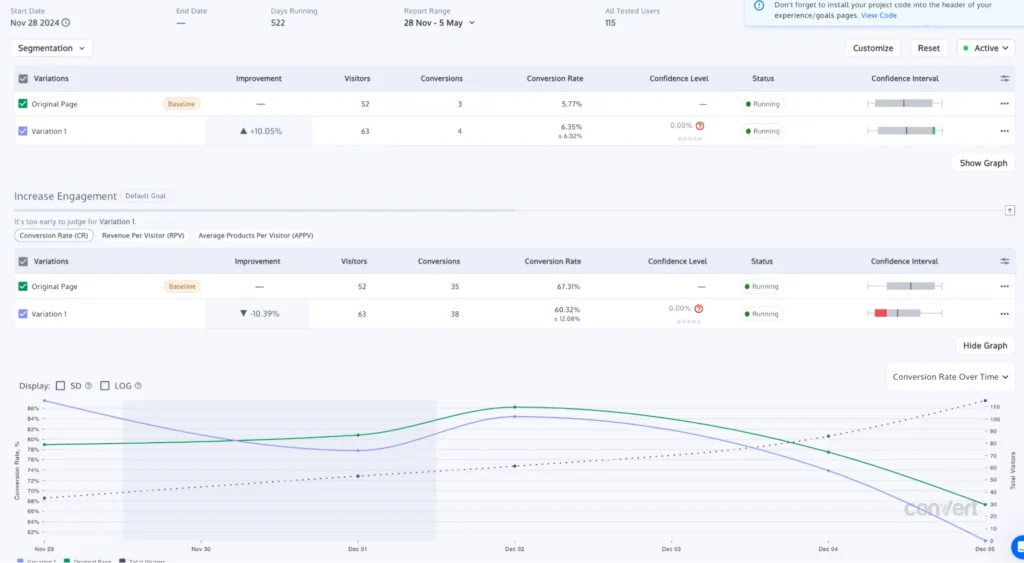
To ensure results are not the product of random chance, practitioners must determine the necessary sample size before launching. Statistical significance, typically targeted at 90% to 95%, establishes the degree of certainty regarding the test’s outcome. Using calculators to input anticipated conversion rates and traffic volumes prevents the common mistake of “peeking” at data too early or ending tests before they reach mathematical validity.
Phase 3: Variation Development and Hosting
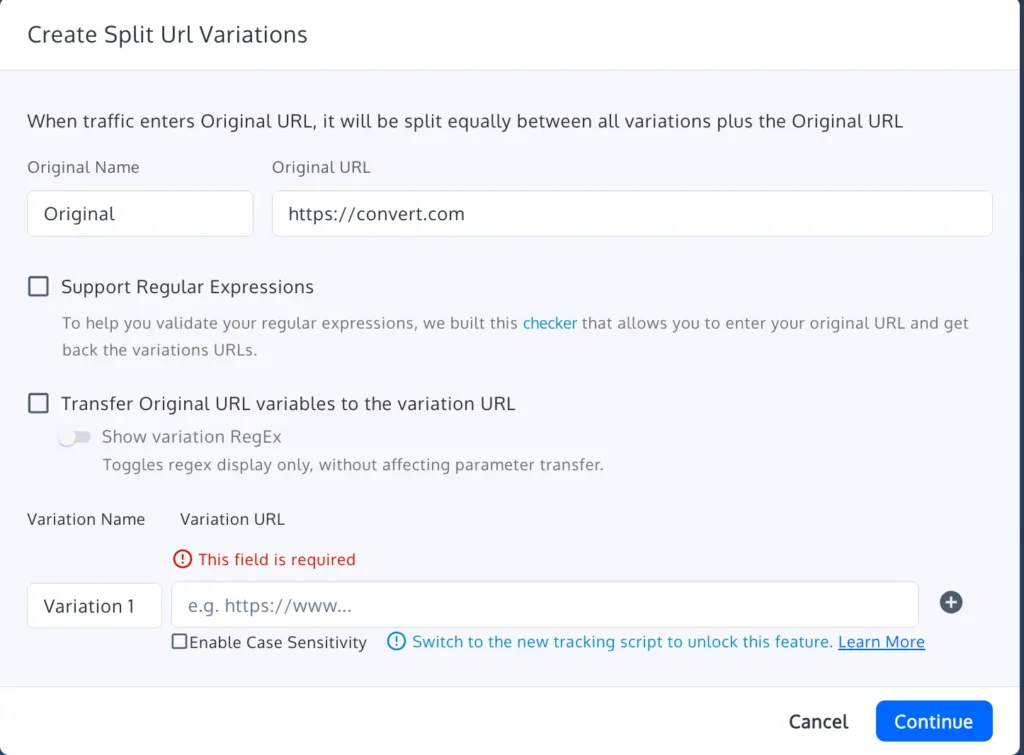
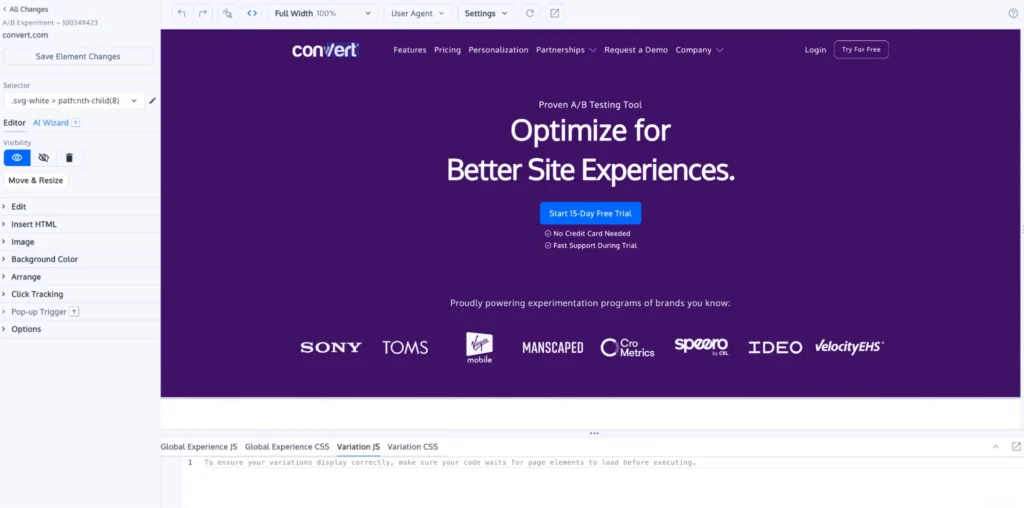
Unlike A/B tests, which can often be created within a testing tool’s visual editor, split URL variations must be designed and hosted externally. Johann Van Tonder of AWA Digital highlights the use of “Codex” and “Magic Patterns” to rapidly iterate on these designs. Once the variations are built, they are hosted on publicly accessible URLs, ready for the testing platform to distribute traffic.
Phase 4: Traffic Distribution and URL Parameters
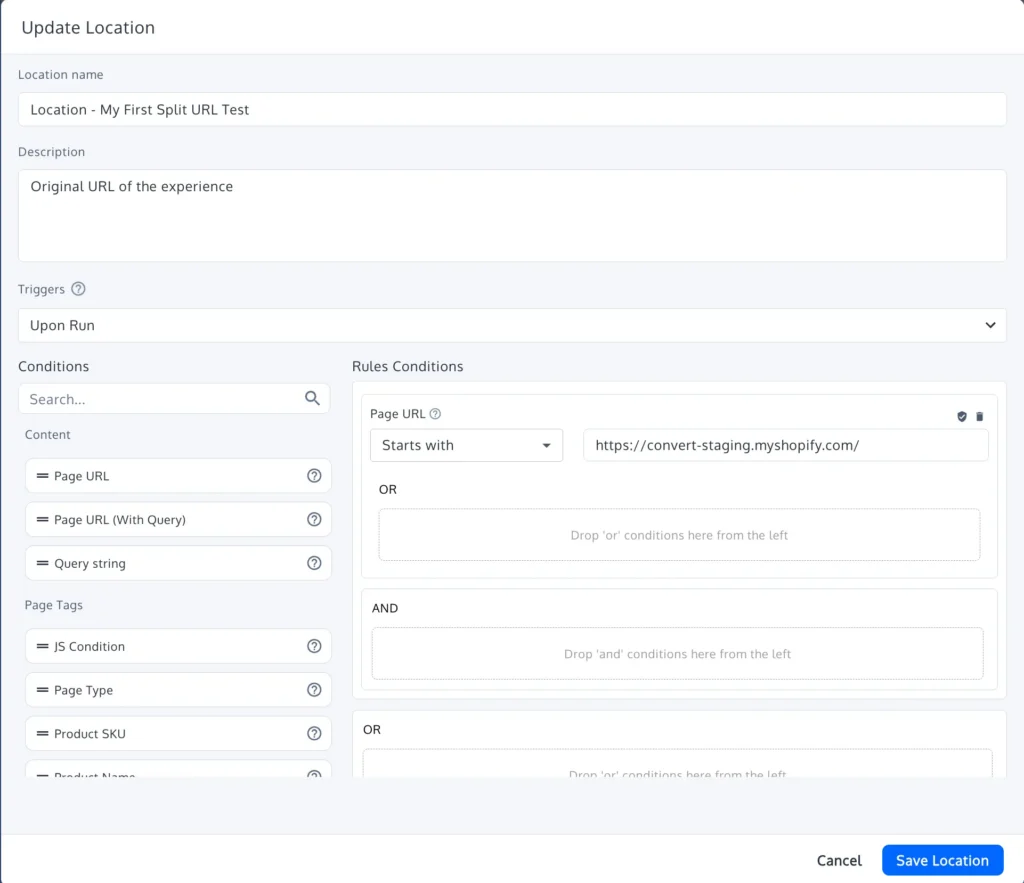
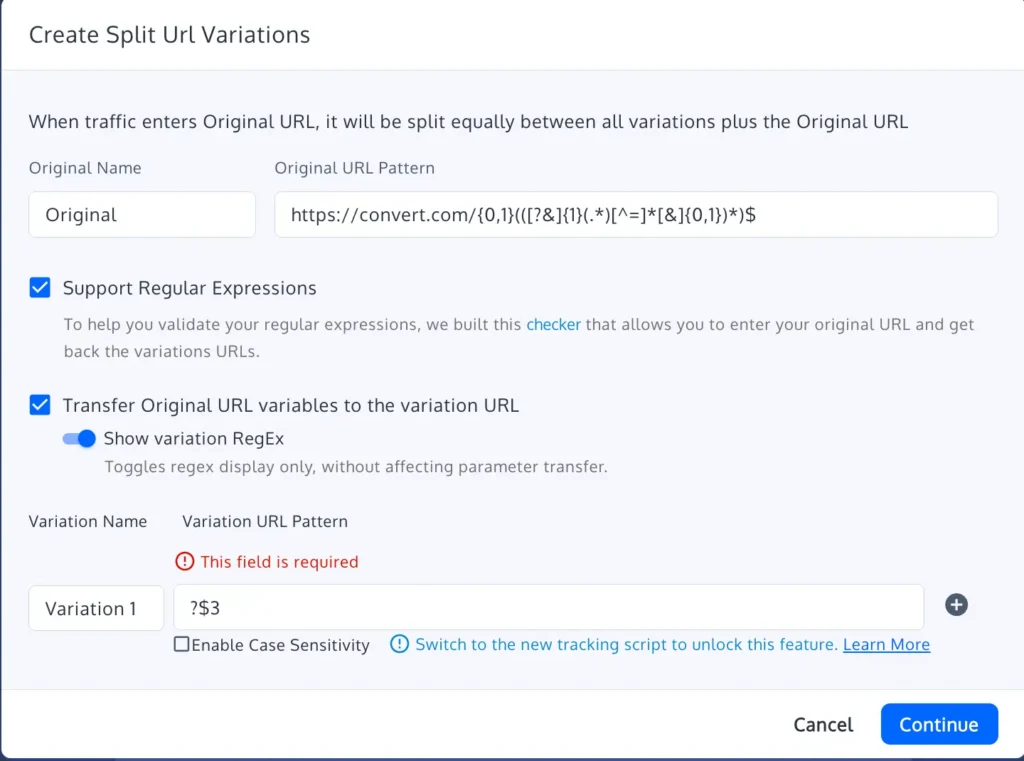
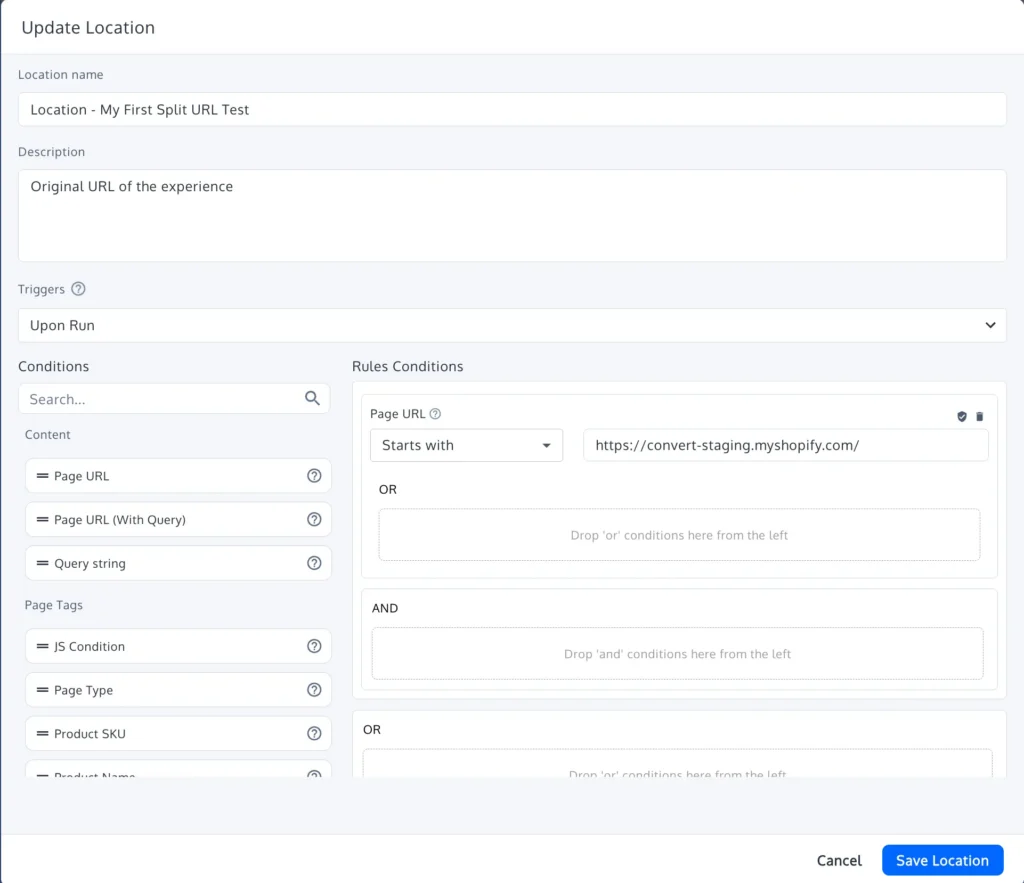
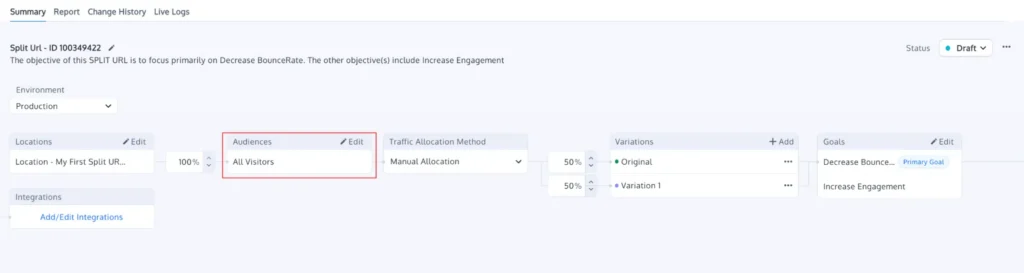
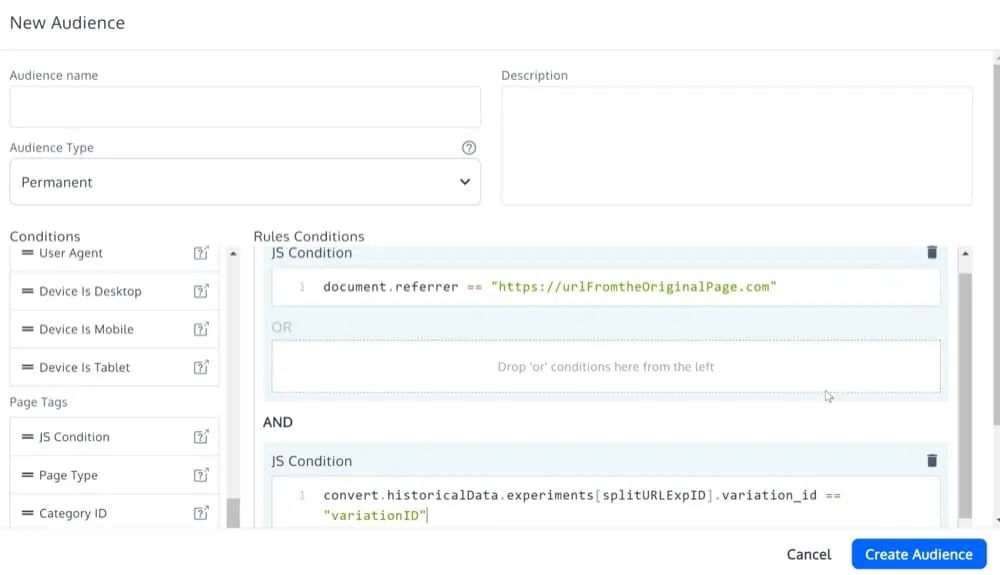
Advanced configurations are often required to maintain marketing attribution and user experience. For instance, if a visitor arrives via a Google Ads campaign with specific tracking parameters, the testing tool must be configured to “transfer” those variables to the variation URL. This is frequently achieved through Regular Expressions (Regex), ensuring that everything following the question mark in a URL is appended to the redirect destination.
Advanced Implementation: Hybrid and Multipage Testing
The evolution of experimentation has led to “hybrid” models, where split URL testing is combined with deployment features. In a hybrid experiment, a practitioner might use a split URL test to direct a user to a new page architecture, and then use a “Deploy” feature or a Visual Editor to apply specific stylistic personalizations to that new page based on the visitor’s segment.
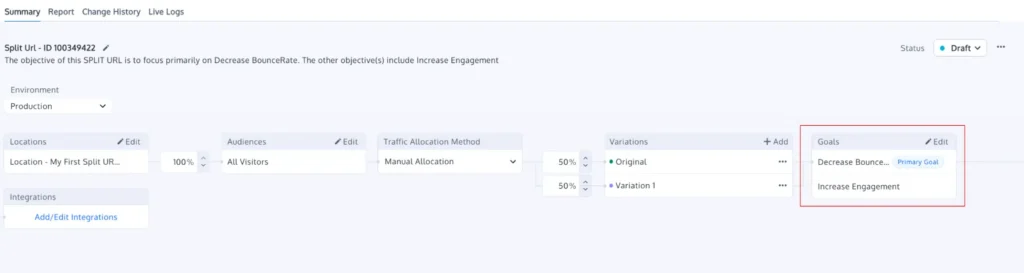
Furthermore, multipage split URL testing allows organizations to test entire funnels. In this scenario, a visitor bucketed into a “Variation” group at the homepage will consistently see variation versions of the product pages, cart, and checkout. This consistency is vital for maintaining a seamless user experience and ensuring that behavioral data across the entire funnel is attributed to the correct experiment group.
Data Integrity and the Sample Ratio Mismatch (SRM)
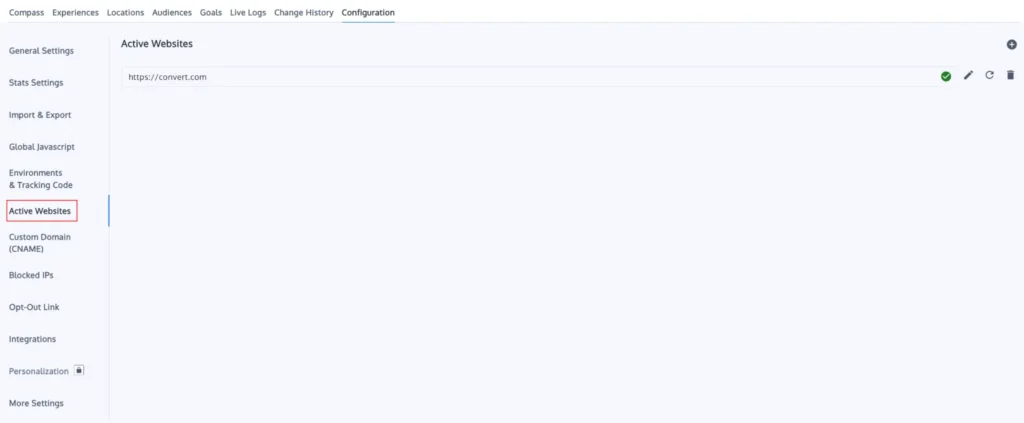
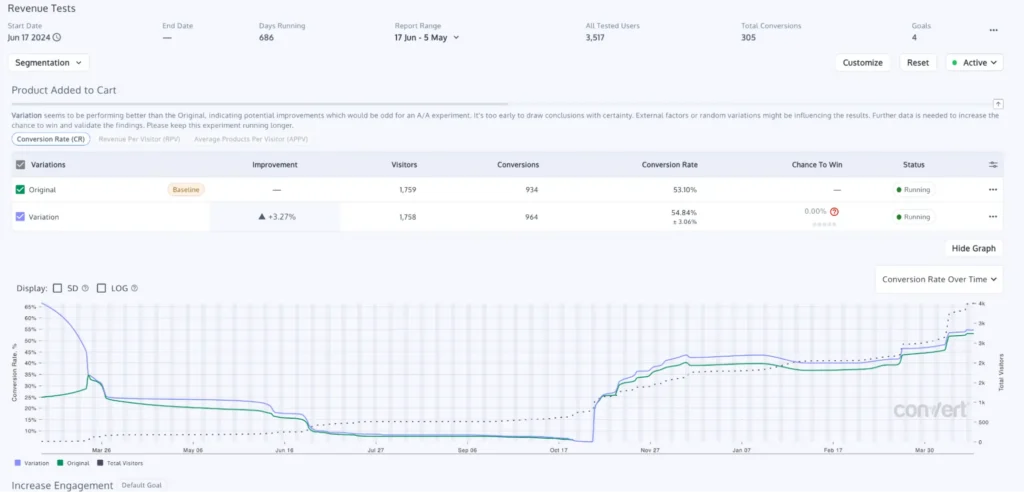
One of the most critical threats to experiment validity is Sample Ratio Mismatch (SRM). SRM occurs when the actual traffic distribution between the original and the variation deviates significantly from the intended split (e.g., a 50/50 configuration resulting in a 60/40 actual split).
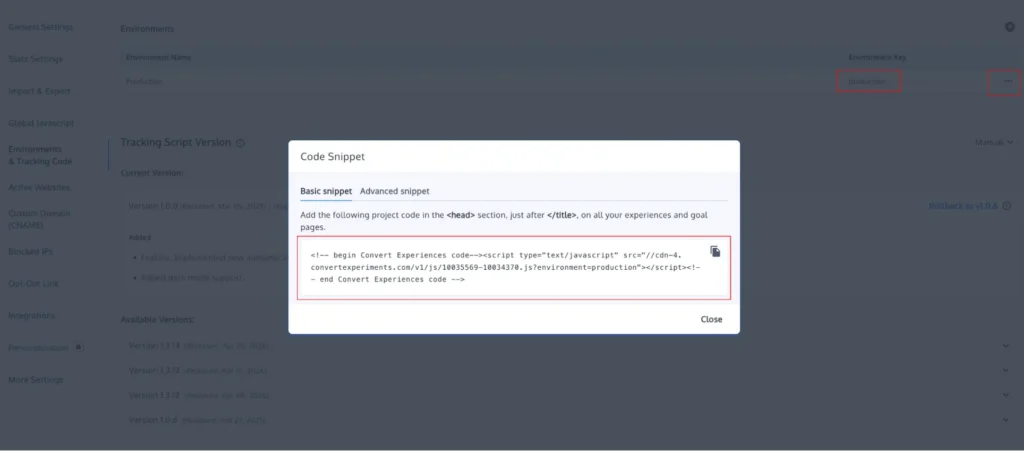
SRM is often a symptom of underlying technical issues, such as:

- Script Omission: The tracking code is missing from one of the variation pages.
- Bot Interference: Unusual user agents or bots targeting one specific URL more than others.
- Targeting Conflicts: Overlapping rules that cause certain visitors to be excluded from one branch of the test.
- Redirect Loops: Poorly configured logic where a variation links back to an original page that is set to redirect, creating an infinite loop.
Modern platforms now include SRM detection alerts, which use Chi-square goodness-of-fit tests to flag statistically improbable traffic distributions. When SRM is detected, the results of the experiment should be considered unreliable until the root cause is identified and rectified.
SEO Considerations and Search Engine Compliance
A common concern regarding split URL testing is the potential for SEO penalties related to duplicate content. Google and other search engines are generally supportive of testing, provided it is not used for “cloaking” (showing different content to search engines than to users to manipulate rankings).
To maintain SEO health, practitioners should adhere to three primary standards:
- Rel=”canonical” Tags: Variation pages should include a canonical tag pointing back to the original URL. This informs search engine crawlers that the original page is the authoritative version and prevents the variation from competing in search results.
- 302 Redirects: Temporary (302) redirects should be used instead of permanent (301) redirects. This tells search engines that the redirect is only for a limited time and that they should keep the original URL indexed.
- Duration Management: Tests should only run as long as necessary to reach statistical significance. Once a winner is determined, the site should be updated to the winning version, and the redirects should be removed.
Broader Impact and Industry Implications
The rise of split URL testing reflects a broader shift in the digital economy toward “evidence-based” product management. According to industry data, organizations that embrace rigorous experimentation see significantly higher conversion rates and customer retention compared to those that rely on intuition-driven design.
The implications extend beyond marketing. Split URL testing is increasingly used by DevOps teams to perform “canary releases,” where a small percentage of traffic is directed to a new software version to monitor for bugs before a full rollout. This convergence of marketing experimentation and technical deployment underscores the critical nature of the methodology.
In conclusion, split URL testing is an indispensable tool for the modern digital enterprise. By allowing for deep architectural changes, providing a flicker-free user experience, and supporting complex funnel analysis, it enables brands to innovate with confidence. However, the complexity of its execution—from Regex configuration to SRM monitoring and SEO compliance—requires a disciplined, technical approach. As AI and automated development continue to accelerate the pace of web changes, the mastery of split URL testing will remain a defining characteristic of successful, data-centric organizations.


 Dwi Wanna
 Reynand Wu