
 rifanmuazin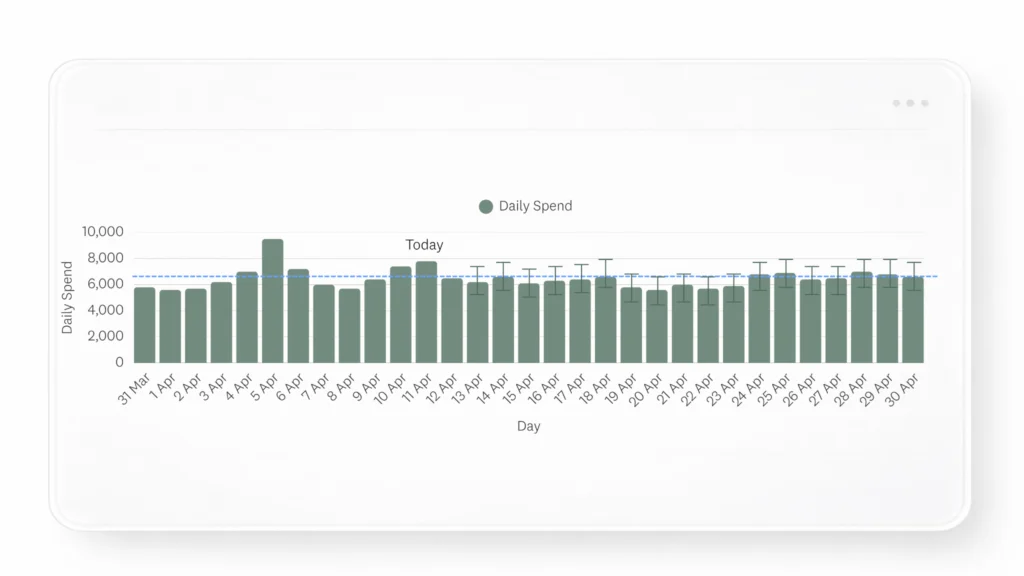
Most Pay-Per-Click (PPC) managers approach budget adjustments with a seemingly straightforward methodology: increase spend to drive more sales, decrease it to conserve resources. However, the intricate ecosystem of Google Ads operates with a far more nuanced and often less predictable reality. The system’s response to budget modifications is not instantaneous but rather a gradual learning process, where every edit imparts new information, potentially leading to significant cost implications if mismanaged. This comprehensive guide aims to demystify the actual mechanics of budget changes within Google Ads, offering specialists a data-driven approach to optimize their campaigns without resorting to guesswork.
Understanding Google Ads Pacing: Beyond the Dial
At its core, pacing refers to how Google Ads intelligently distributes a campaign’s daily budget throughout the day, week, and month to achieve predefined performance targets. Two fundamental aspects of this process are frequently overlooked:
Firstly, the daily budget is not a rigid ceiling but rather a target. Google Ads is designed to have the flexibility to spend up to twice the daily budget on any given day. This overspending is then meticulously self-corrected over the remainder of the month, ensuring that the total expenditure remains within approximately 30.4 times the daily budget. This mechanism allows the platform to capitalize on periods of higher user activity and conversion potential, even if it means exceeding the immediate daily allocation.
Secondly, and crucially, the true financial constraint is the monthly spend limit. This overarching figure is what the algorithm actively protects, rather than the daily budget figure that is prominently displayed in the user interface. Recognizing this distinction is key to understanding the seemingly erratic "pacing weirdness" that can occur. For instance, a campaign reporting $180 in spend on a particular day, despite having a $100 daily budget, is not indicative of a system error but rather a normal pacing behavior.
This dynamic underscores the importance of viewing daily budgets as guideposts rather than immutable boundaries. The algorithm’s primary objective is to maximize performance within the monthly financial parameters, employing strategies that might involve front-loading spend when opportunities are ripe.
The Immediate Impact of Budget Modifications
The moment a budget edit is implemented in Google Ads, a complex interplay of system processes is initiated, the full implications of which are not always transparent to advertisers. While not constituting a complete reset of the campaign’s learning phase, these adjustments can introduce sufficient turbulence to cause significant fluctuations in Cost Per Acquisition (CPA). For many accounts, this volatility can manifest as a 15% to 30% deviation in CPA for a period ranging from three to seven days following the change. This temporary instability is a direct consequence of the system recalibrating its bid strategies, targeting parameters, and ad delivery schedules in response to the new budgetary directive.
Performance Pitfalls: Identifying Detrimental Budget Changes
While budget adjustments are a necessary part of campaign management, certain patterns have consistently been observed to negatively impact campaign performance. Through the analysis of several hundred restructured accounts, two primary detrimental patterns have emerged:
-
Rapid Reversals: Frequently changing budgets in opposing directions within a short timeframe, specifically within a seven-day window, is a primary cause of performance degradation. The rule of thumb advocated by experienced professionals is to maintain a consistent direction. If a budget was increased, it should either remain elevated or be held steady. Conversely, if a budget was decreased, subsequent adjustments should also be downward or involve holding the current level. This consistent directionality allows the algorithm to settle into a predictable pattern and avoid the confusion that rapid shifts can induce.
-
Drastic Fluctuations: Making excessively large budget changes, either increases or decreases, can also disrupt the delicate equilibrium of a campaign. Such abrupt shifts can overwhelm the system’s ability to adapt smoothly, leading to suboptimal ad delivery and bidding strategies. Gradual, incremental adjustments are generally more conducive to sustained performance.
These findings highlight that the how and when of budget changes are as critical as the what. A structured, deliberate approach is paramount to preserving campaign efficiency and preventing unintended consequences.
Strategies for Uninterrupted Performance During Budget Adjustments
To navigate the complexities of budget management in Google Ads without compromising campaign performance, a refined protocol has been developed, proven effective across diverse campaign types including Performance Max, Shopping, and Search campaigns. This protocol emphasizes a methodical and data-informed approach:
- Incremental Adjustments: When increasing budgets, opt for small, incremental rises, typically no more than 10-20% at a time. This allows the system to absorb the change gradually and adapt its delivery without significant disruption.
- Allow Learning Time: Crucially, allow at least three to seven days for the campaign to stabilize and demonstrate the impact of any budget change before making further modifications. Rushing subsequent edits can exacerbate any initial negative impact.
- Consistent Directionality: As previously emphasized, avoid reversing budget changes within a seven-day period. Maintain a clear upward or downward trajectory, or a period of holding steady, to provide the algorithm with consistent signals.
- Consider Lifetime Budgets for Flighted Campaigns: For campaigns with a defined duration, such as seasonal promotions or product launches, utilizing lifetime budgets can offer greater control and predictability. This approach allows you to set a total spend limit for the campaign’s entire duration, empowering Google’s automation to pace the spend optimally across the flight.
- Monitor Performance Metrics: Continuously track key performance indicators (KPIs) such as CPA, ROAS (Return on Ad Spend), conversion rate, and impression share. This data will provide early indications of whether a budget change is having the desired effect or is causing unintended consequences.
- Contextualize Budget Changes: Always make budget adjustments in the context of broader campaign goals, market conditions, and seasonality. A budget increase during a peak season might be expected to yield better results than during an off-peak period.
- Document Changes: Maintain a detailed log of all budget changes, including the date, the amount of the change, and the rationale behind it. This documentation is invaluable for post-campaign analysis and for troubleshooting performance issues.
By adhering to these principles, advertisers can foster a more stable and predictable environment for their Google Ads campaigns, leading to more reliable performance outcomes.
Navigating the Monthly Cap Trap
A prevalent yet often misunderstood aspect of Google Ads budget management is the "monthly cap trap." If a campaign has exceeded its pacing early in the month, the system will silently throttle its spend in the final week, even if the daily budget remains unchanged. This manifests as the "limited by budget" label appearing. It is crucial to understand that this is not an indicator of a broken campaign but rather the system’s mechanism for adhering to the pre-defined monthly spend limit.

This situation is frequently the root cause of panic among specialists, leading them to prematurely pause campaigns that were, in fact, performing effectively. Before taking any drastic action, advertisers should meticulously review the campaign’s lifetime spend against its monthly maximum. If the campaign is approaching its cap, the appropriate solution is a permanent increase to the daily budget, not a temporary pause. Failing to address the underlying monthly limit will inevitably lead to repeated throttling and missed opportunities.
The Strategic Advantage of Lifetime Budgets
Lifetime budgets, also referred to as campaign total or flighted budgets, offer a powerful alternative to traditional daily budget management. Instead of committing to a fixed daily spend, advertisers can allocate a total budget for the entire duration of a campaign’s run. This feature is particularly beneficial for campaigns with a defined operational window, such as seasonal promotions, product launches, event-driven marketing efforts, or any activity tied to a finite timeframe where the overall investment is more critical than the daily expenditure rhythm.
With lifetime budgets, advertisers specify the start date, end date, and the total investment they are prepared to make. Google’s intelligent automation then manages the pacing of this spend across the campaign’s flight. This approach allows the system to dynamically allocate more resources to days and moments with higher performance potential while conserving spend during less opportune periods.
The primary advantage lies in the convergence of control and automation. Advertisers establish a definitive upper spending limit, providing financial and planning teams with the certainty they require. Simultaneously, Google’s automation takes over the intricate task of pacing, freeing advertisers from the burden of micromanaging daily budgets and second-guessing optimal spend levels on specific days. This allows for a greater focus on strategic decision-making that directly impacts campaign success.
Seven Commonly Overlooked Pacing Considerations
Beyond the fundamental mechanics, several nuanced aspects of Google Ads budget pacing are frequently overlooked by even experienced professionals. A deeper understanding of these elements can significantly enhance campaign optimization:
-
Seasonality and External Factors: External events, holidays, and seasonal trends can dramatically influence user behavior and search volume. These factors must be considered when setting and adjusting budgets, as they can impact the optimal pacing strategy. For instance, a budget that is sufficient during an off-peak period may prove entirely inadequate during a peak season.
-
Ad Scheduling Impact: The effectiveness of budget pacing is closely tied to ad scheduling. If ads are only running during specific hours or days, the available spend must be concentrated within those periods. Misaligned ad schedules can lead to budget being "wasted" during times when ads are not eligible to show.
-
Bid Strategy Alignment: The chosen bid strategy (e.g., Target CPA, Maximize Conversions, Target ROAS) profoundly influences how the budget is utilized. A budget increase might not yield proportional results if the bid strategy is not adequately calibrated to take advantage of the increased spend.
-
Geographic and Demographic Targeting: The distribution of spend across different geographic locations or demographic segments can impact overall pacing. If certain segments are experiencing high demand or conversion rates, the budget may need to be strategically allocated to capitalize on these opportunities.
-
Audience Performance Fluctuations: Audience performance can change over time due to evolving user interests, competitive landscape shifts, or external events. Monitoring audience-specific performance metrics is crucial for ensuring that budget is being directed towards the most responsive groups.
-
The Role of Conversion Lag: Conversions often have a "lookback window" or a delay between the ad click and the actual conversion. Understanding this conversion lag is vital for accurately assessing the immediate impact of budget changes. A budget increase might not immediately reflect in reported conversions due to this inherent delay.
-
Account Structure and Campaign Hierarchy: The way accounts and campaigns are structured can influence budget pacing. Budgets set at the campaign level are subject to the individual campaign’s performance and pacing, while shared budgets can offer more flexibility across multiple campaigns but require careful management to ensure optimal allocation.
The Relationship Between Advertiser and Algorithm
Ultimately, Google Ads pacing should be viewed not as a control panel to be manipulated but as a relationship to be nurtured. Every budget edit serves as a communication to the algorithm, providing it with new instructions and feedback. Small, confident, and consistently directed adjustments have consistently proven more effective than large, reactive changes.
By treating the budget as a strategic instruction rather than a mere lever, advertisers can foster a more stable and predictable advertising environment. This nuanced understanding and application of budget pacing principles are essential for overcoming the challenges of Google Ads and achieving sustained, efficient campaign performance. The perceived "noise" often attributed to the platform can, in fact, be the result of misinterpreting or mismanaging the fundamental principles of its automated systems.










