

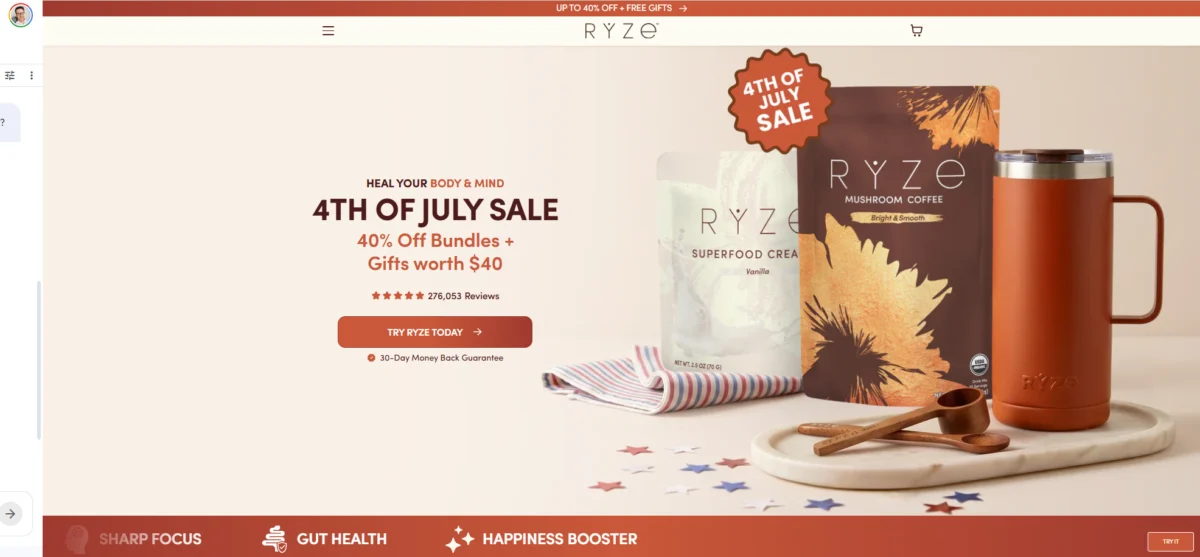
The digital marketplace has evolved into a highly competitive landscape where the difference between a successful sale and a bounced visitor often hinges on a single, focused web destination known as the e-commerce landing page. Unlike a traditional homepage or a standard product detail page, an e-commerce landing page is a standalone environment engineered for a singular marketing objective. It serves as the primary destination for users arriving from targeted external sources, such as paid search advertisements, social media campaigns, promotional emails, or influencer referrals. By narrowing the scope of the user’s journey to a specific offer or action, these pages eliminate the “paradox of choice” often found on broader site architectures, thereby significantly increasing conversion rates and optimizing return on ad spend.
The Strategic Differentiation of Digital Storefronts
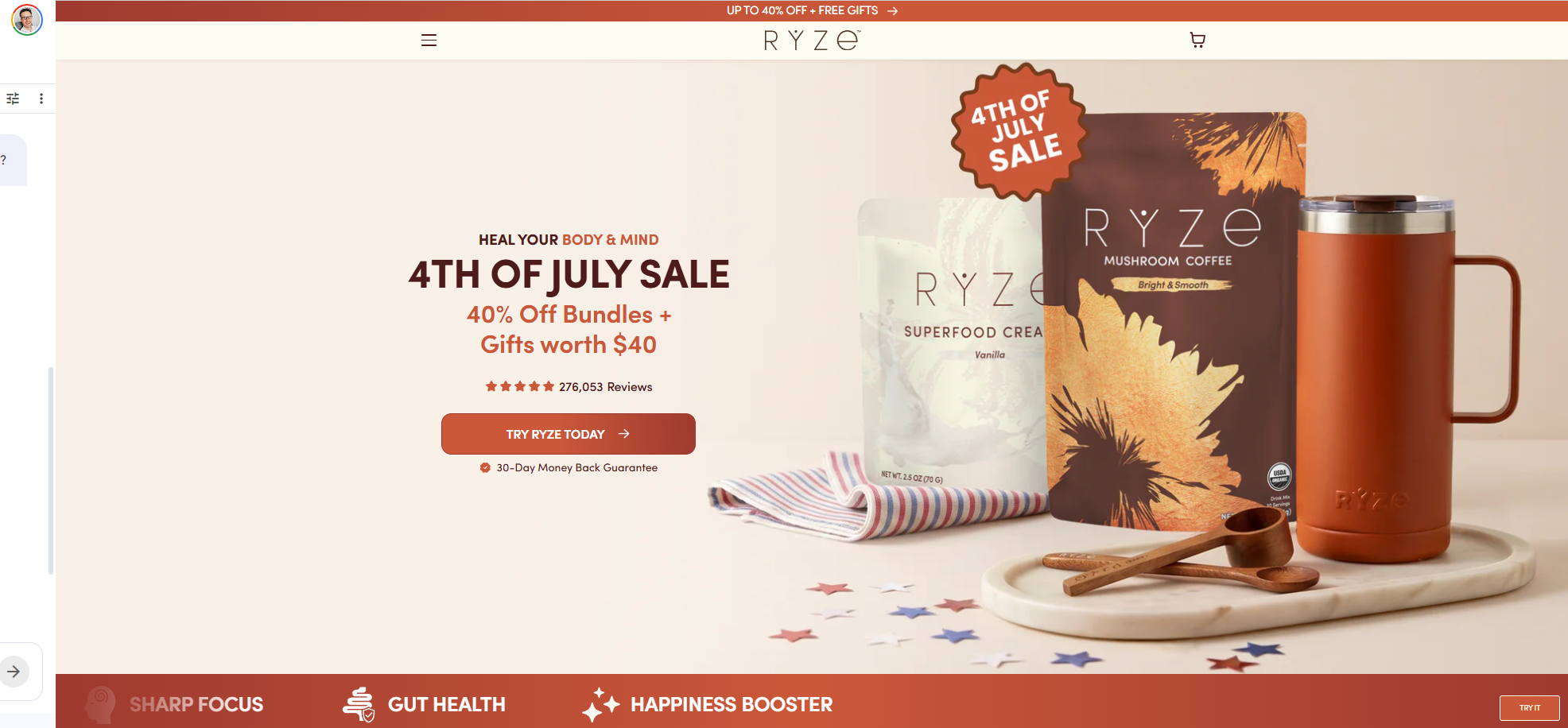
In the hierarchy of e-commerce architecture, the landing page occupies a unique position. While a homepage serves as a brand’s virtual lobby—offering a broad overview of values and routing users to various departments—and a product detail page (PDP) provides technical specifications and inventory options, the landing page is a surgical tool. Industry data suggests that companies with 10 to 15 landing pages see a 55% increase in leads, while those with more than 40 landing pages see a 500% increase. This is because specialized pages allow for “message match,” a critical concept where the content of the page perfectly aligns with the expectations set by the referring advertisement.

The primary goal of these pages is conversion, which in the e-commerce context usually translates to a direct sale, a subscription signup, or the capture of high-intent lead data. This focus necessitates a departure from standard site navigation. High-performing landing pages frequently remove the global header and footer to prevent “leaks” in the conversion funnel, ensuring the visitor remains focused on the primary call to action (CTA).
The Chronology of the Modern Consumer Journey
The effectiveness of a landing page is best understood through the timeline of a typical consumer interaction. This chronology dictates how information must be layered to move a prospect from curiosity to commitment.

- The Trigger: The journey begins with a specific pain point or desire, leading the user to click on a targeted ad.
- The Arrival (The First 3 Seconds): Upon landing, the user subconsciously asks: “Am I in the right place?” and “Can I trust this?” This is where the “Hero Section”—consisting of a headline, sub-headline, and primary visual—must establish immediate relevance.
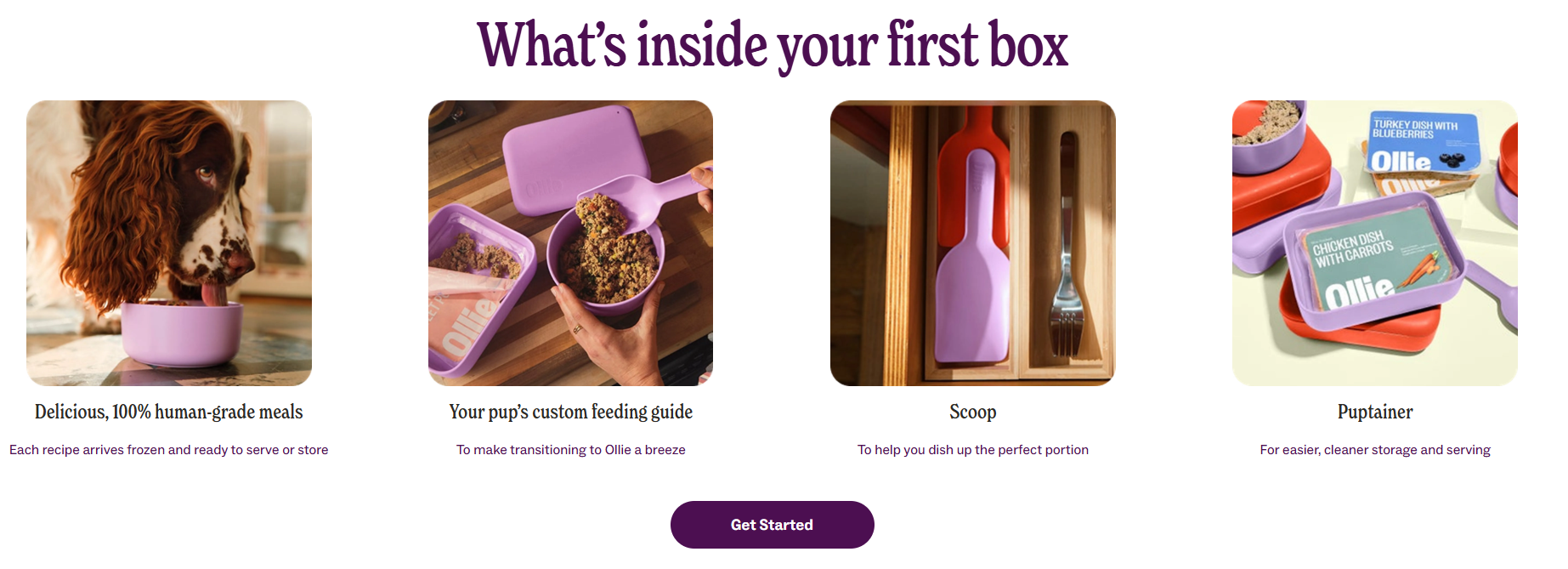
- The Education Phase: As the user scrolls, the page provides social proof, benefits (not just features), and risk-reversal elements to address cognitive dissonance.
- The Commitment: The user reaches the CTA. At this stage, any friction—such as a slow loading speed or a complex checkout process—can result in abandonment.
- The Post-Purchase Nurture: The journey continues after the transaction through “Thank You” pages that offer cross-sells or brand-building content to foster long-term loyalty.
Anatomy of Success: Key Elements of High-Converting Pages
To achieve a professional standard in e-commerce, landing pages must integrate several core elements that cater to both human psychology and technical efficiency.

Unique Value Proposition (UVP) and Hero Visuals
The UVP must be articulated within the “above the fold” area. It should clearly state what the product is, who it is for, and why it is superior to alternatives. This is often supported by high-definition imagery or video. Statistics from the Content Marketing Institute indicate that 80% of consumers are more likely to purchase a product after watching a video about it, making multimedia integration a standard in modern landing page design.
Social Proof and Trust Signals
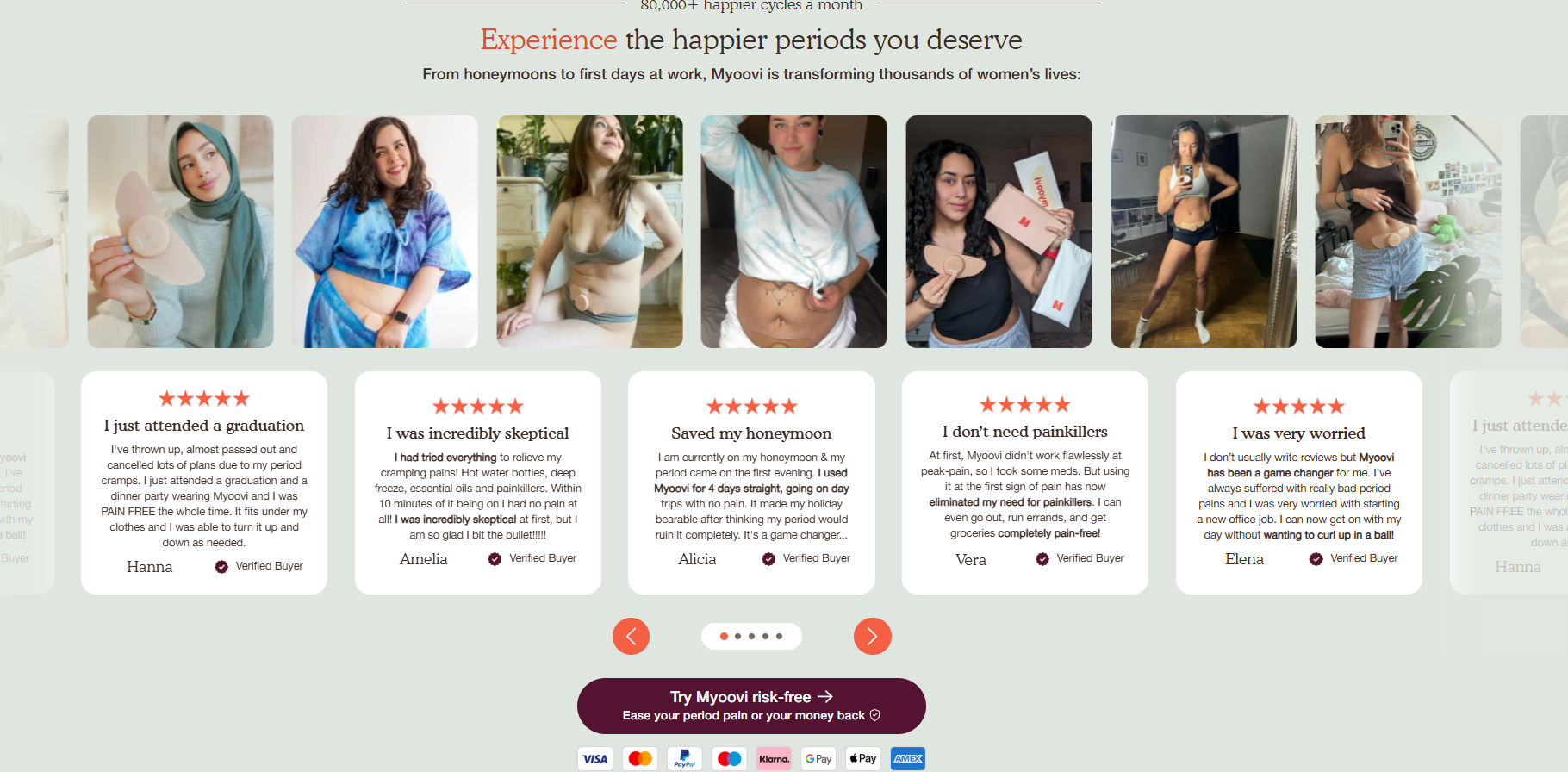
In an era of digital skepticism, third-party validation is non-negotiable. This includes star ratings from platforms like Trustpilot or Yotpo, customer testimonials, expert endorsements, and “As Seen In” media logos. For health and wellness products, endorsements from medical professionals or clinical trial data serve as critical “authority” signals.

Strategic Call to Action (CTA)
A singular, high-contrast CTA button is the focal point of the page. Journalistic analysis of top-tier e-commerce brands shows a move away from generic phrases like “Submit” or “Buy Now” in favor of outcome-oriented language like “Start My Transformation” or “Claim My 40% Discount.”
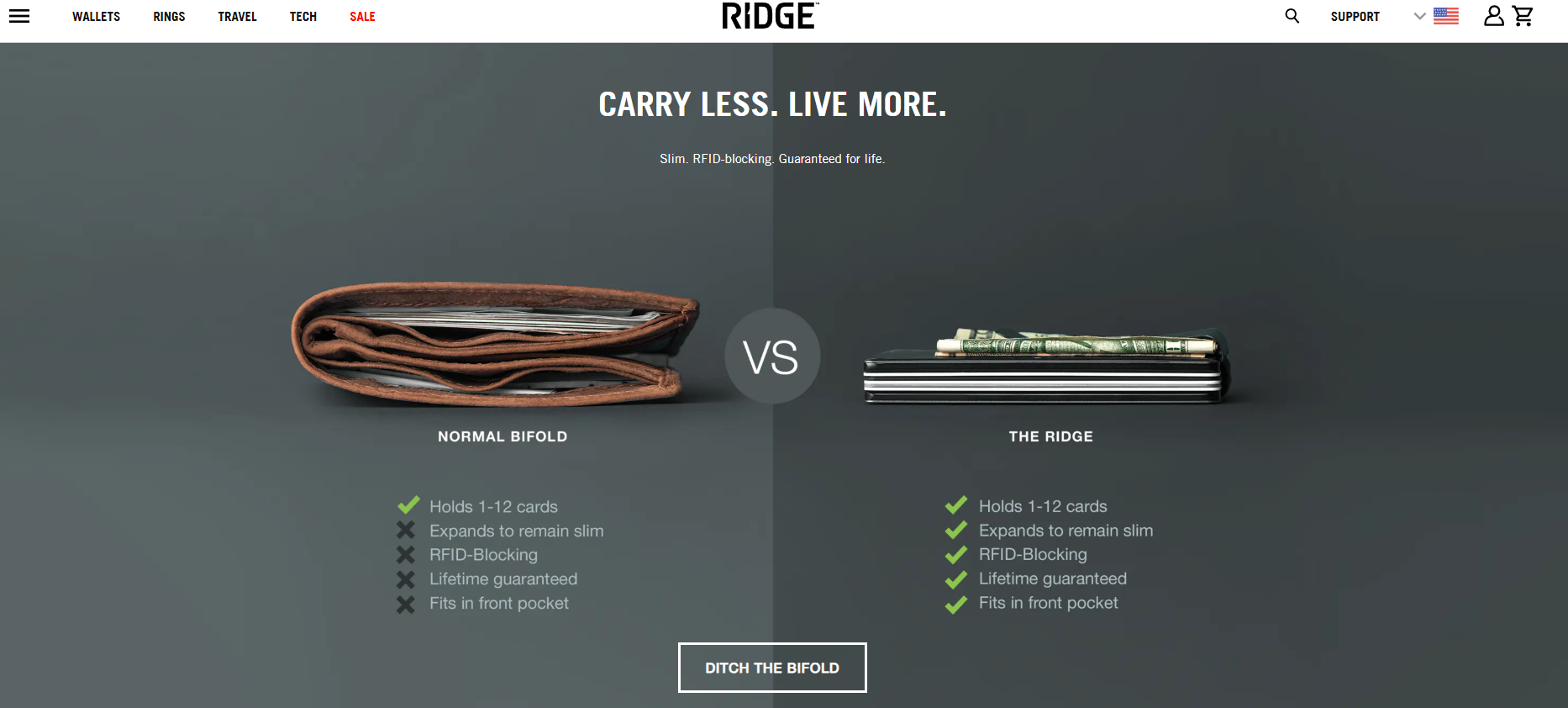
Risk Reversal
To lower the barrier to entry, brands must offer guarantees. Money-back guarantees, free shipping, and “no-questions-asked” return policies are standard features on pages targeting “cold” traffic—visitors who have had no prior interaction with the brand.
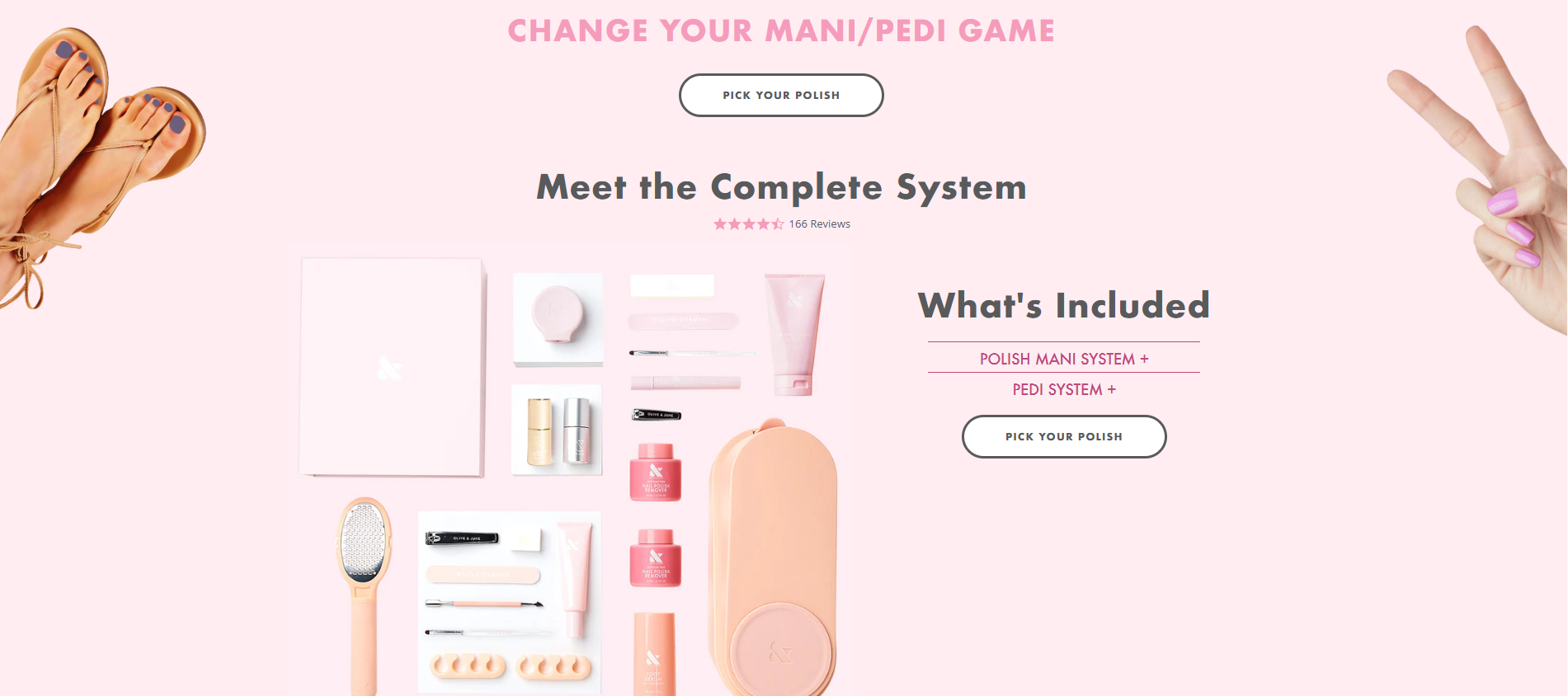
Case Studies in E-commerce Excellence
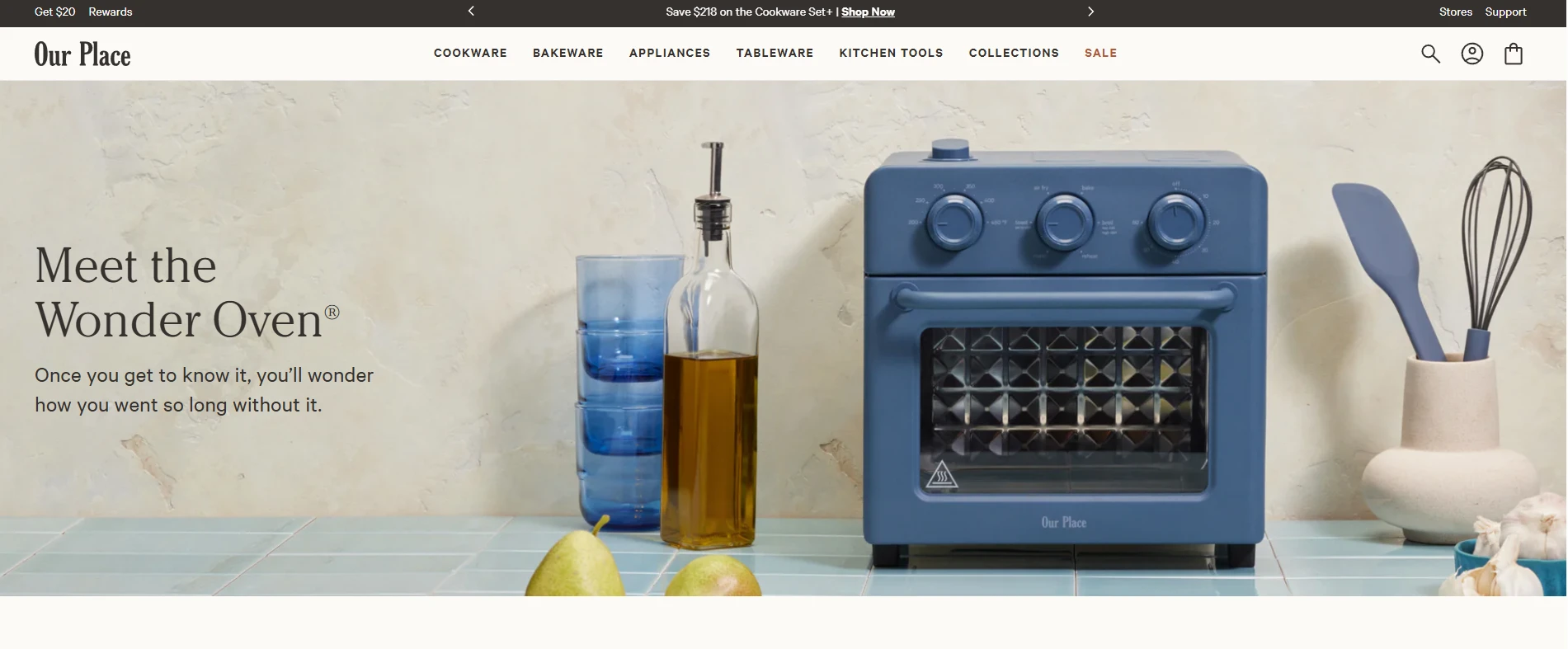
By analyzing the digital strategies of market leaders, several distinct approaches to landing page design emerge:
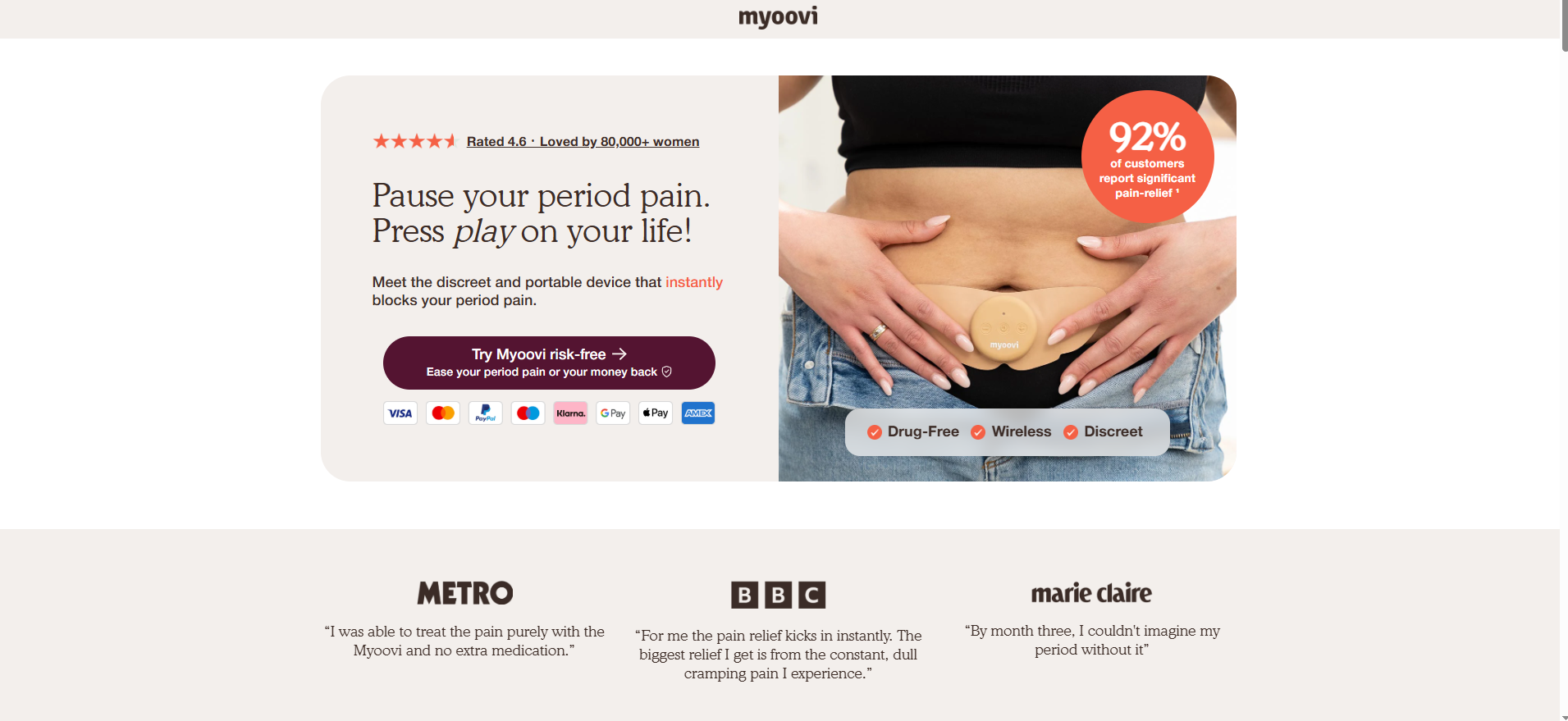
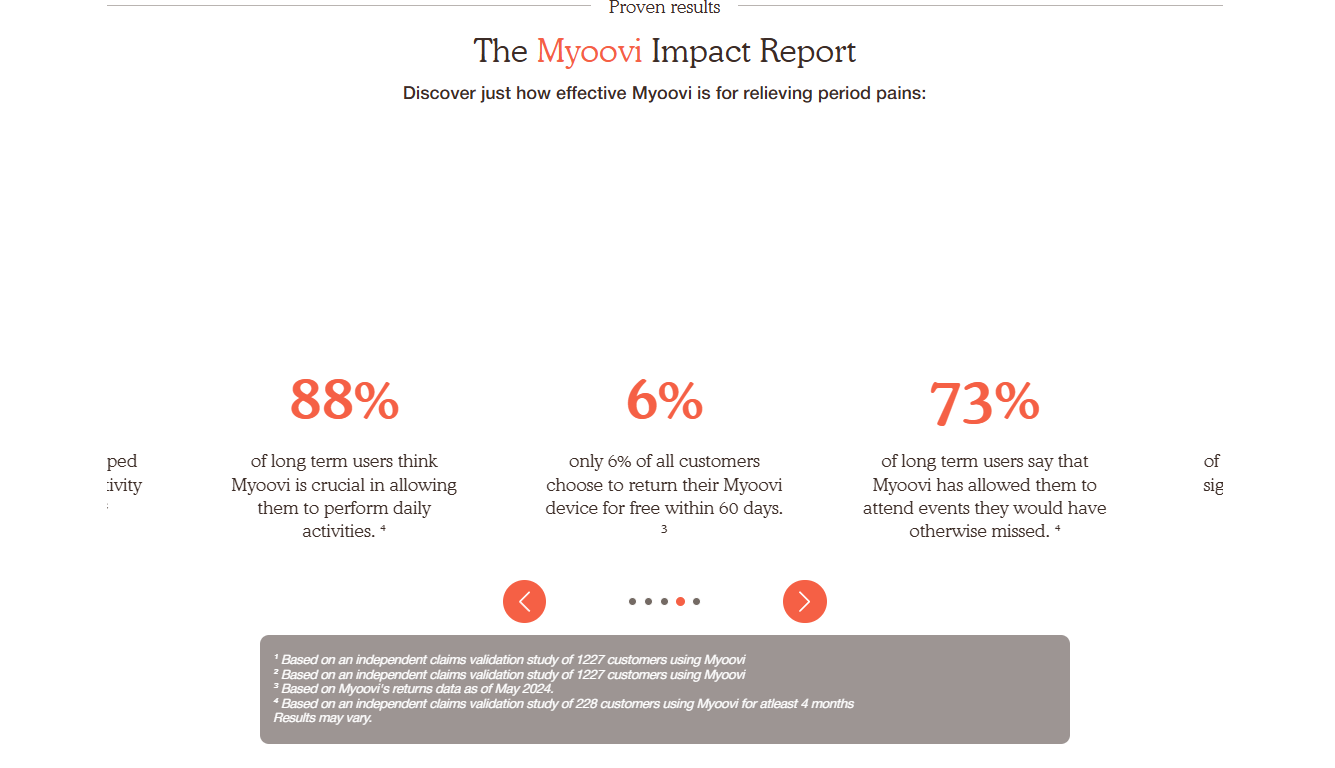
- Myoovi (The Risk Reversal Leader): This brand utilizes a 60-day money-back guarantee as its primary trust builder. By emphasizing “pain-free or your money back,” the page addresses the consumer’s fear of a product’s ineffectiveness before they even consider the price.
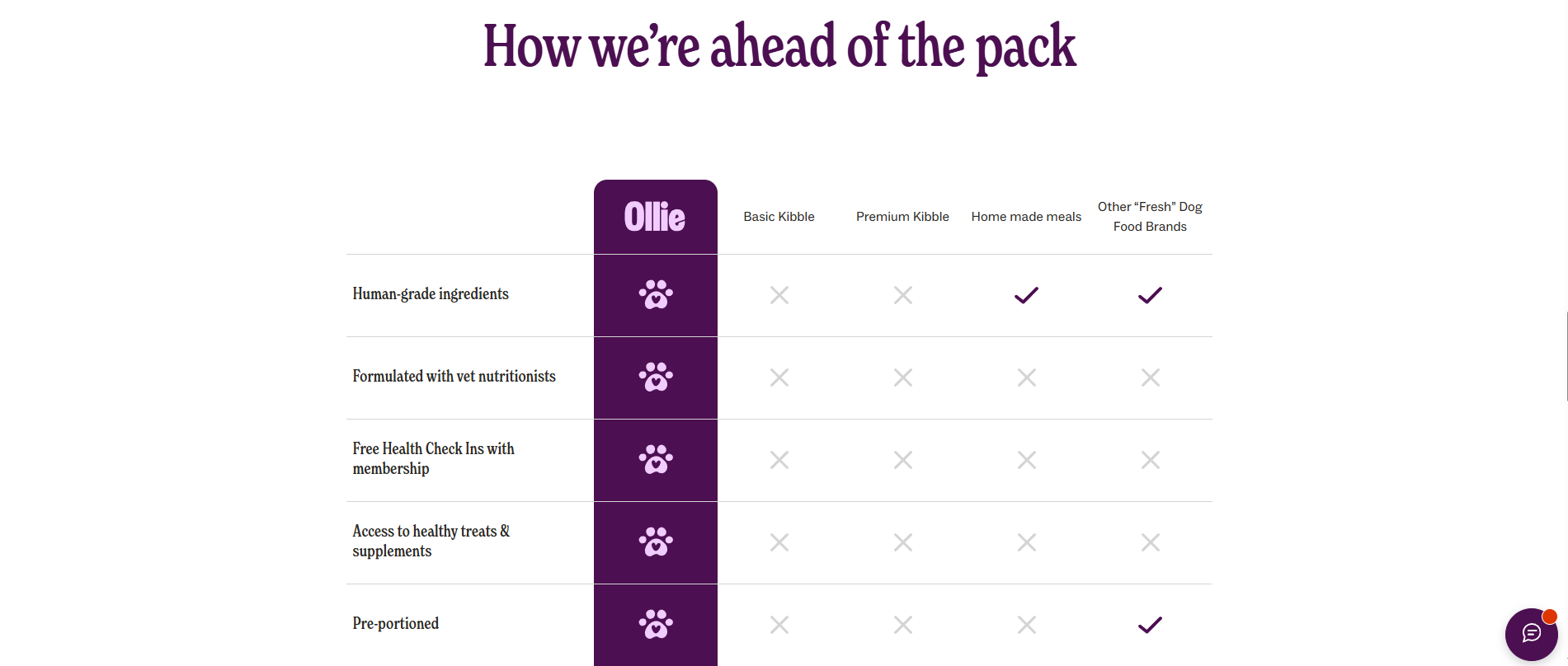
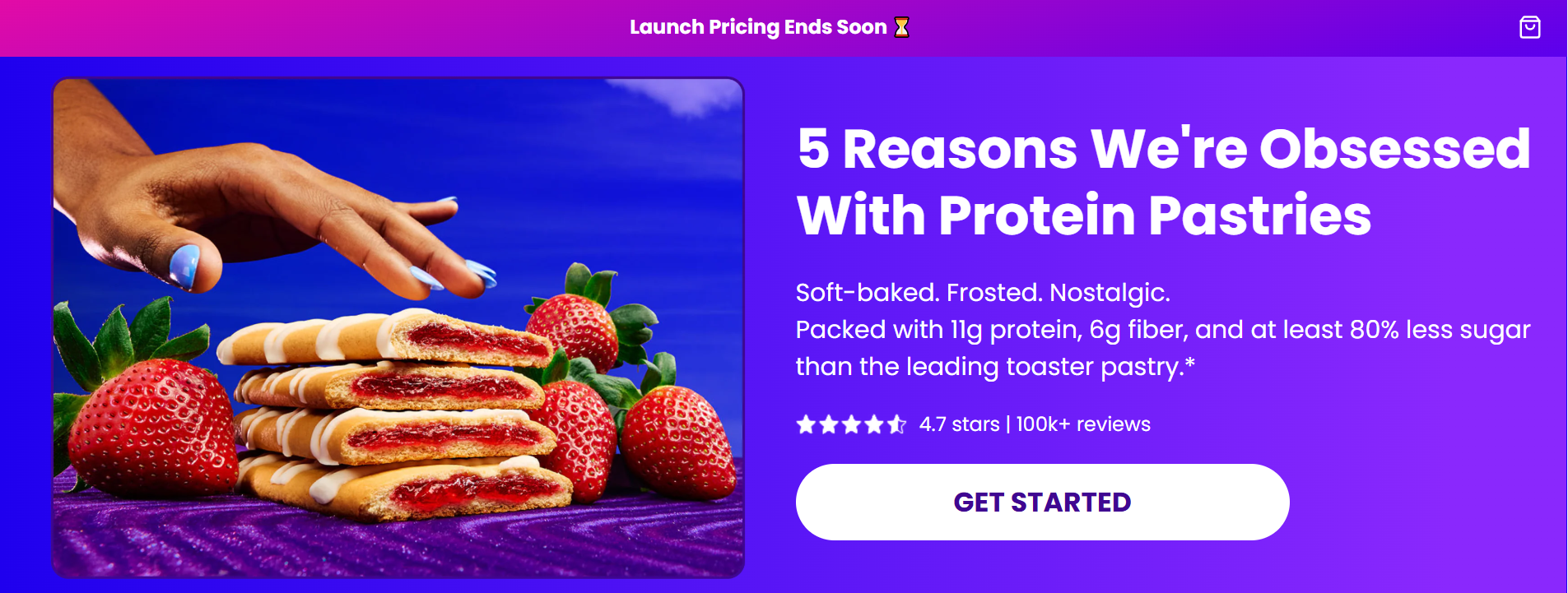
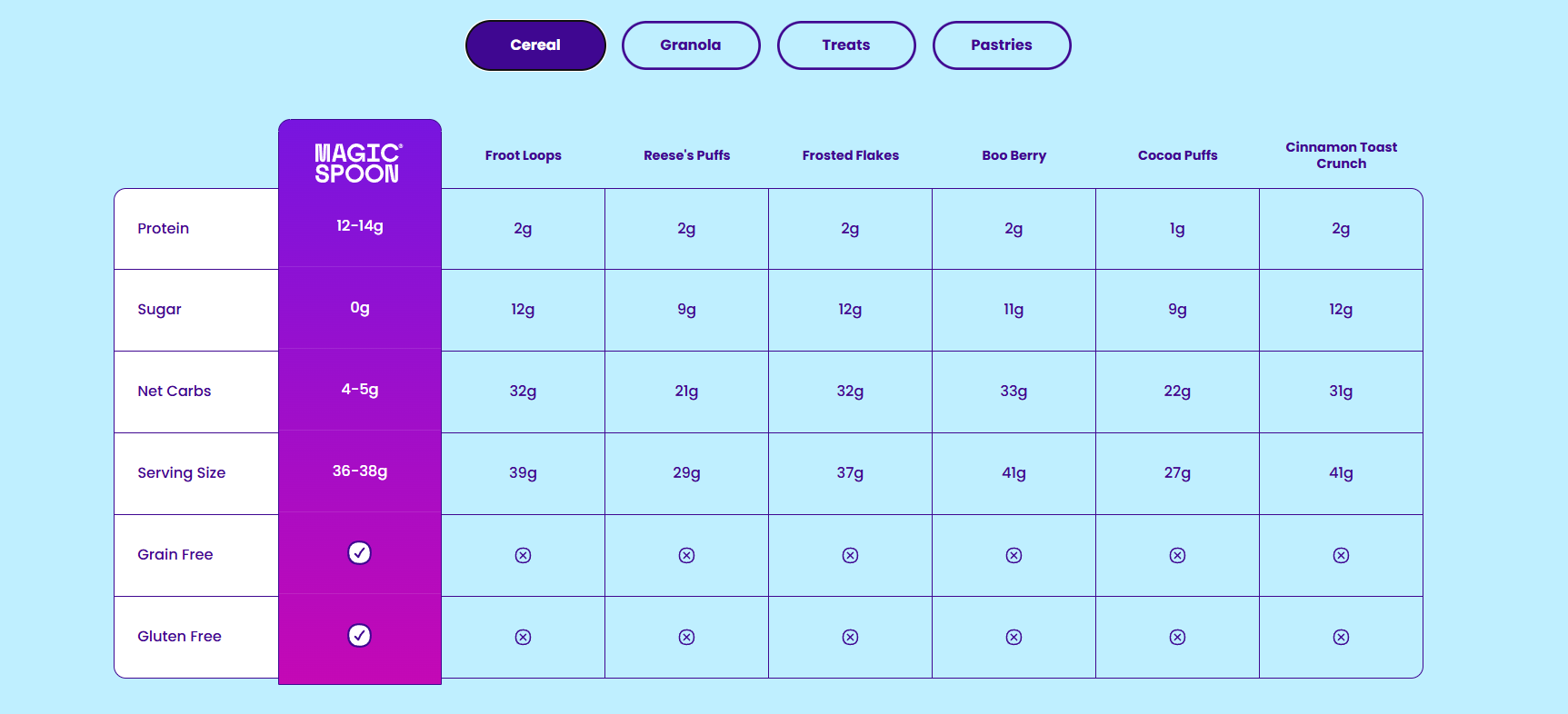
- Magic Spoon (The Data-Driven Comparative): Leveraging the “listicle” format, Magic Spoon uses comparison tables to pit its nutritional profile against legacy cereal brands. This educational approach justifies a premium price point by highlighting specific health benefits like high protein and low sugar.
- Eight Sleep (The Influencer and Social Proof Wall): For high-ticket items, Eight Sleep utilizes a “wall of fame” featuring endorsements from tech leaders like Elon Musk and professional athletes. This strategy leverages the “Halo Effect,” where the prestige of the users transfers to the product itself.
- Maëlys (The Gamified Lead Magnet): Instead of a traditional sales page, Maëlys uses a product-finder quiz. This interactive element increases user engagement and allows the brand to collect “zero-party data”—information shared intentionally by the consumer—to provide highly personalized recommendations.
Supporting Data and Industry Implications
The shift toward dedicated landing pages is supported by compelling industry data. According to a report by Adobe, companies that use a data-driven approach to their landing pages see a 10% to 30% increase in conversion rates. Furthermore, with mobile devices now accounting for over 55% of global e-commerce traffic, “mobile-first” design is no longer an option but a requirement. Pages that fail to load within three seconds on a mobile connection experience a 53% abandonment rate, highlighting the critical importance of technical optimization alongside creative design.
The broader implication for the retail sector is the move toward “headless” e-commerce, where the front-end user experience is decoupled from the back-end commerce engine. This allows marketers to deploy highly customized, lightning-fast landing pages without being restricted by the templates of traditional e-commerce platforms like Shopify or Magento.
Expert Analysis: The Future of Personalization
Marketing analysts suggest that the next frontier for e-commerce landing pages is AI-driven dynamic personalization. In this model, the content of a landing page changes in real-time based on the user’s geographic location, past browsing history, or the specific keyword they used to find the ad. For example, a visitor from a cold climate might see images of winter gear, while a visitor from a tropical region sees summer apparel on the same URL.
However, experts warn that with increased personalization comes a heightened need for privacy compliance. The General Data Protection Regulation (GDPR) and the California Consumer Privacy Act (CCPA) require brands to be transparent about how they use tracking tools and analytics suites, such as heatmaps and session recordings, to optimize their pages.
Broader Impact on the Digital Economy
The refinement of the e-commerce landing page has democratized the ability for Direct-to-Consumer (DTC) brands to challenge established retail giants. By mastering the art of the targeted landing page, a small startup can achieve a higher conversion efficiency than a multi-billion-dollar department store with a cluttered web interface. This has led to a “gold rush” in the landing page software market, with tools like Unbounce, Instapage, and Crazy Egg becoming essential components of the modern marketer’s tech stack.
In conclusion, the e-commerce landing page is the cornerstone of modern digital sales strategy. It represents the intersection of psychological triggers, aesthetic design, and technical performance. As consumer attention spans continue to shorten and the cost of digital advertising rises, the ability to create focused, high-converting destinations will remain the primary differentiator between brands that thrive in the digital age and those that fade into obscurity. To remain competitive, businesses must move beyond “set and forget” designs and adopt a culture of continuous testing and data-driven optimization.







