

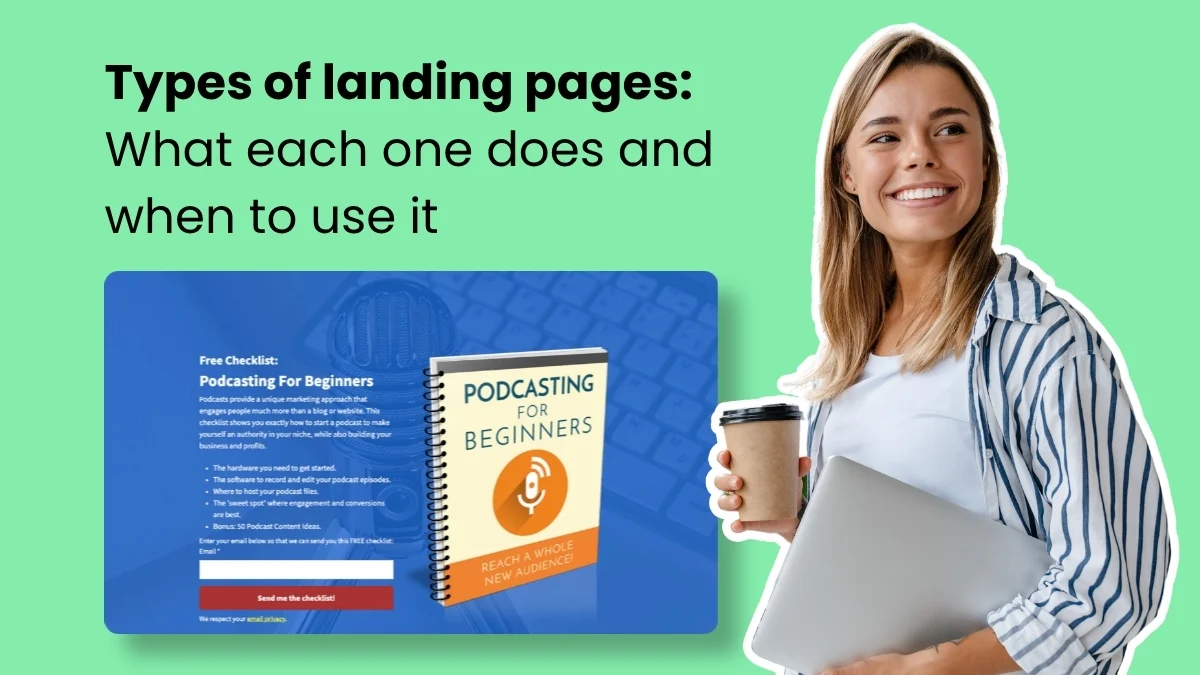
In the dynamic realm of digital marketing, the landing page stands as a pivotal instrument for conversion, acting as a singular focal point designed to elicit a specific action from a visitor. Unlike traditional websites laden with navigation and multiple distractions, a landing page funnels user attention towards one clear objective, whether it’s collecting an email address, registering for an event, or facilitating a product purchase. This laser-focused approach is not merely a design preference; it is a strategic imperative validated by industry research, with AWeber’s data indicating that over 90% of small business owners consider landing pages “important” or “very important” to their marketing strategy. The challenge, therefore, lies not in recognizing their value, but in precisely identifying and deploying the correct type of landing page to align with specific marketing goals.
The Evolution and Strategic Importance of Landing Pages
The concept of a dedicated page for marketing campaigns emerged as digital advertising gained prominence. Early websites, often generalist and information-heavy, proved inefficient for converting traffic from specific ads or promotions. Marketers quickly realized that directing users to a highly relevant, distraction-free environment drastically improved conversion rates. This understanding has propelled landing pages from a niche tactic to a cornerstone of modern digital strategy, enabling businesses to segment audiences, test offers, and optimize campaign performance with unprecedented precision. The ability to create tailored experiences for different user segments, each driven by unique intent, has become critical for maximizing return on investment in an increasingly competitive online landscape.
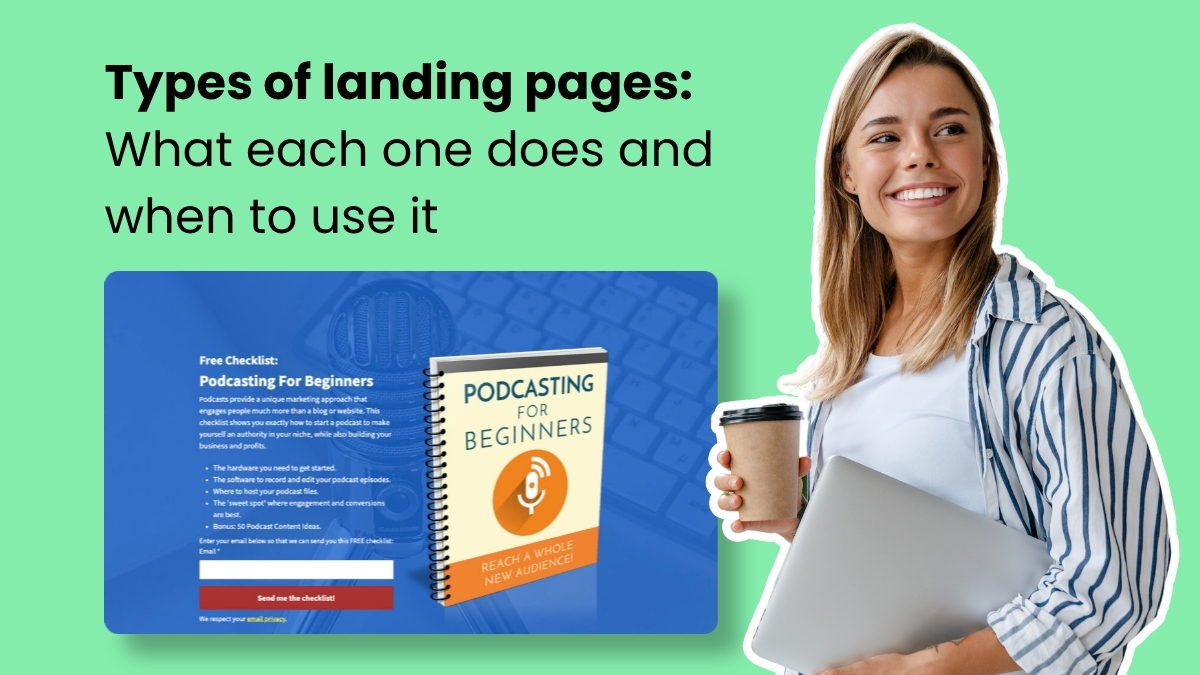
I. Webinar Landing Page: Driving Event Registrations
A webinar landing page is meticulously crafted to promote an upcoming online event and capture registrations. Its primary function is to inform potential attendees about the webinar’s content, the credentials of the presenter, the scheduled date and time, and, crucially, the tangible benefits of participation. The most effective pages prioritize the attendee’s expected outcome, leading with compelling statements such as, “You’ll master email automation strategies,” rather than focusing solely on the speaker’s biography. The speaker’s expertise serves as supporting evidence, reinforcing the value proposition already established by the promised transformation.
- Strategic Rationale: People register for webinars to gain knowledge, solve problems, or acquire new skills. By leading with the “what’s in it for me?” aspect, a webinar page directly addresses the visitor’s core motivation, significantly enhancing conversion rates.
- Key Elements: A clear, benefit-driven headline, an overview of topics covered, speaker’s name and a concise bio (positioned after benefits), date, time, and duration, a prominent call-to-action (CTA) button, and often social proof or testimonials from past attendees.
- When to Use It: Essential for any live or pre-recorded webinar, online workshop, or virtual summit where dedicated registration is required. It’s a foundational tool for lead nurturing and establishing thought leadership.
- Implications: A well-optimized webinar page not only boosts attendance but also pre-qualifies leads, ensuring a more engaged audience for the event and subsequent follow-up.
II. Ebook Landing Page: Distributing Knowledge and Capturing Leads
Designed specifically for electronic books (ebooks), this page serves as a dedicated portal for promoting and facilitating the download or purchase of digital content. It provides comprehensive information about the ebook’s content, its benefits, and the necessary steps to acquire it.

- Strategic Rationale: Ebooks are versatile assets, serving either as a direct revenue stream for aspiring authors and entrepreneurs bypassing traditional publishing, or as potent lead magnets for businesses looking to expand their email lists by offering valuable content in exchange for contact information.
- Key Elements: A striking cover image, a compelling summary of the ebook’s content and key takeaways, testimonials or endorsements, a clear download/purchase button, and a concise form for lead capture (if used as a lead magnet).
- When to Use It: Ideal for content marketers, authors, coaches, and businesses aiming to share expertise, generate leads, or monetize digital intellectual property.
- Implications: Beyond lead generation, an ebook landing page positions the offering organization as an authority in its field, building trust and credibility with potential clients.
III. Ecommerce Landing Page: Targeted Product Sales
Unlike a general product catalog, an ecommerce landing page is hyper-focused on selling a single product or a very specific product category. Its purpose is to convert traffic originating from a singular source, such as a paid advertisement, into a direct sale.
- Strategic Rationale: Presenting visitors with too many choices on a homepage or a broad shop page can lead to decision paralysis and lower conversion rates. An ecommerce landing page eliminates this optionality, guiding the visitor toward one specific product and one clear action. This focused approach significantly outperforms generic pages for targeted ad campaigns.
- Key Elements: High-resolution product images and videos, detailed product descriptions highlighting benefits, transparent pricing, a clear “Add to Cart” or “Buy Now” CTA, social proof (customer reviews, star ratings), and answers to frequently asked questions (FAQs).
- When to Use It: Indispensable for businesses running paid advertising campaigns for specific products or promotions, or when a campaign requires a message-aligned destination that isn’t a generic store page.
- Implications: Directly impacts the return on ad spend (ROAS) for ecommerce businesses by streamlining the purchase path and minimizing friction.
IV. Lead Magnet Landing Page: Value Exchange for Contact Information
A lead magnet landing page offers a specific, valuable resource—such as an ebook, template, checklist, free course, or toolkit—in exchange for a visitor’s email address. The primary draw is the content itself, not merely the brand behind it.
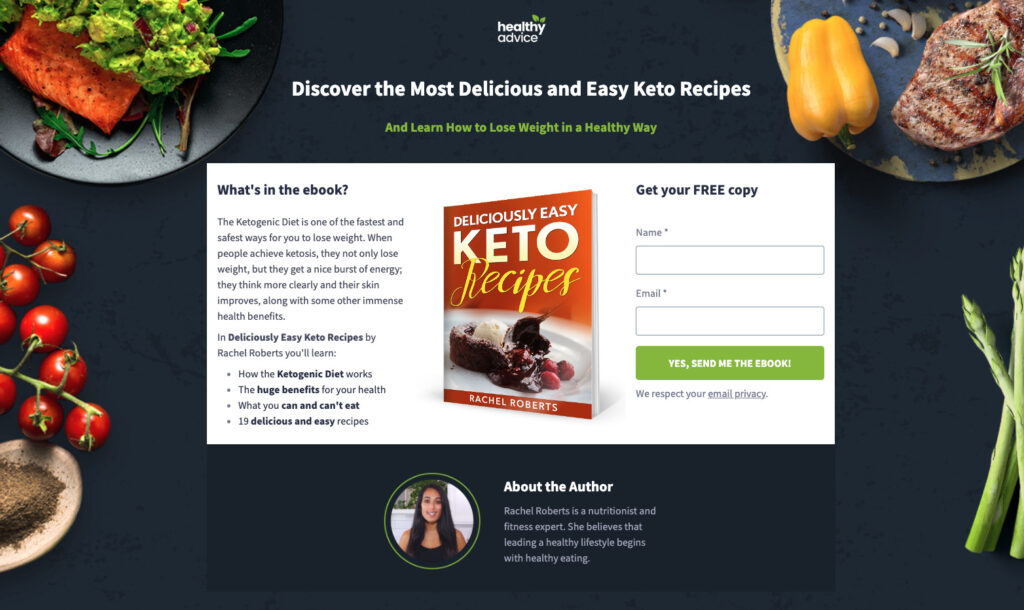
- Strategic Rationale: This page thrives on the principle of perceived value. When the offered resource genuinely solves an immediate problem for the audience, providing an email address feels like a fair and worthwhile exchange. The page’s success hinges on effectively communicating the outcome the visitor will achieve, rather than an extensive brand narrative.
- Key Elements: A benefit-driven headline, a clear description of the lead magnet’s contents and benefits, a visual representation of the resource (e.g., ebook cover, template screenshot), a simple opt-in form, and potentially a privacy policy link.
- When to Use It: Ideal when you possess a valuable resource that your target audience genuinely desires. Lead magnets are one of the most effective methods for rapidly building a list of highly interested prospects, forming the bedrock of a robust email marketing strategy.
- Implications: Builds a segmented and engaged email list, allowing for targeted nurturing campaigns that convert leads into paying customers over time.
V. Squeeze Page: The Minimalist Lead Capture
A squeeze page is the most streamlined form of lead capture. Its sole objective is to obtain an email address with minimal friction, typically featuring only a headline, one or two concise sentences, an email input field, and a call-to-action button.
- Strategic Rationale: The ultra-minimalist design removes almost every potential point of hesitation for the visitor. With only one action to take and one field to complete, the decision fatigue is drastically reduced. This simplicity is particularly effective for paid traffic, where a low cost per lead is paramount.
- Key Elements: A compelling, direct headline, extremely brief supporting copy, a single email input field, and a prominent CTA.
- When to Use It: Best utilized with paid advertising campaigns where minimizing cost per lead is critical, or for capturing emails from a warm audience already familiar with your brand and its value proposition.
- Implications: Maximizes conversion efficiency by stripping away non-essential elements, making it a highly cost-effective tool for rapid list growth under specific conditions.
VI. Podcast Landing Page: Cultivating Direct Listener Relationships
A podcast landing page is designed to promote a podcast show or a specific episode, offering listeners a direct pathway to subscribe or join an email list for updates and supplementary content.
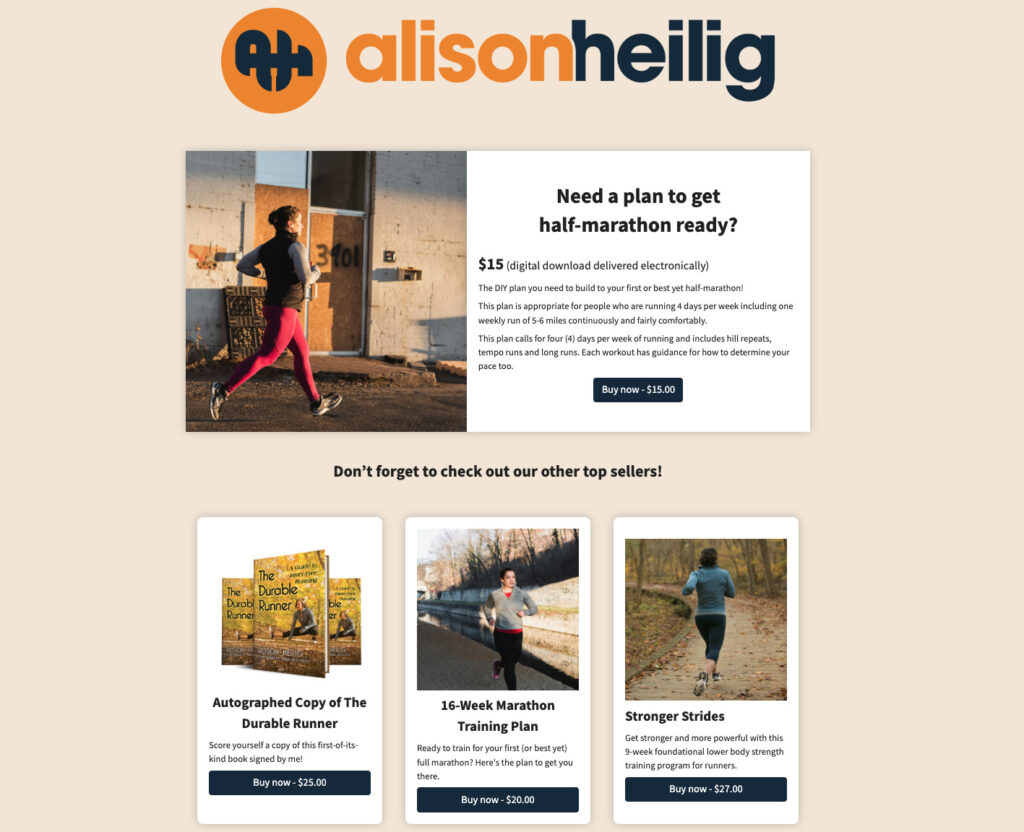
- Strategic Rationale: While streaming platforms provide reach, they retain control over audience distribution and engagement. A dedicated podcast landing page shifts this dynamic by enabling podcasters to build an owned audience via an email list. This direct communication channel bypasses algorithmic changes and platform dependencies, fostering a more resilient and engaged community.
- Key Elements: A captivating show description, highlights of key episodes or guests, an embedded audio player for sampling, clear links to subscribe on various platforms, and a prominent email signup form for exclusive updates or bonus content.
- When to Use It: Essential for podcasters focused on audience growth, community building, and direct monetization strategies, moving beyond platform-dependent metrics.
- Implications: Secures a direct line of communication with listeners, allowing for consistent engagement, promotion of new episodes, merchandise, and other offerings without intermediaries.
VII. PPC Landing Page: Maximizing Paid Ad Performance
A PPC (pay-per-click) landing page is specifically optimized for traffic originating from paid search advertisements. Its fundamental design principle is “message match,” ensuring that the content and offer on the page precisely align with the keyword or ad copy that brought the visitor there.
- Strategic Rationale: Paid traffic is a significant investment. Any disconnect between the ad’s promise and the landing page’s content leads to wasted ad spend and high bounce rates. A precise message match not only meets visitor expectations, leading to higher conversion rates, but also positively influences Google’s Quality Score, potentially reducing cost per click and improving ad rankings.
- Key Elements: A headline that directly mirrors the ad’s headline, copy and visuals that reinforce the ad’s message, a clear and singular CTA, and minimal distractions.
- When to Use It: Mandatory for every paid search advertising campaign. Each distinct ad group or keyword theme should ideally have its own custom landing page to ensure maximum relevance and conversion efficiency.
- Implications: Directly impacts the profitability and efficiency of paid advertising campaigns by improving relevance, reducing costs, and boosting conversions.
VIII. Thank You Page: Leveraging Post-Conversion Engagement
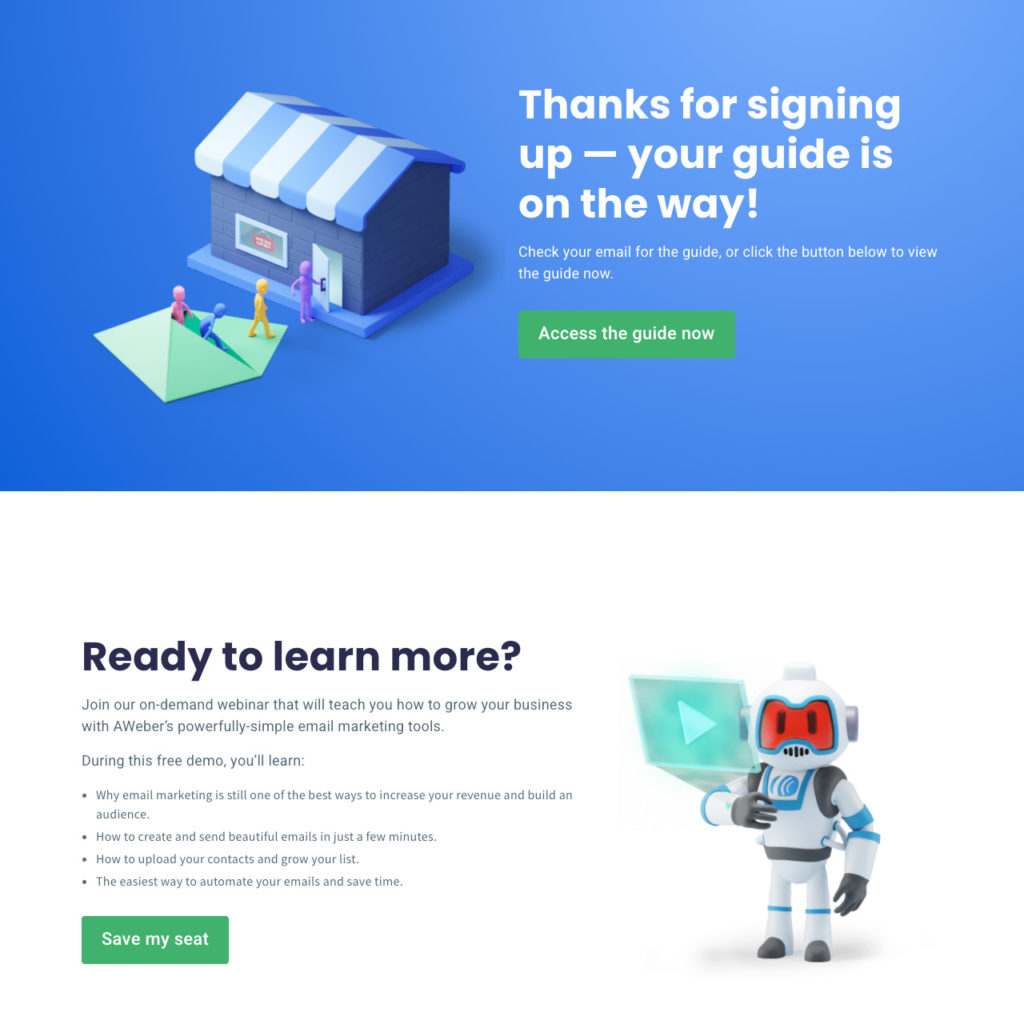
A thank you page appears immediately after a visitor completes a desired conversion action—be it signing up, downloading a resource, or making a purchase. Its initial role is to confirm the action and outline the next steps.
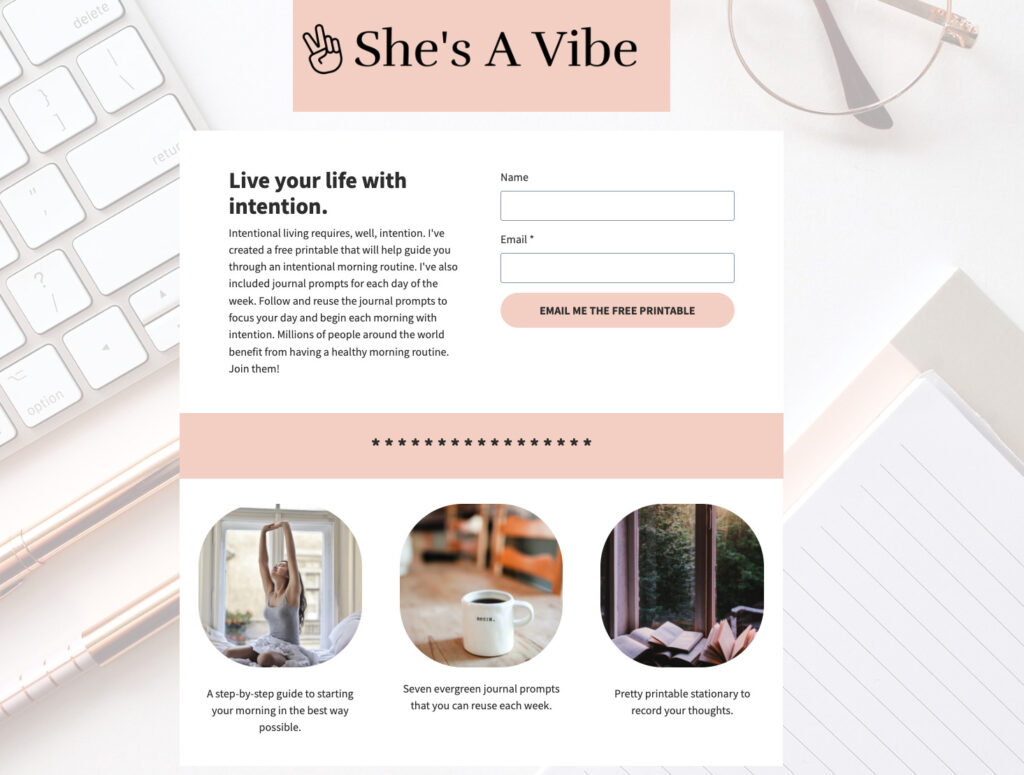
- Strategic Rationale: Often overlooked, the thank you page represents a golden opportunity. A visitor who has just converted is at their peak level of engagement and trust. This momentum can be leveraged to encourage a secondary conversion, such as an upsell, a cross-sell, social media follow, a survey completion, or an invitation to book a consultation.
- Key Elements: A clear confirmation message, instructions for accessing the offer (e.g., “Check your inbox”), a relevant secondary offer or call to action, social media sharing buttons, and possibly a brief survey.
- When to Use It: After every successful form submission, purchase, or sign-up. It’s a critical component for maximizing customer lifetime value and deepening engagement.
- Implications: Transforms a single conversion into a potential multi-stage engagement, driving additional value from already qualified leads and customers.
IX. Video Landing Page: Engaging Through Visual Storytelling
A video landing page utilizes video as the primary medium to convey its message. The video might be a product demonstration, a customer testimonial, a brief explainer, or an introduction. Textual content supports the video but does not overshadow it.
- Strategic Rationale: Video excels at building trust and explaining complex concepts in a way that static text often cannot. It creates a more personal connection, demonstrates functionality effectively, and can evoke emotion. Visitors who watch a two-minute product demo often gain a deeper understanding and higher level of confidence than those who read several paragraphs of text.
- Key Elements: A prominently placed video player, a concise, attention-grabbing headline, brief supporting text that complements the video’s message, and a clear call-to-action.
- When to Use It: Highly effective when the offer is inherently visual, requires detailed explanation, or when aiming to build a strong personal connection before requesting a conversion.
- Implications: Boosts engagement, clarifies value propositions for complex products/services, and can significantly increase conversion rates by leveraging the power of visual communication.
X. Link-in-Bio Landing Page: Centralizing Social Media Presence
A link-in-bio page is a consolidated single web page containing multiple links, designed to overcome the limitation of most social media platforms that allow only one clickable link in a profile biography. It acts as a central hub for a user’s entire online ecosystem.
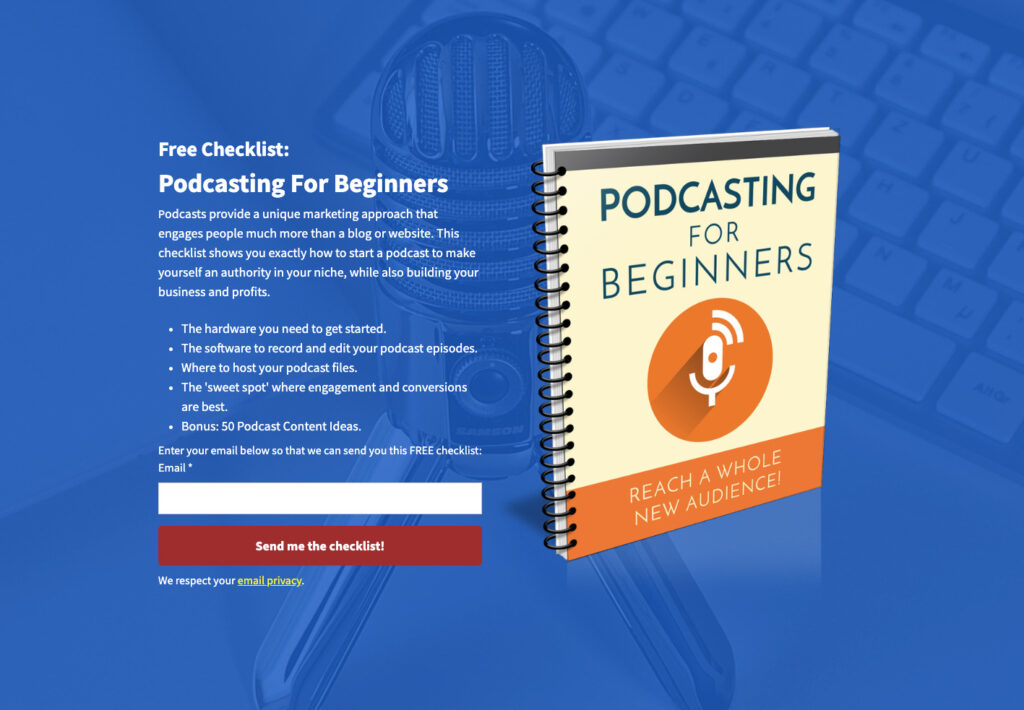
- Strategic Rationale: Social media offers immense reach but restricts outbound links. A link-in-bio page circumvents this constraint, allowing users to direct followers to their newsletter, latest product, new content, booking page, or any other important destination from a single, customizable URL.
- Key Elements: A clean, mobile-responsive design, a clear profile picture or branding, multiple prominent buttons linking to various key destinations, and potentially an integrated email signup form.
- When to Use It: Indispensable for influencers, content creators, and businesses active on platforms like Instagram, TikTok, or X (formerly Twitter) who need to direct their audience to multiple resources simultaneously.
- Implications: Optimizes social media traffic by providing a structured pathway to various offerings, enhancing follower engagement and conversion across different platforms.
XI. Pre-Launch Landing Page: Generating Buzz and Validating Demand
A pre-launch landing page is deployed before a new product, service, or feature goes live. Its dual purpose is to build anticipation and collect email addresses from individuals interested in being notified upon launch, while simultaneously testing market demand.
- Strategic Rationale: This page serves as a crucial validation tool. If significant sign-ups are generated before a product even exists, it provides early evidence of market interest, mitigating risk before substantial resources are committed to development. Conversely, low sign-up rates offer valuable feedback, allowing for strategic adjustments. A list of early subscribers is more valuable than a larger post-launch list, as these individuals have explicitly expressed pre-existing demand.
- Key Elements: A compelling teaser headline and description of the upcoming offering, captivating visuals, an email signup form for “early access” or “launch notification,” and optionally a countdown timer.
- When to Use It: Prior to any significant product or service launch, or for validating new business ideas. It transforms early interest into an actionable list for launch day marketing.
- Implications: De-risks product development, creates a built-in audience for launch, and generates valuable market intelligence.
XII. Facebook Landing Page: Converting Social Engagement into Owned Audiences
A Facebook landing page is specifically tailored for traffic originating from Facebook ads or a Facebook profile. Its goal is to convert social media followers into email subscribers or direct customers.
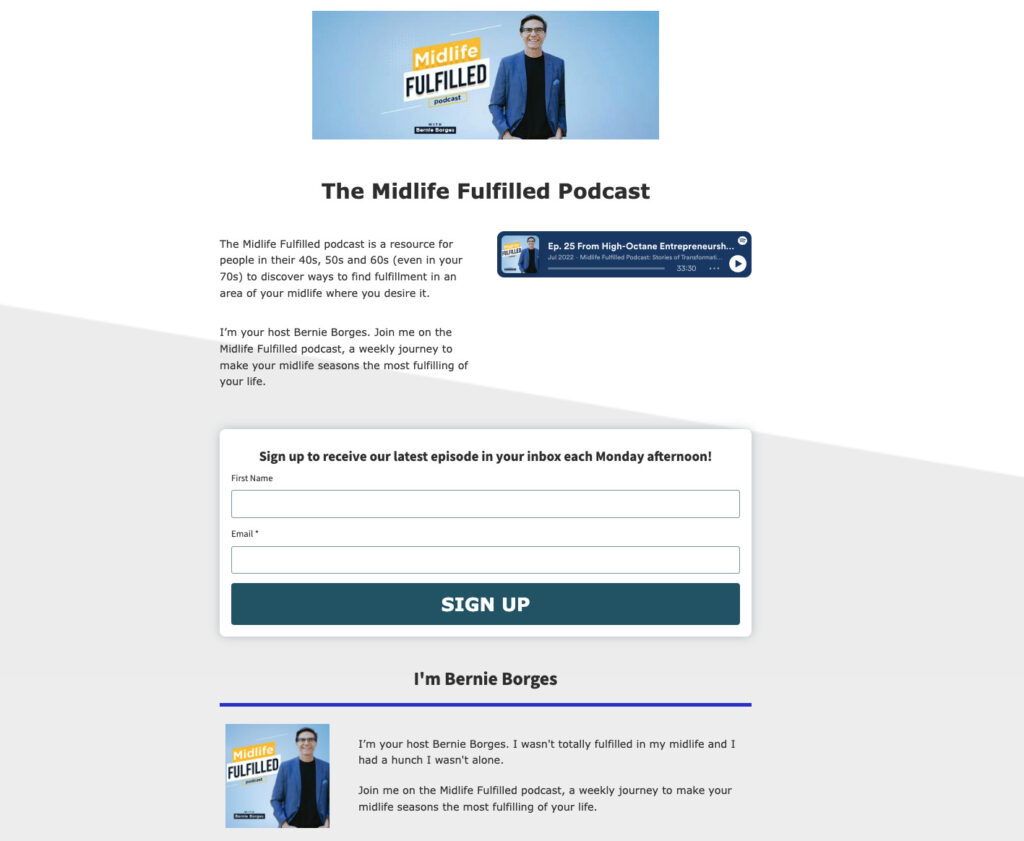
- Strategic Rationale: Facebook, like other social platforms, dictates who sees your content and can alter its algorithms at any time. Building an email list from your Facebook audience provides a direct, owned communication channel, insulating your reach from platform-specific changes.
- Key Elements: Message alignment with the Facebook ad or post, a clear and appealing offer (often a lead magnet), social proof (if applicable), and a simple opt-in form.
- When to Use It: Whenever running Facebook ad campaigns or when actively seeking to migrate your Facebook following onto a controlled subscriber list.
- Implications: Transforms “rented” social media audience into a “owned” and directly communicable asset, enhancing long-term marketing stability and effectiveness.
XIII. Lead Capture Landing Page: The General Purpose List Builder
A general lead capture landing page collects contact information in exchange for a valuable resource or offer. This can range from a free guide, a checklist, a discount code, or access to an exclusive webinar. The visitor receives the promised value, and the business acquires their contact details.
- Strategic Rationale: This page facilitates a direct, low-commitment trade. It focuses on initiating a relationship rather than immediately pushing for a sale. The fewer fields required in the form, generally the higher the conversion rate; typically, name and email address suffice to begin.
- Key Elements: A clear value proposition, benefit-oriented copy explaining what the visitor will gain, a simple and concise form, and often trust signals like privacy statements or small logos.
- When to Use It: When the primary objective is to grow an email list. These pages are considered one of the most reliable and fundamental tools for small businesses and marketers looking to build an audience across virtually any industry.
- Implications: Serves as the backbone of many inbound marketing strategies, enabling businesses to nurture prospects through email sequences and build a receptive audience.
XIV. Click-Through Landing Page: Nurturing Cold Traffic for Complex Offers
A click-through landing page does not ask for upfront information or transactions. Instead, its role is to warm up a visitor and build confidence before directing them to a subsequent purchase or sign-up page. It acts as an intermediary, providing necessary information without the pressure of an immediate commitment.
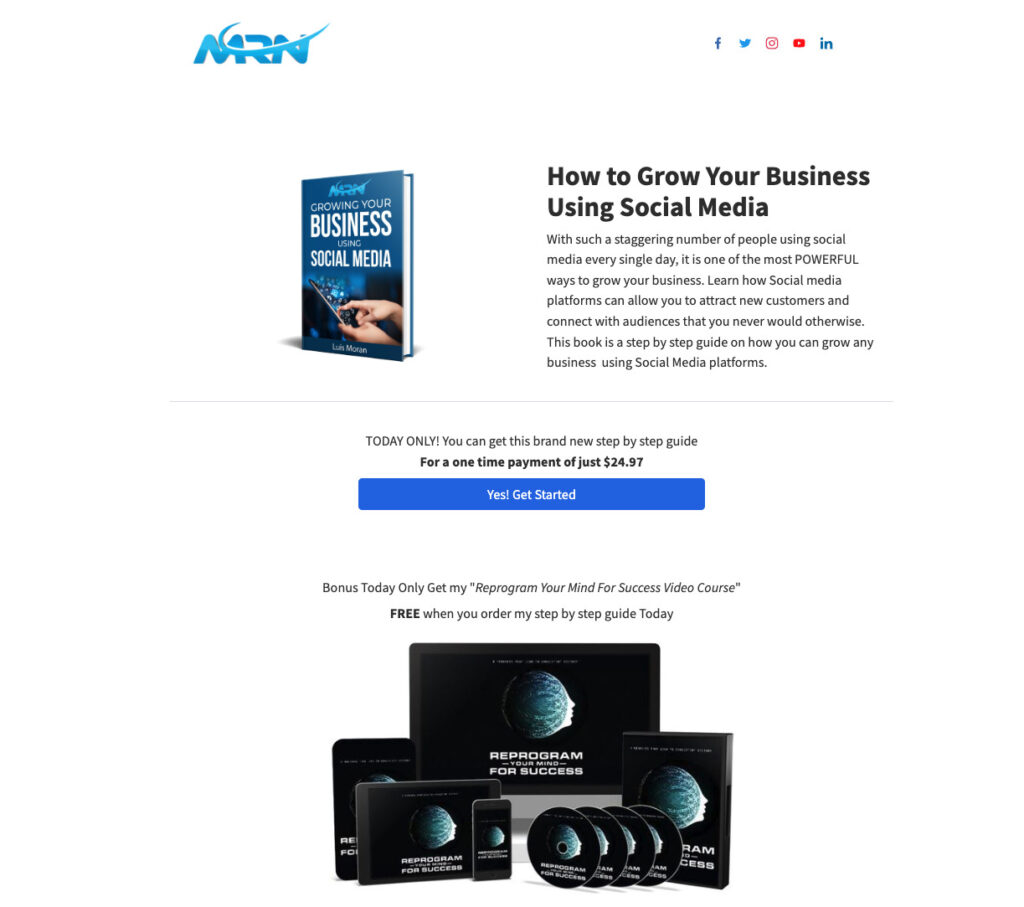
- Strategic Rationale: Cold traffic rarely converts directly on a complex purchase page. A click-through page serves as a vital intermediate step, allowing visitors to thoroughly understand an offer, its benefits, and address potential objections without the immediate pressure of a transaction. By the time they click through to the final page, they are already pre-qualified and more inclined to commit.
- Key Elements: Detailed explanations of the product or service, feature comparisons, demonstration videos, compelling testimonials, comprehensive FAQs, and a clear, persuasive “Learn More” or “Proceed to Checkout” CTA button. Crucially, it does not include a form.
- When to Use It: Particularly effective when an offer requires significant explanation before a potential customer is ready to buy, especially for high-ticket items, complex services, or free trial offers. It helps mitigate high drop-off rates on direct purchase pages from cold traffic.
- Implications: Improves the quality of traffic reaching the final conversion page, leading to higher overall conversion rates and a more efficient sales funnel.
Choosing the Right Landing Page: A Strategic Imperative
The selection of the appropriate landing page type is directly dictated by your overarching marketing objective. If the goal is to expand your email subscriber base, lead capture, squeeze, or lead magnet pages are the most effective. For warming up cold traffic before a purchase, a click-through page is invaluable. Direct sales of high-ticket items might necessitate a comprehensive sales page, while specific products benefit from an ecommerce page. Event promotions call for webinar registration or pre-launch pages. Paid search campaigns demand highly specific PPC landing pages. The cardinal rule remains: define one clear goal and construct one page singularly dedicated to achieving that goal. Attempting to fulfill multiple objectives on a single landing page is the most common reason for underperformance, diluting focus and confusing the visitor.
The Future of Landing Page Creation: AI-Powered Efficiency
The landscape of landing page creation is undergoing a transformative shift with the advent of artificial intelligence. AWeber’s forthcoming AI Landing Page Builder exemplifies this evolution, promising to dramatically accelerate the journey from concept to live deployment. Instead of relying on manual template selection and extensive editing, users will describe their desired page—its layout, copy, images, and signup form—and the AI will generate the complete page. This innovation extends to all landing page types, enabling rapid creation of lead magnet pages, webinar registrations, or pre-launch campaigns by simply articulating the offer and the objective. Furthermore, the ability to upload a screenshot of an existing page and have the AI recreate it with custom branding and content, or to simply describe an image change for AI editing, eliminates tedious manual work, ushering in an era of unparalleled speed, personalization, and optimization in digital marketing.
Frequently Asked Questions About Landing Page Types
What is the most common type of landing page?
Lead capture landing pages are the most prevalent. They are designed to collect a visitor’s contact information, typically in exchange for a free resource or a compelling offer. Their widespread use stems from the relatively low commitment required from the visitor compared to a direct purchase, which generally translates to higher conversion rates across diverse industries and business models.
What is the difference between a squeeze page and a lead capture page?
While both squeeze pages and lead capture pages aim to collect email addresses, they differ significantly in their length and complexity. A standard lead capture page typically includes more descriptive elements such as a detailed headline, an explanation of benefits, an image of the offer, and a form that might ask for a name and email. In contrast, a squeeze page is intentionally stripped down to the bare minimum: often just a bold headline, one or two brief lines of copy, a single email input field, and a call-to-action button. Squeeze pages are particularly favored for paid traffic campaigns where the objective is to minimize friction and keep the cost per lead as low as possible.
What types of landing pages work best for building an email list?
The three most effective types for building an email list are squeeze pages, lead capture pages, and lead magnet pages. Squeeze pages are highly efficient for paid traffic due to their low-friction design, which helps maintain a low cost per lead. Lead capture pages are versatile, performing well across both paid and organic traffic sources by offering a clear value exchange for contact information. Lead magnet pages are exceptionally powerful when you have a specific, highly desirable resource—such as an exclusive checklist, a comprehensive ebook, or a specialized template—that directly addresses a pain point or interest of your target audience. Each type leverages different levels of commitment and detailed information to effectively grow your subscriber base.








