

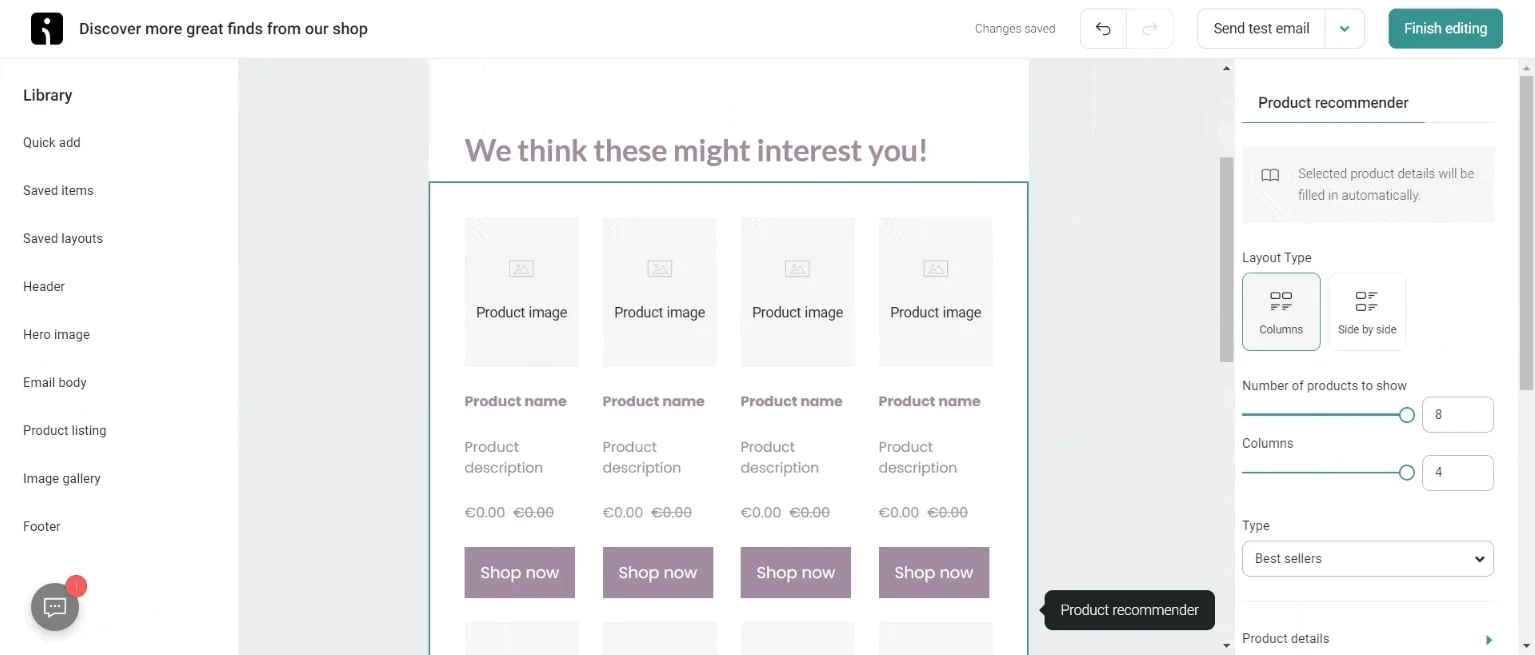
The perception that cross-selling and upselling are merely aggressive tactics designed to manipulate customers into larger expenditures is a pervasive misconception within the commercial landscape. Far from being inherently pushy, when executed with a genuine focus on customer needs and value, these strategic approaches can profoundly enhance the customer experience, cultivate enduring relationships, and organically drive revenue growth. The fundamental principle underpinning successful implementation is an unwavering commitment to prioritizing the customer’s best interests, ensuring that every recommendation genuinely adds value. This customer-centric approach fosters a memorable shopping journey, with increased profitability emerging as a natural consequence of enhanced satisfaction and utility. This comprehensive analysis delves into the intricate distinctions between upselling and cross-selling, elucidating their core differences, exploring best practices for implementation, and examining their broader implications for modern businesses.
Deconstructing Cross-Selling: Expanding the Customer’s Horizon
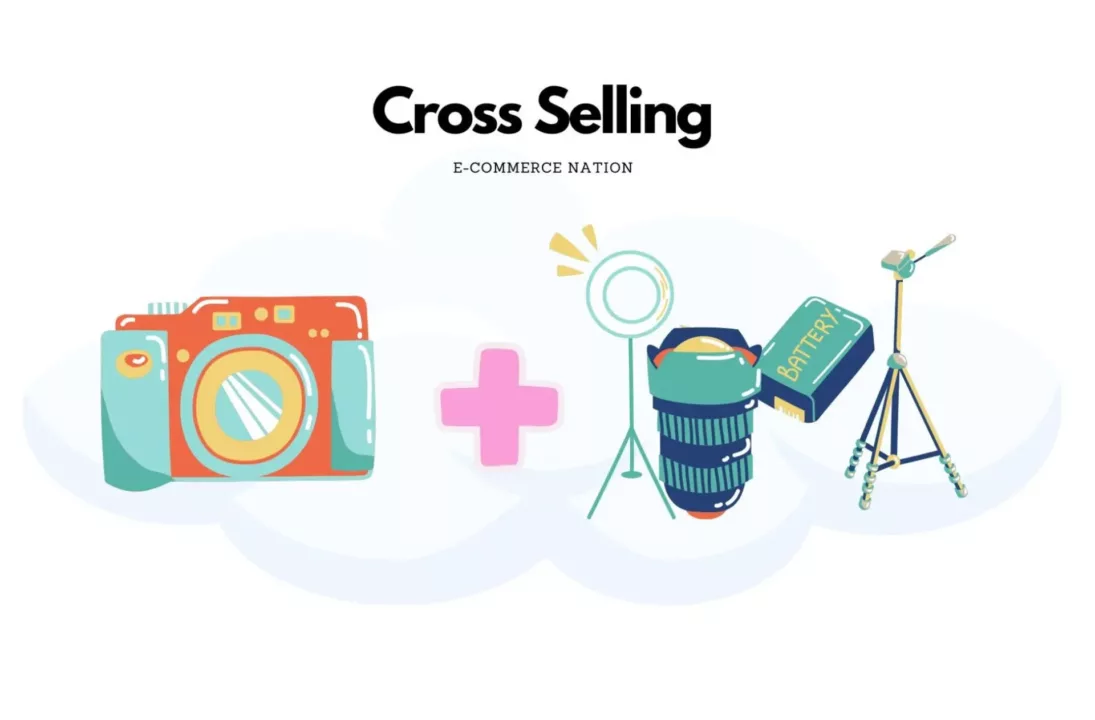
Cross-selling is defined as the strategic practice of recommending complementary products or services related to an item a customer has either recently purchased or is currently considering. The intrinsic value of cross-selling lies in its ability to present additional solutions or enhancements that are directly relevant to the customer’s primary acquisition, thereby enriching their overall experience and increasing the business’s revenue per transaction. For instance, a technology retailer selling a new laptop might intelligently cross-sell essential accessories such as a protective laptop bag, a high-performance wireless mouse, or an extended warranty plan. Similarly, a fashion boutique could recommend a matching pair of gloves or a stylish hat when a customer selects a scarf, completing an ensemble. In the realm of e-commerce, cross-selling frequently manifests through "Customers also bought," "Frequently bought together," or "Recommended for you" sections, strategically placed on product pages, at checkout, or within post-purchase communications.
The strategic imperative for a robust cross-selling strategy is multifaceted. Firstly, it significantly boosts Average Order Value (AOV) by encouraging customers to add more items to their cart. Secondly, it deepens customer engagement by demonstrating an understanding of their needs and proactively offering relevant solutions, which can lead to higher satisfaction and loyalty. Thirdly, it is a highly cost-effective method of increasing sales, as it leverages existing customer relationships rather than incurring the higher costs associated with acquiring new customers. Research consistently indicates that selling to an existing customer is significantly cheaper and more successful than acquiring a new one.

Unpacking Upselling: Elevating the Core Purchase
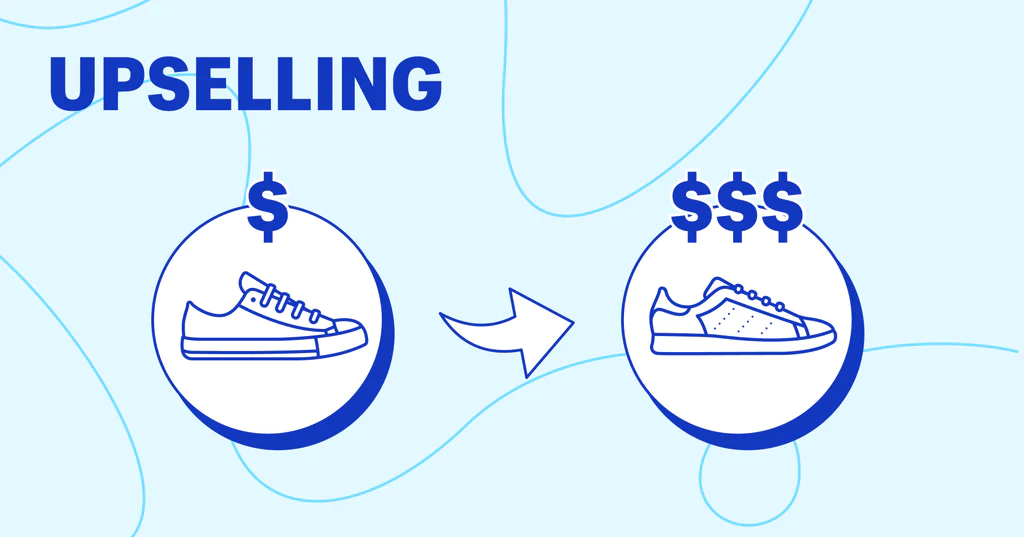
In contrast to cross-selling, upselling is the practice of encouraging customers to purchase a more premium, enhanced, or higher-value version of the product or service they are already considering. This could involve suggesting a more expensive model with superior features, a larger quantity, or the addition of advanced functionalities or service tiers. The primary objective of upselling is twofold: to provide demonstrably greater value to the customer through an upgraded offering, while simultaneously increasing the sales revenue from that individual purchase.
Upselling transcends mere price elevation; it serves to introduce customers to potentially superior versions of a product they might not have been aware of. For example, if a customer is looking at a standard laptop, an effective upsell might involve recommending a more advanced model with a faster processor, greater storage capacity, or a premium display, framing these enhancements as a long-term investment in performance and user experience. Here, the customer is encouraged to swap their initial product choice for a more robust or feature-rich alternative. The success of upselling hinges on the perceived value of the upgrade; it must genuinely offer tangible benefits that justify the increased cost from the customer’s perspective.
Discerning the Nuances: Cross-Selling vs. Upselling
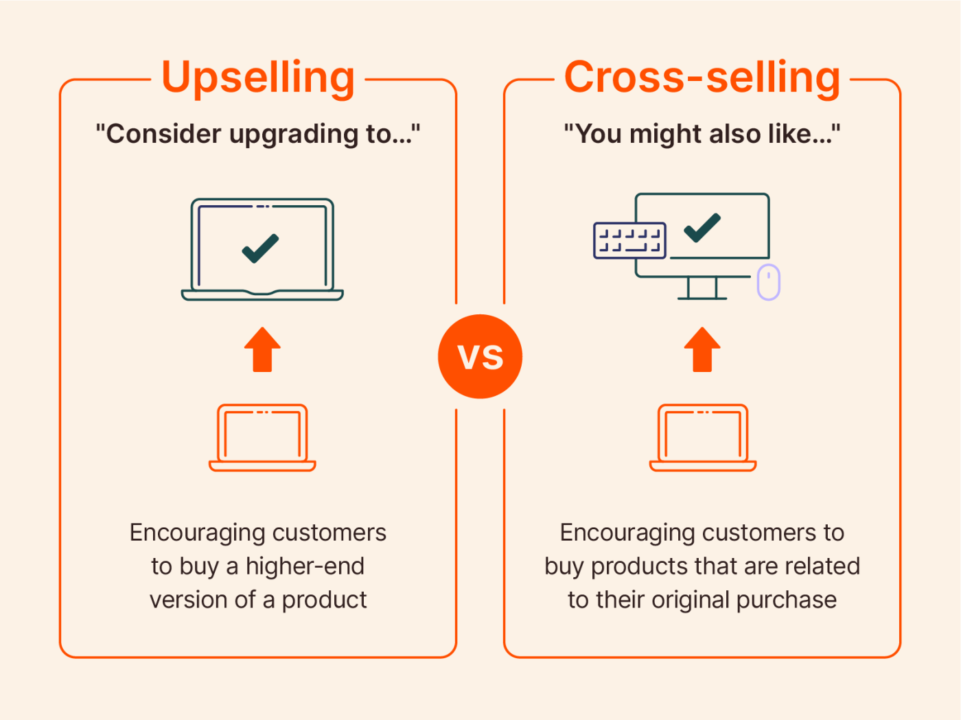
While both cross-selling and upselling share the overarching goal of increasing order value and improving Return on Investment (ROI), their methodologies and product focus distinctively set them apart. Cross-selling focuses on adding complementary products to an order, expanding the breadth of the purchase. Upselling, conversely, concentrates on upgrading the primary product the customer has selected, increasing the depth and value of that single item. Thus, cross-selling grows the total order value by increasing the number of items, while upselling grows the value of a single purchase by improving its quality or tier.
Consider the attributes that delineate these two powerful strategies:
- Definition: Cross-selling recommends related items; upselling encourages spending more on the current purchase.
- Core Concept: Cross-selling facilitates the addition of complementary products; upselling involves swapping for a better or more expensive option.
- Impact on Value: Cross-selling increases the value of the entire order through more items; upselling increases the value of a single product.
- Product Focus: Cross-selling involves multiple products; upselling concentrates on one product.
- Customer Intent: Cross-selling introduces products the customer didn’t initially intend to buy but which enhance the original order; upselling works with the product the customer already intended to buy, offering an improved version.
- Execution Difficulty: Cross-selling can be harder, requiring precise knowledge of what genuinely benefits the customer alongside their primary purchase. Upselling can be relatively easier, as the customer has already demonstrated interest in the core product category.
- Examples: Cross-selling: Laptop → laptop bag, wireless mouse. Upselling: Laptop → more advanced model with better specifications.
- Deployment Channels: Cross-sells typically appear at checkout, on product pages, and in post-purchase emails. Upsells are often found during product selection, in cart abandonment flows, or dedicated upsell email series.
Similarities and Strategic Overlaps
Despite their distinctions, both strategies are powerful tools for customer retention and revenue growth. They provide customers with valuable additions or upgrades while simultaneously boosting a business’s bottom line. Crucially, they represent some of the most cost-effective methods for increasing sales, particularly in an environment where customer acquisition costs are steadily rising. A HubSpot 2025 State of Sales Report, surveying 1,000 global sales professionals, highlighted that establishing trust and rapport (40%) and providing consistent value (39%) were considered the most effective upsell and cross-sell strategies. Furthermore, 37% of respondents identified the moment immediately after delivering value as the optimal time for an upsell. Both strategies are instrumental in fostering customer loyalty, encouraging repeat purchases, and transforming transactional interactions into lasting relationships.
The Strategic Imperative: Why Now?
In today’s highly competitive digital marketplace, where customer acquisition costs (CAC) continue to escalate, businesses are increasingly shifting their focus from solely attracting new customers to maximizing the lifetime value (LTV) of their existing customer base. This strategic pivot underscores the critical importance of cross-selling and upselling. It is significantly more economical to generate additional revenue from an existing customer, who has already demonstrated trust and familiarity with the brand, than to invest heavily in acquiring a new one. These strategies are not just about increasing immediate sales; they are fundamental components of a sustainable growth model, fostering deeper engagement, enhancing customer satisfaction, and building a loyal community around a brand. The evolution of e-commerce, driven by advanced analytics and AI, has made the implementation of these personalized strategies more sophisticated and impactful than ever before.
Data-Driven Insights and Effectiveness
The efficacy of cross-selling and upselling is well-documented across various industries. Studies by consulting firms and e-commerce platforms frequently reveal that these strategies can account for a significant portion of a company’s revenue, sometimes as much as 10-30%. Amazon, a pioneer in personalized recommendations, attributes a substantial percentage of its sales to its sophisticated cross-selling and upselling algorithms. Moreover, the success rates for selling to existing customers typically range from 60-70%, compared to a mere 5-20% for new prospects. This stark contrast highlights the inherent advantage of leveraging existing customer relationships. The key differentiator, as supported by the HubSpot report, is not just the offer itself, but the context and trust in which it is presented. Personalization, driven by data on past purchases, browsing history, and demographic information, further amplifies these success rates, transforming generic suggestions into highly relevant and appealing propositions.
Implementing Cross-Selling and Upselling in Your Business: A Framework for Success
The cornerstone of effective cross-selling and upselling is the unwavering commitment to providing genuine value to the customer. This necessitates a strategic framework built on understanding, mapping, and targeting.
- Get Familiar with Your Customer Base: A deep understanding of your customers is paramount. This encompasses their demographic profiles, psychographic attributes, purchasing behaviors, and overall engagement history with your brand. Utilizing this rich data, businesses can segment their customer base effectively, enabling hyper-personalized cross-selling and upselling initiatives. Methods for familiarization include analyzing purchase history, conducting customer surveys, monitoring website analytics, and leveraging customer feedback.
- Map the Customer Journey: Tracking the customer’s journey from initial interest to repeat purchases provides invaluable insights. This mapping helps to identify key touchpoints where cross-selling and upselling opportunities are most relevant and impactful. A comprehensive customer journey map should record: customer pain points, motivations, preferred communication channels, and interactions with various products. This data is crucial for delivering timely and personalized recommendations, ultimately enhancing the shopping experience and increasing the likelihood of purchase.
- Identify Products that Solve Problems: The focus must always remain on value creation. Recommend products that genuinely address customer needs, solve existing problems, or enhance the utility of their primary purchase. The goal is to cultivate long-term relationships, not just short-term sales. For example, suggesting a refill ink cartridge alongside a new printer, or a high-quality protector for a new smartphone, offers clear, tangible utility. Similarly, any suggested upgrade must remain within the customer’s perceived budget and align with their demonstrated needs, avoiding suggestions that feel exploitative or irrelevant.
- Establish Your Cross-Selling and Upselling Techniques: This involves defining when and how to deploy each strategy. Businesses must decide whether to use them individually or in combination, the optimal frequency for product bundling, and the specific channels for delivery. Continuous A/B testing of various techniques—such as different recommendation algorithms, offer presentations, or timing—is essential to identify the most effective approaches for your specific audience and product lines.
Pros and Cons of Cross-Selling and Upselling: A Balanced Perspective
Like any strategic initiative, cross-selling and upselling present both distinct advantages and potential pitfalls.
Benefits of Cross-Selling and Upselling:
- Increased Revenue and Profitability: Directly contributes to higher Average Order Value (AOV) and Customer Lifetime Value (CLTV).
- Enhanced Customer Loyalty and Retention: By offering relevant solutions, businesses demonstrate care and understanding, fostering trust and encouraging repeat purchases.
- Cost-Effective Sales Growth: It is significantly cheaper to sell more to existing customers than to acquire new ones.
- Improved Customer Experience: Thoughtful recommendations can help customers discover products they genuinely need or desire, simplifying their shopping process.
- Better Inventory Management: Can help move slow-moving stock or promote new product lines by bundling them with popular items.
- Competitive Advantage: Businesses that master personalized recommendations gain an edge over competitors offering generic experiences.
Potential Drawbacks and How to Avoid Them:
- Perception of Being Pushy: Overly aggressive or irrelevant recommendations can alienate customers, leading to negative brand perception and cart abandonment. This can be mitigated by ensuring relevance, offering limited, high-quality choices, and respecting customer decisions.
- Decision Paralysis: Presenting too many options can overwhelm customers, making it harder for them to make a choice and potentially leading them to abandon their purchase altogether. The solution is to narrow choices to a select few, highly relevant options.
- Irrelevance: Recommending products that don’t align with the customer’s needs or current purchase can be perceived as spam or a lack of understanding. This is best avoided through sophisticated personalization, deep customer segmentation, and continuous optimization of recommendation algorithms.
- Increased Returns: If upsells or cross-sells lead to impulse purchases that don’t meet actual needs, it can result in higher return rates, impacting profitability and customer satisfaction. Clear product descriptions and transparent value propositions are crucial here.
Mastering the Art of Cross-Selling and Upselling: Advanced Strategies
To truly excel, businesses must move beyond basic recommendations and adopt sophisticated strategies:
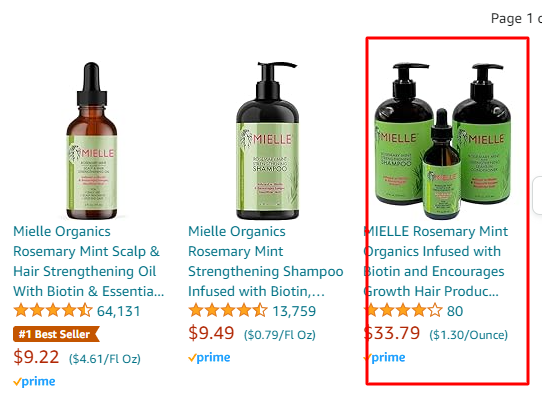
- Narrow the Choices: The paradox of choice dictates that while some choice is good, too much can be debilitating. Presenting a limited, curated selection of the most relevant upgrades or complementary items prevents decision paralysis and enhances the likelihood of conversion. If a customer ignores a suggestion, avoid repetitive pushing; respect their decision and move on.
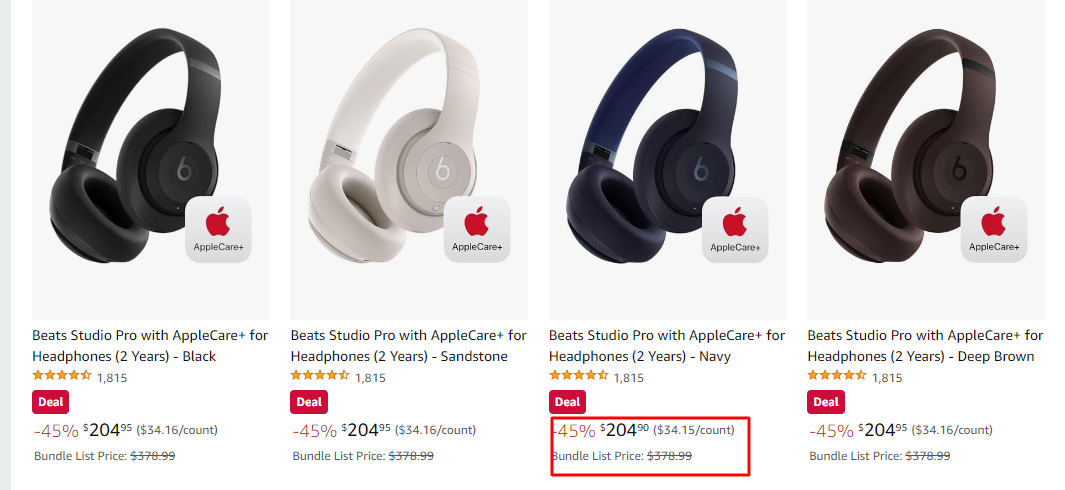
- Reduce Decision Complexity Through Bundling: Product bundling involves offering a collection of related items together, often at a slightly discounted price compared to purchasing them individually. This strategy simplifies the decision-making process for customers, presenting a ready-made solution that offers clear value. Bundling is particularly effective for cross-selling, as it naturally encourages the purchase of multiple complementary items, making the choice easier and more appealing.
- Leverage Price Anchoring and Value-Adding Strategies: Price anchoring is a psychological pricing strategy where the first price point a customer sees (the "anchor") influences their perception of subsequent prices. By initially displaying a higher "original" price, then crossing it out to reveal a "discounted" or "package" price for an upsell or bundle, businesses can make the current offer appear significantly more attractive and valuable. This technique subtly frames the current price as a good deal in comparison to the perceived higher value. Highlighting the added value—such as enhanced features, extended warranties, or exclusive access—is critical to justifying the price difference.
- Cross-Selling and Upselling Dos and Don’ts:
- Number of Options: Do limit each placement to a small set of the most relevant items. Don’t overwhelm shoppers with long, complex lists.
- Relevance: Do recommend products that genuinely enhance the original purchase (e.g., a pen with a journal). Don’t suggest upgrades outside the customer’s budget or needs.
- Timing: Do place cross-sells where purchase intent is high (checkout, order confirmation, post-purchase). Don’t lead with an upsell before the customer perceives value.
- Handling a ‘No’: Do move on gracefully if a customer ignores a suggestion. Don’t repeat the same upsell across multiple touchpoints after rejection.
- Decision Complexity: Do offer pre-made bundles for obvious combinations. Don’t make customers assemble combinations from scattered recommendations.
- Pricing Presentation: Do show the original price alongside the offer to highlight savings. Don’t present a price without a reference point for comparison.
- Personalization: Do base recommendations on browsing and purchase behavior, segmented by customer group. Don’t send generic recommendation blocks to your entire list.
Using Email Marketing for Cross-Selling and Upselling: The Digital Lifeline
Email marketing remains one of the most potent and cost-effective channels for implementing cross-selling and upselling strategies. Unlike static product pages or checkout screens, email allows for sustained communication, personalization, and automation across the entire customer lifecycle. Five key email types are particularly effective:
- Welcome and Thank-You Series (Cross-sell): These initial emails are ideal for introducing new subscribers or first-time buyers to related product categories they might not yet be aware of, subtly expanding their perception of your brand’s offerings.
- Order Confirmation Emails (Cross-sell): These emails boast exceptionally high open rates as customers eagerly await details of their purchase. This makes them a prime location for recommending accessories or complementary items for the product just bought, leveraging proven purchase intent.
- Cart Abandonment Emails (Both): A powerful recovery tool, these emails can simultaneously attempt to recover the initial sale while offering a bundled deal or an upgraded version with an incentive like free shipping, increasing the order’s value if the customer returns.
- Post-Purchase "Recently Purchased" Emails (Cross-sell): Sent after the customer has received and started using their product, these emails can suggest complementary items that enhance the initial purchase, addressing needs that may only become apparent after product use.
- Promotional Campaigns (Upsell): Targeted promotional emails are excellent for showcasing premium tiers or advanced versions of products, often leveraging social proof (testimonials from upgraded customers) to articulate the superior value proposition.
Every email featuring cross-sells or upsells must include a clear Call to Action (CTA) to ensure the recommendation is actionable. Incentives like free shipping can be particularly effective for upsells, as they offset the higher price without devaluing the product itself through direct discounting.
Modern email marketing platforms, such as Omnisend, offer advanced features to automate and optimize these campaigns. They allow businesses to:
- Segment audiences based on various criteria (purchase history, browsing behavior, demographics).
- Personalize email content, including dynamic product recommendations.
- Automate email flows triggered by customer actions (e.g., cart abandonment, purchase).
- Utilize AI-powered product recommenders that automatically select the most relevant items for each shopper, ensuring personalization without manual intervention. This intelligent matching of recommendations to individual browsing and purchase behavior significantly enhances the impact of cross-sell and upsell blocks.
Broader Impact and Future Outlook
The effective implementation of cross-selling and upselling extends beyond immediate financial gains. It fosters a culture of customer-centricity within a business, encouraging teams to think about how they can continually add value. For consumers, it translates into a more intuitive and helpful shopping experience, where discovery is guided by relevance rather than random browsing. As artificial intelligence and machine learning continue to advance, the precision and personalization of these strategies will only grow, making recommendations even more seamless and beneficial. Businesses that invest in sophisticated data analytics and AI-driven marketing automation will be best positioned to harness the full potential of cross-selling and upselling, securing a competitive edge in an increasingly personalized marketplace.
Upselling vs. Cross-Selling: A Concluding Perspective
Ultimately, upselling and cross-selling are indispensable strategies for driving sustainable growth from an existing customer base. Their effectiveness, however, is entirely contingent on their meticulous execution. This involves a deep understanding of customer needs, precise personalization of recommendations, impeccable timing, thoughtful product bundling, and compelling messaging. The integration of robust e-commerce email marketing software and AI-powered tools is not merely an advantage but a necessity in streamlining these processes, enabling businesses to generate sales on autopilot while simultaneously enriching the customer journey. By embracing these principles, businesses can transform transactional interactions into enduring relationships, securing both immediate revenue gains and long-term customer loyalty.








