 Suro Senen
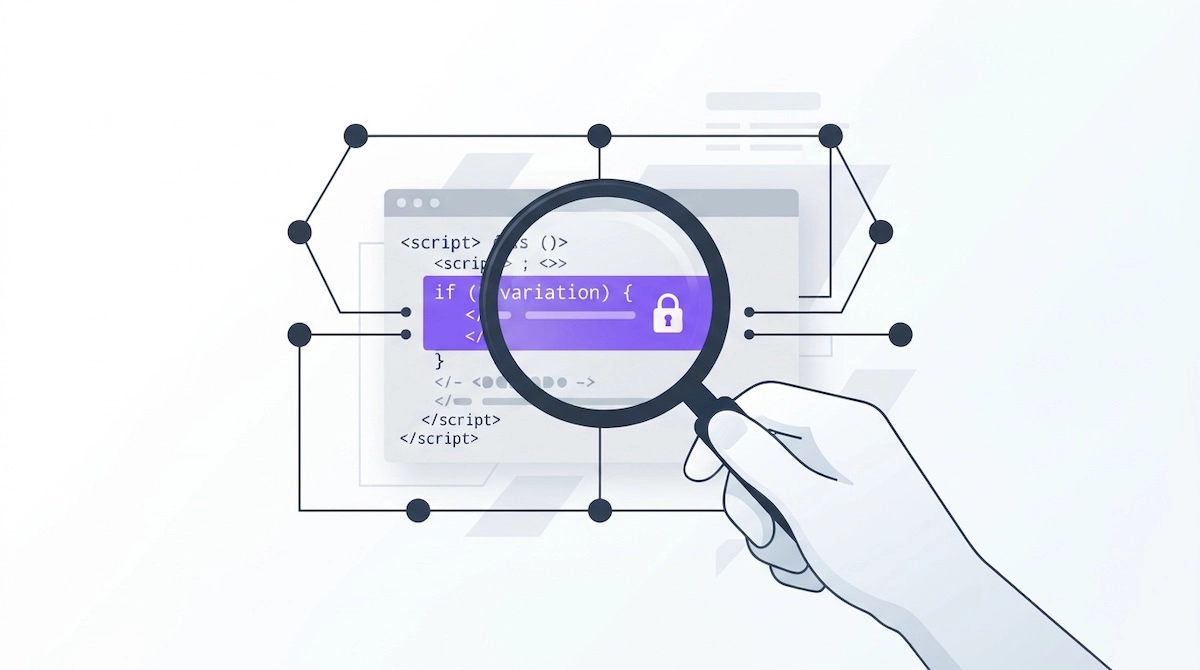
On November 16, 2026, a sophisticated supply chain attack targeted Optimizely, one of the world’s leading digital experience and A/B testing platforms, resulting in the injection of malicious JavaScript into the websites of hundreds of major international organizations. The breach exploited a critical vulnerability within the signup flow of Optimizely’s Web Experimentation product, allowing unauthorized actors to modify the client-side code snippets that run on customer websites. Security researchers at Report URI confirmed that the incident affected at least 178 organizations, including high-profile entities such as CNN, Fox News, the BBC, and Salesforce.
The attack represents a significant escalation in supply chain vulnerabilities, specifically targeting the "snippets" that marketing and product teams use to run experiments and track user behavior. Because these snippets are hosted on the vendor’s Content Delivery Network (CDN) and trusted by the client’s browser, the malicious code was able to bypass many traditional perimeter defenses.
Chronology of the November 16 Security Breach
The timeline of the attack indicates a rapid execution by the threat actors and a subsequent scramble by Optimizely to contain the damage. According to data provided by Report URI, which tracked the infection across more than 1,600 unique Optimizely snippets, the first instance of malicious code injection occurred at approximately 04:21 UTC on November 16.
Throughout the day, the unauthorized party systematically exploited a vulnerability in the account creation process to gain access to project-level JavaScript settings. Once inside, they appended malicious scripts to the legitimate experimentation code. By the time the breach was fully identified and the remediation process began, the malicious code had been active for nearly 19 hours.
Optimizely’s internal security teams began rolling back changes and securing affected accounts late in the evening. By 23:11 UTC on the same day, researchers reported that all previously infected files they were monitoring had been cleaned. On November 17, Optimizely updated its official status page to indicate that the vulnerability had been patched and the incident had moved into a monitoring phase.
Technical Analysis of the Malicious Payload
The primary objective of the attack appeared to be financial gain and data harvesting. The injected JavaScript was designed to function as a "skimmer," a technique often associated with Magecart-style attacks. Once the script was loaded into a visitor’s browser via the compromised Optimizely snippet, it performed several malicious actions:
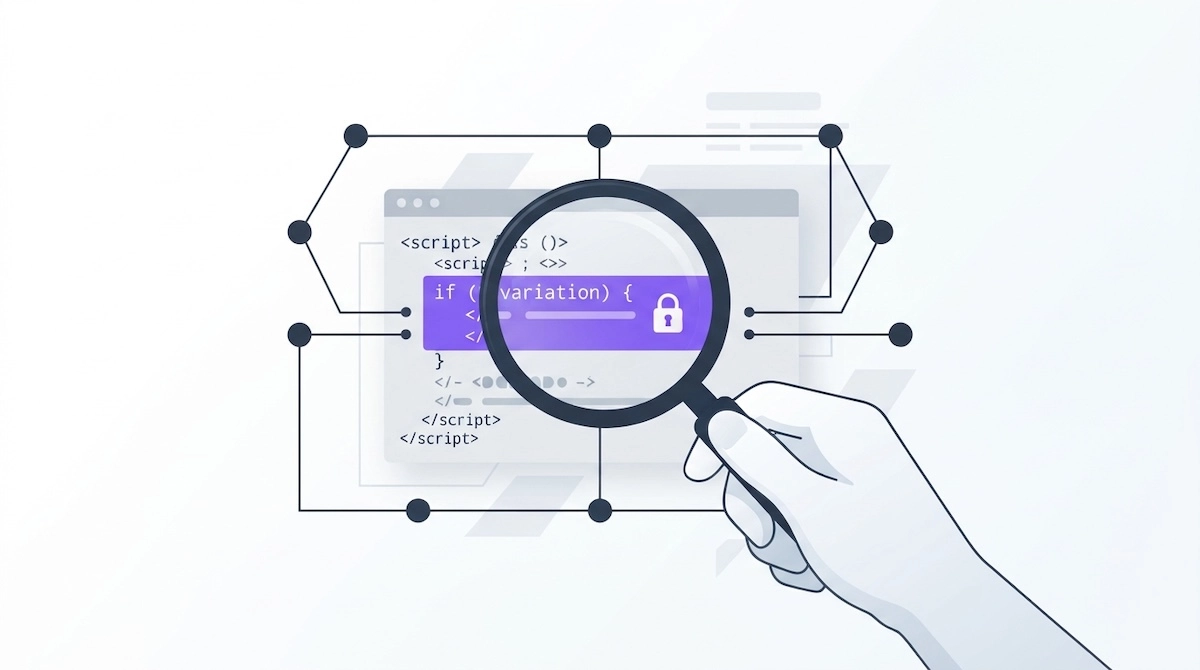
- Payment Card Theft: The script monitored checkout pages and forms, intercepting credit card numbers, CVV codes, and expiration dates as users entered them.
- Cryptocurrency Hijacking: The code was programmed to identify and replace cryptocurrency wallet addresses displayed on a webpage with addresses controlled by the attackers, redirecting potential transfers.
- Credential and Cookie Harvesting: The script attempted to steal session cookies and login credentials, which could be used for further account takeover attacks or sold on dark web marketplaces.
The stealth of the attack relied on the inherent trust placed in third-party CDNs. Because the malicious code was served from Optimizely’s own infrastructure (*.optimizely.com), it was not flagged as a cross-site scripting (XSS) attempt by many basic security filters.
Official Responses and Industry Impact
In a statement provided to security news outlet BleepingComputer, Optimizely confirmed that the vulnerability resided specifically in its Experimentation account signup flow. While the company has not released a full technical post-mortem, it assured customers that the entry point has been closed and that the integrity of the experimentation platform has been restored.
The incident has sent ripples through the digital marketing and cybersecurity sectors. Competitors in the A/B testing space, such as Convert, quickly moved to reassure their own client bases. Convert conducted an exhaustive scan of its own infrastructure, including every JavaScript and CSS file stored across all customer projects and variations. The company confirmed that no malicious hosts or patterns associated with the Optimizely breach were found within its system.
Convert’s leadership noted that their architecture differs significantly, as code changes can only be made through an authenticated API or signed-in user sessions with specific role-based permissions. "A client-side testing snippet runs code on every page it’s installed on," the company noted in a technical brief. "Teams need to know who can change it and how each change is recorded."
The Vulnerability of Client-Side Experimentation
The Optimizely breach highlights a fundamental security challenge in modern web development: the reliance on third-party client-side scripts. These scripts are essential for tools ranging from analytics (Google Analytics) to customer support (Intercom) and experimentation (Optimizely, VWO, Convert).
When a company adds a script tag to its header, it is essentially granting that third-party vendor the authority to execute code in its visitors’ browsers. If the vendor is compromised, the "downstream" impact can be catastrophic. This incident has forced many security teams to re-evaluate their use of client-side testing in favor of server-side experimentation, where the logic is executed on the company’s own servers and only the final result is sent to the browser, significantly reducing the attack surface.
Strengthening Defenses: Content Security Policy (CSP)
One of the most critical takeaways from the November 16 incident is the effectiveness of a robust Content Security Policy (CSP). A CSP is a security header that tells a browser which sources of content (scripts, styles, images) are trusted.

Data from Report URI’s analysis of the affected hosts revealed a stark contrast in outcomes based on CSP implementation:
- Of the 256 hosts crawled, 68 had no CSP at all, leaving them entirely vulnerable.
- In 24 cases, a strict CSP blocked the injected malicious code from executing entirely.
- In 17 cases, the code executed, but the
connect-srcdirective prevented the stolen data from being sent back to the attackers’ servers. - However, policies that included
unsafe-evalorstrict-dynamicwere often bypassed by the attackers, proving that a poorly configured CSP can offer a false sense of security.
Security experts recommend that organizations implement a "Report-Only" CSP initially to identify necessary third-party connections before moving to an enforcement model. This allows teams to see what would be blocked without breaking site functionality.
Broader Implications for Cybersecurity Standards
As supply chain attacks become more frequent and sophisticated, industry certifications such as SOC-2 and ISO 27001 are becoming mandatory benchmarks for vendors. These certifications require rigorous third-party audits of a company’s security controls, incident response plans, and data handling procedures.
The Optimizely incident is likely to lead to increased demand for features such as:
- Two-Factor Authentication (2FA) Enforcement: Ensuring that no user can modify project code without a second layer of verification.
- Granular Role-Based Access Control (RBAC): Limiting who can "publish" changes to a live site versus who can simply "edit" an experiment in a sandbox environment.
- Audit Logs and Change History: Maintaining a permanent, immutable record of every change made to a project, including the identity of the user and the timestamp.
- Approval Workflows: Requiring a second administrator to review and approve any changes to JavaScript before they are deployed to the CDN.
Conclusion: A Turning Point for Third-Party Risk Management
The November 16 attack on Optimizely serves as a stark reminder that even the most trusted software-as-a-service (SaaS) providers can become vectors for malware. While the immediate threat has been neutralized, the long-term impact on the experimentation industry will be characterized by a shift toward more transparent security practices and a likely migration toward server-side or SDK-based testing environments.
For organizations relying on third-party scripts, the lesson is clear: security cannot be outsourced. Regular audits of third-party permissions, the implementation of strict Content Security Policies, and a "zero-trust" approach to client-side code are no longer optional—they are essential components of a modern cybersecurity strategy. As the digital landscape continues to evolve, the ability to rapidly detect and respond to supply chain compromises will define the resilience of the world’s leading digital brands.

 Asro