"Target" is a fundamental concept in modern marketing, representing the bedrock upon which effective communication strategies are built. Identifying the intended audience through various lenses—behavioral, psychographic, demographic, and geographic—is crucial. However, a comprehensive understanding of the consumer landscape necessitates a deeper dive into generational cohorts, recognizing their unique formative experiences and evolving values. This article, part of a series examining digital marketing strategies across different generations, shifts its focus to Millennials, the largest living generation, exploring their characteristics, consumption patterns, and how to effectively engage them in the digital sphere.
The Millennial Generation: Defining a Demographic Milestone
Born between 1980 and 1994, Millennials, also known as Generation Y, represent a significant demographic force, having surpassed Baby Boomers in sheer numbers. This cohort has been the subject of extensive discussion, often characterized by traits such as digital fluency, a heightened awareness of health and wellness, and a burden of student loan debt. While these descriptors offer a snapshot, they often fail to capture the nuanced reality of a generation shaped by profound technological and societal shifts.
The Millennial Mindset: Forged in Digital Transformation
Millennials are uniquely positioned as the generation that came of age alongside the digital revolution. Unlike Gen Z, who were born into a world where the internet and smartphones were already ubiquitous, Millennials witnessed and actively participated in the emergence of the digital age. Their formative years were marked by the meteoric rise of transformative technologies and platforms: the advent of social media giants like Facebook, the pervasive influence of search engines like Google, the disruptive power of e-commerce pioneers such as Amazon, and the consumer electronics dominance of Apple. This constant immersion has cultivated a generation that is inherently tech-savvy and comfortable navigating the digital landscape.
This technological adaptability is paralleled by significant educational attainment. Millennials, on average, possess higher levels of education than previous generations. However, this educational pursuit has often come at a considerable cost, contributing to rising student loan burdens and increased expenses for housing. Consequently, many Millennials are experiencing key life milestones—such as marriage, homeownership, and starting families—at later ages than their predecessors. This delay is not necessarily a reflection of diminished ambition but rather a pragmatic response to economic realities.
Beyond economic and technological influences, Millennials often exhibit a strong sense of self-orientation, valuing individual freedom and personal growth. This idealism fuels a conscious approach to well-being, evident in the growing popularity of plant-based diets (vegetarianism, veganism, pescetarianism) and a general emphasis on healthier lifestyle choices. Furthermore, for this generation, experiences frequently hold more intrinsic value than material possessions. This preference for experiences over goods profoundly influences their purchasing decisions and brand loyalties.
Millennial Consumption Patterns: A Spectrum of Preferences
Research into Millennial consumer behavior reveals a complex interplay of values, economic constraints, and evolving priorities. A comprehensive study by McKinsey & Company identified several distinct consumption clusters within this demographic, highlighting a varied approach to spending. These clusters, while not exhaustive, offer valuable insights for marketers:
- Value-Conscious Shoppers: This segment prioritizes affordability and seeks out deals and discounts. They are adept at comparing prices and are motivated by promotions and loyalty programs. While budget-conscious, they are not necessarily unwilling to spend on quality if the value proposition is clear.
- Quality-Focused Consumers: This group places a high premium on durability, craftsmanship, and the long-term benefits of a product. They are willing to invest more in items that are built to last and offer superior performance. This aligns with their emphasis on health and well-being, often extending to the quality of the products they consume.
- Experience Seekers: As previously noted, this segment prioritizes spending on experiences over material goods. This can range from travel and entertainment to dining out and attending events. Brands that can offer or facilitate memorable experiences are likely to resonate strongly with this group.
- Brand Loyalists: While perhaps less prevalent than in older generations, a segment of Millennials demonstrates strong brand loyalty, particularly when a brand aligns with their values, offers exceptional customer service, or provides a consistent and positive user experience.
- Ethical and Sustainable Consumers: A growing number of Millennials are deeply concerned with the ethical sourcing, environmental impact, and social responsibility of the brands they support. They are more likely to research a company’s practices and choose products from businesses that demonstrate a commitment to sustainability and fair labor.
It is crucial to acknowledge that despite concerns about their financial future, Millennials are often willing to allocate a larger portion of their budget towards premium or quality products. This willingness stems from a belief that investing in well-made, beneficial items—whether for personal health or long-term value—is a sound financial decision.
Strategic Marketing to Millennials: Platforms and Messaging
Understanding the Millennial mindset and consumption patterns is the first step. The next is to determine the most effective channels and messaging to reach this influential demographic.
Platforms to Reach Millennials
The digital landscape is the primary arena for engaging Millennials. Their deep integration with online platforms means that a robust digital marketing strategy is paramount. Key platforms and channels include:
-
Social Media:
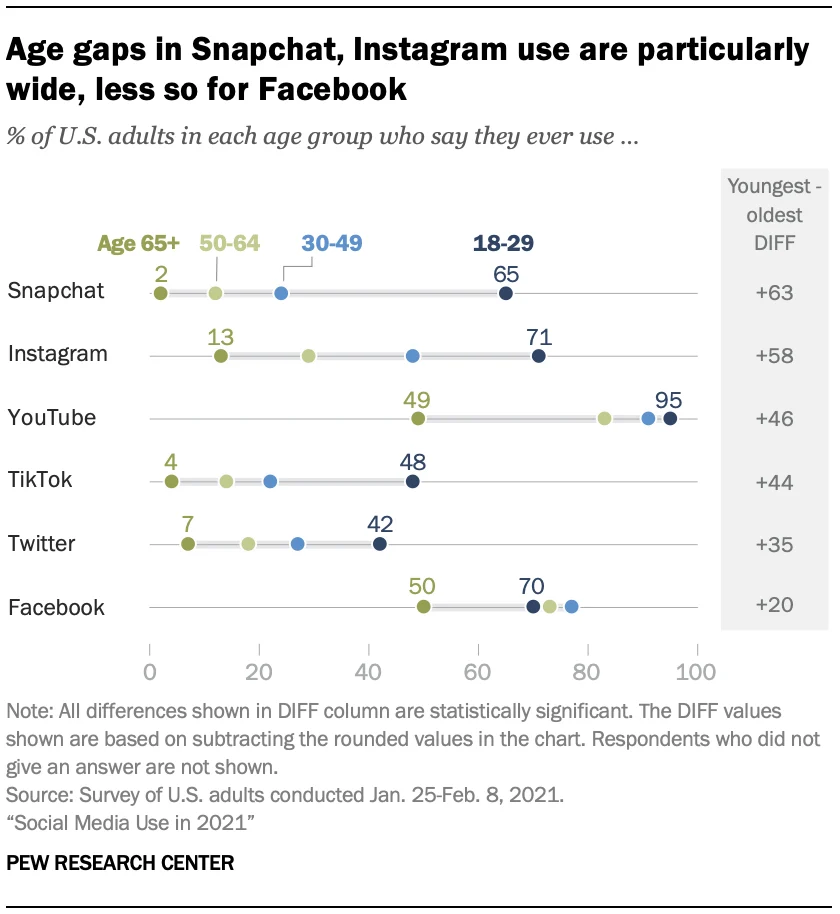
- Instagram: Highly visual, it is a prime platform for showcasing products, lifestyle content, and user-generated campaigns. Millennials use Instagram for discovery, inspiration, and to follow brands they admire.
- Facebook: While younger generations may be migrating to newer platforms, Facebook remains a significant touchpoint for many Millennials, particularly for community building, targeted advertising, and engaging with news and updates.
- YouTube: As a leading platform for video content, YouTube is essential for tutorials, product reviews, brand storytelling, and influencer collaborations. Millennials consume a vast amount of video content here.
- TikTok: While often associated with Gen Z, TikTok’s user base is expanding, and a significant portion of Millennials are now active users, particularly for entertainment and trend-driven content.
- LinkedIn: For B2B marketing or professional services, LinkedIn is indispensable for reaching educated and career-focused Millennials.
-
Search Engine Marketing (SEM) & Search Engine Optimization (SEO): Millennials are adept at using search engines to find information, compare products, and research brands. A strong SEO strategy and targeted SEM campaigns are vital for capturing their attention when they are actively seeking solutions.
-
Influencer Marketing: Collaborating with authentic and relatable influencers who align with a brand’s values can be highly effective. Millennials often trust recommendations from individuals they follow online.
-
Email Marketing: Personalized and value-driven email campaigns can still be highly effective, provided they offer relevant content, exclusive offers, or updates that resonate with Millennial interests.
-
Content Marketing: High-quality, informative, and engaging content—such as blog posts, articles, infographics, and podcasts—that addresses Millennial interests and pain points can build trust and establish brand authority.
-
Mobile Optimization: Given their constant connectivity, ensuring all digital assets and marketing efforts are seamlessly optimized for mobile devices is non-negotiable.
Messaging That Speaks to Millennials
Crafting compelling messaging requires an understanding of what motivates and resonates with this generation. Tailoring your approach based on the specific Millennial consumer cluster you are targeting will yield the best results:
-
Authenticity and Transparency: Millennials value genuine communication. Avoid overly corporate jargon or deceptive marketing. Be upfront about your brand’s values, products, and practices. Share behind-the-scenes content and be honest about any challenges or improvements.
-
Value Proposition Beyond Price: While cost is a factor, emphasize the long-term benefits, quality, and unique selling points of your product or service. Highlight how it can improve their lives, contribute to their well-being, or align with their values.
-
Purpose-Driven Marketing: Many Millennials are drawn to brands that demonstrate a commitment to social and environmental responsibility. Communicate your brand’s mission, ethical practices, and any positive impact it makes on the world.
-
Experience-Focused Language: Frame your offerings in terms of the experiences they enable. Instead of just listing features, describe the feelings, memories, or outcomes that a product or service can provide.
-
Empowerment and Personalization: Message that empowers Millennials to make informed decisions and tailor their experiences will be well-received. Personalized offers, recommendations, and content that acknowledges their individuality are highly effective.
-
Social Proof and User-Generated Content: Leverage testimonials, reviews, and user-generated content to build credibility. Millennials often rely on the opinions and experiences of their peers.
-
Concise and Engaging Content: While they appreciate depth, Millennials are often consuming content on the go. Ensure your messaging is clear, concise, and visually appealing, especially on mobile platforms.
Implications and Future Outlook
The ongoing evolution of the Millennial generation presents a dynamic market landscape. As they continue to mature, their purchasing power and influence will only grow. Marketers who invest in understanding their evolving needs, preferences, and economic realities will be best positioned to build lasting relationships and achieve sustained success. The ability to adapt marketing strategies to encompass their digital fluency, value-driven consumption, and preference for authentic engagement will be paramount in capturing this critical demographic.
Ultimately, effectively marketing to Millennials requires a strategic blend of digital savvy, empathetic communication, and a genuine commitment to delivering value. It’s about building communities, fostering trust, and offering solutions that resonate with their unique life stage and aspirations. For brands looking to connect with this influential generation, a deep dive into their world, coupled with agile and responsive marketing efforts, is no longer optional—it’s essential.
For further assistance in developing a tailored digital marketing strategy to effectively reach and convert your Millennial audience, engaging with experienced marketing professionals is a recommended next step.


 Basiran
 Lina Irawan