admin
admin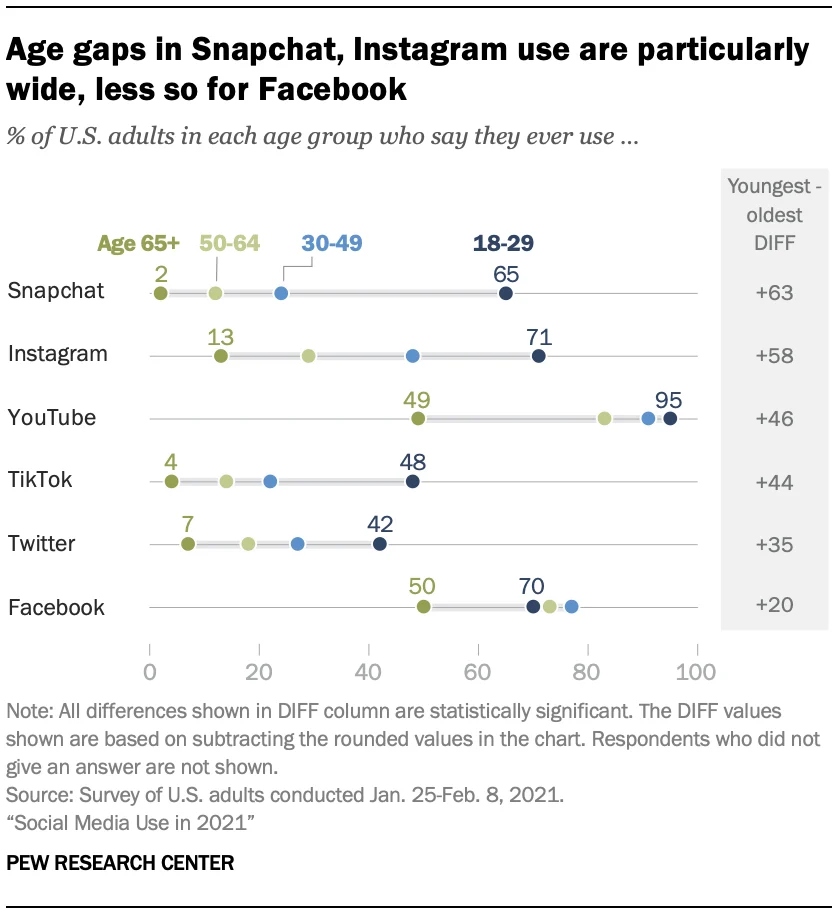
The word "target" is fundamental in marketing, serving as the cornerstone of any effective strategy. Marketers grapple with defining their audience through various lenses: behavioral, psychographic, demographic, and geographic. While these traditional approaches remain crucial, a deeper understanding of generational nuances is paramount for successful communication. This series delves into the digital marketing landscape for distinct generations, beginning with Gen Z, followed by Millennials, Gen X, and Baby Boomers. The objective is to equip businesses with the insights needed to connect with these groups through the right channels and with the most resonant messages.
Our initial focus is on the youngest adult cohort, Generation Z, individuals born between approximately 1997 and 2012. Often characterized by their ubiquitous presence on digital platforms and a perceived unique worldview, Gen Z is a generation shaped by unprecedented technological advancement and significant global events. As they increasingly enter the consumer market and the workforce, understanding their motivations and behaviors is no longer optional but a strategic imperative for marketers.
The Gen Z Mindset: Forged in a Digital and Disruptive World
Gen Z, often referred to as digital natives, has grown up immersed in a world of smartphones, high-speed internet, and constant connectivity. They are the first generation to have no memory of a world without the internet and social media. This digital fluency profoundly influences their perspectives, communication styles, and consumption patterns. Unlike previous generations who witnessed the dawn of the digital age, Gen Z has simply always lived within it.
Beyond their technological upbringing, Gen Z’s formative years have been marked by significant global challenges. They are the first generation to come of age in the post-9/11 era, a period defined by heightened security concerns and geopolitical shifts. Many experienced the lingering effects of the 2008 Great Recession, witnessing economic instability and its impact on their families. More recently, as they transition into higher education and early careers, the COVID-19 pandemic has introduced unprecedented disruptions to their education, social lives, and economic prospects.
These cumulative experiences have cultivated a generation characterized by pragmatism, resilience, and a strong sense of realism. They are often described as open-minded and highly adaptable, capable of navigating complex information landscapes and diverse viewpoints. Their inherent digital mastery makes them exceptionally adept at consuming and processing information quickly, often leading to shorter attention spans for content that fails to immediately capture their interest.
This generation is also deeply aware of the societal and environmental issues that shape their world. Consequently, they have emerged as highly ethical consumers, demonstrating a keen interest in brands that align with their values. They are often skeptical of traditional advertising, having been exposed to marketing messages across a vast array of platforms throughout their lives. This skepticism necessitates a departure from overt or intrusive promotional tactics, demanding authenticity and genuine engagement from brands.

Furthermore, Gen Z places a significant premium on uniqueness and individuality. They strive to express themselves authentically and are drawn to brands that celebrate and facilitate this self-expression. This appreciation for distinctiveness extends to their media consumption and purchasing decisions, where they seek products and experiences that set them apart.
Gen Z Consumption Habits: Data-Driven Insights
Research from various institutions consistently highlights key aspects of Gen Z’s consumption behavior. A study by McKinsey & Company, for instance, shed light on three critical areas:
- Value-Driven Purchasing: Gen Z is highly attuned to the ethical and social impact of their purchases. They are more likely to support brands that demonstrate a commitment to sustainability, fair labor practices, and social responsibility. This conscious consumerism means that transparency regarding a brand’s sourcing, production, and corporate values is paramount. They are willing to pay a premium for products from companies that align with their ethical framework.
- Digital-First Engagement: Their innate digital fluency translates directly into their shopping habits. Gen Z prefers online channels for research, discovery, and purchasing. They are comfortable with e-commerce, mobile shopping, and the use of social media platforms for product recommendations and inspiration. However, their digital experience is not solely transactional; they also value the social and community aspects of online platforms.
- Influence of Peers and Influencers: While skeptical of traditional advertising, Gen Z is highly influenced by the opinions and experiences of their peers and trusted online personalities. User-generated content, reviews, and endorsements from influencers they follow play a significant role in their decision-making process. This reliance on authentic social proof underscores the importance of community building and authentic advocacy for brands.
Additional data points from various market research firms further illuminate Gen Z’s consumption patterns:
- Mobile Dominance: Reports indicate that a significant majority of Gen Z consumers conduct their online research and make purchases via mobile devices. This underscores the necessity for mobile-optimized websites, intuitive app experiences, and seamless mobile payment options.
- Short-Form Video Preference: Platforms like TikTok and Instagram Reels have become central to Gen Z’s media consumption. They respond well to short, engaging, and visually appealing video content that is both entertaining and informative. The ability to convey a message concisely and creatively is crucial.
- Desire for Personalization: Gen Z expects personalized experiences from brands. This can range from tailored product recommendations based on their browsing history to customized marketing messages that acknowledge their individual preferences. Generic, one-size-fits-all approaches are likely to be overlooked.
- Brand Authenticity and Transparency: A recurring theme is the demand for authenticity. Gen Z can readily detect disingenuous marketing. Brands that are transparent about their products, their business practices, and their values are more likely to earn their trust and loyalty. This includes admitting mistakes and demonstrating a commitment to improvement.
Strategic Marketing Approaches for Gen Z
Understanding the Gen Z mindset and consumption habits provides a foundation for developing effective digital marketing strategies. The key lies in meeting them where they are and speaking their language.
Platforms to Reach Gen Z
The digital landscape frequented by Gen Z is dynamic and multifaceted. While a comprehensive list is ever-evolving, several platforms consistently emerge as critical touchpoints:
- TikTok: This short-form video platform has become synonymous with Gen Z culture. Its algorithm-driven content discovery, creative tools, and emphasis on trends make it an ideal space for brands to engage through entertaining, educational, or challenge-based content. Viral trends and user-generated content are powerful drivers on this platform.
- Instagram: While its user base is broadening, Instagram remains a significant platform for Gen Z, particularly its Reels, Stories, and feed content. Visual storytelling, aspirational content, and direct engagement through comments and DMs are key. Influencer collaborations are also highly effective here.
- YouTube: Beyond entertainment, YouTube serves as a primary source for information, tutorials, and product reviews for Gen Z. Longer-form content, educational videos, and authentic vlogs can build deep connections. Creators who offer genuine value and personality resonate strongly.
- Snapchat: Known for its ephemeral messaging and filters, Snapchat is popular for its more intimate and casual communication. Brands can leverage its Discover section, sponsored lenses, and creative filters to engage users in a playful and interactive manner.
- Twitch: For brands targeting gamers and those interested in live streaming, Twitch is an indispensable platform. Live interaction, community building, and sponsorships of streamers can provide direct access to a highly engaged audience.
- Discord: This voice, video, and text communication service has become a hub for online communities. Brands can establish their own servers to foster direct engagement, provide customer support, and build a loyal community around shared interests.
The image provided illustrates the age distribution across various social media platforms, clearly indicating the strong presence of younger demographics on platforms like TikTok and Snapchat, while also showing continued engagement from Gen Z on platforms like Instagram and YouTube. This visual data reinforces the strategic importance of prioritizing these platforms for reaching this demographic.
Messaging That Speaks to Gen Z
Crafting messages that resonate with Gen Z requires an understanding of their communication preferences and values:

- Authenticity and Transparency: Avoid overly polished or corporate-sounding language. Use genuine, relatable voices. Be upfront about your brand’s mission, values, and even its imperfections. Honesty builds trust.
- Value-Driven Narratives: Connect your brand’s offerings to the positive impact they can have, whether it’s on the individual, society, or the environment. Highlight your brand’s ethical practices, sustainability efforts, or contributions to causes Gen Z cares about.
- Humor and Relatability: Gen Z appreciates humor that is often self-aware, a bit dark, and highly relevant to current trends and cultural moments. Memes, witty captions, and lighthearted content can be highly effective.
- User-Generated Content and Community Building: Encourage your audience to create and share their own content related to your brand. Feature this content prominently, fostering a sense of community and belonging. Interactive campaigns and challenges can drive this engagement.
- Conciseness and Visual Appeal: Given their short attention spans and preference for visual content, messages should be brief, to the point, and visually engaging. High-quality imagery, short videos, and infographics are more likely to capture and hold their attention.
- Call to Action with Purpose: When including a call to action, ensure it’s clear and compelling. However, it should also feel like a natural extension of the brand’s values or the content’s message, rather than a purely transactional request.
Broader Implications and Future Outlook
The rise of Gen Z as a significant consumer force necessitates a fundamental shift in how businesses approach marketing. Companies that fail to adapt to their preferences risk becoming irrelevant. The emphasis on authenticity, ethical consumption, and digital fluency is not a fleeting trend but a reflection of a generation that has grown up in a profoundly different world.
For brands, this presents both challenges and opportunities. The challenge lies in shedding traditional, often intrusive, marketing paradigms. The opportunity lies in building deeper, more meaningful relationships with consumers based on shared values and genuine engagement. This requires a commitment to transparency, social responsibility, and a willingness to embrace innovative digital communication strategies.
The insights into Gen Z’s mindset, consumption habits, and preferred platforms are not merely theoretical. They are actionable intelligence that can inform marketing budgets, content creation, and platform selection. By embracing these principles, brands can not only reach Gen Z but also foster lasting loyalty and become integral to their generation’s evolving cultural landscape. As the digital world continues to transform, staying attuned to the preferences and behaviors of emerging generations will remain a critical determinant of marketing success.
Ultimately, marketing to Gen Z is about more than just selling products; it’s about building a brand that aligns with their worldview, respects their intelligence, and actively contributes to a better future. This approach, while requiring effort and adaptation, promises to yield more authentic connections and sustainable brand growth in the years to come.
For more in-depth assistance in crafting a digital marketing strategy tailored to resonate with and convert your Gen Z audience, engaging with expert teams can provide invaluable guidance and execution.