admin
admin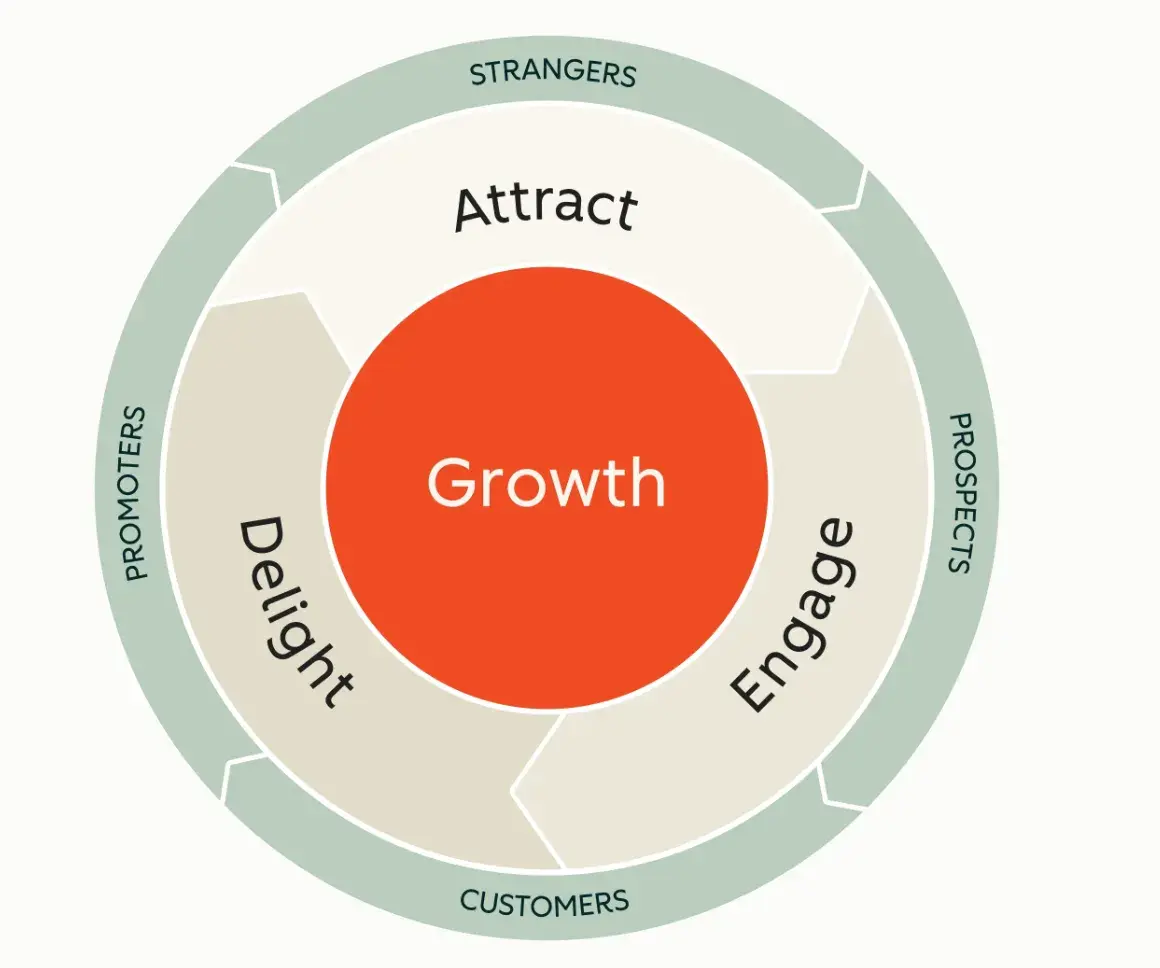
The marketing landscape has undergone more transformation in the past three years than in the preceding five decades, a sentiment echoed by two-thirds of marketing professionals globally. This unprecedented acceleration, largely driven by the pervasive integration of artificial intelligence (AI), has rendered traditional marketing frameworks increasingly obsolete, necessitating a fundamental shift towards adaptive strategies like Loop Marketing. Understanding the critical distinctions between Loop Marketing and its conventional predecessors is no longer merely advantageous but essential for brands aiming to effectively reach, engage, and retain customers in an AI-driven world.
The Paradigm Shift: From Funnel to Loop
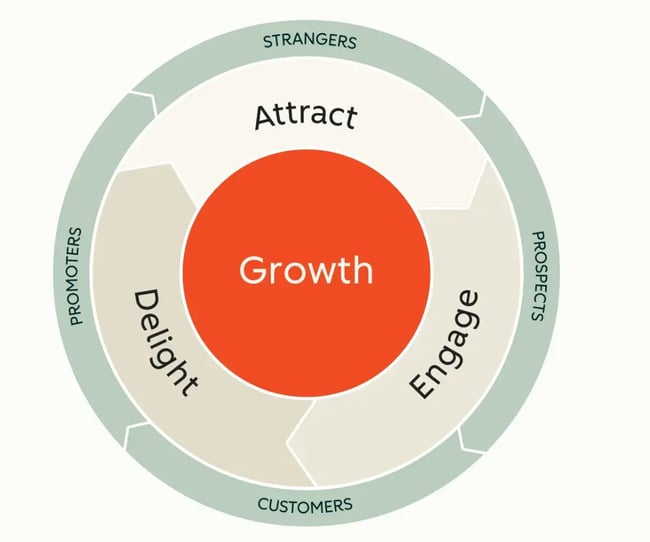
For decades, the traditional marketing funnel, characterized by a linear progression from "Attract" to "Engage" and "Delight" (often synonymous with Awareness, Consideration, and Decision), served as the foundational model for customer acquisition. This framework envisioned a straightforward customer journey, where brands meticulously planned campaigns months in advance, crafted content for broad demographic segments, and measured success incrementally, often after the fact. Optimization was a slow, reactive process, if it occurred at all, relying on periodic reviews rather than continuous feedback. Campaigns were largely broadcast-oriented, pushing messages out to consumers in the hope of guiding them down a predefined path towards purchase and, ideally, advocacy. This approach, while effective in its time, was built on assumptions of predictable consumer behavior and a less fragmented media landscape.
However, the advent of sophisticated AI technologies, particularly large language models (LLMs) and generative AI, has irrevocably altered consumer behavior and digital discovery patterns. The customer journey is no longer a predictable, linear path but a fragmented, multi-touchpoint experience, largely influenced by AI-powered interactions. Consumers increasingly bypass traditional websites and direct brand interactions in favor of instant answers provided by AI summaries and chatbots. Recent data underscores this dramatic shift: as many as 60% of Google searches now conclude without the user clicking on a single link, indicating a profound reliance on AI-generated insights and summaries. This trend is further supported by studies from firms like Bain & Company, which highlighted increased consumer reliance on AI search results, signaling a new era of digital information consumption. Attention is scattered across a myriad of platforms, from short-form video on TikTok and YouTube to niche online communities and private messaging apps, making it challenging for brands to "own" the conversation in the way they once did.
This disruption has rendered the static nature of the traditional marketing funnel fundamentally broken. Tactics that proved effective just two years ago are rapidly losing efficacy. Marketers are confronted with the challenge of engaging an increasingly sophisticated and self-sufficient consumer base that expects highly personalized, contextually relevant interactions wherever they choose to seek information. The answer lies in an iterative, responsive approach that mirrors the dynamic nature of modern consumer behavior—an approach embodied by Loop Marketing, which HubSpot champions as an evolution of its renowned inbound methodology for the AI era.
Understanding Loop Marketing: A Cyclical Growth Engine
Loop Marketing redefines the customer journey as a continuous, adaptive system. Unlike the linear funnel, Loop Marketing operates on a cyclical, self-improving principle, leveraging AI to power every stage. It envisions a world where content is endlessly personalized, campaigns are optimized in real-time, and positive marketing outcomes feed back into the system, continuously refining future interactions. This framework is specifically designed for the era of AI discovery and fragmented search, transforming marketing from a series of discrete campaigns into a perpetually learning growth engine. The core of Loop Marketing is its four interconnected stages: Express, Tailor, Amplify, and Evolve. Each stage plays a critical role, ensuring that the entire system is founded on deep understanding, personalized delivery, broad reach, and constant refinement.
Express: Defining Brand Identity in the AI Era
The initial "Express" stage is foundational, focusing on clearly articulating the brand’s identity, values, and target audience. While traditional marketing also emphasizes brand definition through ideal customer profiles (ICPs) and brand guidelines, Loop Marketing elevates this by requiring these insights to be translated into rich, structured documentation capable of training AI models. This means moving beyond static PDF documents to creating dynamic content libraries that an LLM can parse and understand, allowing it to accurately reflect the brand’s voice, messaging, and audience nuances.
Key assets compiled in this stage include detailed ICPs, comprehensive brand style guides, content pillars, competitor analyses, and, critically, authentic customer insights derived from direct feedback, surveys, and behavioral data. This ensures that any AI-generated content or interaction remains true to the brand’s essence and resonates deeply with its intended audience. The emphasis here is on human-driven insights informing AI capabilities, rather than allowing AI to invent brand attributes. HubSpot’s tools, for example, facilitate the creation and organization of these assets, providing a centralized repository that fuels the subsequent stages of the loop. This upfront investment ensures that personalization and amplification are built on a solid, authentic brand foundation, thereby avoiding the common pitfall of AI-generated content lacking genuine brand voice or customer empathy.
Tailor: Hyper-Personalization at Scale
Following the "Express" stage, "Tailor" is where the brand’s defined identity meets individual customer needs through sophisticated personalization. In the traditional funnel, personalization might involve segmenting audiences into a few broad categories or triggering basic responses based on limited behavioral data. Loop Marketing, however, leverages AI to create hyper-personalized customer journeys at an unprecedented scale. By drawing upon rich behavioral and contextual data stored within a robust Customer Relationship Management (CRM) system, AI can dynamically adapt messaging, content, and offers for each individual customer.
Instead of two or three pre-defined variations of a message, AI-powered systems can generate hundreds, or even thousands, of personalized iterations, each optimized for the specific individual’s preferences, past interactions, and current intent. This requires a meticulously organized CRM, populated with accurate and continuously updated contact records, and the ability to create dynamic audience segments that evolve in real-time. The "Tailor" stage defines the depth and scale of personalization, providing the AI with the necessary context to deliver truly relevant and impactful interactions. This moves beyond mere segmentation to a level of individualized engagement that builds stronger relationships, fosters loyalty, and drives higher conversion rates by anticipating and meeting specific customer needs.
Amplify: Omnichannel Presence and Answer Engine Optimization (AEO)
The "Amplify" stage focuses on content strategy, creation, execution, and distribution, ensuring that personalized messages reach buyers wherever they are. While traditional marketing also involves content creation and distribution, Loop Marketing significantly broadens the scope and sophistication of these activities, particularly in an AI-first world. This stage moves beyond simply publishing "good" content to strategically optimizing it for fragmented discovery channels and AI platforms.
A critical component of "Amplify" is Answer Engine Optimization (AEO). As consumers increasingly rely on AI chatbots and search summaries for information, brands must ensure their content is structured and optimized to be accurately referenced and cited by these AI systems. This means creating authoritative, concise, and easily digestible content that AI can readily process and incorporate into its responses. Furthermore, "Amplify" emphasizes repurposing content across diverse channels—transforming long-form articles into short-form videos for social media, interactive quizzes, or conversational AI prompts. This ensures maximum reach and engagement across varied platforms where consumer attention is fragmented. HubSpot’s tools, for instance, support multi-channel content deployment and offer features for optimizing content for AI-driven discovery, ensuring brands maintain visibility and relevance across the entire digital ecosystem. This omnichannel approach, coupled with AEO, ensures that the brand’s message isn’t just created, but effectively disseminated and discovered in the modern, AI-dominated landscape.
Evolve: Real-time Optimization and Predictive Analytics

The final and arguably most critical stage of Loop Marketing is "Evolve," which closes the loop by facilitating real-time evaluation and optimization of campaigns. Unlike traditional marketing, where post-campaign reports often lead to slow, incremental adjustments, "Evolve" operates continuously and simultaneously with the other stages. This enables "live learning," transforming marketing into a series of rapid experiments and continuous improvements.
In the "Evolve" stage, AI tools are deployed to analyze performance data, predict what strategies will yield the best results, and suggest real-time adjustments. Marketers can run A/B tests and multivariate experiments at scale, rapidly iterating on messaging, targeting, and channel strategies. This data-backed approach allows teams to quickly identify what works, what doesn’t, and why, feeding these insights back into the "Express" and "Tailor" stages to refine brand definition and personalization parameters. HubSpot’s analytical dashboards and AI-powered insights empower teams to move beyond mere reporting to proactive optimization, ensuring that each cycle of the loop becomes smarter and more effective. This constant feedback mechanism is what truly makes Loop Marketing a compounding growth engine, where every interaction refines the next, leading to sustained improvement in marketing outcomes. This dynamic optimization is crucial for achieving the 30-90 day improvements often seen by teams adopting this methodology.
Strategic Transition: Adopting Loop Marketing
The transition from a traditional funnel approach to Loop Marketing does not necessitate a complete overhaul of existing strategies but rather a strategic layering of AI-powered principles onto proven marketing fundamentals. The core tenets of good marketing—understanding the audience, identifying pain points, creating value, and measuring results—remain sacrosanct. The shift lies in transforming individual campaigns into intelligent, AI-powered systems capable of personalizing and distributing messages at scale.
Setting Clear Objectives: The initial step involves a thorough assessment of existing marketing funnels to identify "leaks" or inefficiencies. This could manifest as low blog-to-lead conversion rates, generic email sequences, or suboptimal post-click experiences. By pinpointing these weaknesses, teams can define specific, measurable goals, such as increasing demo requests by a certain percentage or boosting engagement/conversions on specific content. Efficiency goals, like reducing content production time through AI assistance, can also be targeted. This diagnostic approach ensures that the adoption of Loop Marketing is purposeful and addresses tangible business challenges.
The Foundation of Data Integrity: Loop Marketing’s efficacy is directly tied to the quality and organization of data. A clean, high-quality CRM is indispensable, serving as the central nervous system for AI-driven personalization and optimization. This requires meticulous attention to accurate, enriched contact records and the integration of external data sources (e.g., Google Sheets, Snowflake) through tools like HubSpot’s Data Studio. Without reliable data, AI models cannot effectively tailor messages or provide accurate insights, underscoring data governance as a critical prerequisite. Organizations must invest in data hygiene and integration to maximize the value of their AI investments.
Building the AI-Ready Infrastructure: Before launching the first Loop Marketing campaign, teams must establish a robust foundation. This often involves cross-functional "Hackathons" to align stakeholders and designate specific "brand champions" responsible for the "Express" and "Tailor" stages. The creation of a comprehensive content library designed to train AI models is paramount. This library should be tested with various use cases, iteratively refined until the AI consistently performs to brand standards. Setting up test contacts with dynamic segments and behavioral triggers allows for thorough validation before live deployment, minimizing risks during implementation.
Human Oversight in Automation: While AI offers immense potential for automation, it must always serve human-centric objectives. The goal of Loop Marketing is to enhance customer value, not merely to implement shiny new technologies. As teams move into the "Amplify" stage, every automated action must deliver genuine value. Crucially, human quality checks on all AI-generated output are non-negotiable to ensure accuracy, maintain brand alignment, and preserve emotional resonance. Over-automation without human oversight risks alienating customers and diluting brand authenticity, leading to a negative impact on brand perception and customer trust.
Phased Implementation for Success: Adopting Loop Marketing can seem daunting, particularly for teams accustomed to traditional workflows. A pragmatic approach involves targeting one "quick win" initially. For instance, if web traffic is declining, the focus might be on increasing AI mentions through AEO in the first quarter. If a popular resource consistently generates downloads but rarely converts to demos, optimizing the follow-up email sequence using personalized AI-driven content could be the immediate priority. Starting with a manageable, high-impact project builds team confidence, demonstrates the framework’s tangible benefits, and creates momentum for broader adoption. Each successful iteration around the loop provides valuable learnings, further refining the process and accelerating growth.
Broader Implications and Industry Outlook
The shift to Loop Marketing carries significant implications across the business ecosystem, extending beyond the immediate marketing department. For marketing teams, it necessitates a recalibration of skill sets, placing a premium on data literacy, AI proficiency, and strategic thinking over purely manual execution. New roles may emerge at the intersection of data science, content strategy, and AI operations, fostering greater collaboration and interdisciplinary expertise. Companies like Gartner and Forrester have highlighted the growing demand for "AI translators" – professionals who can bridge the gap between technical AI capabilities and business objectives.
Beyond marketing, Loop Marketing acts as a powerful catalyst for organizational alignment. Sales teams benefit from receiving better-qualified, AI-enriched leads, complete with comprehensive behavioral insights that enable more personalized outreach. This often translates to higher conversion rates and shorter sales cycles. Service teams experience a reduction in routine inquiries as AI agents handle common customer questions, freeing human agents to focus on complex issues and provide higher-value support. This shared, unified view of the customer, powered by interconnected data and AI insights, fosters greater efficiency and a more cohesive customer experience across all touchpoints, aligning the entire organization around customer success.
However, the adoption of Loop Marketing also presents challenges. Concerns around data privacy, the ethical deployment of AI, and the significant initial investment in technology infrastructure and employee training are paramount. Organizations must navigate these complexities responsibly, establishing clear guidelines for AI usage and ensuring compliance with evolving data protection regulations like GDPR and CCPA. The long-term economic implications include a potential shift in advertising spend towards highly personalized, data-driven channels and a heightened demand for sophisticated marketing technology platforms, driving innovation in the MarTech sector.
Industry analysts and leaders increasingly concur that adaptive, AI-powered frameworks like Loop Marketing are not a fleeting trend but a fundamental requirement for sustainable competitive advantage. They emphasize that while AI automates processes, human creativity, strategic insight, and empathy remain irreplaceable, forming the essential input that makes the AI-driven loop truly effective.
Conclusion
In the ongoing discourse comparing Loop Marketing versus traditional marketing, it becomes clear that marketers are not tasked with entirely reinventing their craft but rather evolving it. Loop Marketing builds upon the enduring principles of inbound marketing—educating customers, creating value, and building trust—and adapts them for the fragmented, AI-influenced buyer journeys of today. The overarching goals remain constant: to connect with customers, build relationships, and drive growth. What has profoundly changed is the methodology, shifting from a linear, often reactive process to a dynamic, proactive, and continuously learning system.
By integrating AI into the "Express," "Tailor," "Amplify," and "Evolve" stages, brands can transform human insights and creativity into a scalable, intelligent system that compounds growth with each cycle. This adaptive framework is the key to thriving in the AI era, enabling marketing teams to deliver personalized, timely content with a data-backed strategy, ensuring relevance and impact in an increasingly complex digital landscape. The future of marketing is not just about producing stellar content, but about creating a smarter, self-improving engine that continuously delivers value to the customer and drives unprecedented business outcomes.