In the dynamic landscape of digital marketing, the quest for increased clicks, sign-ups, and sales from email campaigns remains a perennial challenge for businesses of all sizes. A key strategy consistently demonstrating significant efficacy is the strategic integration of social proof. This powerful psychological phenomenon, rooted in human behavior, serves as a compelling endorsement, reassuring potential customers that others have already validated a product, service, or content offering. Far from being a fleeting trend, social proof is a fundamental driver that operates across every stage of the email marketing funnel, from initial subscriber acquisition to post-purchase engagement and referral generation. This article delves into the mechanisms of social proof, its diverse applications, and best practices for its deployment within email marketing strategies, providing a comprehensive guide for marketers aiming to optimize their digital outreach.
The Psychological Imperative: Why Social Proof Resonates
Social proof, a concept famously popularized by psychologist Robert Cialdini in his seminal work "Influence: The Psychology of Persuasion," posits that individuals are more likely to adopt a belief or action if they see others, especially those they perceive as similar or authoritative, doing the same. This principle is intrinsically linked to the fear of missing out (FOMO), a pervasive anxiety characterized by the desire to stay continually connected with what others are doing. When confronted with a decision—be it subscribing to a newsletter, downloading an e-book, or making a purchase—individuals instinctively seek external validation. This inherent human tendency to look for guidance from peers, experts, or even anonymous multitudes dramatically influences decision-making processes.
In a digital environment saturated with choices and information, the credibility of a direct claim from a brand is often met with skepticism. Social proof circumvents this by shifting the burden of persuasion from the brand itself to its existing customer base. Instead of a company asserting its product’s excellence, it presents undeniable evidence that real people, facing real problems, have found genuine value and satisfaction. This peer-to-peer endorsement carries significant weight, often surpassing the impact of traditional advertising. Studies consistently show that consumers trust recommendations from people they know, and, in the absence of such direct connections, they heavily rely on reviews and testimonials from strangers. For instance, research by BrightLocal indicates that 79% of consumers trust online reviews as much as personal recommendations from friends or family. This statistic underscores the profound influence of collective opinion in shaping consumer behavior and highlights why integrating social proof into email marketing is not merely beneficial, but essential.
A Historical Perspective on Trust and Influence
The concept of social proof is hardly new; its roots can be traced back to ancient marketplaces where word-of-mouth recommendations dictated the success of artisans and merchants. A bustling stall was inherently more trustworthy than an empty one. As commerce evolved, so did the manifestations of social proof. In the early 20th century, celebrity endorsements in print advertisements began to leverage the influence of trusted public figures. The advent of television brought these endorsements into living rooms, further cementing the power of visible validation.
The digital revolution, however, has democratized and amplified social proof to unprecedented levels. The rise of e-commerce platforms, social media networks, and dedicated review sites has transformed isolated anecdotes into globally accessible, quantifiable data points. From Amazon’s star ratings and customer reviews to the user counts displayed by SaaS companies, modern consumers are constantly inundated with signals of collective approval. The challenge for contemporary marketers, particularly in email, is not just to collect this proof but to curate and strategically present it at critical junctures to guide subscribers towards desired actions. This evolution from localized word-of-mouth to global digital validation marks a significant chronology in the history of commercial influence, placing social proof at the forefront of contemporary marketing strategies.
Diverse Manifestations: A Taxonomy of Social Proof for Email Marketing
The versatility of social proof allows for its application in numerous forms, each tailored to specific marketing objectives and audience segments. Understanding these types is crucial for effective deployment:
-
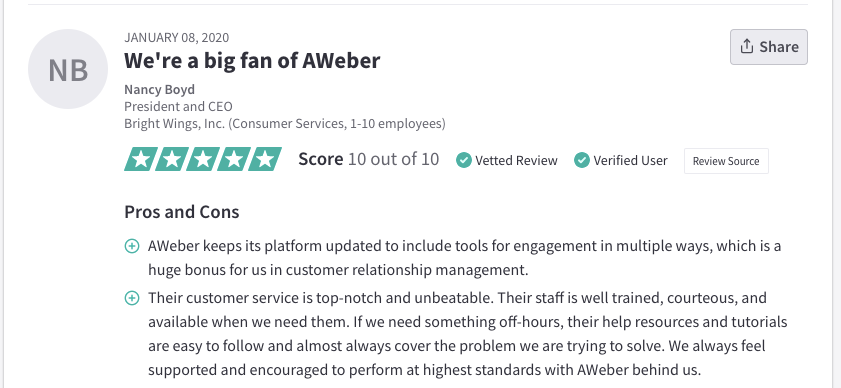
Customer Reviews: These are direct feedback statements, often accompanied by star ratings, collected on third-party platforms such as Trustpilot, Google Reviews, Yelp, Amazon, G2, Capterra, or even Facebook. For established businesses, these are a readily available and highly credible form of proof. Including a snippet of a high-scoring review or a link to a full review page within an email can significantly boost confidence. The authenticity of third-party platforms adds an extra layer of trustworthiness, as reviews are often perceived as unbiased.
-
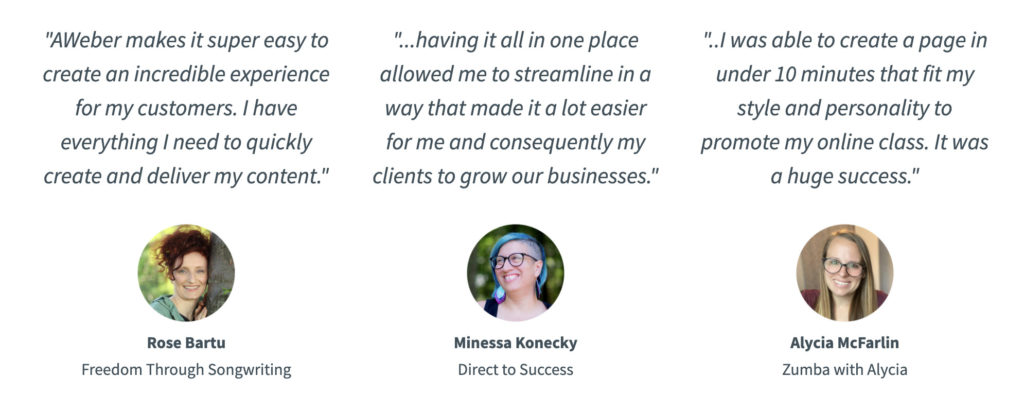
Testimonials: Distinct from reviews, testimonials are usually curated quotes collected directly by the business from satisfied customers, often featuring a name, photo, and title or business affiliation. These are powerful because they can be tailored to highlight specific benefits or address particular pain points relevant to the email’s message. A well-crafted testimonial can articulate value in a way that resonates deeply with prospective customers, often revealing specific use cases or success stories.
-
Case Studies: These provide a detailed, narrative account of a customer’s journey, outlining their initial challenge, how the product or service provided a solution, and the measurable positive outcomes achieved. Case studies are particularly effective for high-value products or complex services, as they offer in-depth evidence of efficacy. While a full case study might be too long for an email, a compelling summary or a link to the full story can be incredibly persuasive, offering tangible proof of return on investment.
-
Customer Data and Metrics: Quantifiable proof, such as "join 25,000 subscribers," "trusted by 300,000 creators," "4.8/5 stars from 2,000 reviews," or "over $1 million generated by our users." These numbers provide a powerful sense of scale and popularity, tapping into the human tendency to follow the crowd. For new businesses lacking extensive reviews, stating "join 500 early adopters" can still establish a sense of community and nascent popularity.
-
Social Media Feedback: Screenshots of positive posts, comments, shoutouts, or even direct messages from real users on platforms like X (formerly Twitter), Instagram, or LinkedIn. This type of proof feels particularly authentic and immediate, as it reflects organic conversations and enthusiasm. Including a visual representation of social media praise can inject vibrancy and relatability into an email.
-
Expert and Influencer Endorsements: Recommendations or mentions from individuals or organizations recognized as authorities within a particular industry or niche. This leverages the principle of authority, where people are more likely to trust and follow the advice of perceived experts. For example, a software company might highlight a quote from a leading tech analyst, or a health product might feature a recommendation from a renowned nutritionist.
-
Award and Trust Badges: Displaying industry awards, certifications (e.g., ISO 27001 for security, Google Partner badge), security seals (e.g., McAfee Secure, Norton Secured), or inclusion in "best of" lists. These visual cues quickly convey credibility, reliability, and excellence, reassuring subscribers about the legitimacy and quality of the brand.
-
User-Generated Content (UGC): Photos, videos, or creative content produced by customers themselves while using the product. UGC is incredibly powerful because it offers an unfiltered, authentic look at the product in real-world scenarios. While embedding videos directly in emails can be challenging, a captivating image or a link to a gallery of UGC can be highly engaging and persuasive, demonstrating widespread adoption and satisfaction.
For nascent businesses without a robust collection of reviews, focusing on customer data (e.g., "join our growing community of X users") or proactively requesting brief testimonials from early, happy customers is an effective starting point. The goal is not necessarily volume but credibility and relevance.
Strategic Integration: Optimizing Social Proof Placement in Email Journeys
The efficacy of social proof is significantly amplified by its strategic placement within the customer journey, particularly across various email touchpoints. Marketers must consider where and when different types of social proof will have the greatest impact.
-
Adjacent to Signup Forms: The initial hurdle for any email marketing strategy is acquiring subscribers. A testimonial strategically placed next to a signup form on a blog, landing page, or website can directly address a visitor’s unspoken question: "Is this worth my inbox space?" A concise, compelling quote from an existing subscriber, ideally detailing the value derived from the emails themselves, can significantly boost conversion rates for new sign-ups. Including a photograph, name, and relevant credential (e.g., "Sarah M., founder of a 6-figure Etsy shop") enhances credibility. Platforms like AWeber’s AI Signup Form Builder can facilitate the seamless integration of such testimonials, prompting higher initial engagement.
-
Within Welcome Emails: The welcome email is often the first direct interaction a new subscriber has with a brand’s email content. This critical message is an opportune moment to solidify their decision to join and encourage continued engagement. Including a different review or testimonial within the welcome sequence can reinforce the value proposition, reiterate the benefits of being part of the community, and set positive expectations. This third-party endorsement acts as a powerful affirmation, moving subscribers beyond the "promotions" tab and into an active engagement mindset.
-
Paired with Every Sales Pitch in Promotional Emails: Promotional emails are designed to drive conversions, and social proof serves as the ultimate sales accelerator. When presenting a product or service, coupling the sales pitch with compelling evidence of its value significantly enhances its persuasiveness. For instance, an email promoting an online course on financial literacy would be far more effective if it included a testimonial detailing a specific, measurable outcome achieved by a previous student (e.g., "I paid off my student loans eight months after finishing this course"). Even more powerfully, building an entire promotional email around a customer’s success story—a mini case study—can be incredibly compelling, allowing the customer’s narrative to do the convincing.
-
Integrated into Referral Programs: Encouraging existing subscribers to share content or recommend products to their networks is a powerful form of organic growth, leveraging the most potent form of social proof: personal recommendations. By incorporating a dedicated section in emails that invites sharing, and backing this request with authority markers like industry awards, certifications, or trust badges, brands can motivate subscribers. People are more inclined to share content when it reflects positively on their own judgment and credibility. AWeber’s "Penguin badge" example, indicating a subscriber count, subtly encourages sharing of achievements, fostering a sense of community and aspiration.
-
Utilized in Abandoned Cart Recovery Emails: Abandoned cart emails are crucial for recovering lost sales. When a customer adds an item to their cart but leaves before completing the purchase, a timely follow-up email can serve as a gentle reminder. Integrating a piece of social proof—such as a humorous social media shout-out, a brief, enthusiastic review, or a statistic about customer satisfaction—can provide that final nudge. This approach lowers perceived risk, reminds the prospect of the product’s desirability, and leverages peer approval to overcome inertia, often resulting in completed purchases.
Measuring the Impact: Data-Driven Optimization
The effectiveness of social proof in email marketing is not anecdotal; it is quantifiable. Marketers can employ various analytical methods to measure its impact:
- A/B Testing: This involves sending two versions of an email—one with social proof and one without, or with different types/placements of social proof—to segments of a subscriber list. Key metrics to track include open rates, click-through rates (CTRs), conversion rates (sign-ups, purchases), and unsubscribe rates.
- Conversion Rate Analysis: Directly compare conversion rates of emails or landing pages featuring social proof against those that do not. Significant increases in sign-ups, lead generations, or sales directly attributable to the presence of social proof indicate its value.
- Engagement Metrics: Monitor how subscribers interact with emails containing social proof. Do they spend more time reading? Are they more likely to click on links embedded within testimonials or case study summaries?
- Feedback Loops: Actively solicit feedback from customers who converted after seeing social proof to understand its direct influence on their decision-making.
By continuously analyzing these data points, marketers can refine their social proof strategies, identifying which types resonate most with their audience and at which stages of the customer journey they are most effective.
Challenges and Ethical Considerations
While immensely powerful, the deployment of social proof requires careful consideration of ethical implications. The fabrication of reviews, the use of misleading statistics, or the misrepresentation of endorsements can severely damage brand trust and credibility. In an era of heightened consumer awareness, authenticity is paramount. Businesses must ensure that all social proof presented is genuine, verifiable, and representative of real customer experiences. Transparency regarding how testimonials are collected and the context of expert endorsements is crucial. Selection bias, where only overwhelmingly positive feedback is showcased, is acceptable to a degree, but outright falsification carries significant reputational and potentially legal risks.
Industry Outlook and Expert Perspectives
Leading marketing platforms and industry experts consistently emphasize the enduring relevance of social proof in an increasingly crowded digital marketplace. Platforms like AWeber, which provide tools for building signup forms, landing pages, and email templates with integrated testimonial blocks, are at the forefront of enabling businesses to harness this power effectively. Marketing strategists often infer that as consumer trust in traditional advertising continues to wane, the reliance on peer validation will only grow. The future of email marketing is likely to see even more sophisticated methods of personalizing social proof, dynamically displaying relevant testimonials or data points based on individual subscriber behavior and preferences. The integration of AI to identify and curate the most impactful social proof for specific campaigns is also an emerging trend.
Conclusion: The Enduring Power of Peer Validation
In conclusion, social proof is not merely a marketing tactic; it is a fundamental pillar of consumer trust and decision-making in the digital age. By strategically incorporating genuine customer reviews, compelling testimonials, robust data, and other forms of peer validation into email marketing campaigns, businesses can significantly enhance engagement, build rapport, and ultimately drive conversions. The process does not demand elaborate productions or extensive budgets; often, it begins with identifying a single, credible review and judiciously placing it where it can have the most impact—next to a signup form or within a welcome email. This seemingly small effort, when compounded across an entire subscriber base, yields substantial and lasting benefits. By putting their happiest customers to work, brands can transform skeptical prospects into confident purchasers, fostering a vibrant and loyal community.