Instapage, a leading provider of landing page optimization and conversion solutions, has announced the launch of its integrated Schema Markup feature, a strategic update designed to address the increasing complexity of search engine optimization (SEO) and the rapid rise of AI-driven search environments. This new functionality allows digital marketers and businesses to generate, validate, and deploy structured data directly within the Instapage platform, eliminating the historical reliance on technical developers and manual coding. As global marketing budgets face increased scrutiny and contraction, the release signals a pivot toward maximizing organic visibility through technical precision rather than sheer advertising spend.
The introduction of this tool comes at a critical juncture for the digital marketing industry. Traditionally, search engine optimization focused on keyword density and backlink profiles. However, the modern search landscape, dominated by Google’s Search Generative Experience (SGE) and AI assistants like OpenAI’s SearchGPT and Perplexity, now prioritizes "entity-based" understanding. Structured data, specifically in the JSON-LD format, serves as the primary language these systems use to categorize information. By facilitating the easy implementation of this data, Instapage aims to bridge the gap between aesthetic page design and technical discoverability.
The Strategic Shift Toward Structured Data and AI-Ready Content
The fundamental challenge facing modern brands is not just reaching an audience, but ensuring that the automated systems controlling information flow—search algorithms and Large Language Models (LLMs)—can interpret the content of a page. Structured data acts as a translator, providing explicit clues about the meaning of a page. Without schema markup, search engines must rely on heuristic analysis to guess whether a page represents a product for sale, a local business, or a professional biography.
According to industry data from 2023 and early 2024, pages that utilize comprehensive schema markup see an average click-through rate (CTR) improvement of up to 30% in organic search results. This is largely due to "rich snippets," which are enhanced search results that display prices, review stars, event dates, or frequently asked questions directly on the search engine results page (SERP). As Google continues to roll out AI Overviews, the importance of structured data has intensified; AI models use these signals to pull factual data into generated summaries, making schema markup a prerequisite for being featured in AI-generated answers.
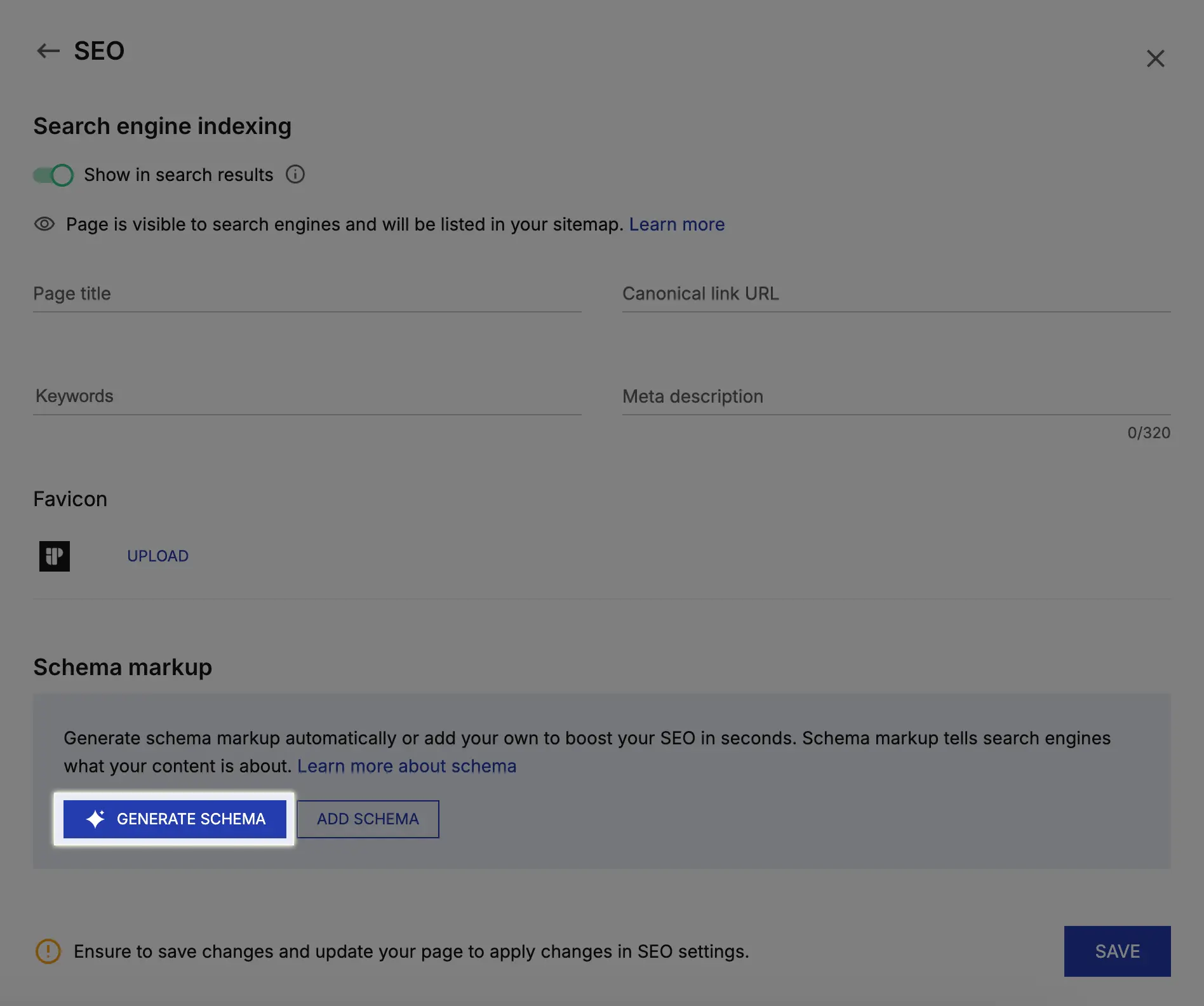
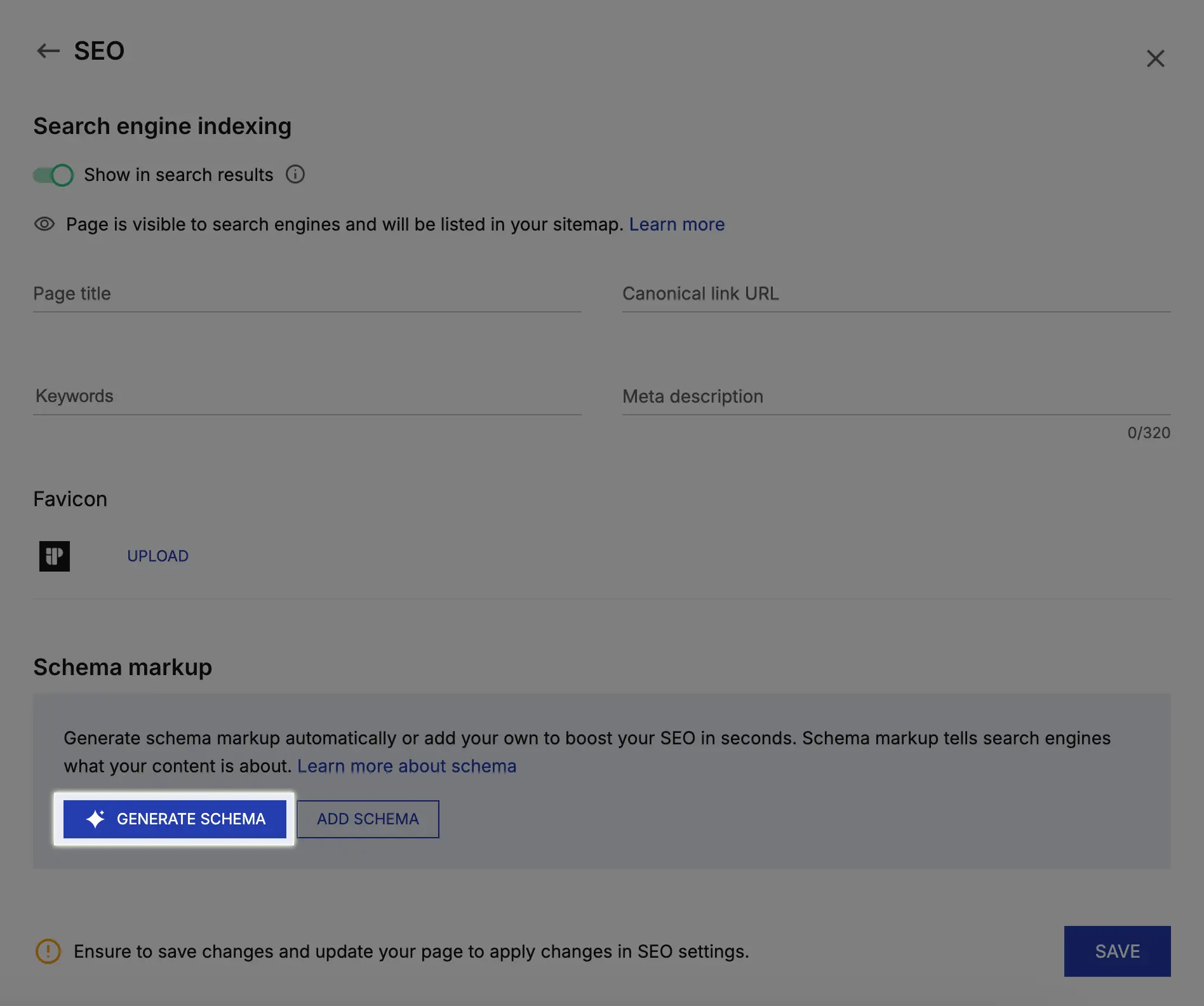
Instapage’s new feature addresses this by embedding an AI-driven generator directly into the page settings. Users can select from various schema types, including Organization, Person, Product, LocalBusiness, Event, and FAQPage. For users uncertain of which category best suits their content, the platform offers an "Auto-detect" function. This utility leverages artificial intelligence to analyze the existing page content and recommend the most appropriate structured data tags, ensuring that the page is optimized for the highest possible relevance.
A Chronology of Landing Page Evolution and SEO Integration
The launch of the Schema Markup tool represents the latest stage in a decade-long evolution of landing page technology. In the early 2010s, landing page builders were primarily focused on visual "drag-and-drop" capabilities, with little regard for SEO beyond basic meta tags. As the digital advertising market matured, the focus shifted toward "page speed" and mobile responsiveness, driven by Google’s Core Web Vitals update in 2021.

By 2023, the rise of generative AI began to disrupt the traditional search model. Marketers realized that high-quality design and fast loading times were no longer sufficient if the underlying code remained opaque to AI scrapers. Instapage’s development timeline reflects this shift:
- Early 2023: Integration of AI content generation to assist in copywriting.
- Late 2023: Enhancement of server-side rendering to improve indexing speeds.
- Q2 2024: The official rollout of the Schema Markup feature, moving beyond content creation into the realm of technical SEO infrastructure.
This progression highlights a broader industry trend where "no-code" platforms are increasingly absorbing complex technical tasks that previously required specialized SEO agencies or web development teams.
Technical Functionality and User Experience
The workflow for the new Schema Markup feature is designed for efficiency, reportedly requiring less than five minutes for full implementation. Within the SEO settings of a specific landing page, users are presented with a dedicated schema interface. The process involves three primary stages: generation, validation, and publication.
The generation phase utilizes the built-in AI to produce JSON-LD (JavaScript Object Notation for Linked Data), which is the format recommended by Google. This is a significant departure from older methods like Microdata or RDFa, which required embedding code directly into the HTML elements of a page, often leading to errors and "code bloat." By using JSON-LD, Instapage ensures that the structured data remains separate from the visual design, maintaining fast load times while providing a clean data map for crawlers.
Validation is integrated directly into the workflow. Before a page is published, the platform checks the generated code against current Schema.org standards. This prevents the common pitfall of "broken" schema, which can lead to search engine penalties or the loss of rich snippet eligibility. Once validated, the schema is applied automatically during the next publishing cycle. For advanced users, Instapage maintains a manual override option, allowing for the custom authoring of JSON-LD for niche schema types not covered by the standard templates.
Economic Context: Marketing Budget Tightening and ROI
The release of this feature coincides with a period of significant economic pressure on marketing departments. According to the 2024 Gartner CMO Spend Survey, marketing budgets as a percentage of total company revenue have seen a slight decline, forcing leaders to prioritize "efficiency over expansion." This has led to a renewed interest in organic search as a high-ROI alternative to increasingly expensive Pay-Per-Click (PPC) advertising.
"As customer acquisition costs (CAC) rise across social media and search ads, the ability to capture ‘free’ organic traffic becomes a competitive advantage," noted one digital strategy analyst following the Instapage announcement. "Tools that lower the barrier to technical SEO allow smaller teams to compete with enterprise-level budgets. If you can’t outspend the competition, you have to out-index them."
The implications for conversion rates are also significant. Landing pages are typically the final step in a marketing funnel. By ensuring that these pages appear correctly in "informational" searches (such as FAQs or product comparisons), brands can capture potential customers earlier in the buyer’s journey.
Industry Implications and Expert Reactions
Market analysts suggest that Instapage’s move may force competitors in the landing page space, such as Unbounce and Leadpages, to accelerate their own technical SEO roadmaps. The democratization of structured data is seen as a move toward a more transparent and "readable" internet.
SEO experts have reacted positively to the integration. "The biggest hurdle for most marketers when it comes to schema is the fear of breaking the page or getting the syntax wrong," says Sarah Miller, a senior SEO consultant. "Moving this into a validated, AI-assisted environment removes the friction. It’s no longer a ‘nice-to-have’ feature; it’s a necessity for any brand that wants to survive the transition to AI-mediated search."
Furthermore, the "LocalBusiness" and "Event" schema types are expected to be particularly impactful for regional marketers. By providing structured data for physical locations and specific dates, businesses can improve their appearance in Google Maps and local "near me" searches, which have seen a 400% increase in volume over the last five years.
Future Outlook: The Rise of Search Engine Understanding (SEU)
As search engines evolve into "answer engines," the industry is moving from Search Engine Optimization to Search Engine Understanding (SEU). In this new paradigm, the goal is not to "rank" for a keyword, but to be the "source of truth" that an AI assistant cites when answering a user’s query.
Instapage’s investment in schema tools suggests a long-term strategy of positioning landing pages as authoritative data nodes. As LLMs become more integrated into the daily browsing experience, the metadata provided by schema markup will likely serve as the "training labels" that help AI distinguish between high-quality brand information and low-quality noise.
In conclusion, the launch of the Schema Markup feature by Instapage is more than a simple product update; it is a response to the fundamental restructuring of the internet’s information architecture. By simplifying the creation of structured data, the platform provides businesses of all sizes with the tools necessary to maintain visibility in an era where being "understood" by an algorithm is just as important as being seen by a human. As the digital landscape continues to shift toward AI-driven discovery, the adoption of such technical standards will likely become the baseline for any successful online marketing strategy.

 Siti Muinah
 Nana
Nana