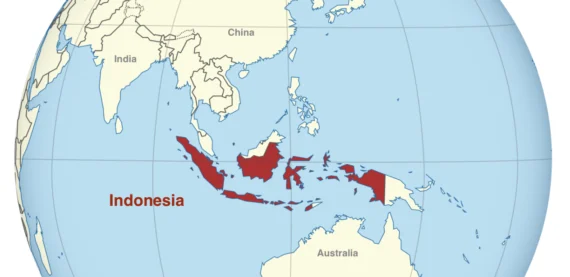
Indonesia, the world’s fourth most populous nation with an estimated 288 million residents as of 2026, presents a compelling, albeit complex, market for global brands. While its sheer population size suggests immense consumer potential, a closer examination of its economic indicators reveals a landscape characterized by high internet penetration juxtaposed with relatively modest retail sales, signaling significant untapped growth opportunities, particularly within the e-commerce sector. This dynamic environment requires a nuanced understanding of consumer behavior, regulatory frameworks, and strategic entry points for foreign enterprises aiming to capitalize on this burgeoning market.
Population Dynamics and Economic Footprint
As of 2026, Indonesia stands as a demographic titan, trailing only India (1.46 billion), China (1.41 billion), and the United States (345 million) in population figures. This vast consumer base is a fundamental driver of economic activity. However, directly comparing retail sales across such diverse economies is often complicated by varying data sources and methodological differences.
A useful proxy for overall household spending is the World Bank’s "Household Final Consumption Expenditure" metric, which captures the market value of all goods and services purchased by households. Based on the latest available data for 2024, this metric highlights significant disparities. The United States leads with $19.8 trillion, followed by China at $7.48 trillion and India at $2.4 trillion. Indonesia’s figure, at $773.6 billion, while substantial in absolute terms, is considerably smaller when viewed against its population size compared to the other leading nations. This gap between population and aggregate consumption expenditure is a key indicator of its potential for future growth.
The Digital Divide: High Internet Usage, Emerging E-commerce
The digital landscape in Indonesia presents a more optimistic picture for online commerce. DataReportal, a leading aggregator of global internet statistics, reported that as of 2025, Indonesia boasted 230.4 million internet users, representing an impressive 80% penetration rate. This level of digital connectivity is significantly higher than India’s 68% (1.0 billion users) and approaches that of the United States’ 94% (323.9 million users), though still trailing China’s 92% (1.3 billion users).
The juxtaposition of high internet penetration with comparatively lower retail sales per capita suggests that a substantial portion of Indonesia’s digitally connected population is yet to fully engage in formal retail purchasing, especially online. This presents a fertile ground for e-commerce expansion. The relatively lower penetration of formal retail spending, when combined with widespread internet access, indicates a market ripe for disruption and innovation in online sales channels. This "digital readiness" coupled with underdeveloped retail spend is a classic indicator of nascent market growth potential.
Market Entry Strategies: Navigating a Complex Ecosystem
Foreign brands seeking to penetrate the Indonesian market often find themselves navigating a multifaceted and regulated environment. The common initial approach involves leveraging online marketplaces, which provide a relatively accessible platform for product exposure and sales. Over time, successful brands tend to diversify their strategies, incorporating local distribution networks and establishing their own branded e-commerce websites to gain greater control and build direct customer relationships.
However, entering the Indonesian market is not without its challenges. The archipelago’s vast geographical expanse, coupled with diverse linguistic nuances across its numerous islands, can create logistical and communication hurdles. Furthermore, much like India, Indonesia enforces stringent regulations for foreign-owned businesses, necessitating careful adherence to legal and operational frameworks.
Dominant Marketplaces and the Rise of Social Commerce
The Indonesian e-commerce landscape is heavily influenced by local and regional online marketplaces. Data from Asialink, an Australia-based consultancy, indicates that Shopee Indonesia, Tokopedia, and Lazada collectively capture approximately 76% of the online sales market. Shopee and Lazada also operate as first-party retailers, further solidifying their market dominance. This concentration of market share underscores the importance of these platforms for foreign brands seeking immediate reach.
A wide array of international brands have already established a presence on these platforms, including prominent names such as L’Oréal Paris, Nivea, Garnier, La Roche-Posay, Maybelline, Adidas, Puma, Samsung, Xiaomi, Philips, Tefal, Nestlé, and Kellogg’s. Their presence signifies the viability of these marketplaces for established global brands.
Beyond traditional e-commerce platforms, social commerce is also gaining significant traction. Channels such as WhatsApp, Instagram, Facebook, and TikTok Shop are increasingly being utilized by Indonesian consumers for product discovery and purchasing. This trend highlights the evolving nature of online shopping in Indonesia, where social interaction and community play a crucial role in consumer decision-making. The Greater Jakarta metropolitan area, with a staggering population of 32 million residents, represents the epicenter of this consumer activity and is often the initial target for market entry strategies.

Regulatory Frameworks and the PT PMA Structure
Foreign companies looking to establish a more permanent and controlled presence in Indonesia have several avenues, each with its own set of compliance requirements. Cross-border selling, utilizing marketplaces, or partnering with local distributors are common entry points. However, all these methods are subject to a significant compliance burden.
For direct, independent control over operations, the establishment of a PT PMA (Penanaman Modal Asing), or a foreign investment company, is the recommended legal structure. This requires meeting specific criteria, including having at least two shareholders, one of whom must be foreign, and a minimum capital investment of $150,000, among other regulatory stipulations. Obtaining a Nomor Induk Berusaha (NIB), or business identification number, is a mandatory requirement for operating any e-commerce business in Indonesia, and a PT PMA facilitates this process.
A common and often effective strategy for foreign e-commerce brands is an omnichannel approach. This involves leveraging local distributors to secure broad market access and navigate complex distribution channels, while simultaneously utilizing marketplaces and social commerce platforms to capture high-volume consumer demand. The establishment of a branded website, coupled with physical retail presence, can further enhance brand equity and provide valuable customer data, although these initiatives typically entail higher compliance costs and market entry expenses. Partnering with local importers can significantly ease the complexities of customs clearance and regulatory adherence.
Understanding Indonesian Business Models: Distributors vs. Enablers
Within the Indonesian business ecosystem, two distinct types of service providers play crucial roles for foreign brands: distributors and e-commerce enablers.
Distributors in Indonesia typically operate by purchasing sector-specific inventory at wholesale prices and then reselling it within the local market. This model ensures that products are readily available through established retail channels. Prominent examples of such distributors include DKSH Indonesia and Enseval, companies with extensive networks and experience in managing product distribution across various sectors.
E-commerce enablers, on the other hand, focus specifically on managing a brand’s online presence. They handle the operational aspects of a brand’s official store on marketplaces, including marketing, sales, customer service, and fulfillment. Jet Commerce and SCI Group are examples of such enablers that help foreign brands navigate the intricacies of selling on platforms like Shopee and Tokopedia.
Language and Compliance: Essential Considerations
A critical legal obligation for all e-commerce businesses operating in Indonesia is the mandatory use of Bahasa Indonesia for product descriptions. This requirement underscores the importance of localized content and effective communication with the Indonesian consumer base.
Furthermore, foreign brands must be aware of a significant regulatory hurdle: a minimum wholesale value of $100 per unit for goods entering the country. This policy effectively renders low-cost, cross-border trade impractical for many smaller or lower-priced items, compelling businesses to consider local warehousing and distribution strategies to comply with import regulations and ensure profitability.
Future Outlook and Growth Potential
The Indonesian e-commerce market, while presenting immediate challenges, offers substantial long-term growth potential. The combination of a rapidly growing, digitally connected population and a relatively underdeveloped formal retail sector creates a fertile ground for innovation and expansion. As consumer purchasing power increases and digital literacy continues to spread, the demand for online goods and services is projected to surge.
Brands that can effectively navigate the regulatory landscape, understand local consumer preferences, and adopt flexible, omnichannel strategies are best positioned to succeed. The evolving nature of social commerce also presents an opportunity for brands to engage with consumers in more interactive and personalized ways. As Indonesia continues its digital transformation, its e-commerce market is poised to become an increasingly significant player on the global stage, offering lucrative opportunities for astute and well-prepared international businesses. The strategic implementation of localized marketing, robust distribution networks, and a deep understanding of consumer behavior will be key determinants of success in this dynamic and high-potential market.