

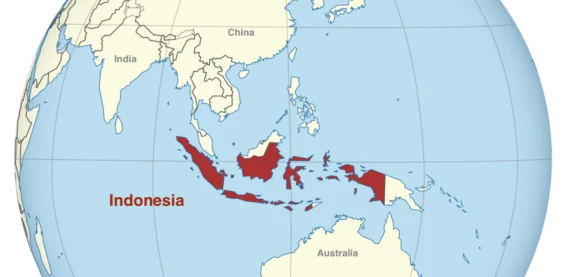
Indonesia, a sprawling archipelago nation with a burgeoning population, stands as a compelling paradox in the global e-commerce arena. As of 2026, the United Nations identifies it as the fourth most populous country worldwide, boasting a resident count of 288 million. This demographic might, however, be juxtaposed with its current retail sales figures, which, while substantial, lag significantly behind other major economies. This disparity, coupled with a remarkably high internet penetration rate, signals a potent growth trajectory for online retail within the nation.
Understanding Indonesia’s Economic Footprint
To contextualize Indonesia’s economic standing, a comparative analysis of global retail expenditure is essential. While direct "apples-to-apples" comparisons of retail sales across different nations can be challenging due to variations in data collection and reporting methodologies, the World Bank’s "Household Final Consumption Expenditure" metric offers a valuable proxy. This metric, defined as the market value of all goods and services purchased by households, reveals significant differences. For the most recent compiled data from 2024, the United States led the pack with a staggering $19.8 trillion in household consumption. China followed with $7.48 trillion, and India registered $2.4 trillion. In stark contrast, Indonesia’s household consumption expenditure stood at $773.6 billion. This figure, while considerable in absolute terms, underscores the relative underdevelopment of Indonesia’s traditional retail sector when measured against its population size and economic potential.
The Digital Divide: High Internet Penetration, Lower Online Sales
The landscape shifts dramatically when examining internet usage. DataReportal, a respected aggregator of global digital statistics, provides a compelling picture of internet adoption across major economies. For 2025, China reported an impressive 1.3 billion internet users, achieving a penetration rate of 92%. India followed with 1 billion users, representing a 68% penetration. The United States maintained a high rate with 323.9 million users, equating to 94% penetration. Indonesia, however, demonstrated a remarkable engagement with the digital realm, reporting 230.4 million internet users, a penetration rate of 80%.
This high internet penetration rate in Indonesia, especially when contrasted with its comparatively lower retail sales figures, presents a clear indicator of untapped potential. It suggests that a significant portion of the Indonesian population has the means and inclination to access online platforms, but the avenues for online purchasing, or the perceived value, are still developing. This gap between digital access and online consumer spending is precisely what makes Indonesia such an attractive prospect for e-commerce expansion. The nation appears poised for a significant surge in online retail as infrastructure, consumer trust, and product availability continue to mature.
The Indonesian E-commerce Ecosystem: Marketplaces and Social Commerce Dominance
For foreign brands seeking to penetrate the Indonesian market, the initial entry point is often through established online marketplaces. These platforms serve as crucial gateways, offering a pre-existing customer base and logistical frameworks. Following an initial foray into marketplaces, many brands strategically expand their reach by partnering with local distributors or establishing their own branded e-commerce websites.
Navigating the Indonesian market, however, is not without its complexities. The archipelagic nature of the country, coupled with linguistic diversity and stringent regulations for foreign entities – similar to those encountered in India – presents considerable challenges. Despite these hurdles, the allure of Indonesia’s vast consumer base continues to draw international players.
Local marketplaces hold a dominant position in the Indonesian e-commerce scene. According to Asialink, an Australia-based consultancy, Shopee Indonesia, Tokopedia, and Lazada collectively capture an impressive 76% of all online sales. Shopee and Lazada further bolster their market presence by engaging in first-party retail, directly selling products under their own brands. This consolidation of market share by a few key players highlights the importance of understanding their operational dynamics and customer engagement strategies for any brand looking to succeed.
A testament to the growing appeal of Indonesian marketplaces to international brands can be seen in the diverse range of companies already present. Prominent global brands such as L’Oréal Paris, Nivea, Garnier, La Roche-Posay, Maybelline, Adidas, Puma, Samsung, Xiaomi, Philips, Tefal, Nestlé, and Kellogg’s have all established a presence, leveraging these platforms to reach Indonesian consumers.
Beyond the traditional marketplace model, social commerce is also experiencing significant traction. Platforms like WhatsApp, Instagram, Facebook, and TikTok Shop are increasingly becoming vital channels for online purchasing, reflecting a consumer behavior that blends social interaction with transactional activities. This trend underscores the need for brands to adopt a multi-faceted approach, engaging with consumers across various digital touchpoints.
Geographically, the Greater Jakarta metropolitan area, with its population of 32 million residents, represents the most significant consumer hub. This concentration of population and economic activity makes it a primary target for e-commerce strategies.

Strategic Entry Points for Foreign Brands
Foreign brands have several strategic avenues for entering the Indonesian e-commerce market. These include cross-border e-commerce, establishing a presence on local marketplaces, or partnering with local distributors. Each of these approaches comes with its own set of regulatory and operational considerations.
For brands seeking direct, independent control over their operations, establishing a PT PMA (Penanaman Modal Asing) company is the most viable structure. This foreign investment company requires a minimum of two shareholders, with at least one being foreign, and a minimum capital investment of $150,000, alongside other regulatory requirements. Obtaining a business identification number (NIB or Nomor Induk Berusaha) through a PT PMA is a mandatory step for operating an e-commerce business legally within Indonesia.
A common and effective strategy for foreign e-commerce brands is the adoption of an omnichannel approach. This typically involves leveraging local distributors to secure broad market access, while simultaneously utilizing marketplaces and social media channels to capture high-volume demand.
Establishing a branded website, in conjunction with physical retail presence, can significantly enhance brand equity and facilitate the collection of valuable customer data. However, these endeavors come with higher compliance burdens and increased market entry costs. Collaborating with local importers can streamline the complex customs clearance processes, mitigating potential delays and complications.
In the Indonesian context, "distributors" usually operate by purchasing sector-specific inventory wholesale and then reselling it to retailers or end consumers. Prominent examples of such distribution partners include DKSH Indonesia and Enseval, companies with established networks and expertise in navigating the local market.
Distinct from distributors are "e-commerce enablers." These entities focus on managing a brand’s official store on marketplaces, handling crucial aspects such as marketing campaigns and order fulfillment. Jet Commerce and SCI Group are notable examples of e-commerce enablers that assist foreign brands in optimizing their online sales performance.
A fundamental legal requirement for all e-commerce operations in Indonesia is the mandatory use of Bahasa Indonesia for product descriptions. This linguistic compliance is non-negotiable and forms a core part of the regulatory framework.
Furthermore, foreign brands must be aware of a significant obligation related to imported goods. There is a minimum wholesale value of $100 per unit for goods entering the country. This regulation effectively renders low-cost cross-border trade impractical for many smaller or lower-priced items, necessitating a more localized sourcing or distribution strategy for a broad range of products. This policy aims to encourage local production and formalize import channels, impacting the viability of certain direct-to-consumer e-commerce models from overseas.
Broader Implications and Future Outlook
The Indonesian e-commerce market’s current state – characterized by high digital engagement and relatively low retail penetration – presents a compelling investment opportunity. The confluence of a young, digitally native population and a rapidly expanding middle class suggests a sustained period of robust growth. As the nation continues to develop its digital infrastructure, enhance logistical capabilities, and refine its regulatory environment, the gap between internet usage and online spending is expected to narrow considerably.
The Indonesian government has recognized the immense potential of the digital economy and has been actively implementing policies to foster its growth. Initiatives aimed at improving digital literacy, expanding internet access to remote areas, and streamlining business regulations are all contributing to a more favorable ecosystem for e-commerce. The ongoing development of digital payment systems and the increasing trust in online transactions further solidify the foundation for future expansion.
For foreign businesses, a strategic and nuanced approach is paramount. Understanding the cultural intricacies, regulatory landscape, and consumer preferences is key to unlocking the vast opportunities that Indonesia offers. While challenges exist, the long-term outlook for e-commerce in Indonesia remains exceptionally bright, positioning it as a critical market for global brands seeking to tap into the next wave of digital commerce growth. The nation’s trajectory suggests that it will not only catch up to but potentially surpass many established e-commerce markets in the coming years, driven by its unique demographic and digital advantages.








