admin
admin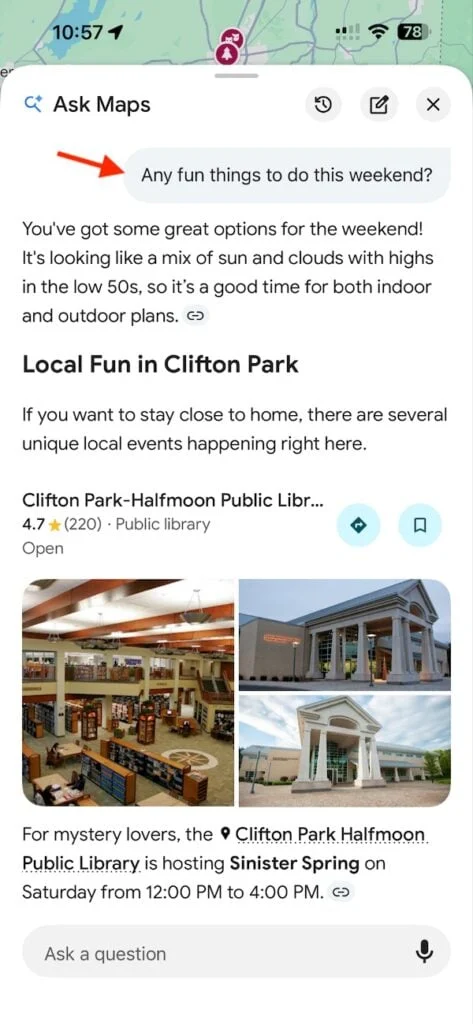
Google Maps has launched a transformative AI-driven feature, dubbed "Ask Maps," which promises to significantly elevate the visibility of local businesses by directly addressing evolving consumer search behaviors. This innovative tool allows users to pose natural language questions and receive immediate, contextually relevant local shopping and activity recommendations, bypassing traditional keyword-based searches for a more intuitive discovery process. The platform’s ability to interpret low-intent queries—where consumers may not know exactly what they are looking for but are open to suggestions—represents a substantial opportunity for brick-and-mortar establishments to connect with potential customers at the nascent stages of their decision-making journey.
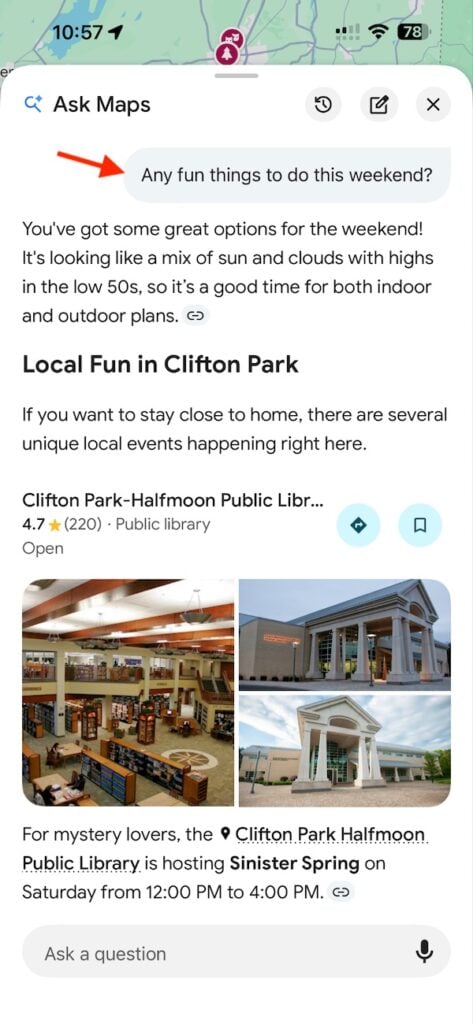
The genesis of "Ask Maps" can be traced to Google’s ongoing commitment to integrating artificial intelligence across its product suite, aiming to make information more accessible and personalized. Following the widespread adoption of generative AI in consumer-facing applications, Google Maps has leveraged its vast datasets and sophisticated AI models to create an interactive conversational interface. This development aligns with a broader trend in digital marketing where businesses are increasingly seeking ways to appear in front of consumers when they are actively considering purchases or planning activities, even if they haven’t yet articulated specific needs. The feature has demonstrated its efficacy through user interactions, such as prompting "Any fun things to do this weekend?" which, according to early reports, yields a diverse range of local suggestions including workshops, markets, and other community events. This capability is particularly impactful for small and medium-sized businesses that may lack the marketing budgets of larger corporations but can offer unique local experiences.
Understanding the "Ask Maps" Functionality and Its Impact
"Ask Maps" functions by analyzing user queries in natural language and cross-referencing them with a comprehensive database of local business information. This database is heavily influenced by Google Business Profiles, a cornerstone of local SEO. The AI’s ability to understand nuanced requests means that businesses can now be discovered based on their offerings, atmosphere, or unique selling propositions, rather than solely on precise keyword matches. This is a critical shift from traditional search, where a user looking for "a quiet coffee shop with free Wi-Fi" might not find a particular establishment if its profile doesn’t explicitly use those exact terms. "Ask Maps" can infer these qualities from descriptions, reviews, and other associated data.

The implications for local businesses are profound. For years, the challenge has been to capture the attention of consumers who are still in the exploratory phase. "Ask Maps" directly addresses this by surfacing relevant businesses even when the consumer has a low level of intent. This means a business offering artisanal pottery classes could be recommended to someone asking about "creative hobbies" or "unique weekend activities," even if that person had never specifically searched for pottery classes before. This expands the potential customer base significantly and can drive foot traffic and sales for businesses that are well-represented within Google’s ecosystem.
Strategies for Local Businesses to Maximize Visibility
To effectively leverage the "Ask Maps" feature, local businesses must ensure their digital presence is optimized for AI-driven discovery. The primary conduit for this optimization is the Google Business Profile.
Optimizing Google Business Profile for AI Discovery
Google Business Profile (GBP) serves as the foundational data source for "Ask Maps." Businesses are strongly advised to provide the most comprehensive and accurate information possible within their GBP. This includes:
- Accurate and Detailed Business Information: Ensure all core details are up-to-date, including operating hours, precise location, contact information, and website URL. Accuracy is paramount, as AI relies on verified data.
- Comprehensive Service and Product Listings: Clearly define the services offered and products sold. Utilize all available fields to describe expertise, specialties, and unique offerings. For example, a bakery should list not only "cakes" but also "custom birthday cakes," "vegan pastries," and "gluten-free options."
- High-Quality Visuals: Uploading high-resolution photos and videos of the business, its products, and its ambiance can significantly enhance appeal and provide visual context for AI-generated responses.
- Leveraging the "Updates" Feature: This feature is crucial for time-sensitive information. Businesses should regularly post about upcoming sales, special events, workshops, new product launches, or even daily specials. This provides fresh, dynamic content that AI can readily incorporate into recommendations. For instance, a restaurant could post an update about a "Weekend Seafood Feast" or a boutique could announce a "Spring Collection Launch Event."
- Encouraging and Responding to Reviews: Customer reviews are a rich source of unstructured data that AI can analyze to understand customer sentiment, identify popular products, and gauge the overall business experience. Promptly responding to reviews, both positive and negative, demonstrates engagement and can further inform the AI.
Enhancing On-Site Content for Deeper AI Understanding
While Google Business Profile is critical, the information present on a business’s own website also plays a vital role. AI models are increasingly sophisticated at crawling and understanding website content to provide more detailed and relevant answers.
- Detailed Product and Service Descriptions: Go beyond basic listings. For each product or service, provide extensive details such as materials used, dimensions, available sizes and colors, price ranges, potential use cases, warranty information, and current availability. For service-based businesses, detailing the process, expected outcomes, and client benefits is essential.
- Frequently Asked Questions (FAQs) and Knowledge Bases: Creating comprehensive FAQ sections or knowledge bases on a website that address common customer inquiries can directly feed the AI with information it can use to answer user questions posed to "Ask Maps." This could include topics like "How to care for your leather goods," "What to expect during a consultation," or "Best times to visit for a quieter experience."
- Content Marketing and Blogging: Publishing blog posts and articles that address consumer needs, solve problems, or offer insights related to the business’s offerings can significantly enrich the website’s data footprint. For example, a hardware store could publish articles on "DIY Home Repair Tips" or "Choosing the Right Tools for Your Garden Project." This positions the business as an expert and provides the AI with context for broader recommendations.
- Event Calendars and Promotions: Clearly displaying upcoming events, workshops, sales, and promotions on the website, with detailed descriptions, dates, and times, ensures that this information is readily accessible to AI crawlers.
The Strategic Importance of Market Events and Unique Offerings
The "Ask Maps" feature is particularly adept at highlighting unique local experiences. This underscores the importance of promoting events and special offerings that differentiate businesses from larger, more standardized competitors.
- Promoting Unique Events: Seasonal promotions, pop-up markets, workshops, and community gatherings are prime candidates for "Ask Maps" recommendations. These events create a sense of urgency and exclusivity, attracting consumers looking for novel experiences.
- Cross-Promotion Strategies: Businesses can collaborate with other local entities for joint events or promotions, further expanding their reach and the diversity of their offerings. This can lead to AI recommending a "weekend of local art and craft fairs" that includes multiple participating businesses.
- Showcasing Local Expertise: Businesses that offer specialized knowledge or skills, such as bespoke tailoring, artisanal food preparation, or specialized repair services, can thrive. By clearly articulating this expertise in their online profiles and on their websites, they become more discoverable through nuanced AI queries.
Broader Implications and the Future of Local Discovery
The introduction of "Ask Maps" signifies a pivotal moment for local businesses in an increasingly competitive digital landscape. It democratizes visibility, offering a powerful tool for small and medium-sized enterprises to compete more effectively with national brands and large e-commerce platforms. By providing a more intuitive and conversational way for consumers to discover local options, Google Maps is not just facilitating navigation; it is actively shaping local commerce.
This AI-driven approach to discovery is likely to evolve. As AI models become more sophisticated, they may be able to understand even more complex user needs, such as preferences for sustainability, specific dietary requirements, or desired ambiance. Businesses that proactively embrace these changes and invest in optimizing their digital presence will be best positioned to capitalize on this evolution, fostering stronger connections with their local communities and driving sustainable growth. The era of simply appearing in search results is giving way to an era of being actively recommended by intelligent assistants, and "Ask Maps" is at the forefront of this transformative shift. The feature is not merely an upgrade; it is a fundamental reimagining of how consumers interact with local businesses, creating a more dynamic and personalized discovery experience for everyone involved.