Despite repeated predictions of its decline and the rise of newer social media contenders, Facebook continues to demonstrate remarkable resilience and high user engagement, positioning it as a foundational platform for digital marketing in 2026. The platform, a cornerstone of Meta’s vast ecosystem, consistently registers billions of users globally who rely on it not only for staying abreast of current events and news but also for maintaining vital connections with family and friends. While it may no longer carry the same "cool factor" as its more youth-centric counterparts, its pervasive presence ensures that a significant portion of the global online population checks their Facebook feed daily, underscoring its continued relevance as a critical connector. This sustained engagement has seen a notable resurgence, particularly fueled by the widespread popularity of its short-form video feature, Reels, which has effectively drawn users back into the application for extended browsing sessions.
While platforms like Instagram, TikTok, and YouTube often capture headlines for their hyper-engagement metrics, Meta’s flagship application remains an indispensable component of the digital landscape. Its broad demographic reach and diverse content formats present valuable, often underestimated, opportunities for marketers aiming to cultivate a robust and impactful online presence. As businesses navigate an increasingly fragmented digital advertising environment, understanding how to leverage Facebook’s unique strengths for 2026 is paramount.
The Unyielding Reach of Facebook: A Global Digital Hub
The narrative of Facebook’s impending demise has been a recurring theme in technology discourse for nearly a decade. Yet, contrary to these forecasts, the platform has not merely survived but thrived, adapting to evolving user preferences and competitive pressures. As of late 2023 and early 2024, Facebook reported over 3.07 billion monthly active users, a staggering figure that solidifies its position as the world’s largest social network. This colossal user base is not monolithic; it encompasses a wide array of demographics, from Gen Z to Baby Boomers, ensuring a broad spectrum of potential audience segments for marketers.
The platform’s role as a primary source for news consumption remains significant, particularly in regions where it serves as a central digital gateway. Users actively seek out updates from news organizations, public figures, and community groups, alongside personal milestones from their social circles. This dual function—information dissemination and personal connection—creates a unique environment where brands can integrate their messaging seamlessly into the daily routines of billions. The resurgence of engagement, largely attributed to Reels, signifies Facebook’s successful pivot to short-form video, a format that has dominated attention spans across the digital realm. By integrating a TikTok-like experience directly into its core app, Facebook managed to retain and attract users who might otherwise have migrated entirely to competing platforms, proving its adaptability and strategic foresight. This strategic move has translated into longer session durations and increased overall time spent within the app, metrics that are highly attractive to advertisers.
A Decade of Transformation: Facebook’s Evolution in the Digital Sphere
Facebook’s journey from a college networking site in 2004 to a global digital powerhouse by 2026 is marked by continuous evolution and strategic acquisitions. Its early years were characterized by rapid user growth and the introduction of fundamental social networking features like the News Feed and photo sharing. The mid-2010s saw the platform solidify its dominance with the widespread adoption of mobile technology, becoming the go-to app for many smartphone users. This period also witnessed the exponential growth of its advertising platform, transforming from a simple ad placement service into a sophisticated ecosystem offering granular targeting capabilities.
Key milestones in its marketing evolution include the introduction of the Facebook Pixel for website tracking, custom audiences for remarketing, and lookalike audiences for scaling campaigns. The acquisitions of Instagram (2012) and WhatsApp (2014) further cemented Meta’s (then Facebook’s) grip on the social media landscape, creating a family of interconnected applications that share data and advertising infrastructure. The late 2010s brought challenges, notably surrounding data privacy and misinformation, leading to significant changes in advertising policies and greater transparency requirements.
In response to the meteoric rise of TikTok in the early 2020s, Facebook strategically prioritized short-form video, introducing Reels across both Facebook and Instagram. This move was crucial for maintaining relevance among younger demographics and capitalizing on the broader trend of snackable, entertaining content. The company’s rebranding to Meta in 2021 signaled a long-term commitment to the metaverse, yet concurrently reaffirmed its dedication to enhancing its core social applications. By 2026, Facebook’s advertising tools have become highly advanced, integrating artificial intelligence and machine learning to optimize campaign performance, audience targeting, and creative generation, making it an indispensable platform for any comprehensive digital marketing strategy.
Pillars of a Powerful Presence: Strategic Audience Research for 2026
For marketers aiming to establish or enhance an effective Facebook presence in 2026, the foundation lies in comprehensive audience research. Understanding who your audience is, what they care about, and how they interact with content on the platform is critical. Fortunately, Meta provides a suite of powerful tools designed to facilitate this deep dive.
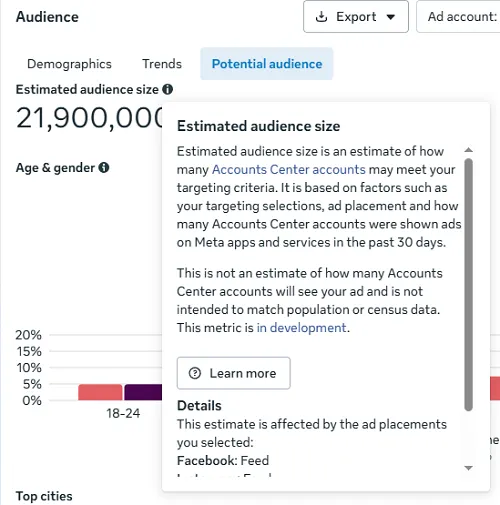
Leveraging Facebook Audience Insights: This proprietary tool is an invaluable starting point. It provides granular data on a brand’s existing page audience, offering in-depth demographic breakdowns, growth trajectories, and insights into potential audience segments based on similar brand pages. For newer pages, while historical data might be limited, the benchmarking section offers crucial competitive intelligence. Here, marketers can compare their page’s performance against similar entities, gaining insights into posting frequency, content types, engagement behaviors, and overall stylistic approaches that resonate within their niche. Facebook’s recommendations for comparative pages streamline this process, enabling marketers to learn from successful peers and identify areas for improvement. Beyond demographics, Audience Insights can reveal psychographic information, such as interests, lifestyle choices, and purchasing behaviors, which are vital for crafting truly resonant messages.
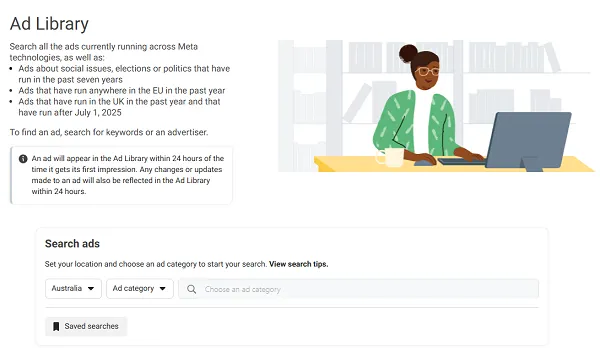
Competitive Intelligence via Meta Ads Library: Once a list of comparative brands is established from Audience Insights, the Meta Ads Library becomes an indispensable resource. This publicly accessible database allows marketers to view all active ads run by any advertiser on Meta’s platforms. By inputting competitor names, brands can analyze their paid promotion strategies, identify successful ad creatives, understand their messaging angles, and discern which campaigns are generating the strongest audience response. This transparency offers unparalleled competitive intelligence, allowing marketers to reverse-engineer successful strategies, identify gaps in the market, and avoid costly trial-and-error in their own advertising efforts. It can reveal popular ad formats (e.g., video, carousel, single image), call-to-action effectiveness, and even the emotional appeals used by leading brands.
The Burgeoning Role of AI: Meta AI for Trend Spotting and Content Ideation: The integration of artificial intelligence is rapidly transforming the landscape of audience research. By 2026, conversational AI tools like Meta AI are poised to become critical allies for marketers. Posing natural language queries to Meta AI can streamline the trend discovery process, allowing brands to quickly identify emerging topics, popular content formats, and influential figures within specific niches. This predictive capability can guide content creation, ensuring that brand messaging is timely, relevant, and aligned with current user interests. For instance, a marketer could ask Meta AI to "outline key trends in sustainable fashion for Gen Z" or "identify top influencers discussing mental wellness in Europe," receiving actionable insights that would traditionally require extensive manual research.
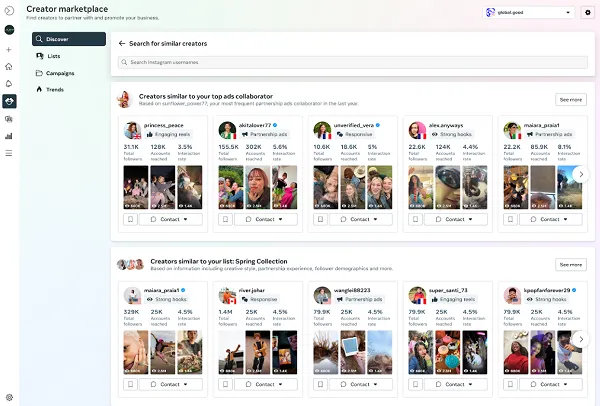
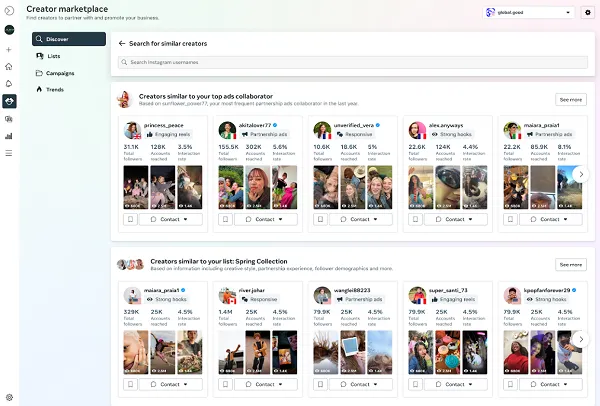
Strategic Influencer Identification with Meta Creator Marketplace: Influencer marketing has matured significantly, and Meta’s Creator Marketplace serves as a sophisticated platform for brands to connect with relevant content creators. Within this marketplace, marketers can search for influencers by topic, filtering specifically for Instagram or Facebook creators, providing direct links to their past work and content examples. Crucially, Creator Marketplace listings include vital data points such as recent engagement statistics, audience demographic breakdowns, and even estimated reach, enabling brands to make data-driven decisions when selecting collaborators. This formalizes the influencer vetting process, moving beyond simple follower counts to a more nuanced assessment of audience alignment and engagement quality, ensuring that partnerships yield genuine ROI.
Advanced Audience Segmentation and Crossover Analysis: For brands actively running ads, Facebook offers advanced tools to create custom audiences based on existing page followers or website visitors. Analyzing these custom audiences, particularly by examining other pages they follow or interests they exhibit, provides deeper context into their broader preferences and potential audience crossovers. This can inform strategies for expanding reach, identifying new target segments, or even cross-promoting content across different Meta platforms to maximize synergy. For example, a brand might discover that its Facebook followers also frequently engage with a specific type of content on Instagram, informing a more integrated multi-platform content strategy.
Architecting Engagement: Developing a Robust Content and Advertising Strategy
With a comprehensive understanding of the target audience and competitive landscape, marketers can transition to outlining a robust content and advertising strategy for Facebook in 2026. This phase involves translating research insights into actionable content pillars, ad creatives, and distribution plans.
Translating Insights into Actionable Content Pillars: Based on the research, marketers can define core content themes and types that resonate with their identified audience segments. If Reels are driving engagement, a significant portion of the content strategy should focus on short-form video. If community engagement is high in private groups, fostering these spaces becomes a priority. This involves crafting a content calendar that incorporates a mix of educational, entertaining, inspirational, and promotional content, tailored to specific audience interests and platform best practices. For instance, understanding that an audience values authenticity might lead to more user-generated content features, while a preference for practical advice could inform a series of "how-to" Reels or informational carousels.
The Symbiotic Relationship Between Organic Reach and Paid Promotion: In 2026, a successful Facebook strategy acknowledges the inherent limitations of organic reach for most brand pages while emphasizing the enduring power of community building. Organic content plays a vital role in fostering brand loyalty, driving authentic conversations, and nurturing a dedicated community. However, paid promotion is indispensable for scaling reach, targeting precise audience segments, and achieving measurable conversion goals. The strategy must outline how organic content feeds into paid campaigns (e.g., boosting high-performing posts, using organic video views to create custom audiences for ads) and how paid efforts amplify organic initiatives (e.g., driving traffic to a community group).
Meta’s Advantage+ AI Tools for Optimized Ad Delivery: Meta’s Advantage+ suite of AI-powered ad tools represents a significant leap forward in campaign optimization. These tools leverage machine learning to automate and enhance various aspects of ad creation and delivery, from targeting to creative variations. Advantage+ Shopping Campaigns, for example, use AI to find the right audience for e-commerce products, dynamically adjusting bids and placements to maximize conversions. For broader brand awareness or lead generation, Advantage+ Creative can automatically generate multiple versions of an ad, testing different headlines, images, and calls-to-action to identify the most effective combinations. This reduces manual effort and significantly improves campaign efficiency and ROI, allowing marketers to focus on strategic oversight rather than granular adjustments.
Utilizing Organic Creative AI Tools for Efficient Content Production: Beyond paid ads, Meta is increasingly integrating AI into tools for organic content creation. These tools, often aligned with what’s performing well organically on the platform, can assist in generating creative ideas, suggesting optimal post timings, or even drafting initial copy. For instance, an AI tool might analyze trending Reels audio and suggest content concepts for a brand, or propose visual enhancements for an image post based on current engagement patterns. This streamlines the content production workflow, particularly for brands with limited creative resources, ensuring that organic content remains fresh, relevant, and aligned with platform trends.
Diversifying Content Formats: Reels, Stories, Live, Groups: A robust strategy for 2026 embraces the full spectrum of Facebook’s content formats. Reels are crucial for short-form, high-impact video. Stories offer ephemeral, engaging content ideal for behind-the-scenes glimpses or quick polls. Facebook Live facilitates real-time interaction, Q&As, and event broadcasts, fostering a sense of community. Public and private Facebook Groups remain powerful hubs for niche communities and direct customer engagement, enabling brands to build loyal advocates and gather direct feedback. A diversified approach ensures that brands can reach their audience through multiple touchpoints, catering to different consumption preferences and maximizing engagement opportunities.
The Continuous Cycle of Optimization: Analysis and Iteration
With a defined strategy in place, the journey on Facebook doesn’t end with posting; it enters a continuous cycle of analysis and improvement. This iterative process is fundamental to sustained success on any dynamic social media platform.
Defining Measurable KPIs Beyond Vanity Metrics: While metrics like likes and follower counts can provide a superficial sense of success, a truly effective strategy focuses on Key Performance Indicators (KPIs) that directly align with overarching business objectives. For e-commerce brands, this might include conversion rates, return on ad spend (ROAS), and customer acquisition cost (CAC). For content publishers, it could be click-through rates to external articles or time spent consuming content. For service-based businesses, lead generation and qualified inquiries are paramount. By focusing on these deeper metrics, marketers can accurately assess the true impact of their Facebook efforts and justify their investments.
A/B Testing and Experimentation as Core Practices: The dynamic nature of Facebook’s algorithms and user preferences necessitates a culture of continuous experimentation. A/B testing different ad creatives, headlines, call-to-actions, targeting parameters, and even posting times allows marketers to scientifically determine what resonates best with their audience. This iterative testing approach, supported by Meta’s campaign management tools, ensures that strategies are constantly optimized based on real-world performance data, rather than assumptions. For organic content, testing different visual styles, caption lengths, and content themes can provide valuable insights into audience engagement.
Leveraging Meta Business Suite and Advanced Analytics: Meta Business Suite serves as a centralized hub for managing Facebook and Instagram pages, offering comprehensive analytics tools. Marketers should regularly delve into these insights to track post performance, audience demographics, reach, engagement rates, and video viewership metrics. Beyond native analytics, integrating third-party analytics platforms can provide more granular data, cross-platform comparisons, and advanced reporting capabilities, offering a holistic view of digital marketing performance. Understanding how different content types perform, which demographics are most engaged, and which conversion paths are most effective is crucial for informed decision-making.
Adapting to Algorithm Shifts and Market Trends: Facebook’s algorithms are constantly evolving to optimize the user experience, often in response to broader market trends (e.g., the prioritization of video content). Marketers must remain agile, staying informed about platform updates and adapting their strategies accordingly. This might involve reallocating budget to new ad formats, adjusting content mix, or refining targeting based on the latest algorithmic preferences. Subscribing to Meta’s official updates and industry news sources is essential for proactive adaptation.
Attribution Challenges and Solutions: In a complex digital landscape, accurately attributing conversions to specific Facebook touchpoints can be challenging. Marketers must employ sophisticated attribution models (e.g., multi-touch attribution, data-driven attribution) that account for the entire customer journey, rather than relying solely on last-click attribution. Utilizing Meta’s Attribution tool, alongside other analytics platforms, helps in understanding the true impact of Facebook on overall marketing ROI, ensuring that its contribution is accurately recognized and optimized.
Expert Perspectives on Facebook’s Longevity
Industry analysts and Meta executives consistently underscore Facebook’s strategic importance within the broader digital ecosystem. "Facebook’s unparalleled reach and its deeply integrated advertising infrastructure make it an indispensable platform for businesses of all sizes," states a hypothetical Meta spokesperson. "Our commitment to enhancing the user experience, particularly through innovative features like Reels and advanced AI, ensures its continued relevance." Marketing experts often echo this sentiment, with a leading digital strategist noting, "While the ‘shiny new object’ syndrome might draw attention to newer platforms, neglecting Facebook is a critical mistake. It’s where diverse audiences still connect, consume news, and engage with brands, often acting as the initial touchpoint in a longer customer journey." The platform’s stickiness and its role in brand discovery and community building remain central to its value proposition.
Beyond 2026: The Future Trajectory of Facebook in the Meta Ecosystem
Looking beyond 2026, Facebook’s trajectory is deeply intertwined with Meta’s broader vision, particularly its investments in artificial intelligence and the metaverse. While the metaverse represents a long-term frontier, Facebook will continue to serve as a foundational pillar, acting as a gateway for many users into Meta’s interconnected digital experiences.
The ongoing evolution of AI will further enhance Facebook’s capabilities, from more personalized content feeds and ad experiences to advanced creative generation and predictive analytics for marketers. The balance between personalization and user privacy will remain a critical challenge, with Meta continuously refining its data governance and transparency measures in response to evolving regulations and user expectations. Social commerce is also poised for significant expansion on Facebook, offering brands more direct monetization opportunities within the platform, from in-app shopping to enhanced product catalogs and live shopping events.
Ultimately, Facebook’s enduring influence stems from its ability to adapt, innovate, and connect billions of people globally. For marketers, this means that sophisticated, data-driven strategies, coupled with a willingness to embrace new tools and content formats, will be essential for harnessing the platform’s immense potential. In 2026 and beyond, Facebook will continue to be not just a social network, but a vital cornerstone of a comprehensive, multi-platform digital marketing strategy.