

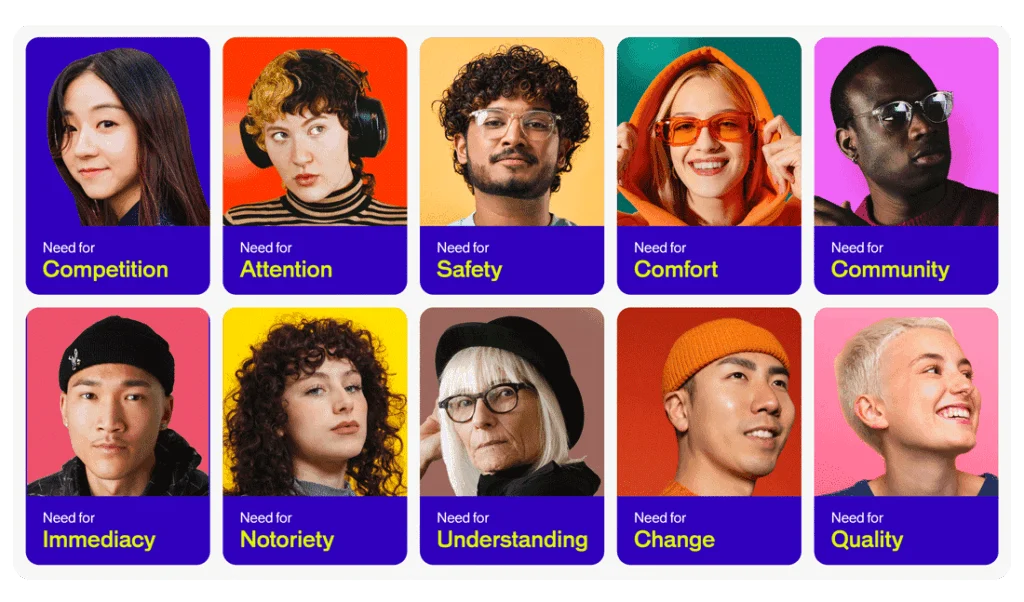
The digital marketing landscape is currently undergoing a fundamental shift from transactional data analysis to behavioral psychological mapping. While traditional personalization has long relied on the "what"—tracking which items a user clicks or which pages they visit—a new frontier in artificial intelligence is now addressing the "why." This evolution is exemplified by the emergence of EmotionsAI, a sophisticated behavioral engine designed to decode the emotional drivers behind consumer actions. Research indicates that emotions drive approximately 80% of human decision-making processes, making the ability to interpret these signals a critical competitive advantage for modern e-commerce and digital service providers.
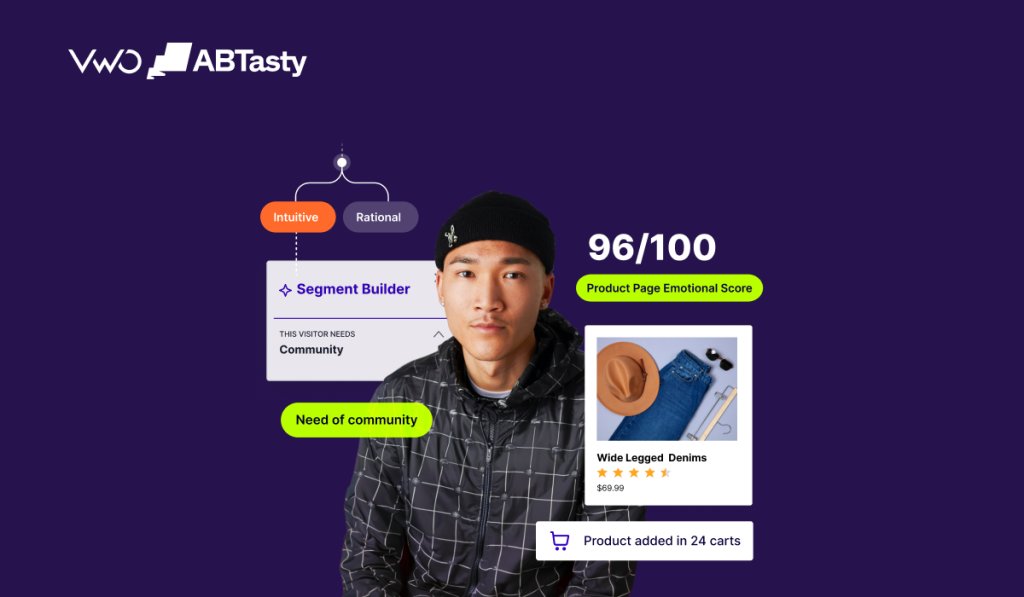
The Evolution of Behavioral Analytics: Beyond Demographics
For decades, digital strategy was built on demographic segmentation: age, location, and gender. However, as the digital marketplace became saturated, these broad categories failed to account for the nuance of individual intent. The rise of "Big Data" in the 2010s shifted the focus to past purchase history and real-time navigation patterns. Yet, even with advanced tracking, brands often missed the "micro-moments" of the customer journey—those fleeting instances of hesitation, urgency, or doubt that ultimately dictate whether a visitor converts or bounces.
The development of EmotionsAI represents the culmination of over eight years of behavioral data collection. By synthesizing millions of user interactions, the technology identifies hidden patterns in user journeys. Unlike traditional analytics that may take weeks to produce actionable insights, this AI-driven approach is designed to identify a visitor’s emotional mindset in under 30 seconds. This rapid processing allows for real-time adjustments to the user experience (UX), enabling brands to segment and target audiences with a level of precision previously reserved for face-to-face sales interactions.
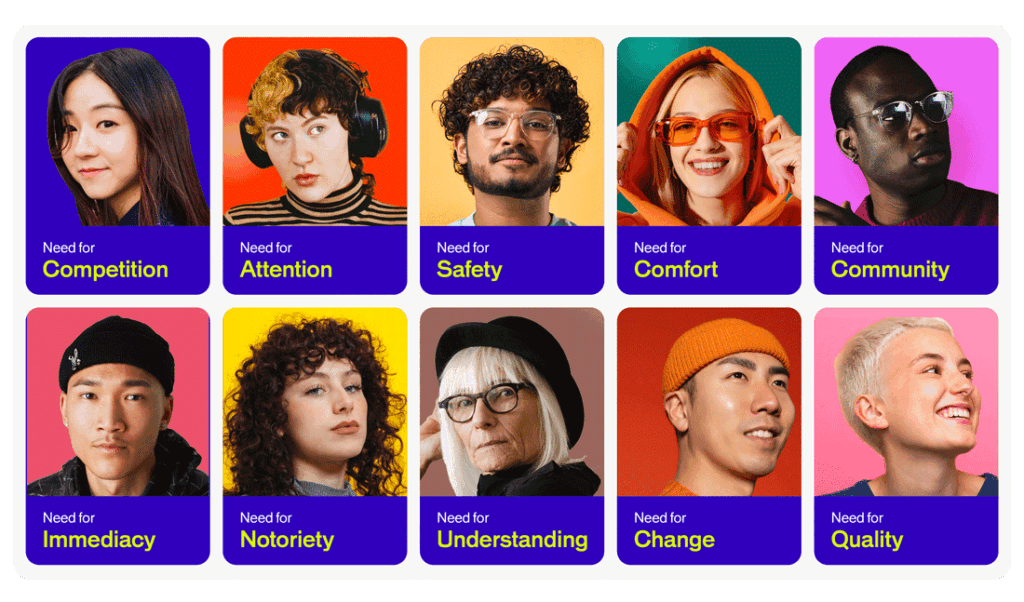
The Ten Emotional Pillars of the Modern Consumer
Through extensive longitudinal studies, behavioral scientists and AI researchers have identified ten distinct emotional profiles that characterize the vast majority of online visitors. Understanding these segments is essential for any organization looking to leverage VWO or AB Tasty’s experimentation platforms effectively.
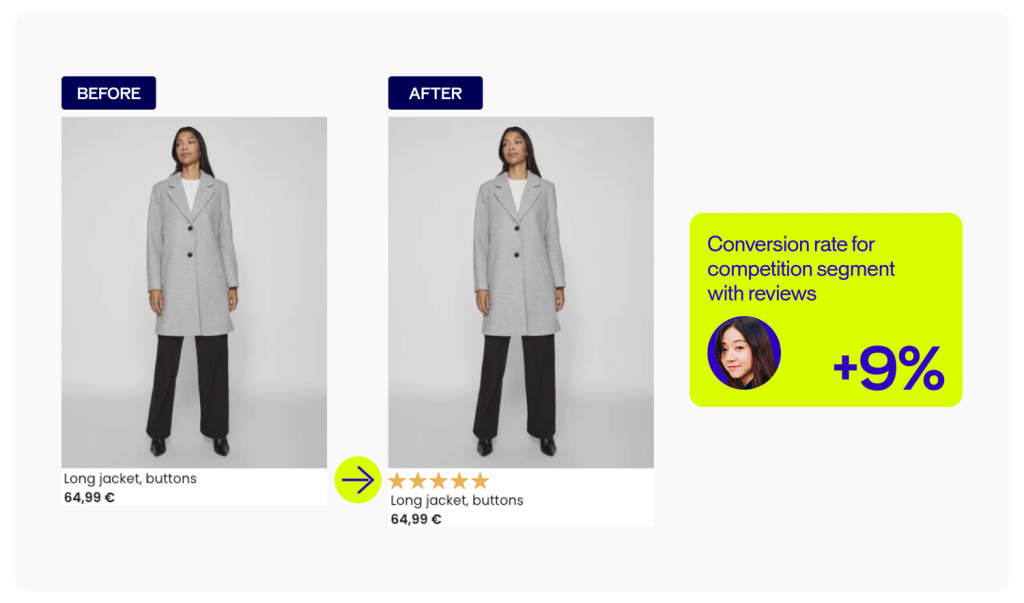
1. The Competition Segment (10% of Audience)
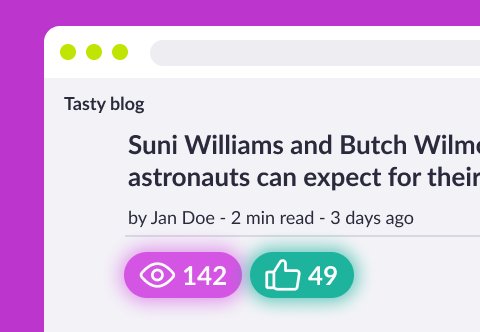
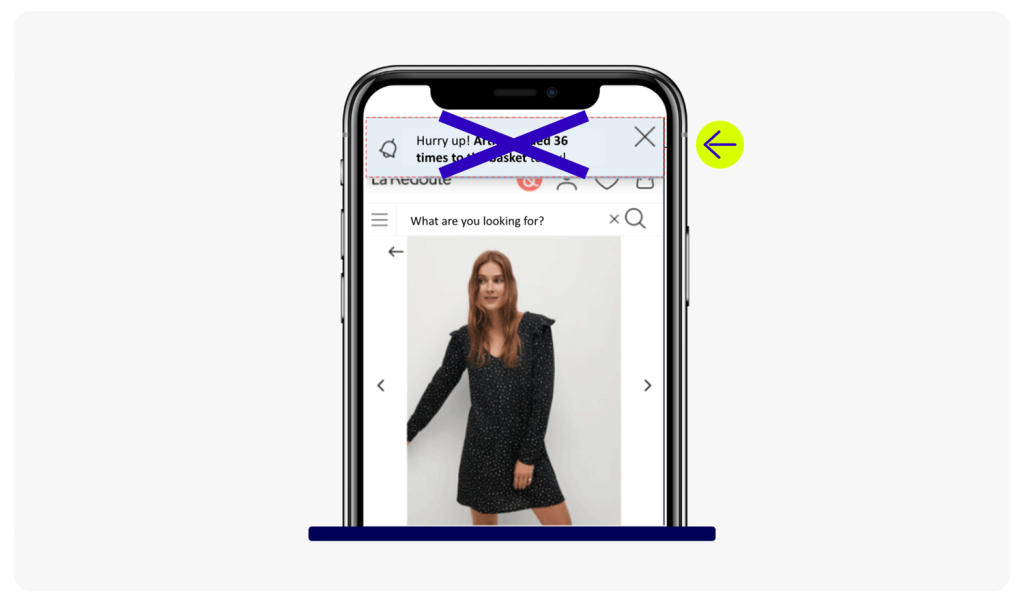
The Competition-oriented visitor is motivated by status and the desire to stay ahead of the social curve. These individuals view purchasing as a statement of leadership and discernment. To engage this group, digital platforms must emphasize quantitative proof of excellence, such as top-tier rankings and high-volume social proof. For example, displaying messages such as "300 people viewed this today" triggers a competitive instinct to secure the item before others do.
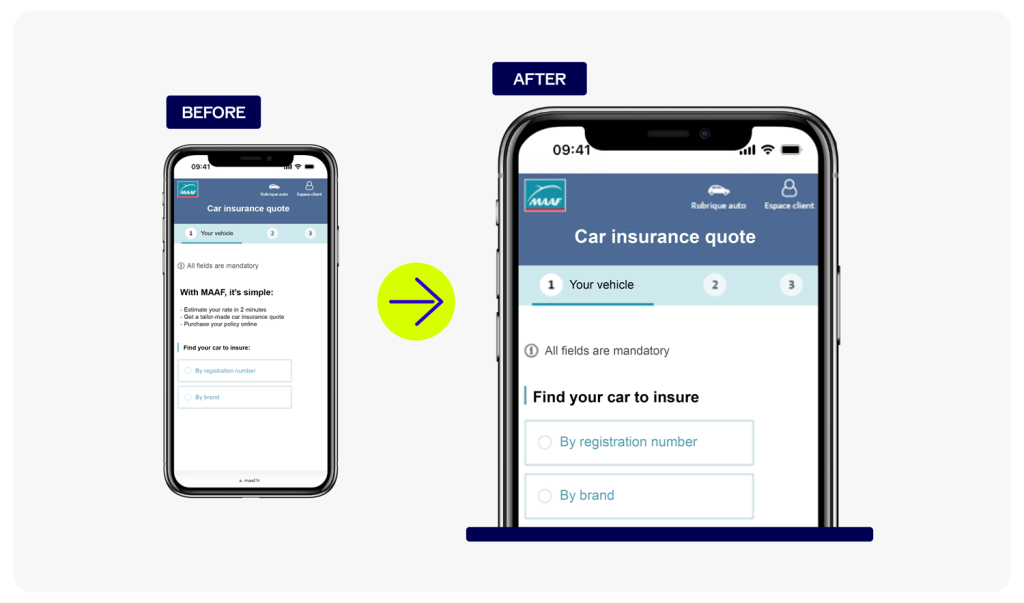
2. The Attention Segment (10% of Audience)
Attention-seekers crave a bespoke experience. They are driven by the desire to feel valued and unique. For these users, the UX must prioritize perks, unexpected rewards, and personalized gestures. Marketing data suggests that this segment responds most favorably when pricing is secondary to the "VIP" experience provided by the brand.
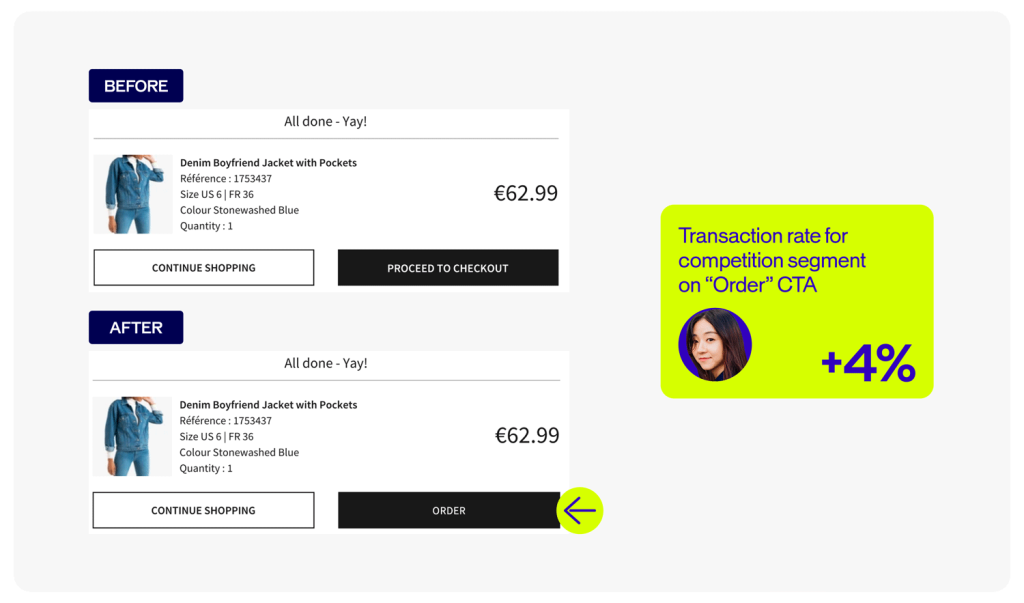
3. The Safety Segment (27% of Audience)
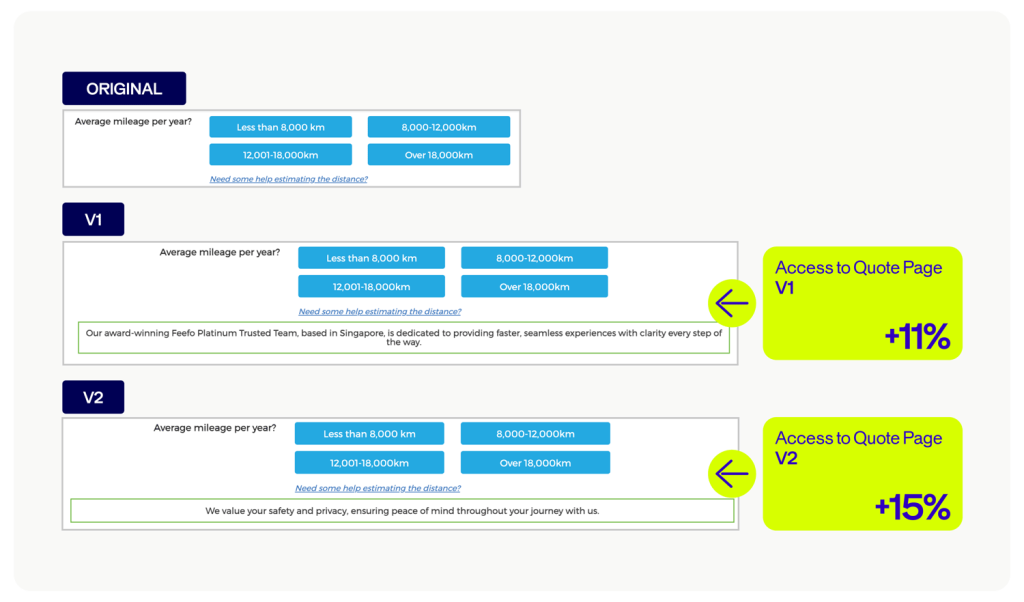
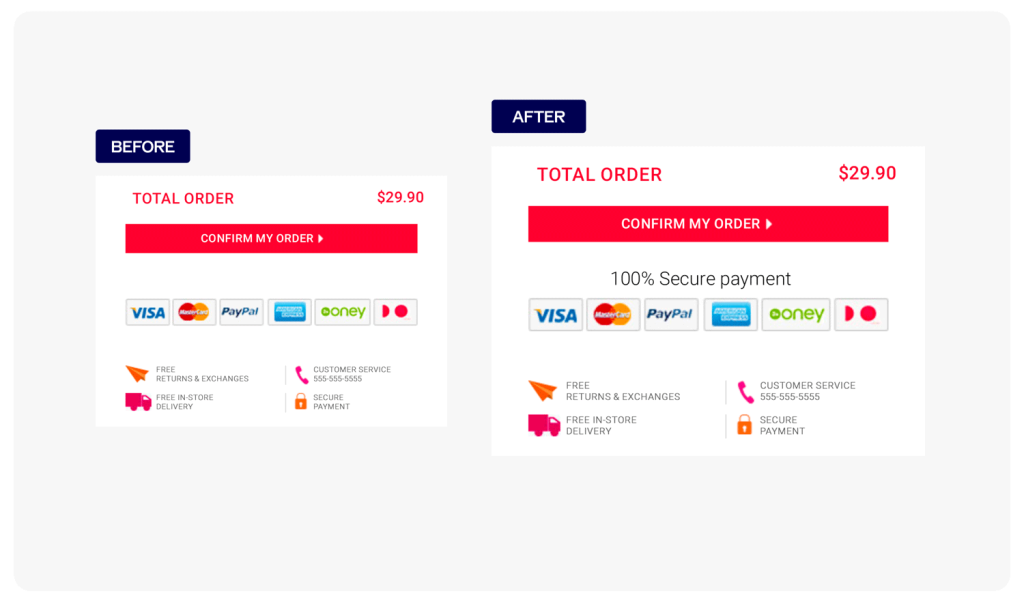
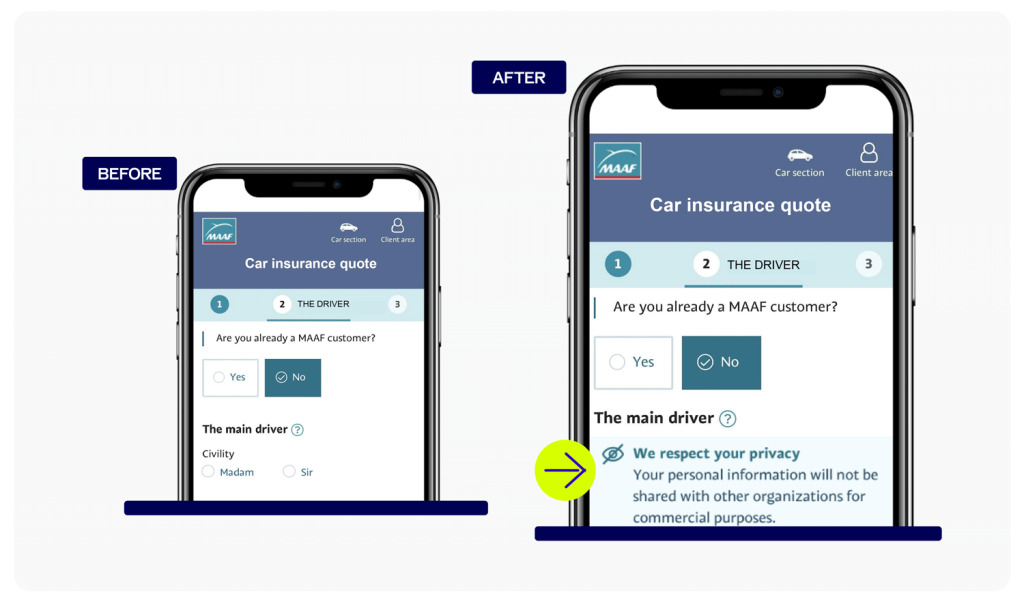
Representing the largest single block of digital visitors, the Safety segment is characterized by high sensitivity and a low tolerance for friction. These users are often prone to "cart abandonment" if they encounter aggressive sales tactics or ambiguous security signals. The strategic response for this group is radical transparency, clear data-handling policies, and visible trust badges. For these visitors, a calm and supportive environment is the primary driver of conversion.
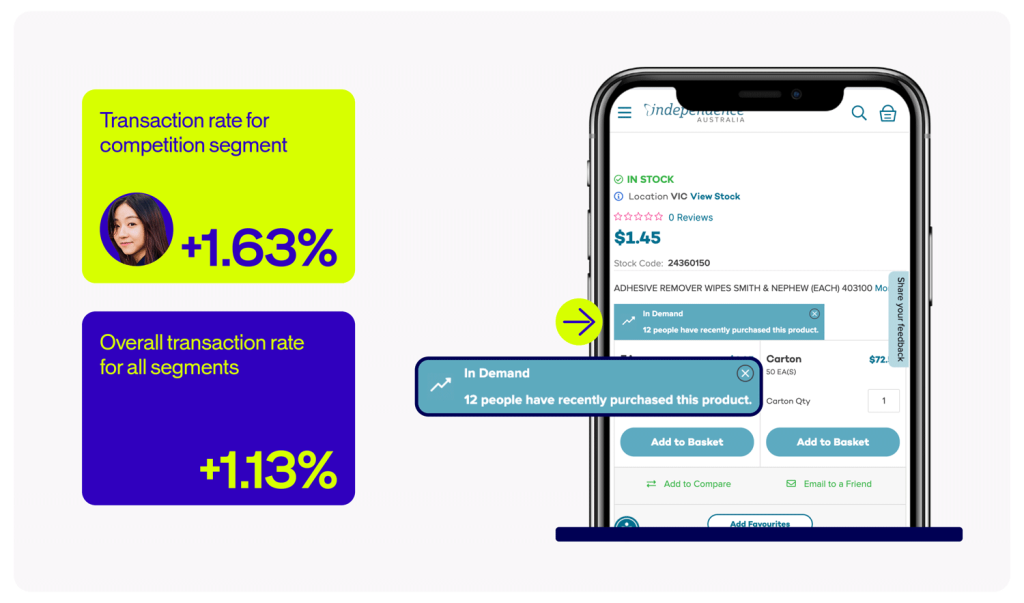
4. The Comfort Segment (10% of Audience)
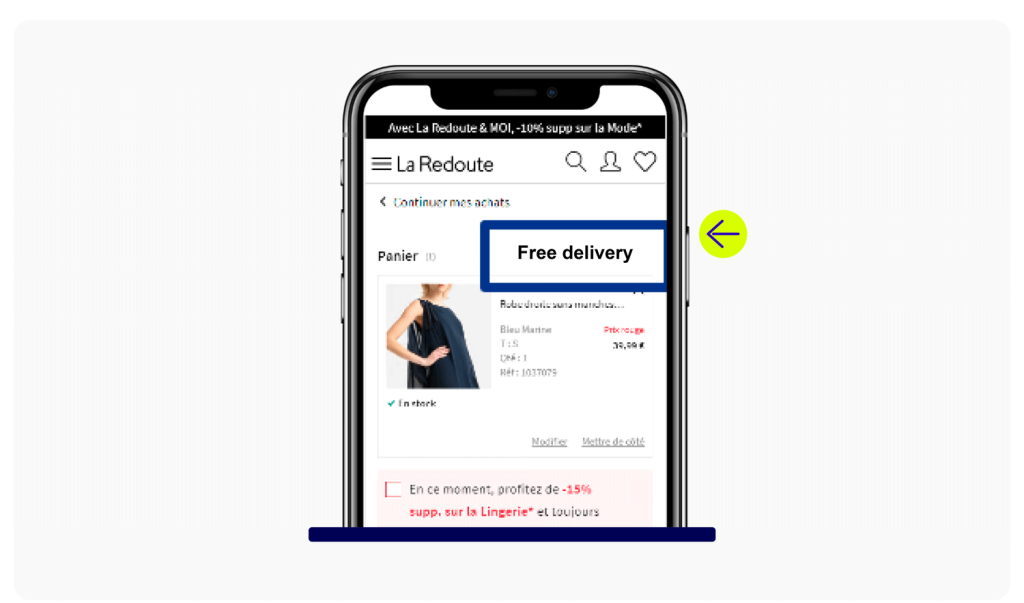
Comfort-seekers prioritize ease of use and the minimization of effort. Their emotional driver is the avoidance of hassle. Brands targeting this segment find success by highlighting free delivery, one-click payment options, and the "sofa-to-door" convenience of the service. Any complexity in the checkout funnel is a significant deterrent for this group.
5. The Community Segment (6% of Audience)
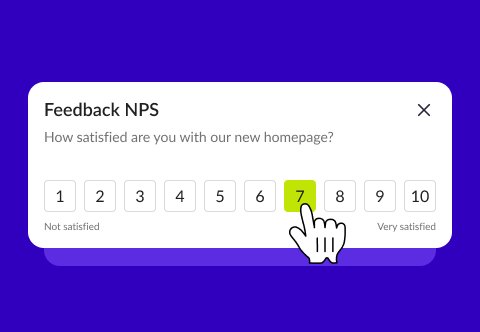
The Community-oriented visitor shops through a lens of connection and social responsibility. They are motivated by shared values, sustainability, and the impact of their purchase on others. For these users, highlighting eco-friendly tags, charitable partnerships, and the brand’s heritage is more effective than traditional discount-led marketing.
6. The Immediacy Segment (5% of Audience)
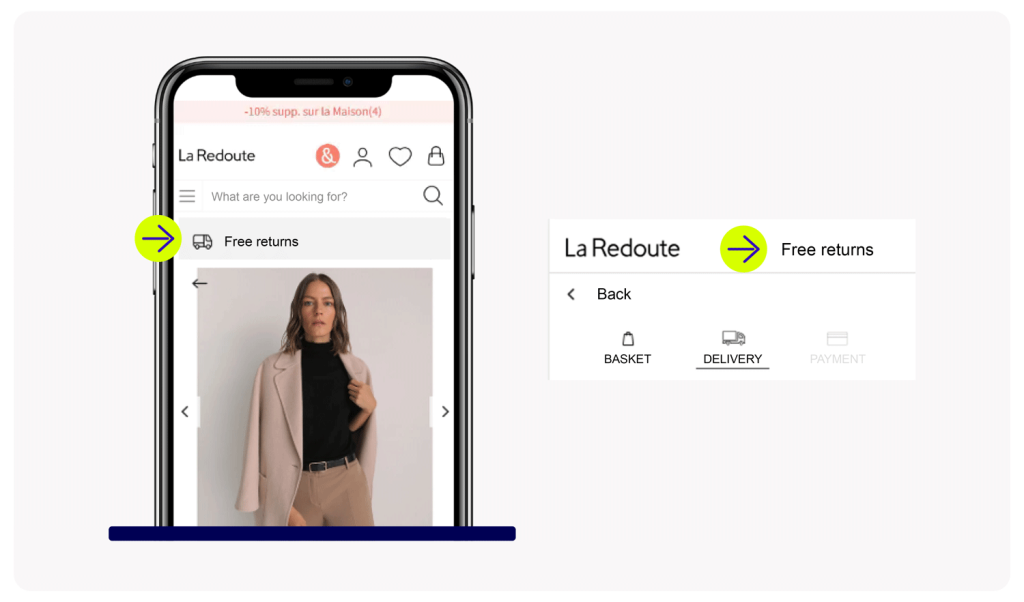
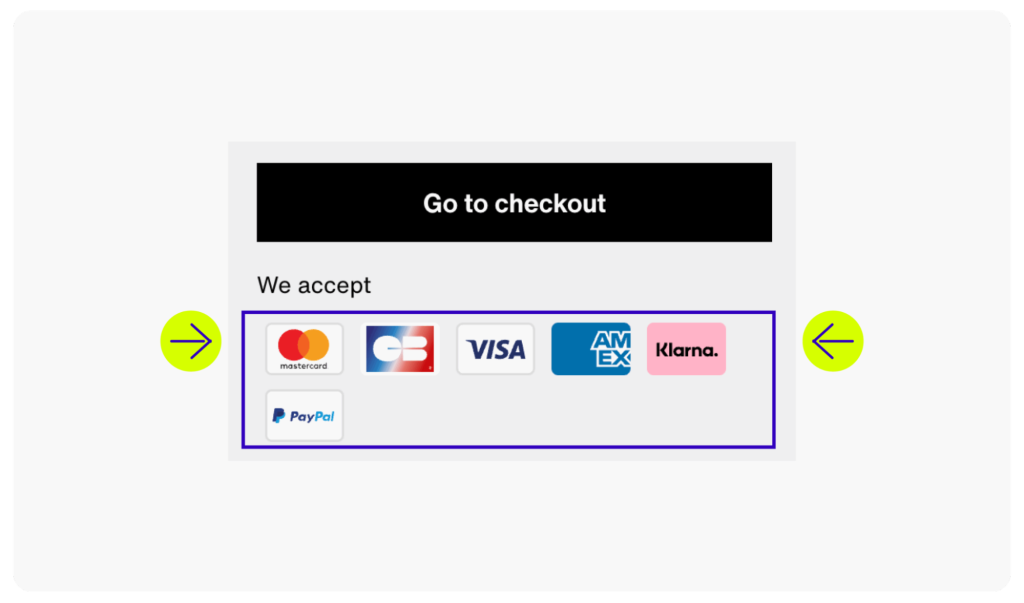
This segment is defined by a high "need for speed." Immediacy-driven visitors have little patience for long-form content or complex navigation. They respond best to bold Call-to-Action (CTA) buttons, minimal mobile interfaces, and flexible "Buy Now, Pay Later" (BNPL) options that remove immediate financial or procedural barriers.
7. The Notoriety Segment (2% of Audience)
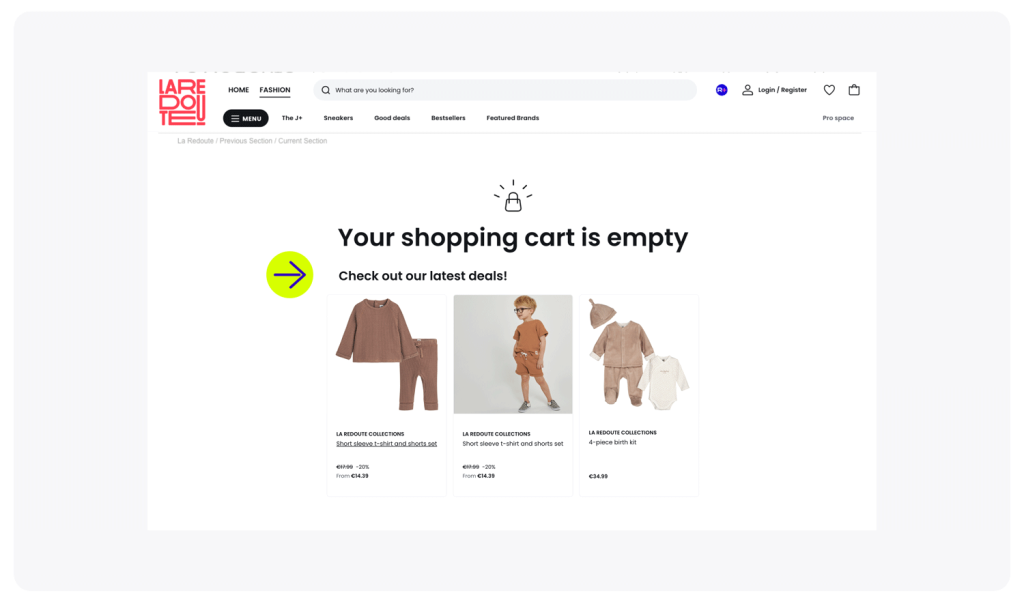
Though small, the Notoriety segment is highly influential. These visitors trust established reputations and sophisticated aesthetics. They are deterred by user-generated content (UGC) that appears "unprofessional" and instead gravitate toward high-quality, polished visuals and long-standing brand guarantees. Their emotional comfort is rooted in the perceived "proven" nature of the product.
8. The Understanding Segment (9% of Audience)
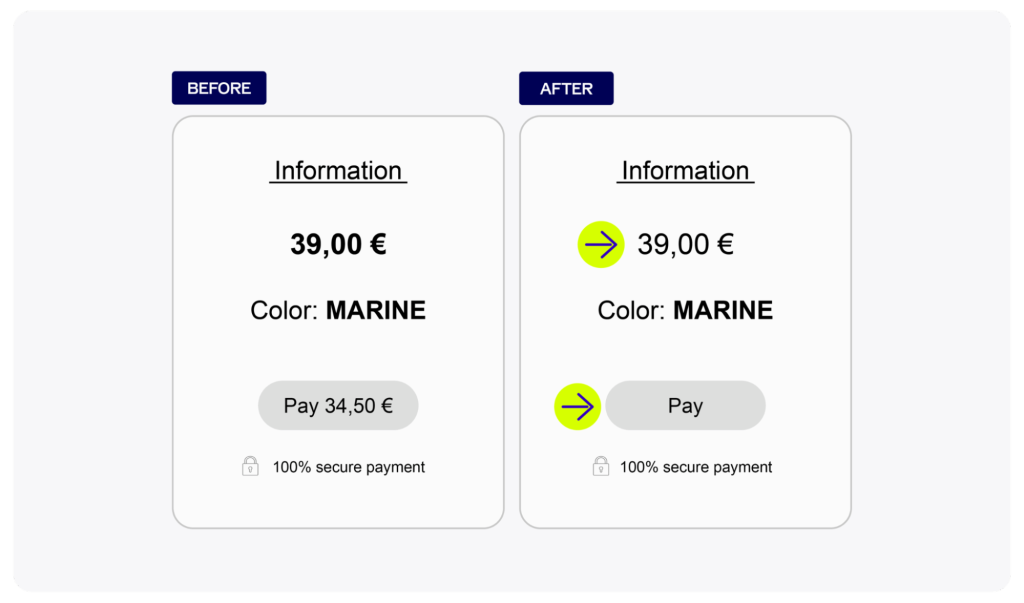
The Understanding segment consists of logical, goal-oriented researchers. They require a comprehensive "full picture" before committing to a purchase. Unlike the Competition segment, they are less swayed by social proof and more influenced by technical specifications, data-driven comparisons, and progress bars that track their journey through a complex funnel.

9. The Change Segment (8% of Audience)
Driven by a desire for novelty, the Change segment actively seeks out new experiences and unconventional solutions. They are the "early adopters" of the digital world. Routine is their primary deterrent. Brands can capture this segment by featuring new arrivals, partner marketplace launches, and innovative delivery methods that break from the industry standard.
10. The Quality Segment (3% of Audience)
Quality-seekers are immune to standard discount marketing. They are motivated by craftsmanship, heritage, and the "story" behind the product. For this group, the narrative of the brand’s creation is more persuasive than the price tag. They value detailed reviews from peers who share their appreciation for high standards and artisanal detail.
Methodology and Technical Implementation
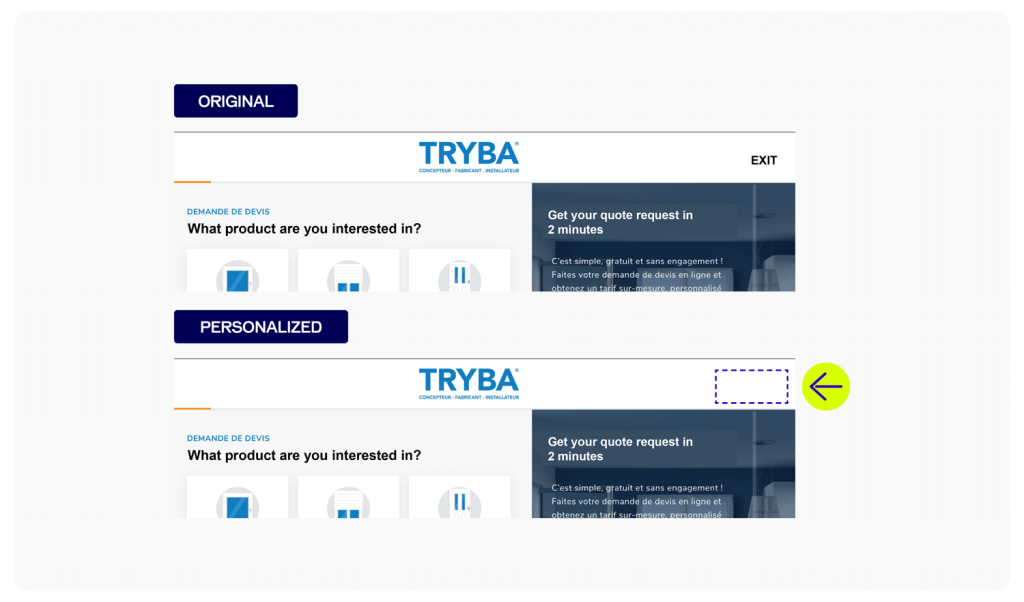
The deployment of EmotionsAI within an experimentation framework like AB Tasty involves a multi-stage process. First, the AI engine monitors passive signals—mouse movements, dwell time, and navigation sequences—to categorize the user into one of the ten segments. Once categorized, the platform triggers specific "widgets" or UX modifications tailored to that emotional profile.
Industry analysts note that this form of "emotional targeting" avoids many of the pitfalls of traditional tracking. Because it relies on behavioral patterns rather than personal identity data (PII), it is inherently more compliant with tightening global privacy regulations like GDPR and CCPA. The focus is on the state of mind of the user during a specific session, rather than their permanent identity.
Broader Industry Impact and Implications
The shift toward emotional AI is expected to redefine the role of the Chief Marketing Officer (CMO) and the UX Designer. Historically, these roles relied on intuition and A/B testing that could take months to yield significant results. With real-time emotional segmentation, the "feedback loop" between user behavior and site optimization is reduced to seconds.
Market data indicates that brands utilizing emotional segmentation see a significant lift in Customer Lifetime Value (CLV). By meeting a visitor’s emotional needs—whether that is the need for safety or the desire for competition—brands build a deeper psychological rapport that transcends the individual transaction. This "human-centric" approach to AI fosters brand loyalty in an era where consumers are increasingly skeptical of generic marketing.
However, the technology also raises ethical considerations. Critics argue that "emotional manipulation" could be used to exploit vulnerable segments, such as those in the "Immediacy" or "Safety" categories. In response, industry leaders are calling for a framework of "Emotional Ethics" to ensure that these tools are used to enhance the user experience rather than to coerce decisions.
Chronology of Emotional AI Development
- 2015-2017: Initial research into behavioral psychology in e-commerce begins, focusing on the "80% emotion" rule.
- 2018-2020: Data collection phases. Millions of anonymized user sessions are analyzed to identify recurring behavioral patterns.
- 2021: The first iterations of emotional segmentation engines are tested in beta environments.
- 2023: Integration with major experimentation platforms like VWO and AB Tasty is finalized.
- 2024-Present: Wide-scale adoption of EmotionsAI across global retail, travel, and financial services sectors.
Conclusion: The New Standard of Digital Interaction
As digital experiences become increasingly automated, the brands that succeed will be those that manage to remain "human." EmotionsAI provides the bridge between the cold efficiency of an algorithm and the nuanced reality of human feeling. By understanding that a visitor may be hesitating out of a need for safety rather than a lack of interest, or that they are rushing due to a desire for immediacy, companies can provide a service that feels intuitive and supportive.
The transition from surface-level personalization to deep emotional understanding is no longer a luxury for high-end brands; it is becoming the baseline expectation for the modern consumer. In a marketplace where no two visitors are the same, treating them as such is the quickest path to obsolescence. The future of the digital experience lies in the ability to see the person behind the screen—not just as a data point, but as a complex emotional being.







