
 rifanmuazin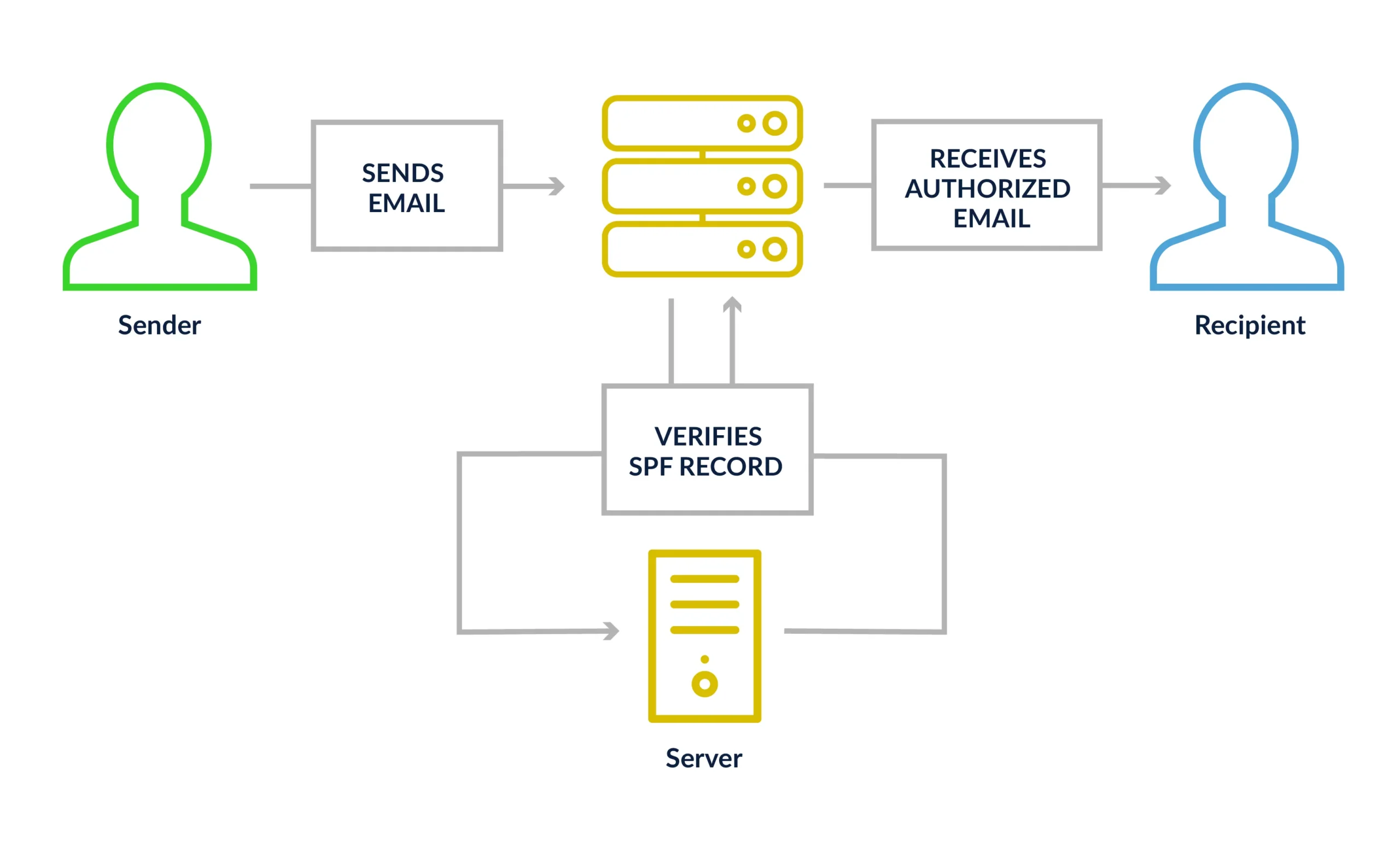
The digital communications landscape is in a constant state of flux, yet email remains the bedrock of both personal and professional interaction. However, the very openness that made email ubiquitous also rendered it vulnerable to abuse. For years, email deliverability has been a complex dance between sender reputation, content quality, and technical configuration. Amidst this complexity, one term has ascended to paramount importance: email authentication. Far from being mere technical jargon, email authentication represents the foundational digital security measures that verify the legitimacy of email senders and the integrity of messages, fundamentally shaping whether an email reaches its intended inbox. This mechanism is crucial for ensuring that each message truly originates from the claimed sender, has not been tampered with during transit, and provides recipients with a verifiable assurance of its authenticity.
The Genesis of Email Vulnerability: Why Authentication Became Essential
Email, in its original design, operated on a principle of inherent trust. Senders could easily forge the “From” address, making it simple to impersonate legitimate organizations or individuals. This fundamental vulnerability laid the groundwork for a pervasive array of threats, including spam, phishing, and business email compromise (BEC). As the internet grew, so did the sophistication and scale of these attacks.
The financial and reputational costs associated with email fraud are staggering. According to the Anti-Phishing Working Group (APWG), the number of phishing attacks continues to rise year over year, with millions of attacks reported annually. The FBI’s Internet Crime Report consistently highlights BEC schemes as one of the most financially damaging online crimes, costing businesses billions of dollars globally each year. Beyond direct financial losses, unauthenticated emails contribute to eroded customer trust, damaged brand reputation, and significant operational burdens for IT and security teams tasked with mitigating these threats. Without a robust system to verify sender identity and message integrity, the email ecosystem became a fertile ground for malicious actors, necessitating the development of standardized frameworks to combat these persistent challenges. This urgent need spurred collaborative efforts from various industry groups, including the IETF’s Anti-Spam Research Group, as well as major email service providers like Yahoo and technology giants such as Cisco, all working to establish the technical underpinnings for modern email authentication.
A Chronology of Standards: From Concept to Mandate
The evolution of email authentication has been a gradual but persistent journey, driven by the escalating need for security and trust. The initial efforts coalesced around the early 2000s, leading to the development of the first widely adopted standards.
- Sender Policy Framework (SPF): Introduced in the early 2000s, SPF was one of the first widely adopted methods to combat email spoofing. It allowed domain owners to publish a DNS record specifying which mail servers were authorized to send email on their behalf.
- DomainKeys Identified Mail (DKIM): Developed in the mid-2000s, DKIM provided a cryptographic method to verify the authenticity and integrity of email messages. By adding a digital signature to outgoing emails, it ensured that the message content hadn’t been altered after being sent and that it originated from an authorized domain.
- Domain-based Message Authentication, Reporting & Conformance (DMARC): Emerging in the early 2010s, DMARC built upon SPF and DKIM by adding a policy layer. It allowed domain owners to instruct receiving mail servers on how to handle emails that fail SPF or DKIM checks (e.g., quarantine, reject) and provided a reporting mechanism to monitor authentication results. DMARC transformed authentication from a passive check into an active enforcement and feedback system.
- Authenticated Received Chain (ARC): Recognized as a standard in the mid-2010s, ARC was developed to address specific challenges posed by legitimate email forwarding and mailing lists. It provides a chain of authentication results, allowing intermediate mail servers to attest to the original authentication status of an email, even if subsequent modifications (like adding a footer) might break DKIM signatures.
- Brand Indicators for Message Identification (BIMI): A more recent innovation, gaining traction in the late 2010s and early 2020s, BIMI offers a visual trust signal. It allows brands to display their verified logo next to their sender name in the recipient’s inbox, leveraging strong DMARC policies as a prerequisite for adoption.
While these standards have been available for years, their adoption, particularly DMARC enforcement, has been inconsistent. This landscape dramatically shifted with recent mandates from major mailbox providers (MBPs). In October 2023, Google (Gmail) and Yahoo announced significant new sender requirements, effective February and April 2024, respectively, with ongoing progressive enforcement. Microsoft followed suit with similar guidelines. These mandates cemented email authentication as a non-negotiable requirement for all senders, particularly those sending bulk emails, signalling a unified front against email abuse and a collective push for a more secure and trustworthy email ecosystem. Senders failing to comply face immediate and increasingly severe consequences, ranging from delayed delivery to outright rejection of their emails.
Diving Deeper: The Five Pillars of Email Authentication
Understanding the individual components of email authentication is crucial for effective implementation and management. Email expert Dela Quist, speaking on the “Email After Hours” podcast, emphasized the critical nature of these measures for any serious email program.
1. Sender Policy Framework (SPF): The Authorized Sender List
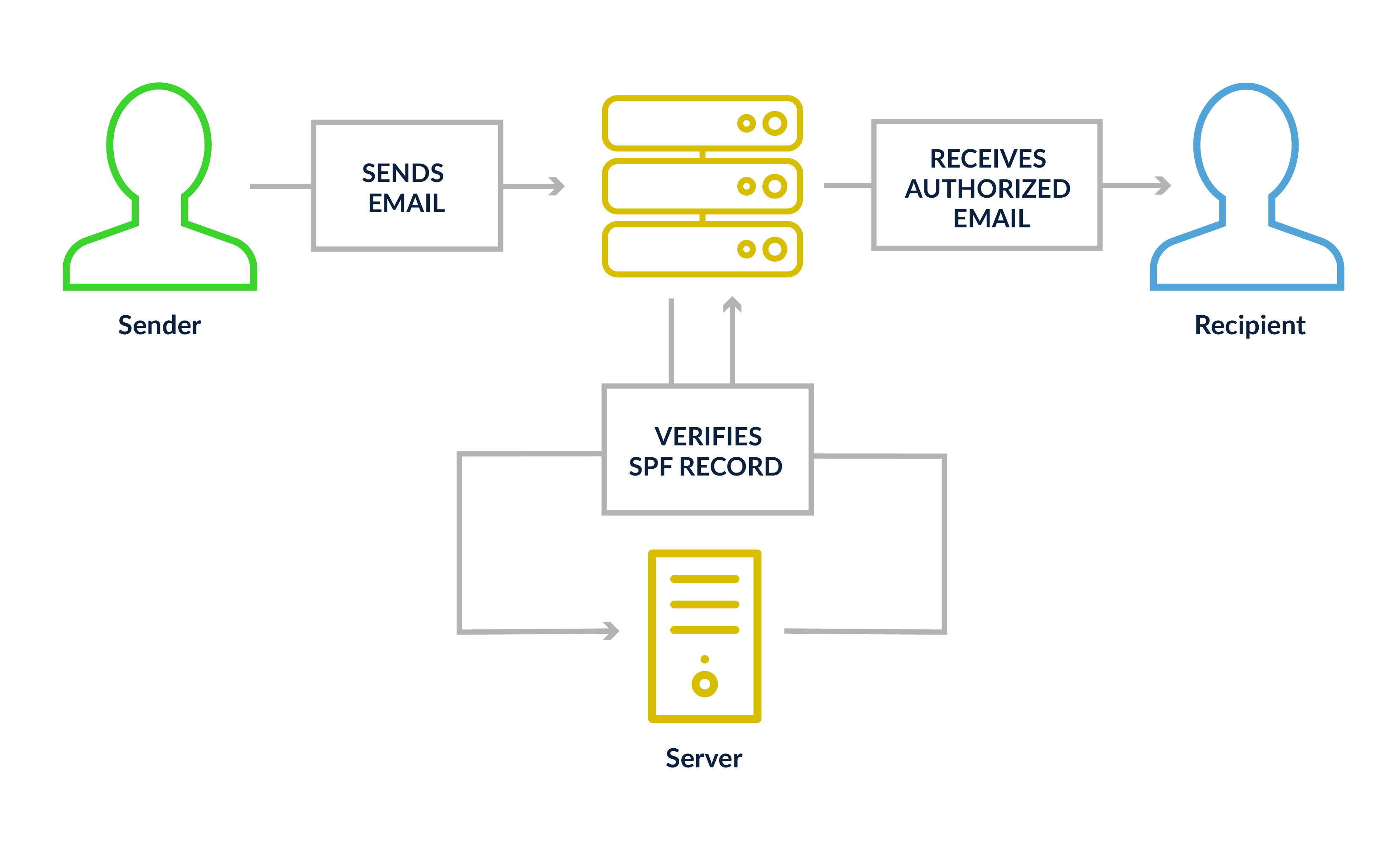
SPF acts as the gatekeeper for your email domain, akin to a meticulously curated guest list for an exclusive event. When a mail server attempts to send an email on behalf of your domain, the receiving mail server consults your domain’s DNS records to find its SPF record. This record explicitly lists all the IP addresses and hostnames that are authorized to send email using your domain. If an email arrives from an IP address not on this “guest list,” the receiving server immediately flags it as suspicious, indicating a potential spoofing attempt.

An SPF record can be configured to include individual IP addresses, IP ranges, or references to third-party sending services (like your Email Service Provider, or ESP) using the include mechanism. Senders can also define enforcement levels: ~all (soft fail) suggests that emails from unauthorized sources might be legitimate but should be treated with suspicion, while -all (hard fail) instructs receiving servers to reject emails from unauthorized sources outright. Most reputable senders eventually aim for -all to maximize protection. A key technical consideration for SPF is the “10 DNS lookup limit.” Each include statement counts as a DNS lookup. Exceeding this limit results in a “permerror,” which can cause SPF to fail entirely, rendering the authentication ineffective. Careful management of SPF records, especially when integrating multiple third-party services, is therefore essential. Statistics indicate that while SPF adoption is high, misconfigurations are common, leading to authentication failures even for legitimate senders.
2. DomainKeys Identified Mail (DKIM): The Tamper-Evident Seal
If SPF verifies who is allowed to send, DKIM verifies the integrity of the message itself, much like a tamper-evident seal on a package. When your mail server dispatches an email, it generates a unique cryptographic signature using a private key and attaches this signature to the email’s header. The corresponding public key is published in your domain’s DNS records. Upon receiving the email, the recipient’s mail server retrieves the public key and uses it to decrypt and verify the signature. If any part of the email’s content or header (the signed parts) has been altered during its journey from sender to recipient, the signature verification will fail, indicating potential tampering.
For effective DKIM implementation, particularly when configuring keys independently of an ESP, it is crucial to use a minimum key length of 2048 bits. Older 1024-bit keys are now considered less secure and may not meet current industry standards, potentially leading to authentication failures or reduced trust signals. While many ESPs handle DKIM key management automatically, confirming the key length and proper configuration with your sending platform is a recommended best practice. DKIM provides a robust layer of protection against phishing attacks that involve modifying email content or sender information after the message has left the legitimate sender’s server.
3. Domain-based Message Authentication, Reporting & Conformance (DMARC): The Policy Enforcer
DMARC serves as the overarching policy and reporting framework that ties SPF and DKIM together, acting as the ultimate decision-maker for what happens when authentication checks raise a flag. Beyond simply relying on SPF and DKIM results, DMARC introduces a critical concept known as “alignment.” This means that the domain in the “From” address (what the recipient sees) must match the domain used in either the SPF check or the DKIM signature. Without this alignment, DMARC will fail, even if the underlying SPF or DKIM checks passed independently. This alignment check is a powerful deterrent against brand impersonation, as attackers often try to spoof the visible “From” address while sending through an unauthorized server or using a domain that doesn’t align with their malicious DKIM signature.
DMARC policies are configured at three primary levels, dictating how receiving servers should handle emails that fail authentication:
p=none: This “monitor only” policy instructs servers to take no action on failing messages but to send aggregate reports back to the domain owner. This is the minimum requirement for bulk senders under the new MBP mandates and is an essential starting point for gathering data.p=quarantine: Messages failing DMARC are sent to the recipient’s spam or junk folder. This provides a stronger deterrent against spoofing.p=reject: Messages failing DMARC are blocked entirely and not delivered to the recipient. This is the strongest enforcement level, offering maximum protection against email fraud.
While p=none is the minimum for bulk senders, the goal for any organization serious about security and deliverability is to progress towards p=quarantine or p=reject. DMARC also offers an invaluable reporting bonus: aggregate reports are sent daily by MBPs, providing insights into authentication results, involved IP addresses, and alignment status. This data is critical for identifying legitimate sending sources, detecting potential spoofing attempts, and refining your email infrastructure. Industry data from organizations like Agari and Mimecast consistently show that domains with DMARC policies at p=reject are significantly less likely to be successfully spoofed.
4. Authenticated Received Chain (ARC): Preserving Authentication Across Hops
ARC addresses a specific challenge inherent in the email forwarding process. When an email passes through intermediate systems like mailing list processors, security gateways, or internal forwarding rules, these systems often modify the message (e.g., by adding disclaimers, footers, or altering headers). Such modifications can inadvertently break the original DKIM signature, leading to a DMARC failure, even if the initial email was perfectly legitimate.
ARC acts as a “paper trail” or an immutable chain of custody for email authentication. Each intermediate server that processes an ARC-enabled email appends its own “seal” to the message, logging and signing the authentication results it observed before making any modifications. This creates a verifiable chain of authentication results. By the time the email reaches its final destination, the receiving server can examine the ARC chain. If it sees that the message was properly authenticated at the point of origin, it can trust the message even if subsequent modifications caused the final DKIM signature to appear broken. Unlike SPF, DKIM, and DMARC, ARC is not something individual senders configure directly. It is implemented by the mail servers and intermediaries in the email delivery path. Understanding ARC helps explain why a legitimately forwarded email might still reach the inbox, whereas without it, it might have been mistakenly flagged as fraudulent due to broken authentication.
5. Brand Indicators for Message Identification (BIMI): Visual Trust and Brand Presence
BIMI is the most recent addition to the authentication suite, offering a tangible visual benefit for brands. It allows organizations to display their official, verified logo directly in the recipient’s inbox, often before the email is even opened. This provides an immediate visual trust signal, helping subscribers instantly recognize legitimate emails from a trusted brand, thereby reducing the likelihood of them overlooking or deleting important communications. For recipients, seeing a familiar logo adds a layer of confidence and professionalism.
Implementing BIMI requires a robust authentication foundation: SPF, DKIM, and critically, a DMARC policy set to either p=quarantine or p=reject. A p=none policy is insufficient for BIMI. Once these prerequisites are met, the brand publishes a BIMI DNS record that points to a properly formatted Scalable Vector Graphics (SVG) version of their logo.
BIMI further distinguishes between two types of certificates that can verify logo ownership:
- Verified Mark Certificate (VMC): This is the original and most stringent certification option. It requires the brand’s logo to be a registered trademark. VMCs are issued by authorized Certificate Authorities (CAs) such as DigiCert. A VMC unlocks full BIMI support, including logo display in Gmail and Apple Mail, and crucially, enables the coveted blue checkmark next to the sender name in Gmail, signifying the highest level of sender verification.
- Common Mark Certificate (CMC): A newer and more accessible option introduced in 2024, CMCs do not require a registered trademark. Instead, they require proof that the brand’s logo has been publicly displayed for at least 12 months. Google’s acceptance of CMCs has significantly broadened BIMI’s accessibility for a wider range of brands. CMC holders benefit from logo display in Gmail, but the blue checkmark remains exclusively for VMC holders.
MBP Support at a Glance for BIMI:
- Gmail: Supports BIMI with both VMC (including blue checkmark) and CMC (logo only).
- Yahoo Mail: Supports BIMI with VMC.
- Apple Mail: Supports BIMI with VMC.
- Other MBPs: Adoption is growing, with various providers offering partial or full support.
BIMI not only enhances brand visibility but also reinforces the sender’s commitment to security, as its implementation depends on having a strong DMARC enforcement policy. This symbiotic relationship elevates both brand trust and email security.
The Mandate Era: Mailbox Providers’ Unified Front
The recent pronouncements from Gmail, Yahoo, and Microsoft represent a seismic shift in the email ecosystem. No longer is proper authentication a “nice to have”; it is an essential operational requirement. These major mailbox providers, collectively serving billions of users, have clearly articulated a unified stance: a commitment to drastically reduce spam and email fraud, thereby enhancing the user experience and safeguarding digital trust.
For bulk senders – generally defined as those sending more than 5,000 emails per day to Gmail or Yahoo addresses – the requirements are explicit and non-negotiable:
- Mandatory SPF and DKIM: All bulk emails must be authenticated with both SPF and DKIM.
- DMARC Policy: Senders must have a DMARC policy published for their sending domain, even if initially set to
p=none. This is a crucial step towards understanding their email ecosystem and eventually moving to stricter policies. - Easy Unsubscription: Senders must implement a one-click unsubscribe mechanism, clearly visible and easily accessible, and process unsubscribe requests within two days.
- Low Spam Rates: Senders must maintain a spam complaint rate below 0.1%, with a recommended threshold of below 0.3%.
The consequences of non-compliance are severe and escalating. Since April 2024, Gmail has progressively rejected non-compliant traffic, with plans for temporary and then permanent rejections for senders who fail to adapt. Yahoo and Microsoft have adopted similarly firm stances, emphasizing that deliverability will be severely impacted, if not entirely ceased, for unauthenticated emails. This collective action by MBPs sends an unambiguous message to the industry: invest in email authentication now, or risk being shut out of the inbox. Industry experts and analysts widely commend these mandates as a necessary evolution, acknowledging that while they demand immediate action from senders, they are critical for fostering a safer and more reliable email environment for everyone.
Broader Impact and Strategic Imperatives for Senders
Email authentication, while initially appearing as a purely technical endeavor, profoundly impacts a business’s relationship with its subscribers and its overall digital strategy. The implications extend far beyond mere compliance.
- Enhanced Deliverability: The most immediate and tangible benefit is improved inbox placement. Authenticated emails are inherently more trusted by MBPs, significantly reducing the likelihood of them being routed to spam folders or blocked outright. This directly translates to higher engagement rates and better ROI from email campaigns.
- Fortified Security: Robust authentication provides a strong defense against brand impersonation, phishing, and BEC attacks. By making it difficult for malicious actors to spoof a brand’s domain, businesses protect their customers from fraud and safeguard their own reputation.
- Improved Brand Reputation and Trust: When subscribers consistently receive authenticated emails, they develop greater trust in the sender. BIMI, in particular, leverages this by providing a visual cue of authenticity, fostering stronger brand recognition and loyalty. This trust is invaluable in an age rife with digital deception.
- Better User Experience: For the end-user, these authentication standards mean a cleaner, safer inbox with fewer unwanted or fraudulent messages. This improved experience benefits the entire email ecosystem.
- Operational Considerations: Implementing and maintaining these standards requires collaboration between marketing, IT, and security teams. It necessitates careful configuration of DNS records, ongoing monitoring of DMARC reports, and potentially adjustments to sending infrastructure. While this requires initial investment and ongoing vigilance, the long-term benefits in security and deliverability far outweigh the costs.
- The Future of Email: Email authentication is no longer a competitive differentiator; it is the fundamental baseline for participation in the modern email landscape. As AI and machine learning continue to evolve in combating spam and fraud, the absence of proper authentication will only make it harder for legitimate emails to stand out.
In conclusion, the current landscape underscores that email authentication is the indisputable foundation for any effective and secure email program. With Gmail, Yahoo, and Microsoft unequivocally enforcing these requirements for bulk senders, getting this right is not just about avoiding deliverability penalties; it is about protecting your brand, securing your customers, and upholding the integrity of your digital communications.
Configuring SPF, DKIM, and DMARC correctly is the essential starting point. From there, the strategic progression involves moving your DMARC policy towards enforcement (p=quarantine or p=reject), diligently monitoring aggregate reports for insights into your sending ecosystem and potential threats, and eventually enhancing your brand presence and trust signals with BIMI. While achieving full authentication can be a complex and time-consuming process, requiring technical expertise and cross-departmental coordination, the payoff in terms of enhanced deliverability, fortified security, and elevated brand trust is unequivocally worth the effort. Tools and platforms, such as Litmus’s infrastructure checks, are available to assist organizations in ensuring every aspect of their email authentication is meticulously configured and continuously monitored, paving the way for a more protected and trusted email future.









